2027 Most Valuable Marketing Degree Programs Ranking in Chicago

Co-Founder and Chief Data Scientist
Choosing the right marketing degree program can feel overwhelming, especially with so many options in Chicago. This article features the 2027 Most Valuable Marketing Degree Programs Ranking in Chicago, crafted by the Research.com team of data scientists to guide you toward the best choices.
Discover programs that offer strong career prospects and valuable skills to help you succeed in the evolving marketing field. Whether you're starting fresh or looking to advance, this ranking will support your journey to a rewarding future.
Investing in a marketing degree can open doors, and we're here to help you take the first step with confidence.
Key benefits of getting marketing degree in Chicago
- Marketing degree graduates in Chicago can earn competitive salaries, such as $83,190 annually for Marketing Assistants and Digital Marketing Specialists, and up to $159,420 for Public Relations Specialists, ensuring a rewarding financial future.
- Career paths for marketing grads from Chicago's top schools include roles like Sales Associate, Media Planner, or PR Specialist, offering diverse opportunities to match your passion and skills.
- Completing a marketing degree online in Chicago offers flexibility for busy schedules and practical experience, making it easier to balance work and study while opening doors to the same career opportunities as traditional programs.
- Key benefits of getting marketing degree in Chicago
- What can I expect from marketing degree in Chicago?
- Where can I work with marketing degree in Chicago?
- How much can I make with marketing degree in Chicago?
- 2027 Most Valuable Marketing Degree Programs Ranking in Chicago
- Key Findings
- How long does it take to complete marketing degree in Chicago?
- Campus Life and Networking Opportunities in Chicago
- What's the difference between online and on-campus marketing degree?
- What is the average cost of marketing degree in Chicago?
- Return on Investment: Calculating the Value of a Marketing Degree in Chicago, IL
- What financial aid is available to marketing degree students in Chicago?
- What are the prerequisites for enrolling in marketing degree program in Chicago?
- What courses are typically in marketing degree programs in Chicago?
- What types of specializations are available in marketing degree programs in Chicago?
- How do you choose the best marketing degree in Chicago?
- What career paths are available for marketing degree students in Chicago?
- What is the job market for marketing degree in Chicago?
- Top Trending Marketing Rankings
- See What Experts Have To Say About Studying Marketing
What can I expect from marketing degree in Chicago?
The average cost of a marketing degree in Chicago varies but typically hovers between $25,000 and $50,000 per year, depending on whether you enroll at a public institution like the University of Illinois at Chicago or a private one such as DePaul University or Loyola University Chicago. Graduates often recall the value of this investment as they navigated hands-on projects, internships, and networking events nestled in the very heart of Chicago's vibrant business districts.
Imagine blending classroom theory with real-world buzz-branding campaigns crafted during a summer internship with a local tech startup or digital marketing strategies born in collaboration with Chicago's retail giants. Alumni frequently celebrate how the city's diverse economy transforms abstract concepts into tangible skills, making the tuition feel less like a cost and more like a gateway into a thriving marketplace.
For many, the tuition is balanced by scholarships, part-time jobs, or paid internships that intertwine learning with earning, making the cost manageable and the experience priceless.
Where can I work with marketing degree in Chicago?
Imagine graduating from a marketing program at DePaul or the University of Illinois at Chicago and stepping into a world where your creative ideas breathe life into Chicago's iconic brands. You could find yourself crafting digital campaigns for Walgreens, blending data and storytelling to spark excitement around new product launches. Or picture joining the dynamic marketing teams at JPMorgan Chase, where your strategies help shape the financial industry's narrative for millions.
Graduates often share stories of diving into the fast-paced environment of Chicago's advertising agencies, turning bold concepts into national campaigns, or leveraging analytics to fuel growth in healthcare marketing with organizations like Northwestern Medicine. The city's tech startups beckon too, where recent marketing grads use content wizardry and data-savvy insights to scale emerging companies, riding a wave of 12% role growth in just a few years.
For many, the true magic of a marketing degree in Chicago lies in its versatility-consulting for local small businesses or igniting brand stories across retail giants like Ulta Beauty, making marketing not just a career, but a vibrant adventure woven into the city's electric economy.
How much can I make with marketing degree in Chicago?
Graduates from marketing programs in Chicago - think those fresh out of DePaul or Loyola University - step into the city's buzzing job market with promising salary expectations. Starting roles like Marketing Assistants or Digital Marketing Specialists pull in an attractive mean annual wage of about $83,190, according to federal data. Imagine landing your first gig, collaborating on campaigns while earning close to $40 an hour, soaking in the city's vibrant corporate pulse.
Some peers find themselves thriving as Public Relations Specialists, where the mean wage jumps to $159,420 yearly. Picture crafting brand stories at top firms downtown, with your work influencing public perception and a paycheck reflecting that responsibility. Sales Associates, often gaining grassroots experience alongside marketing grads, earn around $53,280 on average - a solid start grounding their commercial savvy.
Media Planners also share this $83,190 mean salary, blending creativity and analytics to carve out campaigns that resonate across Chicago's diverse sectors. The city's competitive market, rich with opportunity, rewards well-prepared grads who harness their skillsets from local universities to turn marketing knowledge into rewarding careers.
2027 Most Valuable Marketing Degree Programs Ranking in Chicago
How do we rank schools?
Investing in your education is a significant decision that can shape your future, and the Research.com team understands the importance of making informed choices. To assist prospective students in Chicago, we have meticulously crafted the "2027 Most Valuable Marketing Degree Programs Ranking in Chicago." Our commitment to quality, credibility, and accuracy is reflected in the extensive research and analysis conducted to compile this ranking.
We utilized the following reputable data sources to ensure a comprehensive evaluation of marketing programs:
By exploring this ranking, readers will gain valuable insights into the most valuable marketing degree programs in Chicago, empowering them to make well-informed decisions about their educational and career paths. For more details on our methodology, please visit our Research.com methodology page.


Key Findings
- Marketing degree programs in Chicago range from associate to graduate levels with annual bachelor's degree costs between $25,000 and $50,000, varying by public or private institutions.
- Average starting salary for marketing graduates in Chicago is about $50,000 per year, with mid-career professionals earning around $80,000 or more.
- The local job market for marketing roles is growing at about 8% over the next decade, which is above the national average.
- Popular marketing jobs in Chicago include marketing analysts, digital marketing specialists, social media managers, and product marketing managers.
- Many programs emphasize internships and partnerships with local businesses, enhancing practical experience and networking chances.
- Professional organizations like the American Marketing Association Chicago Chapter offer valuable support and resources for students and graduates.
How long does it take to complete marketing degree in Chicago?
In Chicago, diving into a marketing degree usually means embracing a four-year journey packed with dynamic classes and crisp city vibes. Imagine walking through DePaul University's lively campus, where full-time students rack up 120 to 130 credit hours, mixing core business skills with cutting-edge marketing strategies. Graduates often describe this timeline as a blend of challenge and excitement, a marathon that tests grit but rewards with confidence and know-how.
Some ambitious go-getters at the University of Illinois at Chicago fast-forward their path, tackling heavier course loads or summer classes to finish in just three years. It's like sprinting through the race but with the city's hustle pushing you forward. That extra hustle demands focus and passion but opens doors early, letting you hit the streets of Chicago with your marketing toolkit in hand.
Graduate degrees here flex with your life's rhythm-12 to 18 months full-time or stretched out as evening classes for those balancing work. Internships embedded in these programs add time but paint a richer, real-world picture, turning typical timelines into stories of growth amid Chicago's buzzing business pulse.
Campus Life and Networking Opportunities in Chicago
Studying a marketing degree in Chicago extends well beyond the classroom-with a vibrant campus culture, rich extracurricular activities, and abundant networking opportunities, students immerse themselves in the dynamic spirit of the city. The bustling urban environment offers access to live marketing events, professional mixers, and career fairs that complement academic learning. Campuses in Chicago not only provide state-of-the-art facilities and student organizations but also foster partnerships with local businesses and agencies, creating real-world connections that enhance career readiness. Prospective students are encouraged to research and connect with valuable marketing schools in illinois to discover programs offering strong campus communities and hands-on learning opportunities. Engaging actively in student clubs, mentorship programs, and internships further cultivates essential soft skills and industry contacts that can be pivotal in launching a successful marketing career.
What's the difference between online and on-campus marketing degree?
Imagine juggling a full-time job while pursuing your marketing degree-that's the everyday reality for many online students in Chicago. They soak up lessons asynchronously from the University of Illinois at Chicago, transforming late-night coffee into breakthroughs while savoring the city skyline from their living rooms. This flexible rhythm suits busy lives without sacrificing the core marketing curriculum.
On-campus students, meanwhile, thrive in the energetic pulse of campus hubs. They connect face-to-face with professors and peers amid Chicago's vibrant business landscape, grabbing internships at companies nestled downtown or brainstorming real-time campaigns on the Quad. These graduates speak fondly of the electric buzz from spontaneous hallway talks and group projects lighting up classroom whiteboards.
Cost-wise, online learners dodge commuting and parking fees, easing financial stress within Chicago's busy metro life. On-campus peers may invest more upfront but gain immersive experiences and networking moments that ripple well beyond graduation.
What is the average cost of marketing degree in Chicago?
The average cost of a marketing degree in Chicago presents a blend of opportunity and financial planning. Graduates recall starting their journey at community colleges, paying roughly $6,000 annually, where they built a solid foundation without breaking the bank. Then, transferring to institutions like the University of Illinois at Chicago elevated their experience but required a broader budget. The median total cost across Chicago for marketing degrees lands near $49,205, a figure that echoes both tuition and living expenses combined. In-state students enjoy a gentler climb closer to $35,399, making public universities a favored path for those mindful of the cost.
Students chasing the marketing dream in the city often juggle fees, textbooks, and daily living, a reality adding layers to the financial canvas. One graduate vividly remembers balancing late-night study sessions in DePaul's vibrant halls while managing expenses that stretched beyond tuition. Private schools can push the budget higher, but many find scholarships and financial aid softening the impact, proving that the raw numbers only tell part of the story.
Exploring total expenses for marketing degree programs Chicago students frequently seek out smart strategies, like starting local or seeking aid from trusted sources. For those curious about the best ways to navigate these costs in Illinois, exploring the valuable marketing schools in illinois provides a clear map. The investment in a marketing degree here isn't just cost-it's an entry into a dynamic community, a network, and a vibrant career canvas.
Return on Investment: Calculating the Value of a Marketing Degree in Chicago, IL
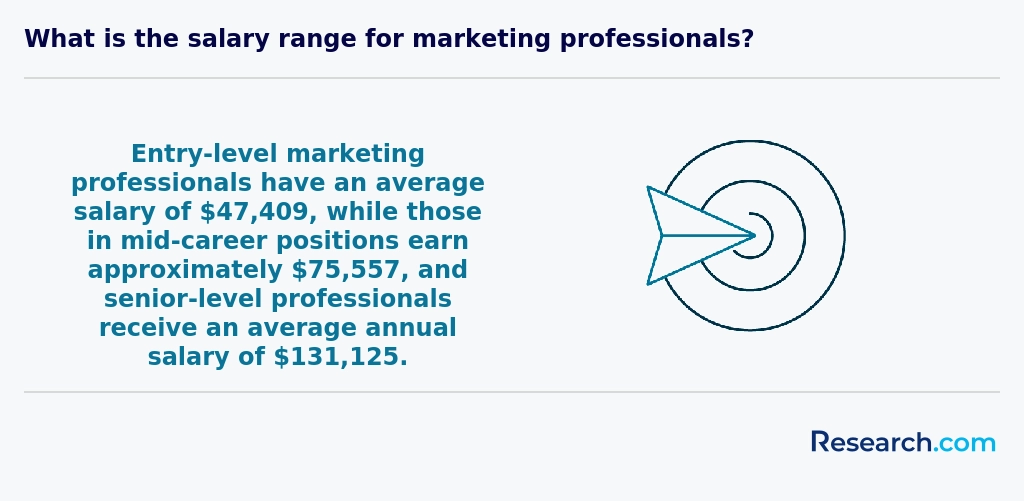
Assessing the return on investment (ROI) for a Marketing degree in Chicago means comparing total educational costs against projected earnings and career advancement. On average, in-state tuition and fees for a four-year bachelor’s program run about $10,740 per year, while out-of-state students pay roughly $27,560 annually. Graduates report entry-level salaries near $50,000 and mid-career earnings approaching $75,000, resulting in a typical payback period of 3–5 years when factoring living expenses and opportunity costs. To refine your ROI calculation: • Total Cost of Attendance (TCO): Sum tuition, fees, books, and living expenses. • Expected Earnings Growth: Use median salaries for roles like Marketing Assistant ($78,880) and PR Specialist ($150,030). • Payback Period: Divide TCO by net annual income gain (post-tax salary minus living costs). • Net Present Value (NPV): Discount future earnings at a conservative rate (e.g., 3%) to account for inflation and risk. For students seeking lower tuition but solid returns, the Inexpensive Marketing Degree Programs Ranking in Saint Louis, MO offers a benchmark for comparing cost-effective alternatives. Additionally, consider program outcomes such as job placement rates, internship pipeline strength, and alumni network size, as these factors can significantly accelerate ROI. By combining quantitative ROI metrics with qualitative outcomes, you’ll make an informed decision that balances financial investment with long-term career value.
What financial aid is available to marketing degree students in Chicago?
Imagine landing a marketing degree in Chicago without drowning in debt-sounds like a dream, but it's quite real for many at schools like DePaul or Loyola. Federal aid is your starting line: completing the FAFSA opens doors to grants such as the Pell Grant, which can gift up to $7,395 that never needs to be repaid. One graduate recalls the relief of these funds covering a huge chunk of their tuition, freeing them to focus on branding projects instead of bills.
State support via the Illinois Monetary Award Program adds another cushion, averaging $4,500 yearly, easing tuition pains for Illinois residents at public universities like UIC. Scholarships tailored to marketing talent sprinkle in extra dollars-think hundreds to thousands-rewarding hustle and academic sparkle.
Some students tap into employer tuition assistance, turning day jobs into degree investments, while loans like Direct Subsidized and Unsubsidized Loans act as a safety net with decent interest rates and flexible payback, cushioning your climb toward those coveted marketing gigs in Chicago's bustling scene.
What are the prerequisites for enrolling in marketing degree program in Chicago?
Diving into a marketing degree program in Chicago means you'll first need to prove you've got the basics down-think of it as showing the city you're ready to play its dynamic marketing game. For undergraduates, schools like DePaul or Loyola look for a solid high school diploma and a GPA hovering around 2.5 to 3.0. Imagine the thrill of submitting your SAT or ACT scores, even if many programs are easing up on test requirements, though competitive spots still crave that proof of your knack for numbers and words.
Graduate hopefuls aiming for Northwestern or UChicago know the drill: a bachelor's degree-preferably business or marketing-and a compelling statement of purpose that tells your Chicago story. Letters of recommendation seal the deal, alongside GMAT or GRE scores if requested.
Graduates often share how mastering digital tools early, like analytics software or social media strategies, gave them confidence walking into Chicago's bustling marketing scene. It's not just grades; it's about readiness to innovate in this spirited city.
What courses are typically in marketing degree programs in Chicago?
Imagine diving into consumer behavior at a top Chicago university, where understanding why people choose a latte over tea feels like decoding the city's vibrant pulse. Graduates often recall how marketing research courses transformed their curiosity into sharp analytical skills-sifting through data like detectives piecing together a campaign's success story. In digital marketing classes, students at popular Chicago colleges unleash creativity, crafting social media strategies for local brands that buzz through neighborhoods as diverse as the city itself.
Advertising and promotion courses don't just teach theory; former students remember launching real campaigns, seeing their ideas light up screens and streets around town. Sales management and brand management classes ground you in the hustle, showing how iconic Chicago companies build lasting connections. With electives in ethical marketing and international trade, plus hands-on internships across the city's dynamic market, these courses don't just educate-they immerse you in Chicago's exhilarating marketing ecosystem.
What types of specializations are available in marketing degree programs in Chicago?
Imagine diving into the buzzing marketing scene of Chicago, where a marketing degree offers a buffet of specializations. Graduates from schools like DePaul University embrace digital marketing, mastering social media campaigns and analytics that pulse through Chicago's tech veins. Others find their rhythm in marketing analytics, wielding data like wizards in a city famed for finance and big data. You'll also see peers thriving in brand management, sculpting narratives that resonate deeply with consumers across Chicago's diverse neighborhoods.
Sales and business development experts from Loyola University Chicago thrive by crafting client relationships in Chicago's vast corporate landscape, while those enchanted by human psychology explore consumer behavior to design campaigns that truly connect. Integrated marketing communications juggle advertising, PR, and promo magic, syncing perfectly with Chicago's multi-channel business fabric. These marketing degree specializations in Chicago are crafted for real-world wins-fueling careers and passions alike. Curious about the salary for digital marketing careers? It's a vibrant field with rewarding prospects.
How do you choose the best marketing degree in Chicago?
Choosing the best marketing degree in Chicago feels like navigating a bustling street market - vibrant, full of options, but needing a keen eye. Imagine walking past the University of Illinois at Chicago's College of Business Administration, where graduates rave about hands-on projects rooted in Chicago's fierce retail and tech scenes. Their stories highlight how accreditation by AACSB means they're not just learning theory but mastering skills companies actually crave. For those hunting affordable marketing colleges in Chicago, it's crucial to balance cost and opportunity; many students find scholarships that ease financial strains, making dreams feasible without drowning in debt.
Picture sitting in a course exploring social media blitzes crafted for local startups or crunching data from Chicago's finance firms - that's the pulse of curriculum relevance here. Graduates often recall internships that plugged them directly into Chicago's swirling job market, boosting confidence and network ties. For deeper savings and alternative program formats, students check out listings like the Inexpensive Marketing Degree Programs Ranking in Saint Louis, MO to weigh options beyond city limits.
What career paths are available for marketing degree students in Chicago?
Graduates with a marketing degree in Chicago dive into a bustling world of possibilities, from steering brand identities on Michigan Avenue to mastering digital campaigns that light up the Windy City's skyline. Picture a graduate from a top Chicago college crafting viral social media strategies for local startups, while another thrives as a market research analyst unraveling consumer patterns at a major retail firm. This vibrant city's blend of Fortune 500 headquarters and innovative tech hubs fuels dynamic roles like advertising executives and public relations specialists, making marketing degree job opportunities in Chicago feel like opening doors to endless adventure.
Many grads find themselves navigating coveted sales manager positions, creatively blending data insights learned through hands-on projects at popular universities with Chicago's unique urban pulse. Others launch careers in digital marketing, riding the wave of e-commerce growth in the city's bustling neighborhoods. For those weighing options, exploring the top 6-month associate degree programs online can be a savvy start, especially to jump-start a career.
What is the job market for marketing degree in Chicago?
Graduates with a marketing degree in Chicago step into a vibrant ecosystem where opportunity buzzes like the city's famous El trains. Imagine finishing your studies at a top college by Lake Michigan and walking into interviews at McDonald's or tech-savvy marketing agencies energized by Chicago's digital boom. The city's unique mix of corporate giants and innovative startups creates a magnetic pull for fresh talent, making marketing degree job opportunities in Chicago feel less like a job hunt and more like joining a bustling community.
Stories from marketing graduates often highlight how internships with nonprofits or the American Marketing Association's Chicago chapter seamlessly transition into full-time roles, turning networking events into doorways for success. Financially, starting salaries offer a solid foundation, ranging from $50,000 to $60,000, giving graduates the confidence to embark on careers filled with creativity and strategy.
For those exploring alternatives, Chicago universities balance competitive tuition with scholarships and work-study, inviting students to explore online programs for seniors and beyond while staying connected to this dynamic job market.
Frequently Asked Questions About marketing
Marketing degree students in Chicago can enhance their learning by engaging with the city's vibrant business community. Chicago hosts over 200 marketing firms, offering ample internship and networking opportunities that connect students to real-world experiences. According to the Chicago Economic Development Corporation, internships increase the likelihood of job placement by 60%.
Utilizing resources like local marketing conferences, such as the annual Chicago Marketing Summit, allows students to stay current on industry trends and build professional contacts. Additionally, many Chicago universities collaborate with businesses on case studies, giving students practical problem-solving skills.
Students should also take advantage of Chicago's diverse demographic data to develop targeted marketing strategies, a critical skill in today's market landscape.
The marketing field is evolving rapidly, with several emerging niches gaining traction, especially in cities like Chicago. One key area is digital analytics, where professionals use data to drive marketing strategies. According to the U.S. Bureau of Labor Statistics, digital marketing jobs are expected to grow by 23% through 2031, reflecting strong demand in Chicago's vibrant business sector.
Social media marketing remains a dominant niche, focusing on engagement and brand development through platforms like Instagram and TikTok. Chicago's diverse demographics create unique opportunities for targeted campaigns.
Another growing niche is experiential marketing, which emphasizes live events and immersive brand experiences, supported by Chicago's robust event industry. Additionally, content marketing and influencer marketing continue to expand, driven by digital media trends.
After earning a marketing degree in Chicago, it is crucial to build a strong professional network to improve job prospects. Chicago's vibrant business scene includes marketing hubs like digital agencies and large corporations, offering numerous internship and entry-level opportunities. According to the Greater Chicago Marketing Association, about 70% of marketing jobs are secured through professional connections and internships.
Additionally, graduates should develop digital skills such as SEO, data analytics, and social media marketing, which are highly valued by employers in Chicago's tech-forward market. Certifications from platforms like Google or HubSpot can enhance credibility.
Attending local industry events and career fairs, such as those hosted by the Illinois Marketing Executive Network, helps graduates stay informed about job openings and trends.
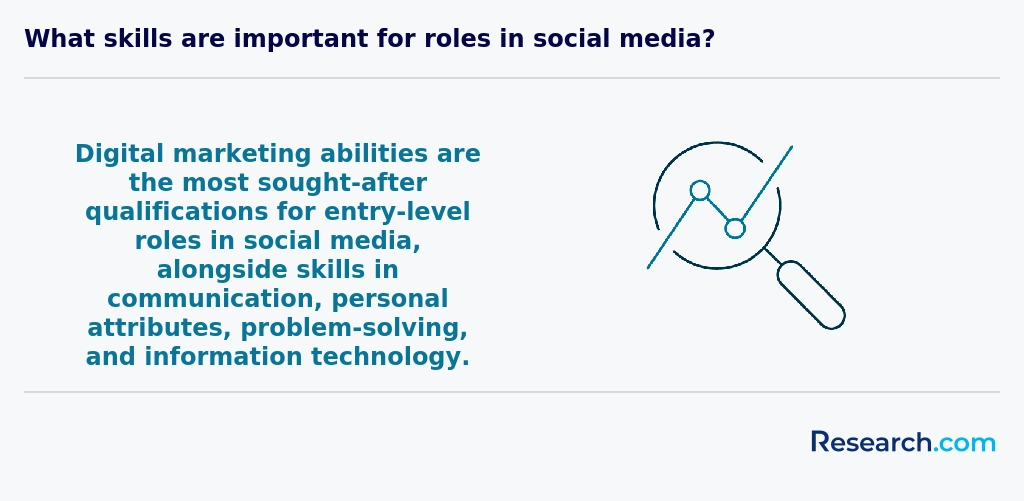
Employers in Chicago seek marketing graduates equipped with strong digital marketing skills, reflecting the city's vibrant business landscape. Knowledge of SEO, content creation, and social media management ranks highly, according to the 2023 Chicago Marketing Association report. Analytical abilities are crucial; candidates should confidently interpret data using tools like Google Analytics or Tableau to support marketing decisions.
Communication remains vital, as marketing roles often involve cross-team collaboration and client interaction. Additionally, creativity and problem-solving skills help graduates adapt to Chicago's diverse and competitive market environment. Employers also value familiarity with CRM software and project management tools to streamline campaigns efficiently.
Finding internships in Chicago relevant to a marketing degree involves leveraging local resources and networks. The city hosts numerous marketing agencies, corporations, and startups, offering over 4,000 marketing-related internships annually, according to data from the Chicago Workforce Partnership. Students should start by utilizing university career centers, which often have exclusive internship listings and connections with Chicago-based employers.
Additionally, platforms like Handshake and LinkedIn, tailored for student job searches, are valuable tools to locate internships. Participating in Chicago marketing meetups and industry events can also open doors to opportunities through networking. Companies such as Morningstar, Gogo, and Discover Financial Services commonly offer marketing internships in Chicago.
A marketing degree significantly enhances career mobility and advancement opportunities in Chicago's competitive job market. Employers in Chicago value candidates with formal marketing education, as the city hosts a diverse range of industries requiring advanced marketing skills, including finance, technology, and healthcare.
According to the U.S. Bureau of Labor Statistics, marketing managers in the Chicago metropolitan area earned a median annual wage of $137,540 in 2023, notably higher than the national average. This wage premium reflects the importance of specialized knowledge and credentials for career growth.
Furthermore, possessing a marketing degree can open doors to leadership roles. Many Chicago companies promote degree holders faster due to their deep understanding of market analytics, digital strategies, and consumer behavior.
Building a professional network in Chicago's marketing scene is also easier for graduates, especially through local industry associations and university alumni connections, which can lead to better job prospects and career advancement.
Studying for a marketing degree in Chicago offers access to a curriculum designed to integrate knowledge from various fields such as business, psychology, data analytics, and communication. Chicago universities emphasize practical learning, often collaborating with local industries, which enriches students' exposure to real-world interdisciplinary challenges.
According to the Illinois Board of Higher Education, many programs include courses in digital media, consumer behavior, and statistical analysis, equipping students to work across departments like sales, product development, and IT. Chicago's diverse economy, spanning finance, manufacturing, and tech, provides a fertile environment to apply marketing skills in different contexts.
Local internships and networking opportunities through Chicago's Chamber of Commerce also enable students to build connections across professions, preparing them for multifaceted roles post-graduation.
Choosing between a thesis and a non-thesis marketing degree program in Chicago depends on your career goals and interests. A thesis option usually involves conducting original research, which can benefit those aiming for academic or research-based careers. According to the National Center for Education Statistics, thesis programs often require more time but develop strong analytical skills.
Non-thesis programs tend to focus on practical skills through coursework and internships, appealing to professionals targeting immediate entry into Chicago's dynamic marketing industry. With Chicago's marketing sector growing by 7% annually (Bureau of Labor Statistics, 2023), hands-on experience is highly valued.
Consider your learning style, time commitment, and whether you plan to pursue further graduate studies when making this decision.
Students based in Chicago who wish to study marketing abroad have several routes to consider through U.S. higher education programs. Many Chicago universities, such as the University of Illinois at Chicago and DePaul University, offer study abroad partnerships with institutions worldwide. These programs enable marketing students to spend a semester or academic year overseas, gaining international business perspectives.
Options often include exchanges in Europe, Asia, and Latin America, focusing on global marketing trends and consumer behavior. According to the Institute of International Education, nearly 12% of U.S. marketing majors participate in study abroad, with a growing interest in emerging markets.
Scholarships and financial aid for study abroad are usually available to help offset costs. Additionally, students can explore short-term international internships related to marketing, enhancing practical experience while studying abroad.
Chicago offers diverse part-time job opportunities that complement a marketing degree education. Many students find internships or roles in digital marketing agencies, gaining hands-on experience in SEO, content creation, and social media management. According to the U.S. Bureau of Labor Statistics, Chicago's marketing specialist jobs are projected to grow 10% through 2032, showing robust local demand.
Retail marketing positions in major Chicago malls provide practical experience in consumer behavior and promotional strategies. Additionally, event promotion roles, common in Chicago's busy conference and festival scenes, help develop skills in brand activation and market research. Local startups often seek marketing interns, giving students real-world exposure in dynamic environments.
Marketing students in Chicago benefit from a variety of networking opportunities that connect them to the city's vibrant business community. Chicago hosts numerous marketing and advertising events, such as those organized by the American Marketing Association's Chicago chapter, which attracts over 2,000 professionals annually. These events include workshops, speaker series, and career fairs specifically designed for students. Major universities also collaborate with local businesses, offering internships and live projects that foster real-world connections. Additionally, Chicago's diverse economy-with strong sectors in finance, retail, and technology-provides students access to internships and entry-level roles critical for building a professional network early in their careers.
Alumni networks provide significant advantages for marketing degree students in Chicago by offering access to a broad community of professionals in one of the nation's largest marketing hubs. According to the U.S. Bureau of Labor Statistics, Chicago is among the top metropolitan areas for marketing jobs, with thousands of opportunities annually. Connecting with alumni can lead to mentorship, internship opportunities, and job referrals in local agencies and corporations.
Many Chicago universities maintain active alumni groups that host networking events and workshops. These platforms help students gain industry insights and build relationships with experienced marketers. Research from the National Association of Colleges and Employers shows that alumni connections increase hiring chances by up to 30% in competitive fields like marketing.
Customizing a marketing degree program in Chicago involves selecting courses and experiences that align with your career goals. Many local universities offer flexible curricula, allowing students to choose concentrations such as digital marketing, brand management, or market research. Electives that focus on data analytics or consumer behavior can enhance your skills in high-demand areas.
Internships with Chicago-based companies provide practical experience and networking opportunities in the city's robust marketing sector, including firms like McDonald's and Allstate. According to the Illinois Department of Employment Security, marketing roles in Chicago are expected to grow 6% through 2028.
Additionally, certifications in tools like Google Analytics or HubSpot can be integrated alongside your degree to boost employability. Tailoring your program with these options helps align academic studies with real-world marketing demands.
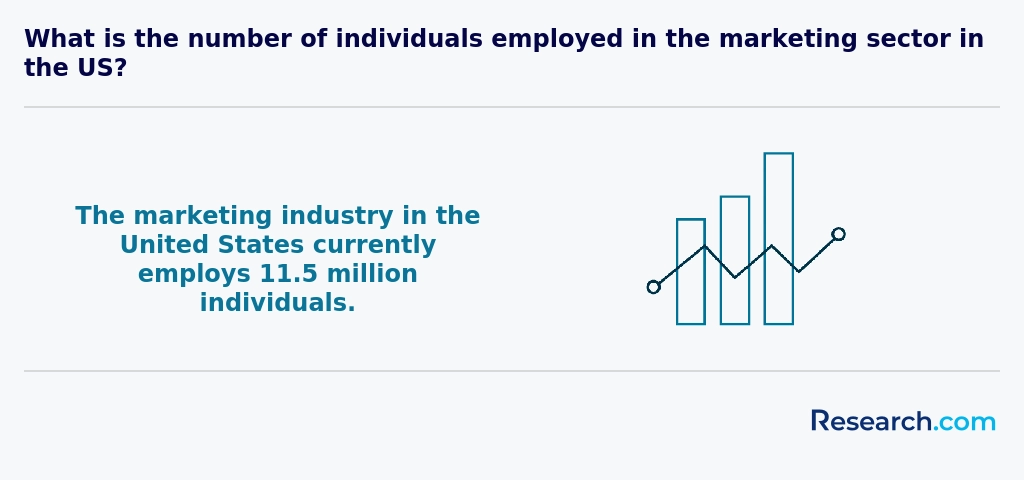
Marketing students in Chicago often face challenges tied to the city's competitive job market. With Chicago hosting over 27,000 marketing-related jobs as of 2023 (U.S. Bureau of Labor Statistics), students must distinguish themselves through practical experience and strong portfolios.
Many students find balancing internships alongside coursework difficult, as local companies expect substantial real-world skills. Additionally, navigating diverse consumer markets in Chicago requires an understanding of multicultural marketing strategies, which some programs may not fully emphasize.
Cost of education is another obstacle; average tuition for marketing degrees in Chicago ranges from $15,000 to $40,000 annually, posing financial strain without sufficient scholarships or aid (College Board, 2023). Lastly, keeping pace with rapidly evolving digital marketing tools demands continuous self-learning beyond traditional curricula.
With a marketing degree in Chicago, graduates can enhance their careers by pursuing several respected professional certifications. One popular option is the Certified Marketing Professional (CMP) offered by the American Marketing Association, which is widely recognized in the U.S. job market. Another valuable certification is the Certified Digital Marketing Professional (CDMP) from the Digital Marketing Institute, reflecting expertise in online marketing strategies.
Additionally, the Google Analytics Individual Qualification is highly relevant due to Chicago's increasing focus on data-driven marketing roles, as noted in reports by the Illinois Department of Employment Security. These certifications help validate skills and often lead to higher salaries in the competitive Chicago marketing industry.
To write a winning application for a marketing program in Chicago, start by clearly demonstrating your passion for marketing. Admissions committees look for candidates who show genuine interest and understanding of marketing trends, especially in dynamic markets like Chicago, a hub for diverse industries.
Highlight any relevant experience such as internships, projects, or work tied to Chicago's strong advertising and digital media sectors. According to the Chicago Marketing Association, local demand for digital marketing skills has grown by over 15% in recent years, making practical experience valuable.
Showcase your academic strengths by emphasizing coursework or certifications in areas like consumer behavior or data analytics, which Chicago programs highly value. Finally, tailor your personal statement to reflect how studying marketing in Chicago aligns with your career goals.
The global perspective on a marketing career highlights increasing demand for professionals skilled in digital strategies, data analysis, and cross-cultural communication. In the United States, marketing roles are growing faster than average, with the U.S. Bureau of Labor Statistics projecting an 8% growth from 2022 to 2032.
For Chicago students, this is significant because the city ranks as a major marketing hub, hosting headquarters of global companies such as McDonald's and Motorola Solutions. According to the Chicago Marketing Association, there is a rising focus on integrating international market trends and consumer behavior into local marketing practices.
Furthermore, a marketing degree provides skills applicable worldwide, making graduates competitive for roles beyond Chicago, including in emerging global markets.
Gaining practical experience while studying for a marketing degree in Chicago can significantly enhance your job prospects. Many universities in the city offer internship programs that connect students with leading marketing firms and companies. For example, according to the Chicago Network, over 70% of marketing students in Chicago participate in internships before graduation. These internships provide hands-on experience in areas like digital marketing, market research, and brand management.
Additionally, Chicago's vibrant business environment offers numerous part-time opportunities and cooperative education (co-op) programs. Networking events and marketing clubs at universities also help students build industry connections. Utilizing these resources allows students to apply classroom knowledge in real-world settings effectively.
Choosing the right concentration within a marketing degree program in Chicago requires understanding your career goals and the local market demands. Chicago's diverse economy supports fields like digital marketing, brand management, and data analytics, making these common concentrations.
Research from the Chicago Urban League highlights a 12% growth in digital marketing roles locally from 2020 to 2023. Concentrations in analytics and social media management offer strong job prospects. Additionally, consider programs offering internship opportunities with Chicago's marketing firms to gain practical experience.
Evaluate concentrations' curricula to ensure alignment with your skills and interests. For example, if you enjoy consumer behavior, a concentration in market research might suit you.
Related Marketing Rankings for Nearby Cities
- 2027 Most Valuable Marketing Degree Programs Ranking in Milwaukee
- 2027 Most Valuable Marketing Degree Programs Ranking in Grand Rapids
- 2027 Most Valuable Marketing Degree Programs Ranking in Indianapolis
- 2027 Most Valuable Marketing Degree Programs Ranking in Dayton
- 2027 Most Valuable Marketing Degree Programs Ranking in Cincinnati
- 2027 Most Valuable Marketing Degree Programs Ranking in Saint Louis
- 2027 Most Valuable Marketing Degree Programs Ranking in Columbus
- 2027 Most Valuable Marketing Degree Programs Ranking in Cleveland
- 2027 Most Valuable Marketing Degree Programs Ranking in Saint Paul
- 2027 Most Valuable Marketing Degree Programs Ranking in Minneapolis
Top Trending Marketing Rankings
See What Experts Have To Say About Studying Marketing
Read our interview with Marketing experts

Aidin Namin, Ph.D.
Marketing Expert
Associate Professor of Marketing Analytics
Loyola Marymount University

John R. Meindl
Marketing Expert
Adjunct Assistant Professor of Marketing
Hofstra University

References
- Academic Challenges of Marketing Students - Blog – Expert Tips & Insights for Students https://affordableassignments.co.uk/blog/academic-challenges-of-marketing-students/
- Career Goals: 17 Inspirational Examples for you in 2026 https://www.imd.org/blog/learning-and-development/career-goals/
- The guide to marketing and marketing jobs: Everything I wish I had known when I started | The Marketing Meetup https://themarketingmeetup.com/blog/the-guide-to-marketing/
- Outstanding Job Application Letter for Marketing Manager | Cover Letter Copilot https://coverlettercopilot.ai/blog/job-application-letter-marketing-manager
- Why study marketing? Discover 7 compelling reasons https://isc.strath.ac.uk/blog/why-study-marketing
- 15 Marketing Certifications to Build Must-Have 2025 Skills https://www.cmswire.com/digital-marketing/10-marketing-certifications-that-can-help-you-earn-a-better-salary/
- Digital Marketing Major https://www.kozminski.edu.pl/en/digital-marketing-major
- Marketing Program https://cod.edu/academics/areas/business/marketing.html
- Business and Marketing Programs https://www.isepstudyabroad.org/programs/by-field-of-study/business-and-marketing-programs
- What Are Market Niches? Includes Benefits And Expert Insights https://seekmarketingpartners.com/digital-marketing-blog/what-are-market-niches/