2027 Most Affordable Marketing Degree Programs Ranking in New Jersey

Co-Founder and Chief Data Scientist
Choosing the right marketing degree program in New Jersey can feel overwhelming, especially when budget matters. To help, this article presents the 2027 Most Affordable Marketing Degree Programs Ranking in New Jersey, created by the Research.com team of data scientists.
By exploring this ranking, you'll gain clear insights into cost-effective options that align with your goals. Earning a marketing degree opens doors to exciting career opportunities, and finding an affordable path makes that journey even more attainable. Dive in to discover programs worth considering for your future success.
Key benefits of getting marketing degree in New Jersey
- Marketing degree graduates in New Jersey can earn competitive salaries, such as $83,190 annually for roles like Marketing Assistant or Digital Marketing Specialist, and up to $159,420 for a Public Relations Specialist.
- Graduates from popular New Jersey universities often explore diverse careers including sales, media planning, and digital marketing, providing many exciting opportunities to grow professionally.
- Online marketing degrees from New Jersey schools offer flexibility and convenience, allowing students to balance work and study while gaining the same valuable skills as traditional programs.
- Key benefits of getting marketing degree in New Jersey
- What can I expect from marketing degree in New Jersey?
- Where can I work with marketing degree in New Jersey?
- How much can I make with marketing degree in New Jersey?
- 2027 Most Affordable Marketing Degree Programs Ranking in New Jersey
- Key Findings
- How long does it take to complete marketing degree in New Jersey?
- Industry Trends and Future Outlook
- What's the difference between online and on-campus marketing degree?
- Campus Life, Networking, and Career Development
- What is the average cost of marketing degree in New Jersey?
- What financial aid is available to marketing degree students in New Jersey?
- What are the prerequisites for enrolling in marketing degree program in New Jersey?
- Comparison with Other States: Exploring Affordable Alternatives
- What courses are typically in marketing degree programs in New Jersey?
- What types of specializations are available in marketing degree programs in New Jersey?
- How do you choose the best marketing degree in New Jersey?
- What career paths are available for marketing degree students in New Jersey?
- What is the job market for marketing degree in New Jersey?
- Related Marketing Rankings for Nearby States
- Top Trending Marketing Rankings
- See What Experts Have To Say About Studying Marketing
What can I expect from marketing degree in New Jersey?
Wondering what you'll pay for a marketing degree in New Jersey? On average, tuition can range from about $10,000 a year at public universities to $30,000 or more at private colleges. For example, marketing students at popular New Jersey schools often talk about balancing the cost with great internship opportunities in nearby NYC or Philly, which really helps them feel like their investment is paying off.
Graduates from some well-known colleges share how hands-on projects with local businesses made their time worth every penny-turning theory into real experience. Because New Jersey's colleges mix traditional marketing with cool modern stuff like social media and data analytics, many students find themselves really pumped about learning skills that land them strong jobs afterward.
Plus, with state resources and career services backing you up, many feel confident that even if the price tag looks steep up front, the connections and job placement support make it all feel pretty doable and worthwhile.
Where can I work with marketing degree in New Jersey?
With a marketing degree from schools like Rutgers or Montclair State, you're stepping into a world full of cool job options right here in New Jersey. Think about working as a digital marketing specialist for a local startup in Jersey City, where your content creation and social media skills really shine. Or imagine landing a gig as a brand manager at one of the big players in Newark's finance sector, helping them connect with clients in creative ways.
Graduates often find themselves at companies like Johnson & Johnson in New Brunswick, using their marketing know-how to launch new healthcare products and craft patient-friendly campaigns. If you're more into research, roles like market research analyst pop up in Princeton and beyond, letting you dive deep into consumer trends. Plus, public relations agencies and nonprofit organizations around the state love fresh marketing grads who understand the nitty-gritty of strategic communication.
Many students from New Jersey colleges share how exciting it is to jump right into these dynamic fields without leaving the state. The blend of big city vibes with local opportunities makes it a great place to kickstart your career and feel confident about where your marketing degree can take you.
How much can I make with marketing degree in New Jersey?
If you're studying marketing in New Jersey, you're looking at some pretty solid earning potential. Graduates from schools like Rutgers or Montclair State often start out in roles like digital marketing specialists or media planners, where the mean annual wage clocks in around $83,190. That's a nice step up from entry-level jobs elsewhere and reflects the strong demand in the state.
Some grads move into positions like marketing assistants, which pay about the same, around $83,190 a year, giving you a great foundation. If you're aiming higher, public relations specialist roles-sometimes pursued by marketing majors-average a sweet $159,420. Plenty of New Jersey graduates have told me how internships in cities like Newark or Jersey City helped them land these well-paying gigs quickly.
Even sales associate positions offer about $53,280 annually, which is not bad for starting out while you figure out your next marketing move. The mix of industries here-from finance to pharmaceuticals-means you've got plenty of options to find your niche and build a career that pays off.
2027 Most Affordable Marketing Degree Programs Ranking in New Jersey
How do we rank schools?
Investing in your education is a significant decision that can shape your future, and the Research.com team understands the importance of making informed choices. To support prospective students in New Jersey, we have carefully developed the "2027 Most Affordable Marketing Degree Programs Ranking in New Jersey." Our dedication to quality, credibility, and accuracy is demonstrated through rigorous research and analysis behind this ranking.
We utilized the following reputable data sources to ensure a comprehensive evaluation of marketing degree programs:
By exploring this ranking, readers will gain valuable insights into the most affordable marketing degree options in New Jersey, empowering them to make well-informed educational decisions. For more details on our methodology, please visit our Research.com methodology page.
# 1 position
Thomas Edison State University
Bachelor of Science in Business Administration in Marketing


# 8 position
Berkeley College-Woodland Park
Bachelor of Science in Marketing


# 15 position
Fairleigh Dickinson University-Florham Campus
BA in Marketing


# 18 position
Fairleigh Dickinson University-Metropolitan Campus
Master of Business Administration in Marketing

Key Findings
- In-state tuition at public universities in New Jersey for marketing programs ranges from $12,000 to $15,000 per year.
- Private colleges in New Jersey often charge over $30,000 annually for marketing degrees.
- Entry-level marketing jobs in New Jersey pay about $50,000 per year, with salaries rising to around $85,000 within ten years.
- Key industries providing marketing jobs include pharmaceuticals, finance, telecommunications, retail, tourism, and hospitality.
- Many New Jersey colleges offer internships and cooperative education programs to help students gain practical experience.
- Accreditation from regional or specialized business bodies is important for ensuring program quality and improving job prospects.
How long does it take to complete marketing degree in New Jersey?
Most students studying marketing in New Jersey find themselves wrapping up their degree in about four years if they're going full-time. Think of someone at Rutgers or Montclair State-most grads there complete around 120 to 130 credits, fitting right into that usual timeline. It's pretty standard and kind of what anyone would expect from a typical four-year bachelor's program.
But here's the cool part: if you're juggling work or other stuff and go part-time, it might stretch to five or six years. On the flip side, some schools offer accelerated tracks-so if you're pumped and ready for extra classes, you could snag that degree in about three years by hitting summer sessions or overloading semesters.
Plus, if you've already earned some college credits or an associate degree at a community college in New Jersey, you can transfer those over and finish faster-sometimes in just two or three years at places like Kean University or William Paterson. Plenty of grads love how that smooth transfer cut down their time and saved some stress.
Industry Trends and Future Outlook
The marketing field in New Jersey is being reshaped by rapid technological advancements and shifting consumer behaviors, making it essential for graduates to understand current trends and anticipate future opportunities. As organizations increasingly leverage data-driven decision-making, roles focusing on predictive analytics and marketing automation are on the rise. According to the U.S. Bureau of Labor Statistics, positions such as market research analysts and data-driven marketing specialists are projected to grow by 6% through 2032, underscoring the demand for professionals who can translate complex datasets into actionable strategies. Key trends shaping the industry include:
- Artificial Intelligence and Machine Learning: Predictive analytics, chatbots, and personalized content delivery are revolutionizing customer engagement.
- Video and Interactive Content: Short-form videos and immersive experiences (AR/VR) are becoming crucial for capturing audience attention on platforms like Instagram, TikTok, and emerging social commerce channels.
- Personalization and Customer Experience: Tailored messaging driven by real-time behavioral data is now a baseline expectation, with brands investing heavily in CRM platforms and loyalty programs.
- Voice Search and Smart Assistants: Optimizing content for voice queries and smart devices is a growing specialization, requiring proficiency in natural language processing (NLP) and semantic SEO.
- Data Privacy and Ethical Marketing: With regulations such as GDPR and CCPA, marketers must balance personalization with compliance, driving the need for expertise in ethical data collection and management. To stay competitive, New Jersey marketing graduates should consider continuous upskilling in areas like AI-driven analytics, UX design, and omni-channel campaign management. For those seeking flexible options to master digital skills remotely, pursuing an online marketing degree can provide cutting-edge curriculum on social media strategy, SEO best practices, and marketing technology platforms. By aligning their education with these emerging trends, graduates will be well-positioned to lead innovative campaigns and drive measurable ROI for employers in the dynamic marketing landscape of 2024 and beyond.
What's the difference between online and on-campus marketing degree?
If you're thinking about a marketing degree in New Jersey, the biggest difference between online and on-campus programs is how you experience learning. On-campus students at places like Rutgers or Montclair State dive into lively classrooms, group projects, and get face-time with professors. They love the buzz of campus life and the easy access to internships through university connections. It's great for those who thrive in social settings and want immediate support from advisors.
Online students enjoy a totally different vibe-flexibility is the name of the game. Many grads say studying remotely lets them juggle work, family, or other commitments without sacrificing their education. These programs, often a bit cheaper, offer the same core marketing courses but all via digital platforms. You get to control your schedule, which is a lifesaver if your day is packed. It's perfect if you're self-motivated and comfy with virtual chats and teamwork.
Both paths hold solid value here in New Jersey, just depend on whether you prefer in-person energy or the freedom of online learning.
Campus Life, Networking, and Career Development
A key element often overlooked in program rankings is the vibrant campus life and powerful networking opportunities that complement academic learning. In many New Jersey marketing programs, students not only gain theoretical and practical knowledge but also experience a dynamic community environment that fosters collaboration, mentorship, and growth. Beyond the classroom, extracurricular groups, industry panels, and on-campus events provide numerous avenues to connect with faculty, alumni, and industry professionals. Such interactions often lead to internships, job referrals, and insights that give students a competitive edge in the job market. Many institutions actively cultivate these opportunities by partnering with local businesses and organizing career fairs and networking nights, ensuring that students are well-prepared for the industry’s demands. For instance, by engaging with local meetups and using resources provided by the best marketing program in new jersey, students can tap into a wealth of experiences that bridge the gap between academic learning and real-world application. Embracing the full spectrum of campus life and networking can be as pivotal as academic excellence, setting the stage for long-term career success in the ever-evolving marketing landscape.
What is the average cost of marketing degree in New Jersey?
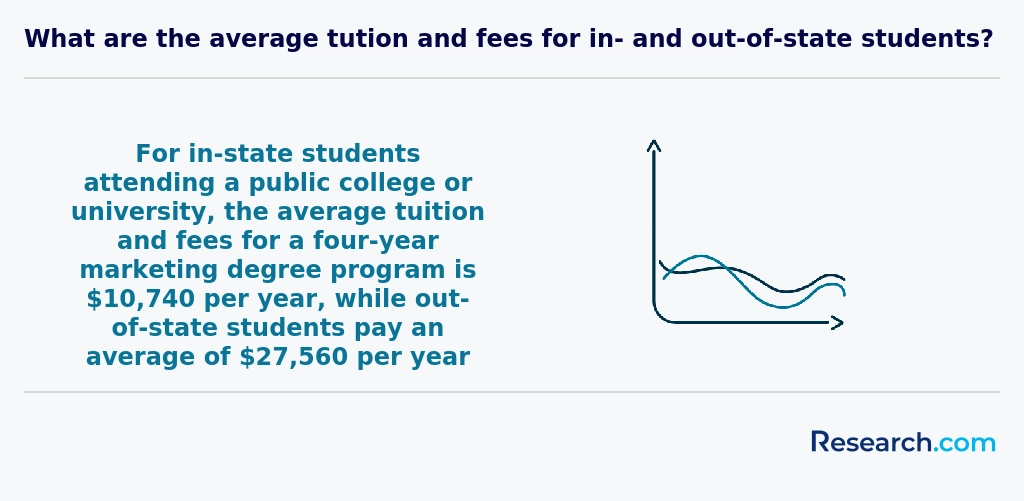
The average cost of earning a marketing degree in New Jersey typically falls around $37,632 for in-state students, which makes it a manageable investment for many local students. Many graduates from schools like Rutgers University or Montclair State University share how starting in a community college helped them save money before transferring to a four-year university. For example, attending Bergen Community College first kept tuition under $5,000 a year, making the whole path much more affordable.
While private colleges such as Seton Hall or Fairleigh Dickinson charge higher tuition-often surpassing $35,000 per year-these schools frequently offer scholarships and financial aid that can ease the burden. Students often mention feeling relieved when they discover aid options that reduce that upfront sticker shock, making those schools more within reach without compromising quality.
If you're weighing your options, it's great to consider programs that offer online classes, since many find the flexibility helps cut costs related to commuting and housing. Plus, budgeting for books, supplies, and living expenses is important since total costs can add up quickly. Many who've been through a marketing program in New Jersey say planning ahead financially made a big difference in managing expenses.
For those still deciding where to study or looking for the most affordable marketing programs New Jersey tuition-wise, checking out the best marketing program in new jersey rankings can be a helpful start in finding a school that suits both your goals and your budget.
What financial aid is available to marketing degree students in New Jersey?
If you're diving into a marketing degree in New Jersey, you're in luck-there's a bunch of financial aid options to help ease the cost. For starters, federal Pell Grants are a game-changer for many, offering up to $7,395 a year that you don't have to pay back. Plenty of marketing grads from Rutgers or Montclair State have told me how this seriously lightened their tuition load.
Then there's the New Jersey Tuition Aid Grant (TAG), which is pretty amazing if you're attending a public college in-state. Some students I know got nearly full tuition coverage through TAG, making studying business or marketing way less stressful financially.
On top of that, a lot of schools have merit and need-based scholarships specifically for marketing students-just ask anyone who snagged one at Montclair's College of Business and Public Service. Plus, federal student loans offer a safety net with better interest rates and flexible repayment plans than private loans, so you're not stuck with crazy debt right after graduating.
Don't forget about work-study or paid internships. Many marketing programs in NJ include these, letting you earn money while gaining real-world experience. It's a win-win that graduates from Rutgers rave about for shaping their careers without breaking the bank.
What are the prerequisites for enrolling in marketing degree program in New Jersey?
If you're thinking about diving into a marketing degree in New Jersey, the first step is having your high school diploma or GED ready to go. Most students attending well-known schools like Rutgers or Montclair State found that having solid grades in math, English, and social studies really gave them a leg up. It's kind of like prepping your toolbox before starting a new project-those subjects build the basics you'll need later on.
A lot of colleges here have dropped strict SAT or ACT requirements, making it way easier to apply without stressing over test scores. But it's smart to double-check with the school since policies can differ. Some grads from NJIT mentioned that taking a business or economics class beforehand helped them feel confident once marketing courses kicked off.
For international students, proving English skills with exams like TOEFL or IELTS is a must-this ensures you can communicate well, which is super important in marketing. Plus, some programs offer combined degrees that might ask for higher GPAs or specific prereqs, so it pays to plan ahead!
Overall, New Jersey schools want to make sure you're set up to succeed and have fun while doing it.

Comparison with Other States: Exploring Affordable Alternatives
While New Jersey offers a range of competitively priced marketing degree programs, prospective students seeking even lower tuition rates may consider programs in neighboring or out-of-region states. Comparing average in-state and out-of-state tuition, financial aid availability, and living costs across states can reveal significant savings without sacrificing program quality. For example, Arkansas institutions often feature lower overall tuition and fees, making them an attractive option for budget-conscious learners. To explore these alternatives, review our Low Cost Marketing Degree Programs Ranking in Arkansas, which details key metrics such as average tuition, available scholarships, and graduate outcomes. By examining multiple state rankings side by side, you can identify the best balance of affordability, curriculum rigor, and post-graduation success to match your career goals and financial needs.
What courses are typically in marketing degree programs in New Jersey?
If you're diving into a marketing degree in New Jersey, expect to take courses that really cover the essentials-and then some. Graduates from schools like Rutgers or Montclair State often highlight courses like Principles of Marketing, where they first get to grips with the marketing mix and how to spot different customer groups. It's kind of like learning the basics of a game before jumping in.
Courses like Consumer Behavior show why people buy what they buy, which is super useful when you want to create ads or campaigns that actually connect. Market Research Methods teach you how to gather and analyze real data, so you're not just guessing what works. And you can't forget Digital Marketing, which covers social media, SEO, and all things online-something every current student loves because it feels relevant to today's world.
Plus, classes on Sales Management and Marketing Analytics give you the tools to actually lead sales teams or use data smartly in those buzzing New Jersey industries, from finance down to retail. The hands-on feel is what makes studying here exciting and practical!
What types of specializations are available in marketing degree programs in New Jersey?
If you're diving into a marketing degree in New Jersey, you've got some cool specializations to choose from that really match what's happening in today's marketing world. For example, digital marketing is a hot pick, especially since so many businesses are going online. Graduates from Rutgers often rave about getting hands-on with SEO and social media campaigns, which makes job hunting way easier.
Another popular route is market research and analytics-perfect if you're someone who loves digging into data and figuring out what makes customers tick. At Montclair State University, students enjoy projects that connect them with local companies, giving real-world insights that textbooks don't cover. These New Jersey marketing program concentration options help you build skills employers are craving.
Also, don't forget about advertising and brand management or international marketing if you want something a bit more creative or global. It's easy to see why so many students stick around New Jersey after graduation, especially when they boosted their resume with internships from industries like Pharma or media.
For those wanting to explore flexible learning paths, checking out an online marketing degree might be a smart move.
How do you choose the best marketing degree in New Jersey?
Picking the best marketing degree in New Jersey means focusing on what really matters to you. Look for programs that dive into digital marketing, data analytics, and consumer behavior-stuff that grads say helped them land cool internships downtown or in NYC. Accreditation is another biggie; schools recognized by agencies like AACSB show their stuff, making your degree more respected when job hunting around New Jersey.
Cost-wise, tuition here can vary a lot. Some grads were grateful they found affordable marketing degree programs New Jersey offers, helping them avoid crazy debt. If money's tight, check out scholarships and grants too. Also, consider how close the school is to major cities because many students snag internships that lead to job offers in Philly or New York. That hands-on experience really pumps up your resume.
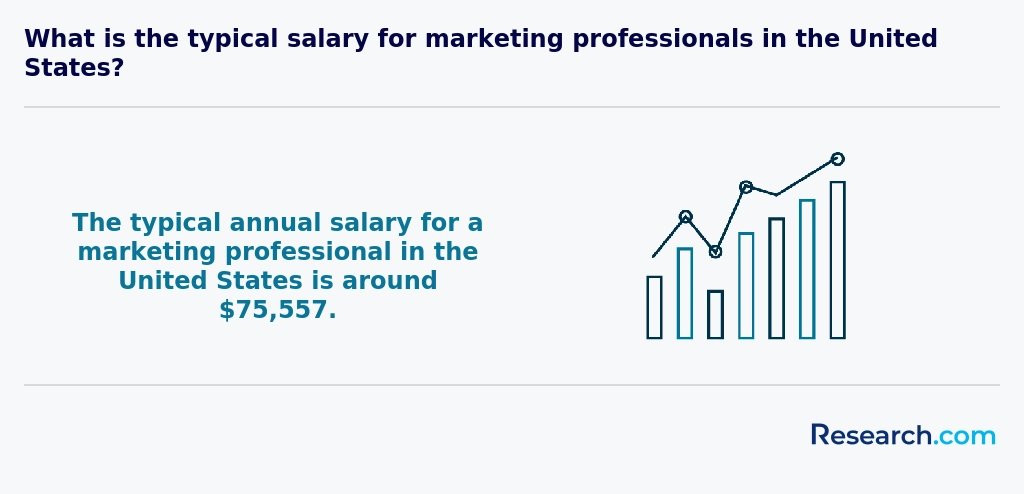
Many grads from popular local colleges emphasize the value of job placement rates and salary potential, with marketing pros in New Jersey earning a median of $135K. If budget's top of mind, check out this Low Cost Marketing Degree Programs Ranking in Arkansas for comparison and ideas.
What career paths are available for marketing degree students in New Jersey?
If you're thinking about jobs with marketing degree in New Jersey, you've got plenty of cool paths to explore. Graduates from popular schools like Rutgers or Seton Hall often find themselves diving into digital marketing, crafting social media campaigns or mastering SEO to help local businesses stand out. Others enjoy the creative buzz of brand management, shaping how companies connect with customers across the state's bustling industries.
Many grads get hands-on experience in market research analysis, turning data into smart marketing strategies for big pharmaceutical firms or finance companies nearby. Some take the lead in sales management, motivating teams to hit ambitious goals, while others thrive in advertising and promotions, designing engaging content that really grabs attention.
Plus, the New Jersey marketing degree career opportunities stretch from small startups to huge multinational firms, making it easy to find a role that fits your vibe. If you want to speed up your journey, check out the best accelerated degree programs that can jumpstart your career even sooner.
What is the job market for marketing degree in New Jersey?
The marketing job outlook in New Jersey is pretty encouraging, especially for grads from well-known schools like Rutgers or Montclair State. These graduates often share how landing roles in digital marketing or brand management feels exciting because New Jersey's diverse economy means there's always something happening, whether it's in pharmaceuticals, tech, or retail. With such a mix of industries, marketing degree employment opportunities are widespread, making it easier to find a niche that fits your vibe.
Many marketing grads appreciate how the local job market isn't just about steady pay-which tends to be above the national average-but also about access to strong professional networks. Internships and events around New Jersey, plus proximity to NYC and Philly, open doors to hands-on experiences that really boost resumes. For those figuring out the cost of school, New Jersey's public universities offer in-state tuition that helps manage expenses, making it a smart choice if you want a solid career without crushing debt.
And if you're wondering about which degree path to follow, exploring the easiest bachelor's degree to get might spark some ideas while still positioning you well in this growing field.
Frequently Asked Questions About marketing
Marketing degree students in New Jersey can maximize their learning experience by engaging actively with local industry resources. New Jersey hosts many marketing hubs, including companies in pharmaceuticals, technology, and finance, providing ample internship opportunities that bridge classroom knowledge with real-world applications.
Connecting with New Jersey marketing associations such as the American Marketing Association's New Jersey chapter offers networking events and workshops, which are valuable for career growth and skill development. According to the New Jersey Department of Labor, marketing roles in the state are expected to grow 8% through 2031, underscoring the need for practical experience alongside academic study.
Taking advantage of project-based courses at New Jersey colleges, which often collaborate with local businesses, can also enrich student expertise. Combining internships, networking, and hands-on projects forms a comprehensive approach to mastering marketing skills in this dynamic regional market.
The marketing field continues to evolve, with several emerging niches gaining traction, especially relevant to New Jersey students. One fast-growing area is digital marketing analytics, where professionals use data to optimize campaigns and improve customer engagement. According to the U.S. Bureau of Labor Statistics, roles related to marketing analysis are expected to grow by 22% nationally by 2032, highlighting strong job prospects.
Another important niche is social media marketing, which focuses on leveraging platforms like Instagram and TikTok for brand awareness. New Jersey's diverse economy and proximity to major metropolitan areas provide ample opportunities in this sector.
Content marketing and influencer partnerships also show growth, as brands seek authentic ways to connect with younger audiences. Additionally, sustainable marketing, emphasizing eco-friendly practices, is emerging in response to consumer demand. Overall, these niches reflect the dynamic nature of the marketing profession today.
After completing a marketing degree in New Jersey, preparing for the job market involves strategic steps to stand out in a competitive field. Building a professional network through internships is crucial; New Jersey offers access to marketing roles in industries like pharmaceuticals, finance, and retail. According to the New Jersey Department of Labor, marketing-related jobs are projected to grow by 7% through 2030, highlighting steady opportunity.
Graduates should develop digital skills such as SEO, social media marketing, and data analytics, as employers increasingly seek candidates proficient in these areas. Additionally, joining local marketing associations like the New Jersey Chapter of the American Marketing Association can provide valuable connections and professional development.
Strong resumes tailored to regional employers and active LinkedIn profiles help gain visibility. Taking advantage of on-campus career services and job fairs in New Jersey's universities further improves chances of employment in marketing roles.
Employers in New Jersey seek marketing degree graduates with a blend of analytical and creative skills. According to the New Jersey Department of Labor, strong communication abilities rank highly, as effective messaging drives successful campaigns. Technical proficiency in digital marketing tools, including social media platforms and data analytics software, is increasingly essential.
Problem-solving and adaptability are valued due to the fast-changing market trends in the state's diverse industries. Collaboration skills also matter, with many employers prioritizing teamwork in marketing departments. Additionally, knowledge of consumer behavior and local market dynamics helps graduates meet employer expectations in New Jersey's competitive business environment.
Finding marketing internships in New Jersey involves a mix of online research, networking, and leveraging local resources. Start by exploring job boards like Handshake and Indeed, which often list internship opportunities specific to New Jersey markets. Universities such as Rutgers and Montclair State have dedicated career centers that connect students to regional businesses offering marketing roles.
Many companies in New Jersey's growing pharmaceutical, telecommunications, and retail sectors seek marketing interns, making these industries good targets. According to the New Jersey Department of Labor, internships within the marketing field are increasing by approximately 5% annually, reflecting robust local demand.
Networking through LinkedIn and attending local marketing meetups can also uncover hidden internship opportunities not broadly advertised. Additionally, joining professional organizations like the American Marketing Association's New Jersey chapter provides access to events and mentorship programs, further supporting internship searches.
A marketing degree in New Jersey significantly enhances career mobility and advancement opportunities. According to the New Jersey Department of Labor, marketing professionals in the state enjoy a higher-than-average job growth rate, predicted at 6% from 2022 to 2032. This demand stems from New Jersey's diverse economy, including pharmaceuticals, finance, and technology sectors, all requiring skilled marketing experts.
Graduates often find they qualify for various roles, from digital marketing to brand management, enabling lateral movement and promotion. Employers value the combination of communication, analytics, and strategic skills taught in these programs for leadership positions.
Furthermore, New Jersey's proximity to major metropolitan hubs like New York City expands networking and employment options for marketing degree holders.
Studying for a marketing degree in New Jersey equips students with interdisciplinary skills by integrating principles from business, communication, technology, and data analysis. Universities often collaborate with local industries, giving students exposure to real-world marketing challenges across various sectors like finance, healthcare, and technology. According to the New Jersey Business & Industry Association, over 60% of businesses value graduates who can combine digital marketing expertise with analytical and strategic thinking.
Programs emphasize teamwork, problem-solving, and adapting marketing strategies to evolving consumer behaviors, reflecting multi-industry demands in the state's diverse economy. This approach prepares students to work effectively in roles that cross traditional departmental boundaries.
Choosing between a thesis and a non-thesis marketing degree program in New Jersey depends largely on your career goals and learning preferences. A thesis option typically suits students interested in research, academic careers, or pursuing a PhD, as it involves conducting original research and writing a formal document. Non-thesis programs offer more coursework and practical experiences, ideal for those seeking direct entry into marketing roles.
New Jersey's marketing sector is competitive, with a 2.1% job growth projected through 2030 according to the Bureau of Labor Statistics. Programs with internships or applied projects may better prepare students for this dynamic market. Public institutions like Rutgers University provide both options, allowing flexibility based on professional ambitions.
Students in New Jersey interested in studying marketing abroad can explore several pathways through university partnerships and exchange programs. Many New Jersey institutions, including Rutgers University and Montclair State, have established study abroad agreements with universities in Europe, Asia, and Latin America, allowing marketing students to gain international experience while earning credits.
According to the Institute of International Education, around 12% of U.S. marketing students participate in study abroad programs, with popular destinations including the United Kingdom and Spain. These options enable New Jersey students to understand global market trends and consumer behavior firsthand.
Financial aid and scholarships specific to study abroad are often available, reducing costs and encouraging wider participation.
Students pursuing marketing degrees in New Jersey can benefit from various part-time job opportunities that enhance their education and professional skills. Roles such as social media coordinator, retail marketing assistant, and content creator are popular choices. These positions provide practical experience in digital marketing strategies, customer engagement, and brand management.
According to the New Jersey Department of Labor, jobs in marketing-related fields are projected to grow by 6% through 2030, highlighting expanding opportunities for students. Internships with local advertising agencies and startups also offer invaluable hands-on learning, complementing academic knowledge with real-world application.
Working part-time in these roles helps build a professional network and develop skills highly valued by employers in the competitive marketing industry.
Marketing students in New Jersey benefit from diverse networking opportunities offered by local universities and professional organizations. Institutions like Rutgers University and Montclair State University host marketing clubs, guest lectures, and career fairs that connect students with industry professionals. According to the New Jersey Business & Industry Association, over 20% of members operate in marketing and advertising, offering ample internship and mentorship possibilities.
Students can join chapters of national groups such as the American Marketing Association (AMA), which holds regular events and workshops across New Jersey. Additionally, regional conferences, like those organized by the New Jersey Chapter of the Public Relations Society of America, provide valuable chances to build local industry contacts.
Alumni networks play an important role for marketing degree students in New Jersey by connecting them to professionals and job opportunities within the state's marketing industry. These networks often provide mentorship, internships, and job placement assistance, helping students gain practical experience and valuable insights.
According to the New Jersey Business & Industry Association, strong alumni connections can improve employment outcomes, with graduates using these networks to access positions at top local firms in cities like Newark and Jersey City. Additionally, alumni often share industry trends and continuing education resources tailored to New Jersey's evolving marketing landscape.
This support helps students build professional relationships and navigate career paths more effectively post-graduation.
Customizing a marketing degree program in New Jersey allows students to align academic learning with specific career goals. Many state colleges and universities offer electives in digital marketing, consumer behavior, or sales management, which can help tailor the program. Internships with local companies provide practical experience in industries thriving in New Jersey, such as pharmaceuticals and finance. Some schools also feature certificate options in areas like social media marketing or market research, adding specialized skills. According to the New Jersey Department of Labor, marketing roles in the state are projected to grow by 6% through 2030, highlighting the importance of targeted expertise.
Marketing students in New Jersey often face challenges related to balancing practical experience with theoretical learning. Many programs emphasize digital marketing trends, yet access to internships within the state's competitive markets can be limited. According to a 2023 New Jersey Department of Labor report, marketing internships grew by only 4% statewide, while national averages reached 7%. Students also encounter the challenge of keeping pace with rapidly evolving marketing technologies and tools, requiring continuous skill updates.
Additionally, tuition costs at New Jersey public universities average $13,500 annually for in-state students, which can strain budgets. Networking within New Jersey's diverse industries is essential but can be difficult due to high competition. Lastly, students must navigate the state's regulatory environment, particularly when dealing with marketing ethics and consumer data privacy.
With a marketing degree in New Jersey, graduates have various professional certification options to enhance their careers. Popular certifications include the Professional Certified Marketer (PCM), offered by the American Marketing Association, which validates expertise in digital marketing, content, and marketing management.
Another valuable credential is the Google Analytics Individual Qualification (IQ), a free certification demonstrating proficiency in analytics tools crucial for data-driven marketing roles. New Jersey's growing digital economy makes these skills highly relevant.
Additionally, certifications like the HubSpot Content Marketing Certification and Facebook Blueprint are well-regarded for social media and inbound marketing expertise. These certificates align well with New Jersey's increasing demand for marketers in tech and media sectors, supporting career advancement in the state's competitive job market.
When applying for a marketing degree program in New Jersey, start by highlighting your academic achievements and relevant experience. Many state colleges value a strong GPA, typically above 3.0, as marketing is a competitive field. Include any internships, part-time jobs, or volunteer work related to marketing or communications to demonstrate practical skills.
Focus on crafting a clear and compelling personal statement. Explain why marketing interests you and how studying in New Jersey aligns with your career goals, considering the state's vibrant business environment. According to the New Jersey Department of Labor, marketing job growth is projected at 8% through 2030, signaling opportunities for graduates.
Additionally, request strong letters of recommendation from teachers or employers who can attest to your dedication and skills. Finally, pay close attention to application deadlines and provide all required documents promptly to improve your chances of acceptance.
The marketing profession is increasingly viewed as a global career with diverse opportunities. Graduates with marketing degrees from New Jersey can expect to engage with international markets, as companies seek professionals skilled in global consumer behavior and digital marketing strategies. According to the U.S. Bureau of Labor Statistics, marketing managers in the U.S., including New Jersey, earn a median annual wage exceeding $140,000, reflecting strong demand for expertise linked to worldwide trade and cross-cultural communication.
New Jersey's strategic location near major ports and financial centers enhances exposure to global business trends. Marketing professionals here often collaborate with multinational corporations to tailor campaigns for different cultural markets.
As digital technologies connect markets worldwide, marketers must understand global social media trends and data analytics. Academic programs in New Jersey increasingly incorporate international case studies and partnerships, preparing students for a globalized workforce, as reported by the National Center for Education Statistics.
Gaining practical experience while studying for a marketing degree in New Jersey is crucial for career readiness. Many institutions encourage students to participate in internships with local businesses, especially in cities like Newark and Jersey City, where marketing firms and startups are active. According to the New Jersey Department of Labor, internships can enhance job prospects by up to 60% for marketing graduates.
Students can also join campus marketing clubs or take part in case competitions, which simulate real-world marketing challenges. Additionally, some universities offer cooperative education (co-op) programs that integrate paid work terms into the curriculum.
Volunteering for nonprofit organizations or small businesses is another effective way to build a professional portfolio while studying.
Choosing the right concentration within a marketing degree program in New Jersey involves assessing your career goals and industry trends. Popular options include digital marketing, consumer behavior, and brand management. Digital marketing is a growing field due to New Jersey's proximity to major advertising hubs like New York City and Philadelphia.
Consider internships and job placement rates when selecting a concentration. According to the New Jersey Department of Labor, sectors like advertising and public relations are expected to grow by 8% through 2028, highlighting demand for specialized marketers.
Review course offerings carefully and seek programs that blend theory with practical experience. Research labor market data from sources such as the Bureau of Labor Statistics to better understand regional job opportunities linked to specific marketing focuses.
Related Marketing Rankings for Nearby States
- 2027 Most Affordable Marketing Degree Programs Ranking in New York
- 2027 Most Affordable Marketing Degree Programs Ranking in Maryland
- 2027 Most Affordable Marketing Degree Programs Ranking in Connecticut
- 2027 Most Affordable Marketing Degree Programs Ranking in Massachusetts
- 2027 Most Affordable Marketing Degree Programs Ranking in Kentucky
- 2027 Most Affordable Marketing Degree Programs Ranking in New Hampshire
- 2027 Most Affordable Marketing Degree Programs Ranking in Maine
- 2027 Most Affordable Marketing Degree Programs Ranking in Florida
- 2027 Most Affordable Marketing Degree Programs Ranking in Alabama
- 2027 Most Affordable Marketing Degree Programs Ranking in Missouri
Top Trending Marketing Rankings
See What Experts Have To Say About Studying Marketing
Read our interview with Marketing experts

John R. Meindl
Marketing Expert
Adjunct Assistant Professor of Marketing
Hofstra University

Aidin Namin, Ph.D.
Marketing Expert
Associate Professor of Marketing Analytics
Loyola Marymount University

References
- Study Marketing Abroad | Go Overseas https://www.gooverseas.com/study-abroad/marketing
- Careers in Marketing: What Can You Do with a Marketing Degree? https://www.mastersincommunications.com/faqs/careers-in-marketing
- Top 5 marketing skills employers are looking for in 2025 https://www.konkergroup.com/top-5-marketing-skills-employers-are-looking-for-in-2025/
- The guide to marketing and marketing jobs: Everything I wish I had known when I started | The Marketing Meetup https://themarketingmeetup.com/blog/the-guide-to-marketing/
- Women in marketing: Career growth through education | Esade https://www.esade.edu/beyond/en/women-marketing/
- Digital Marketing Major https://www.kozminski.edu.pl/en/digital-marketing-major
- Career Goals: 17 Inspirational Examples for you in 2026 https://www.imd.org/blog/learning-and-development/career-goals/
- How to Become an International Marketing Executive https://online.maryville.edu/online-bachelors-degrees/marketing/careers/international-marketing-executive/
- Kean Jersey City https://www.njcu.edu/academics/schools-colleges/school-business/departments/marketing
- Marketing Manager Salaries State-by-State https://www.allbusinessschools.com/marketing/salary/