2027 Most Affordable Healthcare Degree Programs Ranking in Tiffin

Co-Founder and Chief Data Scientist
Choosing the right healthcare degree program in Tiffin can feel overwhelming. To help, the Research.com team of data scientists created the 2027 Most Affordable Healthcare Degree Programs Ranking in Tiffin. This carefully designed ranking gives you clear insights into affordable options, making your decision easier and smarter.
Reading this article will guide you toward programs that fit both your budget and career goals. Earning a healthcare degree opens doors to meaningful work and a rewarding future. Explore your options with confidence and discover the path that's right for you.
Key benefits of getting healthcare degree in Tiffin
- Healthcare degree graduates in Tiffin can expect competitive salaries, such as Medical Assistants earning about $43,350 annually and Patient Care Technicians making around $60,790 per year, providing strong financial security.
- Career paths are diverse, with graduates from local colleges often moving into roles like Health Information Technicians or Clinical Research Coordinators, allowing flexibility to find a job that matches personal strengths and interests.
- Obtaining a healthcare degree online offers great convenience and saves time, as seen with online graduates from Tiffin schools who balance study with work or family, making education more accessible and stress-free.
- Key benefits of getting healthcare degree in Tiffin
- What can I expect from healthcare degree in Tiffin?
- Where can I work with healthcare degree in Tiffin?
- How much can I make with healthcare degree in Tiffin?
- 2027 Most Affordable Healthcare Degree Programs Ranking in Tiffin
- Key Findings
- How long does it take to complete healthcare degree in Tiffin?
- Return on Investment and Debt Analysis
- What's the difference between online and on-campus healthcare degree?
- Continuing Education & Career Advancement in Healthcare
- What is the average cost of healthcare degree in Tiffin?
- Campus Life and Student Support
- What financial aid is available to healthcare degree students in Tiffin?
- Return on Investment: Graduate Outcomes and Debt Management
- What are the prerequisites for enrolling in healthcare degree program in Tiffin?
- Campus Life and Student Support for Healthcare Students
- What courses are typically in healthcare degree programs in Tiffin?
- What types of specializations are available in healthcare degree programs in Tiffin?
- How do you choose the best healthcare degree in Tiffin?
- What career paths are available for healthcare degree students in Tiffin?
- What is the job market for healthcare degree in Tiffin?
- Top Trending Healthcare Rankings
- See What Experts Have To Say About Studying Healthcare
What can I expect from healthcare degree in Tiffin?
If you're diving into a healthcare degree in Tiffin, expect tuition costs to be surprisingly affordable compared to bigger cities. Public institutions here offer competitive rates, making it easier to chase your passion without overwhelming debt. Graduates from Heidelberg University often share how the investment felt worthwhile, especially with the blend of rigorous coursework and hands-on clinical experiences right in local hospitals.
Many students highlight that financial aid options soften the financial load, opening doors to scholarships and grants tailored for healthcare studies. Imagine balancing your coursework in anatomy and patient care while gaining real-world skills through partnerships with nearby clinics-this practical side enriches your education and boosts confidence.
Those who walk these halls often recall their excitement stepping into clinical rotations, knowing their tuition is going toward solid preparation for Ohio's licensure exams. Affordable tuition combined with quality education creates a nurturing environment for aspiring healthcare professionals ready to thrive in Tiffin's growing medical community.
Where can I work with healthcare degree in Tiffin?
Graduates with a healthcare degree in Tiffin often find themselves stepping into dynamic roles across a variety of settings right in their own community. Picture starting your journey at popular local colleges, then moving on to hands-on work at Tiffin Hospital, part of the well-known Mercy Health system, where nurses, technologists, and administrators thrive in fast-paced environments. Many graduates share how rewarding it feels to support patient care in hospitals or the smaller specialized clinics dotted around town.
Others embark on fulfilling careers in long-term care facilities, such as nursing homes or assisted living centers, where their skills contribute to improving quality of life for Ohio's aging population. Imagine collaborating with therapy teams or helping administer care that makes a tangible difference every day.
Some graduates pursue paths in public health or community wellness programs, engaging directly with local families through health education and prevention. These roles spark a strong sense of purpose and connection, especially for those who trained in Tiffin's vibrant academic environment.
Laboratories and diagnostic centers also beckon, welcoming those with specialized certifications. Here, graduates often describe the thrill of work that blends science and care, fueling their passion for healthcare innovation and patient outcomes.
How much can I make with healthcare degree in Tiffin?
Graduates from healthcare programs in Tiffin often discover exciting salary possibilities that reflect their dedication and skill-building. For instance, medical assistants, a popular role for those finishing associate degrees or certifications at local colleges, can anticipate earning around $43,350 annually. Imagine the pride of stepping into a bustling clinic after studying at a Tiffin-based institution and earning a reliable income while gaining hands-on experience.
Those who dive a bit deeper by becoming patient care technicians can enjoy an even more rewarding path, with mean annual wages near $60,790. Many graduates from Tiffin's healthcare programs describe the blend of meaningful patient contact and financial stability as energizing and motivating for their early careers.
Intriguingly, healthcare degree holders can also explore roles such as health information or clinical research coordinators, with salaries hovering close to $43,380 to $43,350, blending technical skills with patient care behind the scenes.
For adventurous graduates aiming high, becoming a quality improvement coordinator-often achievable with additional training-pays impressively at $103,150 annually. Many local alumni reflect on their journey with joy, noting how Tiffin's supportive learning environments launch them into dynamic, well-compensated roles that fuel their passion for improving healthcare.
2027 Most Affordable Healthcare Degree Programs Ranking in Tiffin
How do we rank schools?
Investing in your education is a significant decision that can profoundly impact your future, and the Research.com team recognizes the importance of making well-informed choices. To support prospective students in Tiffin, we have carefully developed the "2027 Most Affordable Healthcare Degree Programs Ranking in Tiffin." Our dedication to quality, credibility, and accuracy is demonstrated through comprehensive research and rigorous analysis behind this ranking.
We utilized the following reputable data sources to ensure a thorough evaluation of healthcare degree programs:
By examining this ranking, readers will gain valuable insights into affordable and high-quality healthcare education options in Tiffin, empowering them to make confident decisions about their academic and professional futures. For more details on how this ranking was created, please visit our Research.com methodology page.


Key Findings
- Annual tuition for healthcare programs in Tiffin ranges from $6,000 to $10,000 for in-district students.
- Healthcare jobs make up about 15% of total employment in the Tiffin area.
- About 80% of healthcare graduates find jobs within six months of finishing their degree.
- Starting salaries typically begin at $35,000 for medical assistants and practical nurses, and $55,000 for registered nurses.
- Experienced healthcare professionals can earn between $65,000 and $85,000 annually after five years in the field.
- Healthcare job demand in Tiffin is expected to grow nearly 10% over the next decade, providing strong job security.
How long does it take to complete healthcare degree in Tiffin?
Embarking on a healthcare degree journey in Tiffin is both exciting and achievable within clear timeframes. Many graduates from Tiffin University and nearby community colleges recall how their associate degrees took about two years, giving them a swift path into entry-level healthcare roles with hands-on skills.
For those dreaming bigger, bachelor's degrees usually take around four years. Graduates often share how this period felt like an adventurous ride-balancing general studies with intense healthcare training, all while preparing to step confidently into leadership or specialized roles.
Master's programs, favored by those aiming for advanced practice, stretch from 1.5 to 3 years after a bachelor's degree. Students from the area find this phase both challenging and highly rewarding, especially when clinical hours bring real-world healing experiences into sharp focus.
Studying in Tiffin means joining a community where flexible schedules and accredited programs help you navigate education at your own pace, sparking both curiosity and career growth.
Return on Investment and Debt Analysis
When evaluating the true cost of a healthcare degree in Tiffin, OH, understanding the return on investment (ROI) is essential. Graduates often compare total debt against early-career earnings to determine how quickly they can achieve financial breakeven. Average Graduate Debt and Earnings
- Median debt for associate degree holders in Tiffin: $18,500
- Median debt for bachelor’s degree holders in Tiffin: $28,200
- Average starting salary for Patient Care Technicians: $55,860 (annual)
- Average starting salary for Health Information Technicians: $41,260 (annual) Payback Period
- Associate degree: 2–3 years to recoup education costs
- Bachelor’s degree: 3–4 years to recoup education costs Strategies to Improve ROI
- Accelerated online courses can reduce living expenses and accelerate time to degree completion. For insights on budget-friendly online pathways, consider the Cheapest Online Healthcare Degree Programs Ranking in Wisconsin.
- Employer tuition assistance programs available at local clinics and hospitals can lower out-of-pocket costs.
- Scholarships and grant pooling-combining institutional awards with federal grants-can reduce total loan reliance by up to 40%. By comparing debt load, expected earnings, and program flexibility, prospective students can make data-driven decisions that maximize both career satisfaction and financial wellness.
What's the difference between online and on-campus healthcare degree?
Imagine juggling a busy job and family life while diving into your healthcare degree from the comfort of your home-that's the reality for many online students in Tiffin. They enjoy unmatched flexibility, crafting their schedules to fit late-night study sessions or weekend labs. This approach appeals to those who crave independence and immediate access to coursework without the commute.
In contrast, on-campus students at institutions like Heidelberg University immerse themselves in hands-on experiences. Picture stepping into state-of-the-art labs or donning scrubs for clinical rotations that bring textbook knowledge to life. Veterans of these programs often cherish the face-to-face camaraderie with peers and mentors, which sharpens practical skills and builds a supportive network.
While online pathways may shave months off your timeline through accelerated courses, on-campus programs follow structured semesters offering steady momentum. Cost-wise, online learners might save on housing and transport, but some hybrid clinical components balance the scales. Both routes open doors in Tiffin's healthcare landscape, inviting you to explore how you learn best.
Continuing Education & Career Advancement in Healthcare
As the healthcare industry continually adapts to new technologies and evolving patient needs, pursuing further education and professional certifications can significantly enhance career prospects. Many professionals find that additional qualifications not only boost their credibility but also open doors to specialized roles and higher management positions. For instance, beyond earning a basic healthcare degree, advanced studies-such as a master’s or professional certification-equip graduates with cutting-edge knowledge and leadership skills essential for tomorrow’s healthcare challenges. Graduates are often encouraged to also explore options that offer flexibility and affordability; one resource to consider is our list of most affordable online masters degrees in biotechnology, which highlights programs that balance cost with quality education for those aiming to specialize further. Additionally, networking through alumni associations, industry conferences, and on-job trainings can provide invaluable insights and connections. By embracing continuing education, healthcare professionals not only keep pace with industry advancements but also build a robust foundation for long-term career growth and personal fulfillment.
What is the average cost of healthcare degree in Tiffin?
The average total cost of a healthcare degree in Tiffin hovers around $34,220 for in-state students, making it a surprisingly accessible choice for many locals eager to jump into the medical field. This figure paints a clear picture when you consider students attending Terra State Community College or Heidelberg University, who often find the investment manageable, especially compared to more expensive options elsewhere. Graduates recall feeling encouraged as they navigated their studies, knowing their education was within reach without compromising quality.
For those venturing from out-of-state, the cost rises to about $46,170, a number that still reflects the region's dedication to providing practical and affordable healthcare education options. Many students pursuing healthcare degrees appreciate the balance between tuition rates and the rich hands-on learning experiences they gain. It's this blend that keeps spirits high, fueling ambition and hope as students work toward careers in nursing, health sciences, or medical assisting.
Whether choosing a fast-tracked certificate or a full-fledged bachelor's program, Tiffin's various educational paths reflect the diverse needs and budgets of aspiring professionals. Exploring affordable healthcare programs tuition Tiffin lets students find the best fit without feeling overwhelmed by debt. Those curious about opportunities in Ohio can discover more by visiting the affordable healthcare school in ohio listings, perfect for planning educational adventures with confidence.
Campus Life and Student Support
A crucial element that prospective healthcare students seek is a comprehensive understanding of campus life and the various student support resources available, which can significantly enhance both academic and personal growth. This section highlights aspects such as campus facilities, student clubs, mentorship programs, and internship support services that create a nurturing environment for learning and professional development. Many institutions foster a vibrant community where you can join health-related clubs, participate in volunteer opportunities, and access dedicated career centers that bridge classroom learning with real-world experiences. For example, students can benefit from networking events and peer support groups that often lead to internships and job opportunities. Additionally, reviews indicate that campuses with active student support systems tend to offer a balanced experience, transforming educational challenges into opportunities for personal achievement. Exploring options at an affordable healthcare school in ohio may provide further insights into programs that integrate robust campus life with academic excellence, ensuring a holistic educational journey.
What financial aid is available to healthcare degree students in Tiffin?
Dreaming of a healthcare degree in Tiffin? Many students find financial aid is key to turning that dream into reality. Imagine a graduate from Heidelberg University celebrating their success, knowing Pell Grants helped cover a big portion of tuition-up to $7,395 for the 2023-2024 year-free money that doesn't need repayment. It's like discovering a hidden treasure chest for those with financial need!
Others attending Terra State Community College might recall the Ohio College Opportunity Grant, which can shave off as much as $2,850 annually, lifting a significant weight off their shoulders. Federal student loans also play a role for some, cautiously used to bridge gaps without creating long-term burdens.
Scholarships specifically geared toward healthcare students appear like unexpected gifts. Many recipients recall local healthcare providers or their school's financial aid offices guiding them toward these golden opportunities, making education feel achievable and thrilling.
Plus, if you're already working in healthcare, employer tuition reimbursements often open a door to growing your career without the strain of tuition bills. And with Tiffin's affordable living costs, the whole journey feels a little less daunting and a lot more possible.
Return on Investment: Graduate Outcomes and Debt Management
Prospective students often ask whether an affordable healthcare degree in Tiffin, OH truly pays off-and the data shows strong returns. On average, graduates from the 2024 Most Affordable Healthcare Degree Programs in Tiffin report a 92% employment rate within six months of graduation, with median starting salaries rising by 35% compared to pre‐degree earnings. These figures underscore the value of investing in a cost‐effective program that balances tuition affordability with robust career support. – Average Student Debt vs. Earnings: Graduates carry an average debt of $22,500, notably lower than the national healthcare education average of $58,968. When paired with a median first‐year salary of $48,000, the debt‐to‐income ratio stands at a manageable 0.47, enabling many alumni to prioritize savings or further certification without financial strain. – Employment and Advancement: Within two years of graduation, 78% of alumni secure promotions or salary increases, often moving into supervisory roles in patient care or health information management. Employers frequently cite the practical training and local internships featured in Tiffin programs as key differentiators in hiring decisions. For students weighing certification pathways alongside degree options, comparing program costs can be enlightening-see how much does it cost to get a medical coding certificate to explore an alternative route to enter the healthcare field with minimal upfront investment. By understanding these ROI metrics, you can make an informed choice that aligns educational expenses with long‐term career goals.
What are the prerequisites for enrolling in healthcare degree program in Tiffin?
To step into a healthcare degree program in Tiffin, you'll first need a high school diploma or GED-just like many eager students at Tiffin University and Heidelberg University have done. This foundation sets the stage for the college-level challenges ahead, giving you the confidence to dive into complex subjects.
Many healthcare programs in Tiffin ask for completion of prerequisite courses like biology, chemistry, algebra, and English. Imagine yourself tackling these classes with the same curiosity as recent allies who've thrived in their nursing or medical technology tracks, discovering how science connects deeply with patient care and communication skills.
For those eyeing specialized fields, hands-on experience matters. Graduates often recall how volunteering in local hospitals or completing a CNA course before applying made their passion real and their applications stronger. In Tiffin's healthcare community, these experiences bring you closer to the buzz and pulse of true patient care.
Don't forget practical hoops like background checks and immunization records, which many Tiffin institutions require to ensure safety and smooth access to clinical rotations-an exciting rite of passage into your healthcare journey.
Campus Life and Student Support for Healthcare Students
In addition to academic rigor and career-building opportunities, a thriving campus environment plays a crucial role in students’ overall success. Healthcare programs in Tiffin, OH, not only focus on delivering quality education but also prioritize robust support systems designed to enhance student life. Institutions offer a range of services, including dedicated career centers, mentorship programs led by experienced healthcare professionals, and counseling services that help students manage stress and maintain a healthy work-life balance. Many local schools also organize extracurricular activities, health clubs, and networking events that foster community engagement and build lasting professional relationships. These initiatives contribute to a well-rounded educational experience, providing guidance on navigating academic challenges and transitioning smoothly into the workforce. For instance, students interested in building their career pathways can explore resources provided by an affordable healthcare school in ohio, where campus support services are tailored to meet the unique needs of future healthcare leaders. This comprehensive approach to campus life helps students feel connected, supported, and empowered to excel both in their studies and in their eventual professional roles.
What courses are typically in healthcare degree programs in Tiffin?
Diving into a healthcare degree in Tiffin opens a world of intriguing courses that blend science with real-world application. Students at popular local colleges quickly find themselves immersed in anatomy and physiology, where understanding the human body from head to toe sparks fascination and a deep respect for the complexity of life. Imagine walking through a hospital hallway, recalling the exact function of the heart or lungs as you pass patients-graduates often describe this connection as empowering.
Microbiology and medical terminology classes add layers of knowledge, decoding the invisible world of germs and the precise language healthcare professionals speak daily. Graduates reflect on how these courses gave them confidence when communicating with doctors and patients during their clinical rotations.
The journey doesn't stop at science. Courses in healthcare ethics and law challenge students to think critically about patient rights and privacy, especially important given Ohio's strict standards. Hands-on internships in Tiffin's hospitals let students witness and apply these lessons live, turning textbook theories into compassionate care.
What types of specializations are available in healthcare degree programs in Tiffin?
In Tiffin, healthcare degree specializations open doors to fascinating paths, from the hands-on care of Nursing to the tech-savvy world of Health Information Management. Graduates from popular local colleges often share how their nursing programs combined rigorous clinical practice with compassionate patient care, making every day an adventure in healing and growth.
Others who chose specialties like Medical Laboratory Technology or Radiology Technology appreciate the thrill of working behind the scenes with cutting-edge diagnostic tools, providing crucial insights that shape patient treatments quickly. These programs in Tiffin are practical and focused, perfect for students eager to enter the workforce within two years.
For those drawn to the bigger picture, Public Health offers an inspiring route to impact communities, involving everything from epidemiology to health policy-a favorite among students passionate about making a difference. Even fields like Physical Therapy Assistant or Occupational Therapy Assistant are growing here, promising rewarding careers supporting patients' recovery journeys.
If you're exploring the best healthcare programs Tiffin Ohio offers, it's worth checking out the list of most affordable online masters degrees in biotechnology as a fascinating complementary avenue to expand your expertise and career options.
How do you choose the best healthcare degree in Tiffin?
Choosing the best healthcare degree in Tiffin means stepping into a world of practical learning and career-focused exploration. Many students find themselves drawn to local community colleges and universities known for affordable, quality programs. Graduates often share how hands-on experiences at Tiffin Hospital or nearby clinics made their training come alive, boosting confidence and skills before entering the workforce.
Understanding the balance between program length, costs, and flexibility is key. Associate degrees typically offer a quicker path, while bachelor's programs open doors to advanced roles. Students juggling jobs appreciate evening or online options that allow them to learn without sacrificing income. When exploring top healthcare programs cost in Tiffin, it helps to factor in tuition, fees, and available financial aid for healthcare studies.
Another exciting tip? Dive into resources explaining how much does it cost to get a medical coding certificate if you're curious about specialized healthcare careers beyond nursing. Many Tiffin-based graduates credit clearly understanding local job markets and program accreditation for their smooth transitions to rewarding healthcare roles.
Exploring the best affordable healthcare degrees in Tiffin intertwines aspiration with practical choices, shaping vibrant journeys toward meaningful healthcare careers.
What career paths are available for healthcare degree students in Tiffin?
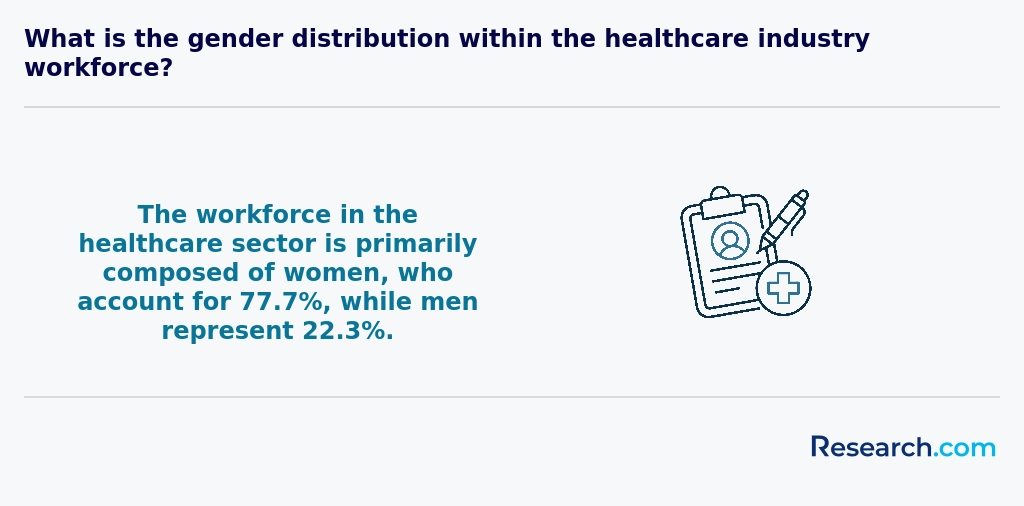
Venturing into healthcare career opportunities in Tiffin reveals a vibrant landscape where graduates from local colleges find themselves stepping into roles as registered nurses, licensed practical nurses, or medical assistants. Imagine a graduate from a well-regarded Tiffin college confidently managing patient care in bustling clinics or community hospitals, directly impacting lives while setting a solid foundation for their career. Others embark on paths as radiologic technologists or physical therapy assistants, applying specialized skills gained through their programs and certifications to help patients regain mobility or diagnose injuries effectively.
Healthcare degree jobs in Tiffin also include exciting administrative roles. Graduates often find themselves orchestrating healthcare operations, from managing medical records to optimizing billing systems, a meaningful way to support the healing environment behind the scenes. Attending popular institutions in Tiffin connects students with these diverse opportunities, made even more accessible by competitive tuition rates and solid local demand. Curious learners aiming to explore these paths might also consult resources like the Cheapest Online Healthcare Degree Programs Ranking in Wisconsin to compare options and plan their next adventure.
What is the job market for healthcare degree in Tiffin?
The healthcare job opportunities in Tiffin are remarkably promising for graduates eager to launch their careers in a close-knit community. Local institutions like the Genesis Health System and Tiffin Mercy Hospital actively seek skilled professionals, making it easier for healthcare degree holders from places like Heidelberg University to find meaningful roles quickly. Graduates often share stories of landing jobs as registered nurses or healthcare managers shortly after completing their studies, supported by hands-on internships that bridge classroom knowledge and real patient care.
In Tiffin, the employment outlook is shaped by a steady demand driven by the area's aging population, creating a vibrant job market in nursing and allied health fields. Students pursuing degrees here have the advantage of exploring job openings ranging from entry-level medical assisting to advanced healthcare administration. Many find the affordability of local programs appealing, especially when paired with opportunities like a fast track bachelor's degree online to accelerate their career path without overwhelming debt.
Those stepping into this sector appreciate the balance between a supportive learning environment and tangible career prospects. The Tiffin healthcare degree employment outlook reflects a dynamic landscape where new professionals can grow and thrive among several care facilities and community health organizations.
Frequently Asked Questions About healthcare
Healthcare degree students in Tiffin can maximize their learning experience by actively engaging in clinical internships offered through local healthcare facilities. Tiffin-area hospitals and clinics provide valuable hands-on experience that complements classroom knowledge. Students should also consider joining relevant student organizations and healthcare clubs to network and learn about current industry trends.
Utilizing resources at institutions such as Heidelberg University, known for its healthcare programs, can deepen understanding through access to labs and specialized faculty. Additionally, seeking out scholarships targeting healthcare students in Ohio can alleviate financial stress, allowing more focus on studies. Staying informed about the evolving healthcare landscape in Tiffin and nationwide enhances academic and career readiness.
Emerging niches within the healthcare field reflect the growing demand for specialized knowledge and skills. In Tiffin, Ohio, areas like telehealth have expanded rapidly, especially since 2020, offering new career opportunities due to increased virtual care services. Another fast-developing niche is healthcare informatics, which combines health data management and technology to improve patient outcomes.
Geriatric care is increasingly important as the local population ages, requiring professionals skilled in eldercare and chronic disease management. Additionally, mental health services remain a priority, with growing focus on behavioral health specialties. According to the Ohio Department of Job and Family Services, employment in healthcare support roles in Seneca County, which includes Tiffin, is projected to grow by over 10% through 2030.
After completing a healthcare degree in Tiffin, preparing for the job market involves several key steps. First, obtaining relevant certifications, such as CPR or specialized licensure, increases employability. Networking with local healthcare providers, including those at Tiffin-area hospitals and clinics, is essential for job leads.
The healthcare sector in Tiffin is growing steadily, offering opportunities in nursing, medical assisting, and allied health fields. According to the Ohio Department of Job and Family Services, healthcare jobs are projected to grow by about 12% from 2022 to 2030 in the region.
Internships or clinical placements during your degree can provide practical experience and connections. Additionally, tailoring your resume to highlight both technical skills and soft skills such as communication and teamwork helps employers recognize your potential.
Employers in Tiffin seeking healthcare degree graduates prioritize a combination of technical knowledge and soft skills. According to the Ohio Bureau of Labor Statistics, healthcare employers highly value clinical competence, including proficiency in patient care and medical technology.
Strong communication skills are essential since healthcare professionals must interact effectively with patients and team members. Critical thinking and problem-solving abilities rank also high, helping professionals make quick, informed decisions in medical settings.
Additionally, employers look for adaptability and teamwork, especially in Tiffin's growing healthcare facilities where collaboration across disciplines is common. Time management is equally important to handle the demanding pace of healthcare environments efficiently.
Finding internships in Tiffin relevant to a healthcare degree involves a few practical steps. Start by exploring opportunities at local healthcare providers such as Tiffin Hospital, which offers a variety of clinical and administrative internships each year. According to the Ohio Department of Health, hospitals and clinics in Seneca County actively partner with educational institutions to support hands-on student learning.
Another effective approach is contacting college career centers in Tiffin, like those at Heidelberg University and Terra State Community College. These centers often maintain internship listings and connections with healthcare employers.
Additionally, using statewide resources, such as OhioMeansJobs, can help locate healthcare internships across Tiffin and the surrounding area. Networking with faculty and attending local healthcare job fairs also increases your chances of finding relevant positions.
Obtaining a healthcare degree in Tiffin significantly enhances career mobility and advancement opportunities within the local job market. According to the U.S. Bureau of Labor Statistics, healthcare occupations in Ohio are projected to grow by 10% from 2021 to 2031, reflecting strong demand for qualified professionals. A degree provides critical knowledge and hands-on experience, increasing eligibility for specialized roles such as nursing, medical technology, or health administration.
Employers in Tiffin often prefer candidates with formal education because it demonstrates a commitment to the field and readiness for complex responsibilities. Additionally, healthcare degrees can be a stepping stone to advanced certifications and leadership positions, boosting salary potential and job security.
Studying for a healthcare degree in Tiffin offers students significant preparation for interdisciplinary roles, emphasizing collaboration across diverse medical fields. Local programs often incorporate practical experiences in nearby hospitals and clinics, such as the Tiffin Hospital, where teamwork among nurses, physicians, and therapists is routine.
Curricula typically include courses that cover communication skills, healthcare ethics, and integrated patient care, helping students understand multiple perspectives in treatment planning. According to Ohio Department of Higher Education data, more than 60% of healthcare roles in the region require interaction with various specialties, underscoring the value of this interdisciplinary focus.
This approach equips graduates to adapt quickly and function effectively within multidisciplinary teams, a critical skill given today's complex healthcare environments.
Choosing between a thesis and a non-thesis healthcare degree program in Tiffin depends on your career goals and learning preferences. Thesis programs emphasize research, requiring a significant project that develops skills valued in clinical research or academia. Non-thesis options focus more on coursework and practical experience, which suits students aiming for direct patient care or administrative roles.
In Tiffin, schools offering healthcare degrees often align thesis tracks with advanced research fields, while non-thesis tracks support certification preparation. According to the National Center for Education Statistics, about 60% of healthcare graduate students nationwide opt for non-thesis paths for faster completion.
Consider your interest in research and time available before deciding.
Students based in Tiffin who wish to study healthcare abroad have several pathways to consider. While Tiffin itself offers local healthcare programs, many look internationally for specialized degrees or broader clinical experience. Popular destinations include Canada, the United Kingdom, and Australia, which have accredited healthcare programs attractive to US students. These countries often have streamlined processes for credit transfers and clinical placements.
To study abroad, Tiffin students should first check if their home institution has partnerships with foreign universities. Additionally, programs certified by US bodies like the Commission on Accreditation of Allied Health Education Programs (CAAHEP) are preferable to ensure degree recognition upon return.
Financial aid and scholarships for healthcare studies abroad may be limited but can sometimes be accessed through federal programs or specific university grants aimed at international study.
Students pursuing healthcare degrees in Tiffin can benefit from part-time jobs that enhance practical skills and industry knowledge. Local healthcare facilities, such as ProMedica Tiffin Hospital, offer opportunities in roles like medical assistants, patient care technicians, and pharmacy aides. These positions provide hands-on experience with patient interaction and clinical tasks, which are valuable complements to academic learning.
Additionally, jobs in healthcare administration offices or local nursing homes allow students to understand operational aspects of healthcare services. The Bureau of Labor Statistics notes that gaining real-world experience increases employability after graduation, making these roles strategic choices.
The availability of these roles within a 20-mile radius of Tiffin adds convenience for students balancing coursework and employment.
Healthcare students in Tiffin benefit from several strong networking opportunities that support career growth. Tiffin University and local community colleges often host events like career fairs, workshops, and guest speaker sessions featuring healthcare professionals. These events provide direct contact with employers and industry experts, enhancing job prospects.
Additionally, partnerships with local hospitals such as Tiffin Hospital allow students to engage in internships and clinical rotations, fostering practical connections. Professional organizations like the Ohio Nurses Association and Healthcare Businesswomen's Association also have regional chapters accessible to students, offering webinars and networking meetings tailored to healthcare careers.
Alumni networks play a significant role for healthcare degree students in Tiffin, offering valuable connections within local medical communities. These networks provide mentorship opportunities that help students navigate clinical placements and job searches effectively. According to recent studies on U.S. healthcare education, strong alumni ties increase employment rates by up to 25% in specialized healthcare fields.
In Tiffin, alumni often work in nearby hospitals and clinics, creating a supportive environment for graduates entering the workforce. Networking events and alumni associations facilitate knowledge sharing and collaboration, which are crucial for career advancement in healthcare professions.
Additionally, alumni can offer insights into licensing requirements and continuing education, ensuring students remain informed about professional standards in Ohio's healthcare system.
Customizing your healthcare degree program in Tiffin involves selecting courses and specializations that align with your career goals. Many local institutions offer flexible curricula allowing students to focus on areas like nursing, medical technology, or healthcare administration. Internships and clinical placements in Tiffin's healthcare facilities, such as Mercy Health Tiffin Hospital, provide practical experience tailored to your interests.
Additionally, some programs support online or hybrid course options, giving students the ability to balance work and study. Advisors and faculty in Tiffin universities can help design a plan that meets certification requirements while enhancing skills relevant to regional healthcare demands.
According to the Ohio Department of Higher Education, focusing on high-demand healthcare sectors in the Tiffin area increases job placement rates significantly after graduation.
Healthcare students in Tiffin often face several challenges common to many U.S. regions, including balancing rigorous coursework with clinical practice. Many students report difficulty managing time effectively due to demanding schedules combining classroom and hands-on training.
Access to clinical placements can be limited because local healthcare facilities in Tiffin are smaller, restricting the number of training spots available. According to the Ohio Department of Higher Education, this competition for clinical opportunities can extend program durations.
Financial strain is another concern. While Tiffin offers some affordable options, students frequently wrestle with tuition costs and living expenses without extensive local scholarships dedicated solely to healthcare students.
Additionally, limited local networking opportunities may impact job placement post-graduation, which requires students to be proactive in seeking externships or internships outside the immediate Tiffin area.
With a healthcare degree in Tiffin, you can pursue various professional certifications to enhance your career prospects. Common certifications include Certified Nursing Assistant (CNA), Registered Health Information Technician (RHIT), and Certified Medical Assistant (CMA). These credentials are valuable for working in local hospitals like the Mercy Health Tiffin Hospital.
For those interested in specialized areas, certifications such as Certified Professional in Healthcare Quality (CPHQ) or Registered Respiratory Therapist (RRT) are options, approved nationally and recognized in Ohio.
Achieving certifications often requires passing an exam and meeting experience criteria, which can strengthen employment opportunities within Tiffin's growing healthcare sector.
Writing a winning application for a healthcare program in Tiffin requires clear focus on academic readiness and relevant experience. Admissions committees prioritize applicants with strong science backgrounds, including biology, chemistry, and anatomy. Highlighting any volunteer work or internships in local healthcare facilities, such as Tiffin-Seneca Public Library's health outreach events, can strengthen your profile.
Additionally, clearly articulate your motivation for pursuing healthcare studies and your career goals. According to the U.S. Bureau of Labor Statistics, healthcare jobs in Ohio are expected to grow 8% by 2030, emphasizing the importance of committed candidates. Be sure to craft a concise personal statement that links your experience and ambitions with the program's offerings.
Also, secure strong letters of recommendation from educators or professionals familiar with healthcare. Many programs in Tiffin also require standardized test scores or prerequisite coursework, so check specific school guidelines early.
Healthcare careers are increasingly viewed through a global lens, reflecting growing demand for skilled professionals worldwide. In the US, and specifically in places like Tiffin, Ohio, this trend highlights the importance of degrees that meet international healthcare standards. According to the U.S. Bureau of Labor Statistics, healthcare occupations are projected to grow 13% from 2021 to 2031, faster than average, indicating strong job security.
Globally, healthcare roles require adaptability to diverse medical systems and cultural contexts. Many educational programs in Tiffin emphasize practical skills and cultural competence to prepare students for this reality.
Additionally, Tiffin benefits from proximity to regional health networks and research institutions, supporting rich clinical experiences for students aiming to excel both locally and internationally.
Gaining practical experience while studying for a healthcare degree in Tiffin is essential for career readiness. Many local programs integrate clinical internships or externships into their curriculum, allowing students to work directly with patients under professional supervision. For example, Tiffin University partners with nearby hospitals and clinics to provide hands-on training opportunities.
Additionally, volunteering at healthcare facilities in Seneca County can help build skills and professional networks. According to the Ohio Department of Health, internships improve employment prospects by up to 30% for healthcare students in the region. Students should also explore simulation labs offered on campus, which replicate real medical scenarios for safe practice.
Choosing the right concentration within a healthcare degree in Tiffin requires evaluating local industry demands and personal interests. Tiffin's healthcare sector, including hospitals like Tiffin Community Hospital, emphasizes nursing, medical technology, and healthcare administration roles. According to the U.S. Bureau of Labor Statistics, healthcare occupations in Ohio are projected to grow by 13% through 2031, with nursing seeing strong demand.
Students should consider concentrations that align with job prospects locally, such as nursing or clinical laboratory sciences. Additionally, researching program accreditation and clinical placement opportunities in Tiffin enhances practical experience. Reflect on your strengths, whether clinical skills or management, to select a focus that fits your career goals. Consulting local workforce data from the Ohio Department of Job and Family Services can also aid your decision.
Related Healthcare Rankings for Nearby Cities
- 2027 Most Affordable Healthcare Degree Programs Ranking in Toledo
- 2027 Most Affordable Healthcare Degree Programs Ranking in Adrian
- 2027 Most Affordable Healthcare Degree Programs Ranking in Columbus
- 2027 Most Affordable Healthcare Degree Programs Ranking in Cleveland
- 2027 Most Affordable Healthcare Degree Programs Ranking in Detroit
- 2027 Most Affordable Healthcare Degree Programs Ranking in Ann Arbor
- 2027 Most Affordable Healthcare Degree Programs Ranking in Akron
- 2027 Most Affordable Healthcare Degree Programs Ranking in Kent
- 2027 Most Affordable Healthcare Degree Programs Ranking in Canton
- 2027 Most Affordable Healthcare Degree Programs Ranking in Fort Wayne
Top Trending Healthcare Rankings
See What Experts Have To Say About Studying Healthcare
Read our interview with Healthcare experts

References
- The Role of Interdisciplinary Studies in Medical Career Training https://georgia-med.com/the-role-of-interdisciplinary-studies-in-medical-career-training.html
- Top 5 Part-Time Healthcare Jobs For Students https://www.sumnercollege.edu/blog/top-5-part-time-healthcare-jobs-for-students/
- How to Create a Healthcare Career Roadmap https://www.ihire.com/resourcecenter/jobseeker/pages/how-to-create-a-healthcare-career-roadmap
- Pre-Med Study Abroad Programs | Go Overseas https://www.gooverseas.com/study-abroad/pre-med
- Alumni Reconnect - Poznan University of Medical Sciences https://pums.edu.pl/alumni-friends/alumni-reconnect/
- Healthcare Assistant Cover Letter Templates | myPerfectCV https://www.myperfectcv.co.uk/cover-letter/examples/healthcare-assistant-cover-letter
- Job-Ready Healthcare Skills for 2026 https://cliniwave.in/blogs/latest-article/job-ready-healthcare-skills
- Advance Your Education and Career While Working in Healthcare https://www.hospitalrecruiting.com/blog/4236/advance-your-education-and-career-while-working-in-healthcare/
- Client Challenge https://www.springerpflege.de/nursing-graduates-perceived-future-career-pathway-and-career-shi/50653658
- Trends and opportunities in healthcare across emerging markets - Inizio https://inizio.com/insights/trends-and-opportunities-in-healthcare-across-emerging-markets/