2027 Best Fine Arts Degree Programs Ranking in San Francisco

Co-Founder and Chief Data Scientist
Choosing the right fine arts degree program in San Francisco can be exciting yet overwhelming. To help you navigate this journey, this article presents the 2027 Best Fine Arts Degree Programs Ranking in San Francisco created by the Research.com team of data scientists.
Designed with students in mind, this ranking highlights programs that offer quality education and valuable opportunities for your artistic growth.
Exploring this list will empower you to make informed decisions and take confident steps toward a rewarding career in the fine arts. Your creativity deserves the best foundation possible.
Key benefits of getting fine arts degree in San Francisco
- Salary: Graduates with fine arts degrees in San Francisco can earn competitive salaries, such as Animators averaging $109,630 annually and Illustrators earning around $71,420. These figures reflect rewarding financial opportunities in creative fields.
- Career Paths: A fine arts graduate from a top San Francisco university might explore diverse roles, including Animator, Graphic Artist, or Art Therapist, benefiting from the city's vibrant arts scene and industry connections. This variety allows graduates to find a fulfilling career that matches their passion.
- Online Degree Advantages: Earning a fine arts degree online from a respected San Francisco school offers flexible scheduling and cost savings without compromising quality. This option empowers busy students to balance work, life, and education effectively.
- Key benefits of getting fine arts degree in San Francisco
- What can I expect from fine arts degree in San Francisco?
- Where can I work with fine arts degree in San Francisco?
- How much can I make with fine arts degree in San Francisco?
- 2027 Best Fine Arts Degree Programs Ranking in San Francisco
- Key Findings
- How long does it take to complete fine arts degree in San Francisco?
- Accreditation and Industry Partnerships
- What's the difference between online and on-campus fine arts degree?
- Student Life and Campus Culture in San Francisco
- What is the average cost of fine arts degree in San Francisco?
- Campus Life & Community: Cultivating Creativity Beyond the Classroom
- What financial aid is available to fine arts degree students in San Francisco?
- Campus Life and Student Experience
- What are the prerequisites for enrolling in fine arts degree program in San Francisco?
- Student Life & Campus Experience: Beyond the Classroom
- What courses are typically in fine arts degree programs in San Francisco?
- What types of specializations are available in fine arts degree programs in San Francisco?
- How do you choose the best fine arts degree in San Francisco?
- What career paths are available for fine arts degree students in San Francisco?
- What is the job market for fine arts degree in San Francisco?
- Top Trending Fine Arts Rankings
What can I expect from fine arts degree in San Francisco?
When considering the cost of a fine arts degree in San Francisco, expect a range that reflects the city's diverse educational landscape. Public universities typically offer in-state tuition between $7,000 and $15,000 annually, making them a more accessible choice for local students. Graduates from these programs often recall how this affordability allowed them to focus deeply on honing their artistic skills without overwhelming financial stress.
On the other hand, private art colleges like California College of the Arts can charge upwards of $40,000 per year. While this higher cost may feel daunting, many students find the investment worthwhile because of the rich opportunities for interdisciplinary collaboration and exposure to cutting-edge art scenes that these institutions provide. These experiences helped recent graduates build vibrant portfolios and connect with the city's thriving creative community.
Many students balance tuition with scholarships and financial aid, which are commonly available and can make even prestigious programs more attainable. Choosing where to study in San Francisco means weighing tuition against the inspiring, hands-on experiences that the city's unique artistic environment offers.
Where can I work with fine arts degree in San Francisco?
Graduates from fine arts programs at San Francisco State University or the Academy of Art University quickly realize the incredible variety of doors their degree can open in this dynamic city. Many find rewarding careers in renowned galleries and museums like SFMOMA or the de Young Museum, working as curators or educators, roles that allow them to immerse themselves daily in creativity and community impact.
Others tap into San Francisco's booming tech scene, joining innovative startups where their skills in digital art, animation, and interactive design are highly prized. Imagine collaborating on virtual reality projects or designing captivating visuals for cutting-edge apps-this is a reality for many fine arts graduates here.
Teaching art at local schools or community centers also offers a fulfilling career path, helping nurture the next generation of artists. Meanwhile, some graduates thrive as freelancers in the city's vibrant independent art market, showcasing their work at pop-up galleries or engaging with local art collectives that foster connection and growth. San Francisco truly offers a rich landscape for creative careers.
How much can I make with fine arts degree in San Francisco?
If you graduate with a fine arts degree in San Francisco, your earning potential can be quite promising, especially when you explore related creative careers. For instance, many graduates from local institutions like the San Francisco Art Institute find that becoming graphic artists can offer mean annual wages around $64,700, with hourly rates near $31. This is a solid starting point that often grows with experience and networking.
Additionally, illustrators in the area commonly earn about $71,420 per year, which reflects the demand for skilled artists in the city's vibrant creative markets. Animators, often recruited by digital media companies here, can earn even more-averaging about $109,630 annually-that's the kind of financial reward that encourages many fine arts grads to sharpen their digital skills.
Many alumni share how supplementing their income through freelance gigs or teaching workshops around campus communities helps build both earnings and reputation. As an art teacher, graduates can expect around $70,740 per year, a fulfilling way to share passion while maintaining stability. The key is to embrace diverse opportunities, building a career that is as creatively satisfying as it is financially sustainable in San Francisco's dynamic arts ecosystem.
2027 Best Fine Arts Degree Programs Ranking in San Francisco
How do we rank schools?
Investing in your education is a significant decision that can shape your future, and the Research.com team understands the importance of making informed choices. To assist prospective students in San Francisco, we have meticulously crafted the "2027 Best Fine Arts Degree Programs Ranking in San Francisco." Our commitment to quality, credibility, and accuracy is demonstrated through the extensive research and rigorous analysis behind this ranking.
We utilized the following reputable data sources to ensure a comprehensive evaluation of fine arts programs:
By exploring this ranking, readers will gain valuable insights into the top fine arts degree programs available locally, empowering them to make well-informed decisions about their educational journey. For more details on our methodology, please visit our Research.com methodology page.


Key Findings
- Tuition for fine arts degrees in San Francisco ranges from $15,000 to $50,000 annually, with public schools being more affordable than private institutions.
- Starting salaries for fine arts graduates are about $38,000 to $45,000 per year, while experienced professionals can earn between $60,000 and $85,000 annually.
- The job market is competitive but strong, especially for digital artists, graphic designers, and multimedia specialists linked to Silicon Valley.
- Top local programs include San Francisco Art Institute, California College of the Arts, and San Francisco State University, offering both traditional and digital arts training.
- Financial aid such as scholarships and grants are commonly available and important due to high tuition and the city's expensive living costs.
- Employment growth in arts-related jobs is expected to stay steady, with networking and internships playing a key role in career development.
How long does it take to complete fine arts degree in San Francisco?
Completing a fine arts degree in San Francisco typically takes about four years if you're pursuing a Bachelor of Fine Arts (BFA). Graduates from schools like the San Francisco Art Institute or California College of the Arts often share how this immersive journey blends rigorous studio work with inspiring art theory and general education, shaping them into well-rounded artists.
Many find the four-year timeline a perfect balance between deep creative growth and practical skills development. However, if you choose to study part-time or take evening classes-as some peers do to juggle work or other commitments-you might take five years or more. One graduate recalled how taking summer courses accelerated their progress, turning what could have been a longer path into a focused and rewarding four-year experience.
For those aiming higher, a Master of Fine Arts (MFA) adds two to three more years dedicated to specialized practice and critical projects. This intense period deepens your artistic voice and prepares you for professional success in the vibrant San Francisco arts scene.
Accreditation and Industry Partnerships
Ensuring your Fine Arts degree holds proper accreditation is vital for both educational quality and career recognition. In San Francisco, top institutions like the California College of the Arts, San Francisco State University, and the San Francisco Art Institute maintain regional accreditation through the WASC Senior College and University Commission (WSCUC) and programmatic recognition by the National Association of Schools of Art and Design (NASAD). These credentials guarantee that curricula meet rigorous academic standards and that credits transfer seamlessly should you pursue graduate studies. Beyond accreditation, industry partnerships enrich the student experience and expand professional networks. Many programs collaborate with local galleries such as SFMOMA and the Asian Art Museum, offering curated exhibitions and internship opportunities. Technology firms in Silicon Valley and animation studios on the Peninsula also engage students through sponsored workshops and live briefs, allowing emerging artists to apply their skills in real‐world contexts. For those interested in specialized digital animation pathways, you can explore our top animation degree programs to compare accredited online options. These affiliations not only bolster your resume but also often lead to mentorships, portfolio reviews by industry leaders, and priority hiring pipelines. When evaluating Fine Arts programs in San Francisco, verify both institutional accreditation and active partnerships to maximize the return on your investment and jumpstart a successful creative career.
What's the difference between online and on-campus fine arts degree?
Choosing between an online and an on-campus fine arts degree in San Francisco hinges on the experience you seek. Graduates from the San Francisco Art Institute often recall the thrill of working directly in vibrant studios, surrounded by peers and mentors who provide instant feedback. That hands-on environment-crucial for disciplines like sculpture or ceramics-creates an energy hard to replicate online.
Conversely, online programs appeal to self-driven students balancing jobs or family. They appreciate the flexibility to learn through video critiques and digital portfolios, though some miss the tactile immediacy of materials. Successful online fine arts students often supplement their learning with on-site workshops, blending convenience with essential in-person practice.
Both paths provide accreditation and valued credentials, but the city's art scene favors those with local connections and face-to-face collaboration. Reflect on your lifestyle and learning style: do you thrive in dynamic studio spaces or value the adaptability that online study offers? Each route can shape your creative journey uniquely in San Francisco's inspiring artistic community.
Student Life and Campus Culture in San Francisco
San Francisco is not only a hub for art and innovation, but it also offers a vibrant campus life that greatly enriches the overall educational experience. Beyond rigorous coursework and studio work, students immerse themselves in an environment filled with networking events, collaborative projects, student-led exhibitions, and cultural festivals that celebrate local art and diversity. This dynamic atmosphere encourages creative experimentation, fosters lasting friendships, and creates opportunities for mentorship and professional growth. Many schools also host community events and workshops where students can interact with local artists and industry professionals, offering firsthand exposure to the city's creative pulse. For those seeking a balance between affordability and quality education, exploring schools like the affordable fine arts schools in california can be an excellent starting point. Overall, the vibrant campus culture in San Francisco not only nurtures artistic talent but also prepares students for the collaborative, innovative work environments they will encounter in their future careers.
What is the average cost of fine arts degree in San Francisco?
The average fine arts degree cost San Francisco students can expect is around $74,385 in total, reflecting both tuition and associated expenses over the entire course. Graduates from prominent institutions like the San Francisco Art Institute or California College of the Arts often describe the investment as significant but rewarding, citing specialized instruction and access to unique studio resources that enrich their creative growth. This figure is notably higher than in-state options at public universities like San Francisco State University, where the total expense can be closer to $56,150, making it a more affordable path for local residents who still want to immerse themselves in the city's vibrant art community.
San Francisco fine arts tuition and fees typically range between $40,000 and $53,000 annually at private colleges, but the overall financial picture includes costs beyond tuition. Art supplies, studio fees, and living costs-especially rent in one of the most expensive cities in the nation-can quickly add thousands to the yearly budget. Many students report balancing these demands with scholarships and financial aid, which are widely available and essential for turning their artistic passions into practical opportunities.
If budgeting is a priority, researching affordable fine arts schools in california can help you find programs that balance cost with quality. Remember that investing in your education here means participating in a dynamic artistic environment full of inspiration and professional connections that will benefit your creative career far beyond graduation.
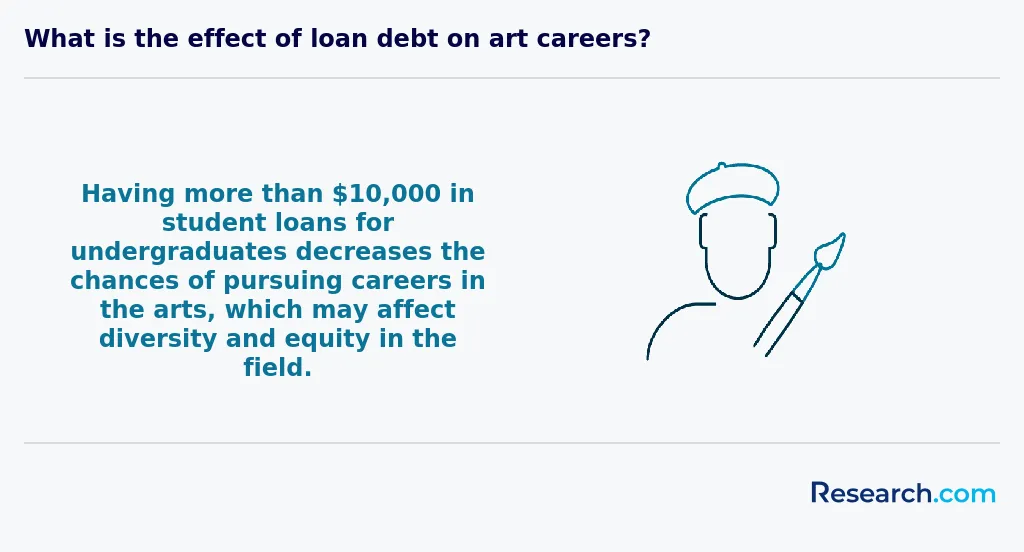
Campus Life & Community: Cultivating Creativity Beyond the Classroom
Beyond rigorous academic training, a vibrant campus life plays a pivotal role in shaping a Fine Arts student's journey in San Francisco. Engaging with diverse student organizations, participating in gallery shows, artist workshops, and collaborative projects enriches your creative experience while nurturing a strong professional network. Many campuses host art fairs, pop-up exhibits, and community projects that allow students to interact with local artists and industry professionals, fostering a supportive environment that goes beyond classroom learning. Moreover, students who choose schools known for their community engagement often report enhanced creativity and personal growth-elements critical to a thriving artistic career. For prospective students seeking a blend of quality education and active campus life, exploring affordable fine arts schools in california can offer valuable insights into programs that balance academic rigor with vibrant community experiences. This integrated approach not only boosts professional readiness but also cultivates lifelong relationships and creative resilience.
What financial aid is available to fine arts degree students in San Francisco?
When pursuing a fine arts degree in San Francisco, financial aid options are essential to ease the burden of tuition, which can be quite high, especially at private institutions like the California College of the Arts. Graduates often recall how completing the FAFSA unlocked access to federal Pell Grants, providing crucial funds that didn't have to be repaid. This support allowed them to focus more on their creativity instead of worrying constantly about finances.
State programs like the Cal Grant also play a vital role, offering awards that range broadly but can cover significant portions of tuition at local schools. Many fine arts students find merit-based scholarships through their colleges or from local arts foundations, which reward talent and hard work, fueling motivation to keep pushing their boundaries.
Work-study opportunities, though sometimes limited, let students earn while gaining valuable experience in galleries or campus arts administration. Additionally, vibrant freelance and internship scenes across San Francisco's art districts enable students to build portfolios and income simultaneously, transforming passion into profession.
Campus Life and Student Experience
Campus life in San Francisco’s Fine Arts programs offers an immersive environment that extends far beyond classrooms and studios. Students enjoy a vibrant community where creative expression, cultural exchange, and collaborative projects are an integral part of daily life. From open studio sessions and gallery events to community outreach programs and art fairs, the campus atmosphere fuels both personal growth and professional development. Many students also benefit from strong mentorships, diverse peer networks, and extracurricular opportunities that help them transition smoothly into the creative workforce. For those exploring budget-friendly options while still seeking dynamic campus experiences, check out affordable fine arts schools in california, where quality education meets a supportive and engaging campus culture. This section underscores the importance of integrating academic learning with real-world artistic engagement, making the journey as enriching as the destination.
What are the prerequisites for enrolling in fine arts degree program in San Francisco?
To enroll in a fine arts degree program in San Francisco, you'll need to meet several key prerequisites that show both your creative potential and commitment. Graduates from schools like the San Francisco Art Institute often share how submitting a diverse portfolio of drawings, paintings, or digital art was their proudest moment-it truly reflected their personal style and technical growth. Your portfolio should highlight originality and a range of media, helping the admissions team see your unique vision.
A high school diploma or equivalent is essential, but many students also transfer from community colleges with strong transcripts. Personal or artist's statements play a huge role in sharing your artistic journey and passion, much like how successful applicants at California College of the Arts express their influences and goals.
While standardized tests aren't always mandatory, some programs may ask for them. Be prepared for possible interviews or studio visits where you'll discuss your work, an opportunity to connect beyond the paper. Finally, remember that tuition costs in San Francisco's private art schools average around $40,000 annually-plan accordingly and explore financial aid early to turn your artistic dreams into reality.

Student Life & Campus Experience: Beyond the Classroom
Fine Arts programs in San Francisco offer more than just rigorous academic training-they provide a vibrant campus environment where creativity and community thrive. Students immerse themselves in collaborative projects, hands-on workshops, and cultural events that enrich both their artistic skills and personal growth. Campuses often host gallery shows, artist residencies, and networking events that allow peers to connect with established professionals and local creators. This supportive atmosphere not only sharpens technical expertise but also fosters lasting relationships and opportunities in the dynamic art scene. Many institutions also provide creative spaces such as studios, exhibition halls, and digital labs that enhance learning beyond traditional classroom settings. For prospective students seeking a balance between quality education and an engaging community, exploring options like affordable fine arts schools in california may offer additional insights into vibrant campus life and the unique benefits of immersive creative environments. This comprehensive approach ensures that students graduate as well-rounded professionals, fully equipped to navigate a competitive art world while enjoying a fulfilling student experience.
What courses are typically in fine arts degree programs in San Francisco?
If you're diving into a fine arts degree in San Francisco, expect an exciting blend of courses that fuel both your creativity and career readiness. Graduates from local institutions like the San Francisco Art Institute often share how immersive figure drawing and life studies laid their foundation, helping them truly see and interpret the human form. Painting techniques-in oils, acrylics, and watercolors-are staples, allowing students to explore diverse media with confidence and boldness.
Sculpture and 3D design courses push boundaries, inviting you to experiment spatially, while printmaking and graphic arts classes sharpen your technical skills. Equally vital are art history classes, spanning Renaissance to contemporary and non-Western traditions, which graduates say enriched their understanding of cultural narratives behind artworks they create.
San Francisco's close ties to tech mean digital media and art software classes are increasingly central-students often describe combining animation or graphic design with traditional skills as empowering for their portfolios. Professional practice courses prepare you beyond the studio, teaching portfolio development and exhibition planning, crucial for stepping confidently into the creative industry.
What types of specializations are available in fine arts degree programs in San Francisco?
In San Francisco, fine arts degree specializations open doors to a vibrant spectrum of creative pursuits. You'll find time-honored disciplines like Painting and Drawing, where graduates often describe the joy of mastering visual expression and experimenting with color and form. Sculpture is another popular focus, offering hands-on experiences with diverse materials that bring three-dimensional ideas to life-something many students at local art colleges treasure deeply. Photography and Digital Media combine classic techniques with modern technology, empowering alumni to create striking visual narratives. Graphic Design provides practical skills applicable to both print and digital realms, essential for those aiming to thrive in San Francisco's dynamic creative industries.
Exploring fine arts degree specializations in San Francisco also means discovering emerging fields such as animation, video art, and interactive design that reflect the city's innovative spirit. Many graduates have been inspired by programs that embrace these new media; you can learn more about these opportunities through the top animation degree programs. This variety and interdisciplinary focus make studying fine arts here truly enriching, blending tradition with forward-thinking creativity.
How do you choose the best fine arts degree in San Francisco?
To choose the best fine arts degree in San Francisco, start by reflecting on your artistic vision and medium. Many graduates from local institutions emphasize how programs deeply connected to the city's thriving galleries and museums enriched their creative growth. Accreditation matters-schools recognized by regional bodies like WSCUC ensure your work is taken seriously in the art community and beyond. Cost is also crucial; affordable fine arts colleges in San Francisco offer strong programs within reach, balancing quality education with living expenses in this vibrant city. Consider programs where faculty are active artists or curators, providing real-world insights and mentorship. Access to hands-on facilities and collaborations with cultural institutions can transform your learning experience, making your practice more dynamic. Flexibility is key too-look for part-time or evening classes if you need balance, or explore 12 month master's programs to accelerate your career. Graduates often recall how these elements combined to shape their unique journeys in San Francisco's artistic landscape.
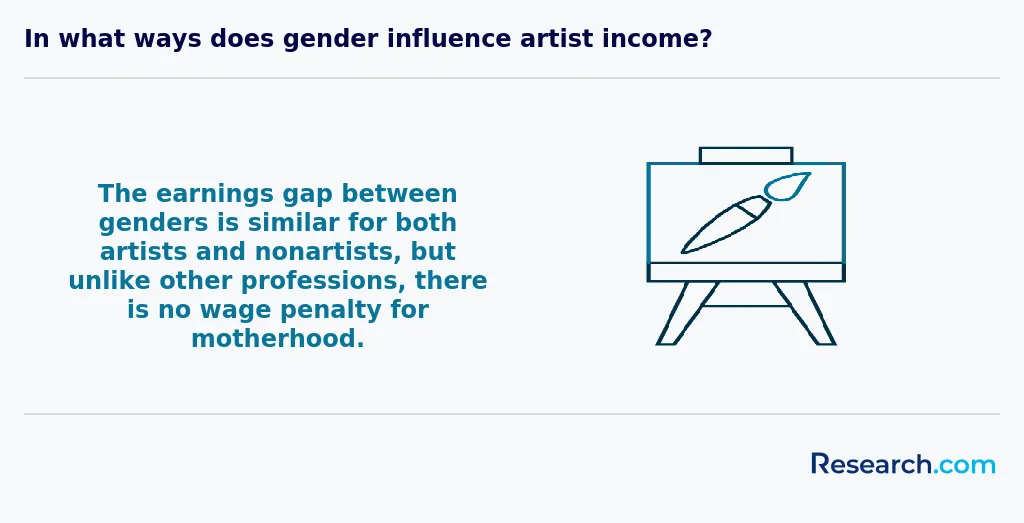
What career paths are available for fine arts degree students in San Francisco?
Graduates with a fine arts degree in San Francisco find diverse career paths that blend creativity with the city's vibrant culture and innovative industries. Many step into roles as visual artists, contributing sculptures or paintings to local galleries and public projects, deeply connected to the Bay Area's artistic community. Others thrive as graphic designers, working with startups or established firms to craft compelling brand visuals inspired by the region's dynamic tech scene.
Art educators from institutions like California College of the Arts play a vital role in nurturing future talent at schools and community centers, sharing their passion for art with emerging creators. Museum professionals and curators engage with renowned cultural spaces such as SFMOMA, managing exhibitions that captivate audiences while expanding their expertise.
For those eager to combine tech skills with their artistic background, fields like digital arts and interactive media offer exciting opportunities. Many graduates enhance their portfolios by acquiring UX/UI design skills, positioning themselves in sought-after roles within San Francisco's creative economy. If you're considering expanding your options, exploring the easiest masters program could be a strategic next step to elevate your career prospects in this competitive market.
Exploring fine arts career opportunities in San Francisco means tapping into a rich ecosystem where artistic passion meets entrepreneurial spirit, opening doors to rewarding and adaptable professions.
What is the job market for fine arts degree in San Francisco?
The fine arts degree job opportunities in San Francisco are both exciting and competitive. Graduates from institutions like San Francisco State University often enter fields such as graphic design, animation, and museum curation, benefiting from the city's vibrant cultural scene. Many find success by blending traditional fine arts skills with digital media and networking through local galleries and arts organizations, which creates a rich environment for creativity and career growth.
Salary prospects here can be promising, with graphic designers earning median incomes near $70,000 due to the thriving tech and advertising industries. Graduates often emphasize the importance of building diverse portfolios and gaining real-world experience through freelance commissions or internships at design firms to stand out.
For students considering the investment in a fine arts degree in San Francisco, it helps to explore complementary education options. Some choose to enhance their credentials by enrolling in cheap doctoral programs to deepen their expertise and improve job security in this diverse market.
The San Francisco fine arts career outlook 2027 remains stable, with steady growth predicted across creative professions, encouraging you to embrace the city's dynamic art community with confidence.
Frequently Asked Questions About fine arts
Fine arts degree students in San Francisco can enhance their learning by actively engaging with the city's vibrant arts community. San Francisco hosts over 200 galleries and numerous public art installations, providing excellent opportunities for hands-on learning and inspiration. Students should seek internships and apprenticeships with local artists and cultural institutions, which are crucial for practical experience.
Additionally, enrolling in workshops and visiting institutions like the San Francisco Museum of Modern Art (SFMOMA) can deepen understanding of contemporary art trends. According to the National Endowment for the Arts, about 41% of San Francisco residents participate in arts-related activities, reflecting a supportive environment for fine arts students.
Collaborating with peers and participating in local exhibitions also fosters networking and professional growth, preparing students for careers in creative industries.
Emerging niches within the fine arts field in San Francisco reflect the city's dynamic blend of technology and creativity. Digital and interactive art, including virtual reality (VR) and augmented reality (AR), have grown rapidly as artists experiment with immersive experiences. According to the San Francisco Arts Commission, interest in digital mediums rose by over 30% from 2020 to 2023.
Eco-conscious art focusing on sustainability and climate themes is another important niche. Local galleries and institutions increasingly support environmentally themed works, highlighting pressing global issues.
Additionally, interdisciplinary practices combining fine arts with technology and social activism offer new opportunities for artists seeking to engage audiences in innovative ways.
Graduates with a fine arts degree in San Francisco should begin preparing for the job market by building a robust portfolio showcasing diverse work. Employers and galleries often prioritize demonstrated skills and creativity over formal education alone. Networking is essential in the city's competitive arts scene; joining local organizations such as the San Francisco Arts Commission or attending events at spaces like the California College of the Arts can provide crucial connections.
Internships and freelance projects help graduates gain real-world experience and increase visibility. According to the U.S. Bureau of Labor Statistics, employment for artists is projected to grow 4% from 2021 to 2031, emphasizing continued opportunities.
Graduates should also be prepared to leverage digital platforms where many San Francisco artists showcase and sell work. Understanding art marketing, grant applications, and working with local nonprofits enhances employment prospects.
Employers in San Francisco value fine arts graduates who combine creativity with practical skills. Top skills include proficiency in digital design tools such as Adobe Creative Suite, which is essential given the city's vibrant tech and creative sectors. Strong portfolios demonstrating versatility across various media are critical, as reported by the National Endowment for the Arts. Additionally, employers look for excellent communication and project management abilities, enabling graduates to collaborate effectively within multidisciplinary teams. According to a 2023 Bay Area Arts Workforce study, 68% of employers prioritize adaptability and problem-solving in candidates. Knowledge of contemporary art trends and cultural awareness also significantly enhance job prospects.
Finding internships in San Francisco for fine arts students involves leveraging local art institutions and educational resources. The city hosts numerous galleries, museums, and creative agencies that frequently offer internships relevant to fine arts careers. For example, the San Francisco Museum of Modern Art and Contemporary Jewish Museum provide structured programs for students. Additionally, many universities with fine arts programs partner with local art centers to facilitate internship placements. According to the National Endowment for the Arts, internships in visual arts fields in San Francisco can enhance portfolio development and networking opportunities.
Students should also explore online platforms such as the San Francisco Arts Commission's career listings and specialized internship databases like Internships.com, which often feature arts-related positions.
Local networking events and art fairs can further connect students with professionals offering unpaid and paid internships.
A fine arts degree in San Francisco can significantly impact career mobility and advancement, especially in the city's robust creative economy. Graduates often find opportunities in diverse sectors such as galleries, design studios, and media companies, where artistic skills are in demand. According to the National Endowment for the Arts, San Francisco ranks among the top metropolitan areas for arts employment, supporting over 15,000 arts-related jobs as of recent data.
Possessing a degree demonstrates professional training and dedication, which employers in competitive creative fields value highly. The degree also opens doors to networking events and internships unique to the San Francisco arts community, enhancing visibility and career growth prospects.
Additionally, many fine arts graduates leverage their education to branch into interdisciplinary roles, including digital arts and multimedia, sectors experiencing rapid growth locally. The career advancement potential is further supported by continuing education options and connections with the city's vibrant cultural institutions.
Studying for a fine arts degree in San Francisco offers unique preparation for interdisciplinary roles due to the city's vibrant cultural and technological landscape. Many programs integrate digital media, design, and performance arts, reflecting the demands of today's creative industries. According to the National Endowment for the Arts, San Francisco ranks among the top U.S. metro areas for arts employment, highlighting strong local opportunities.
Students benefit from collaborations with tech firms and galleries, fostering skills beyond traditional studio practice. This environment encourages versatility in fields such as multimedia production, visual communication, and interactive design. Such training equips graduates for diverse roles where art intersects with technology and business innovation.
Choosing between a thesis and a non-thesis fine arts degree program in San Francisco depends largely on your career goals and learning preferences. Thesis programs typically require a significant research project or a substantial creative work, ideal for students aiming at academic careers or who want to develop a focused portfolio.
Non-thesis programs often emphasize coursework and practical skills, suitable for those seeking immediate professional application in fields like design or public art. San Francisco's art schools, such as the San Francisco Art Institute, offer both options, reflecting a national trend where about 60% of fine arts master's students choose thesis tracks for deeper study (National Center for Education Statistics, 2023).
Evaluate your readiness for independent research and your post-graduation goals when deciding between the two formats.
Students based in San Francisco pursuing fine arts degrees have several opportunities to study abroad through partnerships that local universities maintain with international institutions. For example, the San Francisco Art Institute, until its recent closure, and other Bay Area schools often facilitated exchanges with European art schools known for their fine arts programs, such as those in France and Italy.
Many universities in California, including those in the UC and CSU systems, offer study abroad programs specifically tailored for arts students. These programs commonly last one semester and include locations with rich artistic heritage like Paris and Florence.
The National Center for Education Statistics reports that roughly 10% of U.S. art students participate in study abroad programs, helping them gain global perspectives and exposure to diverse artistic traditions.
Such international experiences can enhance a student's portfolio and cultural understanding, which are valuable in fine arts careers.
Part-time jobs in San Francisco that complement a fine arts degree often relate closely to creative and practical skills gained during study. Many students work as art gallery assistants, where they gain experience in arts administration and engage with local artists and collectors.
Another common role is freelance graphic design or illustration, leveraging digital tools learned in class. According to the Bureau of Labor Statistics, the San Francisco metropolitan area hosts a growing creative sector with a 12% employment growth rate for graphic designers through 2030.
Additionally, opportunities in art education, such as teaching assistant positions or community art workshop leaders, allow students to develop communication skills while supporting arts outreach.
These roles not only supplement income but also enrich fine arts students' resumes and professional networks within the Bay Area's vibrant arts community.
San Francisco offers numerous networking opportunities for fine arts students, leveraging its vibrant arts community. Students can connect through local organizations like the San Francisco Arts Commission and open studio events, which attract established artists and collectors. According to a 2023 report by the National Endowment for the Arts, San Francisco ranks among the top U.S. cities for art professionals, supporting strong networking environments.
Many universities partner with local galleries and cultural institutions for internships and exhibitions, which are vital for building professional contacts. Regular art fairs, workshops, and artist talks also provide platforms for students to meet peers and mentors.
Alumni networks play a crucial role in supporting fine arts degree students in San Francisco. Graduates often benefit from connections that offer mentorship, job referrals, and collaborative project opportunities within the city's vibrant arts scene. According to the National Endowment for the Arts, San Francisco's arts employment grew by 4.5% between 2018 and 2022, highlighting the expanding market for new artists.
Many alumni networks include access to exclusive workshops, gallery showings, and exhibitions where students can showcase their work. These networks also provide insights into local galleries and funding resources specific to San Francisco artists, helping students navigate the competitive arts industry more effectively.
Customizing a fine arts degree in San Francisco allows students to align their studies with specific career goals such as graphic design, studio art, or digital media. Many local institutions offer flexible curricula where students can choose electives, minors, or double majors to deepen expertise in areas like animation or art history. Internships and collaborations with San Francisco's vibrant creative industry provide hands-on experience that enhances professional readiness.
Students benefit from access to renowned galleries, tech companies, and art organizations, fostering networking opportunities. According to the National Center for Education Statistics, about 35% of fine arts students in California tailor their programs through specialized courses and practical placements, a trend strong in the Bay Area.
Fine arts students in San Francisco often face several distinct challenges during their studies. One major issue is the high cost of living in the city, which can strain budgets for low-income and part-time students. According to data from the U.S. Bureau of Labor Statistics, San Francisco has one of the highest living costs nationwide.
Additionally, access to studio space and materials is limited and expensive. Many students must balance part-time jobs to afford supplies, impacting their study time.
Networking and finding professional opportunities within the competitive local art scene can be difficult. Students often rely on internships or community programs to gain experience.
Finally, mental health concerns are prevalent, with stress from financial pressures and intense workloads. Local university counseling centers report increased demand for support services among fine arts students.
With a fine arts degree, professionals in San Francisco can enhance their credentials by pursuing certifications that align with their creative skills and career goals. One popular option is the Certified Graphic Designer (CGD) credential offered by the Graphic Artists Guild. This certification validates expertise in design principles and business practices, valuable for freelance artists and studio professionals.
Additionally, the Adobe Certified Expert (ACE) certification is widely recognized and useful for fine arts graduates specializing in digital media, reflecting proficiency in tools like Photoshop and Illustrator. Data from the San Francisco Arts Commission shows these tech skills are in growing demand locally.
Graduates interested in art education might consider obtaining a California Single Subject Teaching Credential in Visual Arts. This enables teaching in public schools and can open opportunities in San Francisco's vibrant education sector.
Writing a winning application for a fine arts program in San Francisco requires a clear presentation of your artistic vision and technical skills. Many programs in the city, including those at the San Francisco Art Institute and Academy of Art University, emphasize portfolio quality over grades.
Applicants should submit a diverse and well-curated portfolio showcasing different mediums and techniques. Including an artist statement that explains your creative process and goals is essential. According to the National Association of Schools of Art and Design, programs often look for originality and a strong personal voice.
Additionally, letters of recommendation from art professionals or educators can enhance your application by verifying your commitment. Meeting all deadlines and tailoring your materials to each school's specific requirements remain fundamental.
The global outlook on a fine arts career is increasingly diverse and dynamic, influenced by cultural, technological, and economic factors. In the US, including San Francisco, fine arts graduates often find expanding opportunities in digital media, design, and interdisciplinary art fields. According to the U.S. Bureau of Labor Statistics, employment for artists and related workers is projected to grow by 3% from 2022 to 2032, reflecting steady demand.
San Francisco's vibrant art scene, supported by galleries, tech companies, and institutions like the San Francisco Art Institute, offers unique platforms for artists to engage locally and globally. Fine arts professionals here benefit from networking with creative industries focused on innovation and cultural exchange.
Globally, fine arts careers vary widely depending on a country's investment in arts education and cultural policies. However, U.S.-based programs, particularly in urban hubs like San Francisco, tend to emphasize both traditional skills and new media, preparing students for international collaborations.
The integration of art with technology, especially in areas like virtual reality and multimedia, is a significant trend. This global shift broadens career opportunities for fine arts graduates beyond classical paths, making San Francisco a promising location for those seeking a globally relevant arts education.
Gaining practical experience while studying for a fine arts degree in San Francisco is essential to building a strong portfolio and professional network. Many local institutions encourage students to participate in internships at galleries, studios, and museums, such as the San Francisco Museum of Modern Art and the Contemporary Jewish Museum. These opportunities allow students to apply classroom knowledge directly in creative and administrative roles.
Additionally, San Francisco's vibrant arts scene offers numerous artist residencies and community projects where students can collaborate and showcase their work. According to the National Endowment for the Arts, California ranks among the top states for employment in fine arts positions, signaling robust opportunities for internships and freelance work in the area.
Students also benefit from attending workshops, artist talks, and exhibitions organized by local art schools like the Academy of Art University or City College of San Francisco. Participating in these events helps develop professional skills and connects students to San Francisco's diverse creative communities.
Choosing the right concentration within a fine arts degree program in San Francisco starts with understanding your personal interests and career goals. Concentrations often include areas like painting, sculpture, digital media, or photography. Reflect on which medium excites you most, as specialization can enhance your skill set and portfolio.
Research local schools such as the San Francisco Art Institute or California College of the Arts, where programs may emphasize different styles or industry connections. According to the National Center for Education Statistics, about 45% of fine arts students in California focus on digital media or multidisciplinary arts, reflecting growing market demand.
Consider internship opportunities, faculty expertise, and alumni networks in San Francisco's vibrant art community to ensure your concentration aligns with local industry trends and job prospects.
Related Fine Arts Rankings for Nearby Cities
- 2027 Best Fine Arts Degree Programs Ranking in Los Angeles
- 2027 Best Fine Arts Degree Programs Ranking in La Jolla
- 2027 Best Fine Arts Degree Programs Ranking in Riverside
- 2027 Best Fine Arts Degree Programs Ranking in San Diego
- 2027 Best Fine Arts Degree Programs Ranking in Portland
- 2027 Best Fine Arts Degree Programs Ranking in Seattle
- 2027 Best Fine Arts Degree Programs Ranking in Denver
- 2027 Best Fine Arts Degree Programs Ranking in Denton
- 2027 Best Fine Arts Degree Programs Ranking in Dallas
- 2027 Best Fine Arts Degree Programs Ranking in San Antonio
Top Trending Fine Arts Rankings
References
- Challenges in Undergraduate Art Education - Arts Education Partnership https://www.aep-arts.org/challenges-in-undergraduate-art-education/
- What Alumni Say https://www.cityandguildsartschool.ac.uk/ma-fine-art/student-and-alumni-case-studies/
- Certificate of Fine Arts | CFA Programs - New York Academy of Art https://nyaa.edu/continuing-studies/certificate-of-fine-arts/
- Scholarships and Financial Aid - San Francisco High School of the Arts https://highschoolofthearts.org/admissions/scholarships-and-financial-aid/
- Bachelor of Fine Arts in Art & Design (BFA) https://www.ualberta.ca/en/art-design/undergraduate-programs/bfa-art-and-design.html
- Benefits of Fine Arts Education: Creativity & Confidence Boost https://palcs.org/advantage-fine-arts-education-creativity-confidence/
- Jobs in San Francisco California | Americans For The Arts Job Bank https://jobbank.artsusa.org/l-san-francisco,-california-jobs.html
- Networking for Artists https://artquest.org.uk/how-to-articles/networking-for-artists/
- Careers in the Arts: Who Stays and Who Leaves? https://snaaparts.org/findings/reports/careers-in-the-arts-who-stays-and-who-leaves
- Essential Strategies for Artists to Master the Art of Networking https://www.artworkarchive.com/blog/essential-strategies-for-artists-to-master-the-art-of-networking