2027 Best Fine Arts Degree Programs Ranking in New Haven

Co-Founder and Chief Data Scientist
Selecting the right fine arts degree program is an exciting step for any student in New Haven. This article presents the 2027 Best Fine Arts Degree Programs Ranking in New Haven, developed by the Research.com team of data scientists. The ranking offers reliable insights to help you make an informed choice about which programs truly stand out.
Exploring these options can open doors to creativity, skill development, and rewarding career paths. Whether you're passionate about painting, sculpture, or digital media, this guide supports your journey toward a fulfilling fine arts education.
Key benefits of getting fine arts degree in New Haven
- Salary: Graduates with a fine arts degree in New Haven can earn competitive salaries; for example, animators make about $109,630 annually while illustrators earn around $71,420 per year. These rewarding salaries highlight the value of creative careers supported by a fine arts education.
- Career Paths: A fine arts graduate from Yale University often explores diverse roles such as graphic artist, illustrator, or animator, showcasing the variety of fulfilling career opportunities available locally. This flexibility allows you to pursue your passion while working in different creative industries.
- Online Degree Benefits: Earning a fine arts degree online from a New Haven institution offers greater flexibility for managing your time and costs without sacrificing quality, ideal for those balancing work or family. Online programs also provide access to modern resources and networking opportunities that enhance your learning experience.
- Key benefits of getting fine arts degree in New Haven
- What can I expect from fine arts degree in New Haven?
- Where can I work with fine arts degree in New Haven?
- How much can I make with fine arts degree in New Haven?
- 2027 Best Fine Arts Degree Programs Ranking in New Haven
- Key Findings
- How long does it take to complete fine arts degree in New Haven?
- Student Life & Campus Experience in New Haven, CT
- What's the difference between online and on-campus fine arts degree?
- Campus Life and Student Experience in New Haven's Fine Arts Programs
- What is the average cost of fine arts degree in New Haven?
- Campus Life and the New Haven Arts Community
- What financial aid is available to fine arts degree students in New Haven?
- Student Life & Campus Culture: Enriching Your Fine Arts Journey
- What are the prerequisites for enrolling in fine arts degree program in New Haven?
- Student Life and Campus Culture
- What courses are typically in fine arts degree programs in New Haven?
- What types of specializations are available in fine arts degree programs in New Haven?
- How do you choose the best fine arts degree in New Haven?
- What career paths are available for fine arts degree students in New Haven?
- What is the job market for fine arts degree in New Haven?
- Top Trending Fine Arts Rankings
What can I expect from fine arts degree in New Haven?
The average cost of pursuing a fine arts degree in New Haven varies significantly depending on the type of institution and program chosen. Graduates from private universities like Yale often face tuition fees that reflect the premium reputation and extensive resources available, typically resulting in higher sticker prices. However, many students report feeling supported by robust financial aid packages that help alleviate these costs, making the investment more manageable despite initial sticker shock.
On the other hand, fine arts students at community colleges or nearby public institutions tend to benefit from more affordable tuition rates, though their programs may offer associate degrees or certificates rather than full bachelor's degrees. These students often appreciate the practical, hands-on experience gained in classes focused on graphic design or studio art, which sometimes leads to quicker entry into creative jobs due to lower educational debt.
In the experience of local graduates, weighing the quality of education, career support, and cost is crucial. Some value the exposure to New Haven's art scene through Yale's galleries and internships, while others prioritize affordability and practical skills offered by smaller schools. This variety allows prospective students to tailor their fine arts education to their financial and professional goals without sacrificing access to New Haven's vibrant cultural community.
Where can I work with fine arts degree in New Haven?
Graduates from fine arts programs at institutions like Yale University often find diverse opportunities in New Haven's vibrant arts ecosystem. Many take on roles such as gallery curators or exhibition coordinators within Yale's School of Art and affiliated galleries, where their creative skills are valued. This direct connection between study and work offers a meaningful way to apply their education in a real-world setting.
Others pursue careers beyond academia, joining organizations like the New Haven Arts Council or local theaters such as the Shubert Theater. These venues provide practical experience in arts administration or event planning, where graduates blend artistic insight with managerial responsibilities. Such positions can be especially rewarding for those who enjoy shaping the city's cultural landscape.
Freelance work is another common path, with graduates offering workshops or freelance design services to local businesses. New Haven's growing arts scene, fueled by increasing job postings in creative sectors, supports this flexible career mode, appealing to those who value independence alongside creative expression.
Public school systems also employ fine arts graduates as educators, fostering creativity in younger generations. This path appeals to graduates passionate about arts education and community impact, illustrating the varied ways New Haven's fine arts programs connect students to fulfilling roles.
How much can I make with fine arts degree in New Haven?
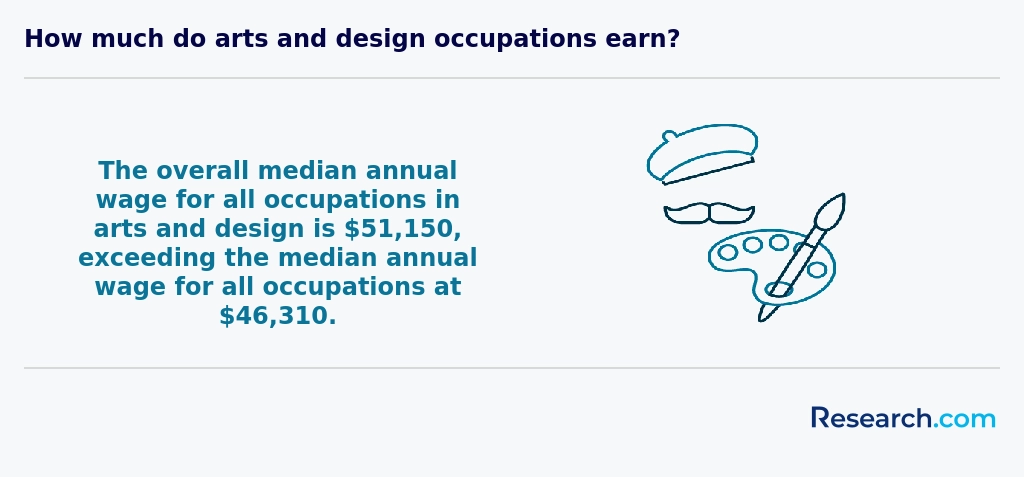
Graduates with a fine arts degree in New Haven often navigate a spectrum of earning possibilities influenced by their chosen careers and local opportunities. For example, alumni from institutions like Yale University find themselves earning salaries that align with national averages for roles such as graphic artists, illustrators, and animators. According to the latest U.S. Bureau of Labor Statistics data, graphic artists earn a mean annual wage of about $64,700, while illustrators typically make around $71,420. Animators stand out with higher earnings averaging $109,630 per year, reflecting the specialized skills they bring to the creative industry.
Fine arts graduates working as art therapists can anticipate income near $75,660 annually, which is notable considering the increasing demand for such professionals. Local art teachers in New Haven report salaries closer to $60,000; however, those teaching at higher education or museum levels may earn starting salaries ranging from $45,000 to $70,000 depending on their responsibilities and experience.
Graduates often share that networking within New Haven's vibrant art scene plays a crucial role in boosting earnings. Many recall starting with modest salaries, typically between $30,000 and $40,000, and gradually finding more lucrative commissions or positions as their portfolios and reputations grow. The presence of Yale and other cultural institutions enriches these prospects, offering meaningful pathways for creative and financial growth.
2027 Best Fine Arts Degree Programs Ranking in New Haven
How do we rank schools?
Investing in your education is a significant decision that can shape your future, and the Research.com team understands the importance of making informed choices. To assist prospective students interested in fine arts, we have meticulously developed the "2027 Best Fine Arts Degree Programs Ranking in New Haven." Our dedication to quality, credibility, and accuracy is evident through the careful research and detailed analysis that underpin this ranking.
We utilized the following reputable data sources to ensure a comprehensive evaluation of fine arts programs:
By reviewing this ranking, readers will gain valuable insights into the top fine arts degree programs available in New Haven, enabling them to make well-informed decisions regarding their educational journey. For more information on our approach, please visit our Research.com methodology page.


Key Findings
- Tuition at private institutions in New Haven for fine arts programs ranges from $45,000 to $60,000 per year, while public options typically cost between $20,000 and $30,000 annually for in-state students.
- Living expenses in New Haven add approximately $15,000 to $20,000 per year to the overall cost of education.
- About 3,000 people work in fine arts-related jobs in New Haven County, with an expected job growth rate of 4% over the next ten years.
- Starting salaries for fine arts graduates usually range from $35,000 to $45,000 annually, increasing to $55,000 to $65,000 with experience.
- New Haven offers resources like studio spaces, workshops, and exhibition opportunities to support fine arts students.
How long does it take to complete fine arts degree in New Haven?
Completing a fine arts degree in New Haven typically takes about four years for full-time students enrolled in Bachelor of Fine Arts programs at institutions like Yale University's School of Art. Graduates often recall the immersive experience of balancing rigorous studio work with art history and theory courses, which together cultivate both creative skills and critical thinking. This timeframe aligns with national expectations but reflects the vibrant, hands-on learning environment New Haven schools provide.
However, not all students follow this exact path. Some part-time students or those juggling jobs find themselves extending their studies beyond four years, adapting their timelines to financial and personal commitments. Conversely, motivated students who transfer credits or participate in accelerated options can sometimes finish sooner, embracing the challenge with enthusiasm.
Graduate study, particularly the Master of Fine Arts, adds another two to three years, emphasizing deep personal artistic development. Many MFA graduates from New Haven institutions speak positively about this period, describing it as a transformative phase that enriches their professional portfolios and creative practices.
Student Life & Campus Experience in New Haven, CT
When choosing a Fine Arts degree program, understanding campus life is as essential as evaluating academics. In New Haven, CT, the vibrant student culture provides a unique opportunity to immerse yourself in a creative community that extends far beyond the classroom. Students frequently explore extracurricular art clubs, participate in local gallery exhibitions, and collaborate on community art projects that enhance both their portfolios and personal development. Campus events such as open studio nights, artist talks, and hands-on workshops foster networking opportunities with visiting professionals and alumni who have turned creative passions into successful careers. Moreover, many institutions in the area offer state-of-the-art creative spaces including dedicated art studios, digital labs, and exhibition halls designed to support innovative projects. If you’re considering options for an art education, you might want to explore the offerings at an affordable fine arts school in connecticut, where community engagement and practical learning go hand in hand. This close-knit environment not only helps sharpen your artistic skills but also prepares you to navigate the competitive art world with confidence.
What's the difference between online and on-campus fine arts degree?
Online and on-campus fine arts degrees in New Haven differ significantly in experience and practical engagement. Graduates from Yale's on-campus programs often emphasize the value of direct interaction with instructors and fellow artists, which cultivates a dynamic creative environment. Access to studios, galleries, and physical workshops provides immersive, hands-on learning that many find crucial for developing technical skills and artistic confidence.
In contrast, online programs offer flexibility suited to those balancing employment or family obligations. Regional colleges providing online fine arts courses utilize high-quality video demos and virtual critiques, allowing students to build digital portfolios from anywhere. However, some New Haven alumni report challenges replicating the tactile aspect of art-making remotely, which can impact the depth of learning and portfolio strength.
Cost considerations also influence choices: Yale's on-campus tuition is higher, and students face commuting and housing expenses, while online programs reduce location-related costs but may require investment in reliable tech and supplies. Both formats offer financial aid, yet outcomes depend on personal learning styles and career goals within New Haven's artistic community.
Campus Life and Student Experience in New Haven's Fine Arts Programs
Living and studying Fine Arts in New Haven, CT, is about more than just classroom learning-it’s an immersive cultural journey that enriches both artistic and personal growth. Students experience a vibrant campus life that includes diverse clubs, collaborative art projects, and frequent exhibitions that showcase both student work and professional art. Apart from rigorous coursework, many institutions organize studio tours, art walks, and live workshops that foster networking and creative exchange among peers and industry professionals. By participating in extracurricular activities such as art fairs, community murals, and collaborative projects with local galleries, students build invaluable connections that can lead to internships and job opportunities post-graduation. Moreover, those looking for budget-friendly options can explore programs at an affordable fine arts school in connecticut that combine quality education with a lively campus culture. This well-rounded experience not only sharpens technical skills but also nurtures soft skills like collaboration, leadership, and community engagement-attributes essential for success in the creative industries.
What is the average cost of fine arts degree in New Haven?
The average cost of a fine arts degree in New Haven generally falls around $48,350 for both in-state and out-of-state students, although some students report paying as much as $67,250 depending on their program and institution. Graduate fine arts programs at prestigious institutions like Yale University illustrate the higher end of this spectrum with tuition fees between $30,000 and $35,000 annually, excluding additional expenses. Meanwhile, undergraduate students often find more affordable options at regional public universities or community colleges in the area.
Graduates from these institutions commonly reflect on the financial challenge paired with the rewarding experience of studying fine arts in New Haven. The cost includes not just tuition but considerable expenses for materials such as paints, canvases, and specialized tools, which are essential to their creative process. Additionally, studio fees and living costs in New Haven influence the total expenses, which means the total expenses for fine arts degree programs New Haven students must budget for can be significantly higher than tuition alone.
For prospective students comparing options, considering an affordable fine arts school in connecticut may help manage costs while still providing a valuable educational and artistic environment. Many fine arts students describe their time in New Haven as creatively fulfilling, despite careful financial planning being necessary to navigate the overall cost. Thus, understanding these expenses is crucial for anyone serious about pursuing a fine arts degree in this vibrant artistic community.

Campus Life and the New Haven Arts Community
Life as a Fine Arts student in New Haven, CT, extends far beyond the studio. On-campus galleries at Yale School of Art, Southern Connecticut State University, and Albertus Magnus College regularly host exhibitions, artist talks, and group critiques that foster peer-to-peer learning and professional networking. Student-run organizations such as the New Haven Arts Collective and the Sculptors’ Guild organize open studios, portfolio reviews, and gallery crawls, giving budding artists an authentic taste of curatorial practice and collaborative curation. Beyond campus, New Haven’s vibrant arts scene offers endless inspiration. The Yale University Art Gallery and the Whitney Center for the Arts showcase both emerging local talent and world-renowned masters, while annual events like the International Festival of Arts & Ideas and the City-Wide Open Studios connect students with community art projects, public installations, and live performances. Membership in citywide arts councils and volunteer opportunities at venues like Creative Arts Workshop deepen connections with curators, gallerists, and fellow practitioners. For those considering a blend of on-campus engagement and flexible online study, exploring the best affordable mfa online degree programs can illuminate options that balance studio access with remote coursework. Whether honing your craft in a shared New Haven studio or collaborating with peers virtually, immersing yourself in the local arts community is essential for building a professional network and launching a successful Fine Arts career.
What financial aid is available to fine arts degree students in New Haven?
Students pursuing fine arts degrees in New Haven often rely on a combination of federal, state, and institutional aid to manage steep tuition costs. For example, graduates from Yale University's School of Art frequently mention how Pell Grants, which can provide up to $7,395 annually without repayment, made a real difference in reducing their financial burden. Applying through FAFSA is crucial to access these funds, though competition and eligibility vary.
Connecticut residents benefit from state programs like the Roberta B. Willis Scholarship, which many local fine arts students credit with alleviating some financial pressure. Beyond that, institutional scholarships at local colleges often reward merit or demonstrate need, creating opportunities for talented but financially constrained applicants.
Private arts foundations also contribute funding, but the amount and availability can fluctuate, requiring persistence and early application. Work-study options on campus serve as a practical way for many students to support themselves while gaining valuable experience, though balancing this with rigorous fine arts coursework remains challenging yet rewarding.
Student Life & Campus Culture: Enriching Your Fine Arts Journey
Life beyond the classroom is a pivotal part of your Fine Arts education. Immersing yourself in campus culture not only fuels creativity but also builds strong networks, lifelong friendships, and essential professional connections. In New Haven, many programs offer vibrant art communities marked by student-led galleries, collaborative projects, and regular interactions with visiting artists and curators. These experiences create an environment where you can experiment with innovative ideas, participate in live events and workshops, and even get involved in local art festivals. Whether you’re joining a campus art club or collaborating on community projects, these opportunities help you transition from theoretical learning to practical, real-world experiences that bolster your artistic profile. For those looking to balance quality education with cost-effectiveness, consider exploring an affordable fine arts school in connecticut that offers both academic rigor and a rich campus life. Embracing campus culture not only refines your artistic talents but also lays the foundation for a successful career in the dynamic world of fine arts.
What are the prerequisites for enrolling in fine arts degree program in New Haven?
Enrolling in a fine arts degree program in New Haven typically requires more than just academic credentials; it demands a genuine demonstration of artistic passion and skill. Graduates from institutions like Yale University or the University of New Haven often recall how their portfolios-usually containing 10 to 20 original pieces-served as a powerful narrative of their creative journey. This portfolio acts as a visual resume, showcasing technical ability and unique expression, essential for standing out in a competitive applicant pool.
Alongside a high school diploma or equivalent, many programs expect an artist's statement that reveals personal motivation, giving admission committees a deeper understanding of the applicant's vision. Some candidates find the interview process-whether virtual or in person-a valuable chance to communicate their commitment and enthusiasm directly.
Academic standards, such as maintaining a GPA between 2.5 and 3.0, are common, but experiences show that coursework in art history or studio classes can make applications more compelling. Non-native English speakers often need to prove proficiency through exams like TOEFL or IELTS, ensuring they can fully engage in the curriculum. These layers of prerequisites reflect how institutions in New Haven aim to nurture truly dedicated fine arts students.

Student Life and Campus Culture
New Haven’s Fine Arts programs not only offer top-tier academic and creative training but also immerse students in a vibrant campus culture that enriches their educational journey. From lively gallery events and collaborative art projects to student-run clubs and community outreach programs, the everyday life on campus is full of opportunities to network and grow both personally and professionally. Students engage in extracurricular activities such as art exhibitions, workshops with renowned local artists, and creative peer-to-peer critique sessions that foster a supportive artistic community. These experiences are essential to building a well-rounded portfolio, as they provide practical exposure and lifelong connections. Moreover, those looking for a budget-friendly option can explore options at an affordable fine arts school in connecticut, where campus initiatives focus on accessibility and community engagement. Ultimately, the dynamic campus life, coupled with academic rigor, creates an environment where creativity can flourish and every student’s unique artistic voice is celebrated.
What courses are typically in fine arts degree programs in New Haven?
Fine arts degree programs in New Haven commonly feature a mix of foundational and specialized courses that reflect both tradition and innovation. Graduates from Yale University and local colleges often recall how core classes like Drawing and Painting sharpened their observational skills and personal expression through diverse media. Sculpture courses also stand out, offering hands-on experience with materials like clay and metal, which many students find rewarding yet challenging as they translate concepts into tangible forms.
Art History provides essential context, tracing major movements and artists, helping students understand their work within a broader cultural dialogue. Digital Media and Photography courses increasingly attract those interested in blending classic techniques with modern technology, preparing them for contemporary art careers.
Not all students appreciate a rigid curriculum, so many New Haven programs embrace interdisciplinary electives-such as graphic design or animation-allowing individuals to customize their studies. Graduates often describe the Portfolio Development course as pivotal, providing crucial guidance to professionally present their work to galleries or graduate programs.
What types of specializations are available in fine arts degree programs in New Haven?
Students pursuing a fine arts degree in New Haven typically encounter a variety of specializations designed to nurture diverse artistic talents. For example, graduates from Yale University and local art schools often highlight how specializations such as Painting and Drawing, Sculpture, and Photography enable them to refine both technical skills and personal style. These programs balance classical techniques with contemporary approaches, encouraging experimentation alongside discipline. This diversity reflects the broad spectrum of fine arts degree specializations in New Haven and suits students who want a foundation adaptable to multiple creative paths.
Moreover, concentrations like Graphic Design and Film and Video Arts attract students interested in integrating digital technology with traditional art. Alumni frequently express enthusiasm for interdisciplinary options that let them blend media, echoing the evolving nature of modern art practices. Such variety sets New Haven fine arts programs with concentrations apart, offering environments where students can both specialize and explore.
Those considering cost-effective options might also explore the best affordable mfa online degree programs, which complement New Haven's offerings while expanding accessibility.
How do you choose the best fine arts degree in New Haven?
Choosing the best fine arts degree in New Haven involves assessing programs beyond reputation. Graduates from well-known institutions often highlight how access to local galleries and artist collectives enhanced their learning, offering real-world contexts alongside studio work. While Yale School of Art provides prestigious options, exploring other accredited schools can uncover affordable fine arts colleges in New Haven with unique approaches and tighter-knit communities, which some students find more supportive.
Another consideration is curriculum balance. Successful programs integrate traditional skills like drawing with digital media, reflecting evolving art markets. Faculty expertise and class size matter; smaller groups encourage personalized critiques, a feature graduates frequently recall as pivotal to their growth. Financial costs vary widely, so seeking scholarships or aid tailored to fine arts students is wise. Those interested in flexible study paths might consider online accelerated bachelor degree programs for added convenience.
Ultimately, graduates emphasize the value of post-graduation support-internships and connections within New Haven's arts scene that help launch careers in teaching, gallery management, or freelance work. This practical angle often distinguishes one fine arts degree program from another in the city's diverse offerings.
What career paths are available for fine arts degree students in New Haven?
Graduates with a fine arts degree in New Haven have access to a variety of career paths shaped by the city's vibrant arts scene and cultural institutions. Many find success as professional artists-painters, sculptors, photographers-benefiting from New Haven's numerous galleries and community art programs that provide valuable exposure and networking opportunities. This landscape supports the pursuit of freelance work or gallery representation, though it requires persistence and adaptability.
In education, graduates often become art teachers in local schools or offer private lessons, blending passion with stable career prospects. New Haven's institutions encourage this path, reflecting the city's emphasis on integrating arts into community development. These roles align with the fine arts career opportunities in New Haven and offer reliable income streams.
Others turn to performing arts roles such as set or costume designers in theatre, leveraging experiences within well-established venues like the Shubert Theatre. Museum-related jobs-including curators and conservators-offer hands-on engagement with art history and administration at places like the Yale University Art Gallery. Graduates from New Haven's universities appreciate how these options broaden their job prospects beyond traditional artist roles.
Students considering their route should weigh these diverse opportunities and costs carefully; looking into the easiest associate degrees to get can sometimes complement a fine arts career with practical skills or quicker entry points into the field. Exploring New Haven fine arts degree job prospects realistically helps align personal ambitions with local market conditions.
What is the job market for fine arts degree in New Haven?
The job market for fine arts degree holders in New Haven presents a mix of possibilities and challenges shaped by the city's rich cultural landscape. Graduates from institutions like Yale's School of Art often find opportunities in galleries, museums, and arts administration, but the competition remains stiff. Many fine arts graduates describe a need to diversify income through freelance work such as commissioned art and graphic design, reflecting the reality of fine arts career opportunities in New Haven.
Salary prospects are modest compared to other metropolitan areas, and many artists balance multiple roles to maintain financial stability. Some graduates highlight the value of community involvement-participating in local art shows or internships-as crucial for gaining visibility and building networks. Those interested in advanced studies may also explore online phd programs no dissertation to enhance their credentials while remaining engaged in the local art scene.
Job prospects for fine arts graduates New Haven remain nuanced, emphasizing the importance of flexibility, entrepreneurial spirit, and sustained local engagement to thrive in this creative field.
Frequently Asked Questions About fine arts
Fine arts degree students in New Haven can enhance their learning by actively engaging with the city's rich arts community. New Haven is home to renowned institutions like the Yale School of Art, offering students unique opportunities for collaboration, workshops, and exhibitions. According to Yale's publicly available reports, students benefit from mentorships that connect academic knowledge with professional art careers.
Additionally, students should participate in local galleries, internships, and public art projects to gain practical experience. Networking within New Haven's thriving creative sector-which includes numerous artist-run spaces-can provide valuable career insights and portfolio development.
Access to New Haven's libraries, museums, and cultural events adds scholarly context and inspiration that complements studio work. Taking advantage of these resources helps fine arts students deepen their skills and broaden their practical understanding.
The fine arts field is evolving, with new niches gaining attention in academic programs, including those in New Haven. Digital arts, such as virtual reality and augmented reality design, are rapidly expanding as technology integrates with creativity. This niche prepares students for careers in multimedia and interactive installations.
Another emerging area is socially engaged art, which focuses on community involvement and activism through creative expression. This approach reflects current cultural movements and the increased demand for art that promotes social change.
Additionally, conservation and art restoration have grown in prominence as institutions in New Haven and nationwide invest in preserving cultural heritage. According to the National Endowment for the Arts, these specialized fields offer steady job prospects for fine arts graduates.
Preparing for the job market after earning a fine arts degree in New Haven involves several key steps. Graduates should build a strong professional portfolio showcasing diverse work, as employers in creative fields highly value demonstrable skills. Networking is crucial; New Haven's vibrant arts community, including institutions like the Yale School of Art and local galleries, offers valuable opportunities to connect with professionals and potential employers.
Internships or freelance projects provide practical experience and improve marketability. According to the National Endowment for the Arts, fine arts employment in Connecticut grew by 3.2% between 2019 and 2022, indicating increasing opportunities in this sector. Additionally, graduates should consider supplementing their arts education with business and marketing skills to better promote their work.
Employers in New Haven value fine arts graduates who demonstrate strong creative problem-solving skills. According to the National Endowment for the Arts, approximately 68% of employers prioritize originality and effective visual communication in job candidates.
Technical proficiency in various media, including digital tools and traditional techniques, is essential. Local galleries and studios often look for graduates familiar with software like Adobe Creative Suite and 3D modeling programs.
Interpersonal skills such as collaboration and professional networking are also highly regarded. The Connecticut Office of Workforce Strategy highlights the importance of teamwork in arts organizations across New Haven.
Finally, self-motivation and adaptability help graduates succeed in New Haven's evolving arts scene.
Finding internships in New Haven for fine arts students can significantly enhance practical experience and career prospects. Many local institutions, including Yale University's art programs and the New Haven Museum, offer internship opportunities tailored to fine arts. Students should explore partnerships between area museums, galleries, and nonprofits, which frequently seek interns for exhibition curation, art education, and studio assistance.
Additionally, networking through local art societies and events such as the International Festival of Arts & Ideas often leads to openings. According to New Haven Arts, over 60% of fine arts internships are unpaid but provide valuable mentorship and portfolio development.
Students are advised to utilize university career centers and online platforms focused on arts internships specific to the New Haven region.
A fine arts degree in New Haven can significantly enhance career mobility and advancement opportunities within the region's growing creative industries. According to the Connecticut Department of Labor, arts and culture-related occupations have seen a 5.3% employment growth over the past five years, outpacing some traditional sectors.
Graduates equipped with a fine arts degree benefit from diverse skill sets applicable to fields such as graphic design, multimedia production, gallery management, and public art projects. Local organizations, including the New Haven Arts Council, actively seek qualified professionals with formal training, providing pathways to leadership roles.
Networking possibilities also increase, as fine arts programs in New Haven often connect students to citywide exhibitions, internships, and collaborative projects. These engagements foster professional development and can lead to career advancement more quickly than in less specialized fields.
Studying for a fine arts degree in New Haven offers students a unique foundation for interdisciplinary careers by combining traditional art techniques with exposure to diverse fields. Local institutions emphasize collaboration across disciplines such as digital media, design, and performing arts, reflecting trends in the evolving job market. According to the National Endowment for the Arts, graduates from Connecticut's fine arts programs have a 15% higher likelihood of engaging in multi-disciplinary roles within five years post-graduation.
Fine arts programs in New Haven integrate practical skills with critical thinking, encouraging students to work alongside peers in technology, humanities, and business courses. This approach fosters adaptability and creativity, qualities highly valued in sectors like advertising, education, and multimedia production. Students benefit from partnerships with nearby cultural organizations, offering hands-on experiences that further prepare them for flexible career paths.
Choosing between a thesis and a non-thesis fine arts degree program in New Haven depends on your career goals and learning preferences. Thesis programs typically require a significant research or creative project, ideal for students aiming for advanced study or university teaching roles. Non-thesis options focus more on practical skills and coursework, suited for those targeting professional practice in studios or galleries.
In New Haven, where institutions emphasize both innovation and tradition in fine arts, a 2023 survey by the Connecticut Art Education Association noted that 60% of graduates from thesis programs pursued further education, while 70% of non-thesis graduates moved directly into arts professions. This regional data highlights the distinct paths each program supports.
Students should also consider program length, faculty expertise, and available resources when making their choice.
Students based in New Haven interested in studying fine arts abroad can explore several options through U.S. higher education programs that encourage international study. Many universities offer exchange programs or partner with schools worldwide, allowing students to gain global perspectives while earning credits toward their degrees. For example, Yale University in New Haven, known for its prestigious School of Art, provides opportunities for students to participate in study-abroad experiences relevant to their artistic development.
Statistics from the Institute of International Education show that approximately 15% of U.S. fine arts students engage in study abroad programs annually, highlighting growth in global learning trends. These programs often include destinations like Italy, France, and Japan, where classical and contemporary art scenes thrive.
Students should consult their institution's international office and fine arts department for tailored options and scholarships supporting study abroad to enhance their education.
New Haven offers part-time job opportunities that align well with fine arts degree education. Students can work in local galleries, such as the Green Street Arts Center, gaining hands-on experience in art curation and installation. This exposure is valuable for understanding exhibit design and public engagement.
Another option includes assisting with community art programs sponsored by the Yale University Art Gallery, providing insight into arts education and event coordination. Additionally, freelance graphic design or illustration roles with New Haven-based nonprofits or startups allow students to apply digital art skills.
According to the Connecticut Department of Labor, arts-related employment in New Haven grew by 4% from 2020 to 2023, indicating expanding opportunities for part-time work in creative fields.
Fine arts students in New Haven benefit from numerous networking opportunities that connect them to both local and national art communities. Institutions like Yale University offer access to extensive galleries, exhibitions, and artist talks, where students can meet established professionals and peers. The city hosts annual events such as the New Haven Arts Festival, attracting artists, curators, and collectors from across the region.
Local art organizations and studios often collaborate with educational programs, providing internships and workshops that build industry connections. According to the New Haven Arts Council, over 60% of fine arts graduates find opportunities through these community partnerships within their first year after graduation.
Alumni networks play a crucial role for fine arts degree students in New Haven by providing access to a broad community of established professionals. These networks often offer mentorship opportunities, connecting current students with graduates who have experience in various creative fields. According to the National Endowment for the Arts, mentorship increases career success for arts graduates by approximately 35% nationwide, a trend reflected in New Haven's active artistic community.
Through alumni events and workshops, students gain insights into industry trends and job openings, which can be scarce in the competitive fine arts market. Local schools in New Haven typically report increased internship placements facilitated by alumni referrals.
In New Haven, customizing a fine arts degree program allows students to align their studies with specific career goals. Many institutions offer elective courses ranging from digital media and sculpture to art history and theatre, enabling you to build a versatile skill set. Consulting academic advisors is key-they help tailor your curriculum by selecting concentrations or minors that complement your artistic interests and job market demands. Student internships and community partnerships with local galleries or theaters provide practical experience and networking opportunities. According to the National Center for Education Statistics, hands-on learning significantly improves post-graduate employment rates for fine arts majors.
Fine arts students in New Haven often face financial challenges due to the high costs of tuition and art supplies. According to the National Endowment for the Arts, the average annual cost of materials can add up to thousands of dollars beyond tuition. Many students also struggle with limited studio space and access to specialized equipment, which can impact their ability to complete projects effectively. Additionally, balancing rigorous coursework with part-time jobs is common, as reported by Yale University's student surveys. The competitive job market in the arts further intensifies stress, causing some to question career stability after graduation.
Graduates with a fine arts degree from institutions in New Haven can pursue several professional certifications to enhance their career prospects. One common path is obtaining a teaching certification through the Connecticut Department of Education, which qualifies individuals to teach art at K-12 schools. This credential is particularly valuable for those aiming to enter education professionally.
Additionally, artists may seek certification from national organizations such as the National Art Education Association, which offers credentials to strengthen specialized expertise. For those interested in digital or graphic arts, certifications in software like Adobe Certified Expert (ACE) are widely recognized in the industry.
Professional certifications can complement a degree and improve employability within New Haven's creative sectors.
Applying for a fine arts program in New Haven requires careful preparation to stand out. Start by researching programs offered by local institutions like Yale School of Art, known for its competitive acceptance rate of around 7% as of recent data. A strong portfolio is essential; include diverse, high-quality works that showcase your technical skill and creative vision.
Additionally, write a clear and compelling personal statement explaining your artistic goals and why New Haven's environment suits your growth. Letters of recommendation from instructors familiar with your work can further strengthen your application. Meeting deadlines and following each program's specific submission guidelines is crucial to avoid disqualification.
The global perspective on a fine arts career emphasizes creativity as a valuable skill in diverse fields. In the US, including New Haven, fine arts graduates often find opportunities beyond traditional roles in galleries or museums.
According to the National Endowment for the Arts, the US arts and cultural sector contributed $877 billion to the economy in 2022, showing strong demand for creative skills. New Haven's vibrant arts scene, with institutions like the Yale School of Art, supports this trend by fostering internationally engaged artists.
Fine arts careers globally require adaptability and cultural awareness, skills nurtured in US degree programs. These programs often include interdisciplinary study, preparing students for global markets.
Gaining practical experience while studying for a fine arts degree in New Haven is essential for career readiness. Students often engage in internships at local galleries, theaters, and museums, such as the Yale University Art Gallery, which offers internship programs tailored to art students.
Many New Haven institutions encourage participation in community art projects and exhibitions. These opportunities allow students to build portfolios and network with local artists. Collaborative workshops and artist residencies available through organizations like Artspace also provide hands-on experience.
Moreover, some fine arts programs integrate studio practice with real-world assignments, giving students direct exposure to client-based projects. According to the National Center for Education Statistics, practical engagement enhances job prospects for fine arts graduates nationwide, a trend reflected in New Haven's creative sector.
Choosing the right concentration within a fine arts degree program in New Haven involves assessing your personal interests and career goals. Popular concentrations often include painting, sculpture, digital media, and photography. New Haven offers access to rich cultural resources such as the Yale University Art Gallery, which can support experiential learning.
It is important to research program specifics, including faculty expertise and available facilities. According to the National Center for Education Statistics, programs with hands-on studio time tend to better prepare students for creative careers.
Consider internship and networking opportunities in New Haven's art scene, which can significantly influence your professional development. Align your choice with emerging trends in the arts job market to increase employability after graduation.
Related Fine Arts Rankings for Nearby Cities
- 2027 Best Fine Arts Degree Programs Ranking in New York
- 2027 Best Fine Arts Degree Programs Ranking in Brooklyn
- 2027 Best Fine Arts Degree Programs Ranking in Providence
- 2027 Best Fine Arts Degree Programs Ranking in Worcester
- 2027 Best Fine Arts Degree Programs Ranking in Cambridge
- 2027 Best Fine Arts Degree Programs Ranking in Boston
- 2027 Best Fine Arts Degree Programs Ranking in Philadelphia
- 2027 Best Fine Arts Degree Programs Ranking in Ithaca
- 2027 Best Fine Arts Degree Programs Ranking in Baltimore
- 2027 Best Fine Arts Degree Programs Ranking in Rochester
Top Trending Fine Arts Rankings
References
- 14 art niche ideas and how to determine yours https://www.gelato.com/blog/art-niche-ideas
- What Jobs Can You Get With a Fine Arts Degree? https://www.gostudent.org/en-gb/blog/what-jobs-can-you-get-with-a-fine-arts-degree
- Fine Arts https://en.uap.edu.pl/admission/programmes/fine-arts/
- Know more about thesis vs non- thesis: what is the difference? https://studyfans.com/en/blogs/816
- Arts, History and Humanities in Global Perspective https://u-paris.fr/language/en/arts-history-and-humanities-in-global-perspective-en/
- BA Hons Fine Art Enrolment Form https://www.oca.ac.uk/courses/ba-fine-art/
- Complete guide to studying Fine Arts - TAI Arts https://taiarts.com/en/blog/guide-to-studying-fine-arts/
- Challenges in the Arts in the 21st Century https://www.arts.gov/stories/magazine/2016/2/challenges-arts-21st-century
- ArtsConnection Alumni Network - ArtsConnection https://artsconnection.org/artsconnection-alumni-network/
- How to Network as an Artist - AGI Fine Art Blog https://agifineart.com/advice/the-art-of-reputation-how-to-network-if-youre-an-emerging-artist/