2027 Best Fine Arts Degree Programs Ranking in Mobile

Co-Founder and Chief Data Scientist
Choosing the right fine arts degree program can shape your creative future, and finding trustworthy information is key. This article presents the 2027 Best Fine Arts Degree Programs Ranking in Mobile, carefully developed by the Research.com team of data scientists to guide you through your options.
By exploring this ranking, you'll gain insights into the top programs that fit your goals and passions. Pursuing a fine arts degree opens doors to personal growth and exciting career opportunities. Let this article help you take an informed step toward your artistic dreams.
Key benefits of getting fine arts degree in Mobile
- Salary benefits: Graduates in fine arts can earn competitive salaries, such as Illustrators averaging $71,420 and Animators earning up to $109,630 annually, making creative careers financially rewarding in Mobile.
- Career paths: A fine arts graduate from the University of South Alabama in Mobile might pursue diverse roles, from graphic artist to art therapist, offering flexibility and creative fulfillment.
- Online degree advantages: Earning a fine arts degree online through institutions like Spring Hill College allows greater schedule flexibility and accessibility, helping students balance work and study effectively.
- Key benefits of getting fine arts degree in Mobile
- What can I expect from fine arts degree in Mobile?
- Where can I work with fine arts degree in Mobile?
- How much can I make with fine arts degree in Mobile?
- 2027 Best Fine Arts Degree Programs Ranking in Mobile
- Key Findings
- How long does it take to complete fine arts degree in Mobile?
- Campus Life and Student Experience in Mobile, AL
- What's the difference between online and on-campus fine arts degree?
- Student Life and Campus Community
- What is the average cost of fine arts degree in Mobile?
- Campus Life and Extracurricular Opportunities in Mobile, AL
- What financial aid is available to fine arts degree students in Mobile?
- Campus Life and Community Engagement in Mobile, AL
- What are the prerequisites for enrolling in fine arts degree program in Mobile?
- Accreditation and Program Recognition
- What courses are typically in fine arts degree programs in Mobile?
- What types of specializations are available in fine arts degree programs in Mobile?
- How do you choose the best fine arts degree in Mobile?
- What career paths are available for fine arts degree students in Mobile?
- What is the job market for fine arts degree in Mobile?
- Top Trending Fine Arts Rankings
What can I expect from fine arts degree in Mobile?
The average cost of pursuing a fine arts degree in Mobile varies but is generally accessible, especially when compared to larger metropolitan areas. Graduates from the University of South Alabama and Bishop State Community College often share that tuition and fees range between $7,000 to $15,000 per year, depending on residency status and course load. Many find this investment worthwhile, given the small class sizes and personalized mentorship they experience firsthand.
Students frequently mention how these programs balance affordability with excellent hands-on opportunities-like working in ceramics studios or participating in local gallery exhibitions-that make the costs feel justified. One graduate recalled how internships arranged through Mobile's artistic network provided invaluable real-world experience without extra expense, highlighting the practical value embedded in Mobile's fine arts education.
In addition to tuition, budgeting for materials such as paints, canvases, and digital tools is essential, but the supportive community and collaborative projects help soften these financial demands. For those motivated to build both skill and portfolio in a vibrant arts city, Mobile's programs offer a cost-conscious yet enriching path forward.
Where can I work with fine arts degree in Mobile?
Graduates with a fine arts degree from Mobile's well-regarded universities often find rewarding careers within the city's vibrant cultural scene. Many secure roles in museums and galleries, such as the Mobile Museum of Art, where they engage deeply in curatorial work, exhibition planning, or educational program development. These positions allow graduates to blend creativity with community impact, fostering a genuine connection to local art culture.
Others leverage their skills in education, joining Mobile County Public Schools or nearby colleges to inspire the next generation through art. The sense of fulfillment these graduates express-sharing their passion and watching students discover their own talents-is a common theme.
Creative graduates also thrive in Mobile's commercial sectors, applying artistic insight in graphic design and media for local companies. The practical experience gained during internships at creative agencies near campus often transitions seamlessly into professional roles, fueling a fulfilling balance of artistry and business.
Seasonal opportunities at cultural festivals like the Azalea City Festival further enrich career possibilities, offering freelance artists avenues to sell work and build networks crucial for long-term success.
How much can I make with fine arts degree in Mobile?
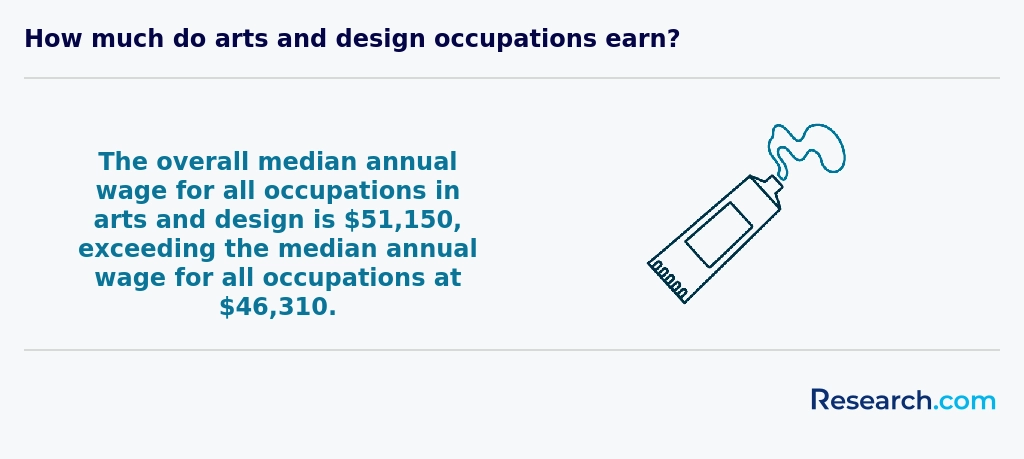
Graduates from fine arts programs in Mobile often find their career paths shaping diverse income opportunities. For example, a graduate working as a graphic artist can expect a mean annual wage of about $64,700, blending creativity with practical skills learned at local institutions like the University of South Alabama. This salary reflects both the steady demand for visual communication in Mobile's growing regional market and the skills honed during their studies.
Those pursuing illustration roles, often inspired by coursework and projects completed at community colleges, may see wages closer to $71,420 annually, enabling them to support modest yet fulfilling lifestyles. Similarly, graduates stepping into art therapy, a field growing nationally and locally, can anticipate around $75,660 per year, blending empathy with artistry.
While the local average salaries tend to be slightly lower than large metropolitan areas, the cost of living in Mobile complements these earnings well. Graduates share how maintaining a balance between artistic passion and income stability is achievable here, especially when leveraging connections forged during college in galleries, schools, or digital platforms.
2027 Best Fine Arts Degree Programs Ranking in Mobile
How do we rank schools?
Investing in your education is a significant decision that can shape your future, and the Research.com team understands the importance of making informed choices. To assist prospective students in Mobile, we have meticulously developed the "2027 Best Fine Arts Degree Programs Ranking in Mobile." Our commitment to quality, credibility, and accuracy is demonstrated through extensive research and thorough analysis to ensure the reliability of this ranking.
We utilized the following reputable data sources to ensure a comprehensive evaluation of fine arts degree programs:
By consulting this ranking, readers will gain valuable insights into the top fine arts programs available in Mobile, empowering them to make well-informed decisions about their educational journeys. For more information about how this ranking was created, please visit our Research.com methodology page.


Key Findings
- Tuition for fine arts degrees in Mobile ranges from $6,000 to $12,000 annually at public universities and can exceed $15,000 at private colleges.
- Additional costs for art supplies may add several hundred dollars each year.
- Entry-level salaries for fine arts graduates are typically between $30,000 and $40,000 per year.
- With experience, some professionals earn $50,000 or more annually after five to ten years.
- The job market is growing in areas like graphic design, digital media, and art education, with opportunities in local galleries and cultural organizations.
- Fine arts programs focus on both practical skills and creative theory to prepare students for various professional roles.
How long does it take to complete fine arts degree in Mobile?
Completing a fine arts degree in Mobile typically takes around four years for students attending full-time, mirroring the national standard. Graduates from institutions like the University of South Alabama often reflect on their four years as a balanced blend of creative exploration and disciplined study. Students immerse themselves in studio art, art history, and broader liberal arts courses, accumulating about 120 to 130 credit hours to earn their Bachelor of Fine Arts (BFA).
Some students find themselves extending this journey due to part-time enrollment or involvement in internships that enrich their real-world experience. For example, a few graduates recall taking summer courses to catch up or lighten their regular semester load, while others appreciated the flexibility to work as they studied. This practical balance often builds confidence and valuable skills without rushing the creative process.
At local community colleges, associate degrees provide a shorter, two-year pathway, offering foundational skills that some use as a springboard to a bachelor's degree later on. Many students express satisfaction in knowing their pace respects their personal and financial circumstances while still advancing their artistic goals.
Campus Life and Student Experience in Mobile, AL
Mobile, AL offers more than just top-tier Fine Arts programs-its vibrant campus life plays a pivotal role in nurturing creative passions. Students frequently praise the dynamic blend of academic rigor and extracurricular activities available, from interactive workshops and gallery exhibitions to community art projects and local festivals. Engaging campus events foster networking and collaboration, enabling students to build lasting relationships with peers, faculty, and industry professionals. Many institutions host open studio sessions, artist talks, and portfolio reviews that mirror professional environments, ensuring graduates are well-prepared for future challenges. For prospective students seeking both quality education and a lively, supportive community, exploring an affordable fine arts school in alabama could be the ideal start to their artistic journey. This harmonious blend of academic excellence and immersive student experiences makes Mobile, AL a uniquely inspiring place to cultivate your creativity.
What's the difference between online and on-campus fine arts degree?
Choosing between online and on-campus fine arts degrees in Mobile often comes down to the learning experience each offers. On-campus programs at institutions like the University of South Alabama provide hands-on access to professional studios, ceramics wheels, and printmaking presses-tools essential for fully immersing in fine arts practice. Graduates recall how in-person critiques and group projects sparked creativity and fostered lasting connections within Mobile's vibrant local art scene. This personal engagement often fuels confidence and a deeper sense of community.
In contrast, online fine arts degrees bring flexibility that suits students balancing work or family. Virtual studios and video demos help recreate practical aspects, though some graduates note that adapting to limited physical interaction requires extra motivation. Accessibility is a clear advantage, especially for those living beyond Mobile. Tuition tends to be comparable, yet online learners save on housing and commuting, freeing resources for materials or workshops.
Ultimately, students in Mobile weighing these paths benefit by reflecting on how much hands-on time and direct faculty interaction they need to thrive creatively and professionally.
Student Life and Campus Community
Fine Arts programs in Mobile, AL, aren’t just about classroom instruction-they offer a dynamic and supportive campus environment that nurtures creativity and personal growth. Students often find that engaging in campus life allows them to broaden their artistic network through student organizations, workshops, community art projects, and frequent exhibitions. Many institutions host open studios and art fairs that connect students with local galleries and professional artists, providing firsthand experience with the vibrant Mobile art scene. For those seeking a well-rounded experience, campus events, mentorship activities, and networking evenings allow for collaboration beyond lectures and studio work. Moreover, by being part of a tight-knit community, students gain access to peer-to-peer learning and extracurricular initiatives that further enhance their creative skills. If you’re evaluating programs, be sure to check out options at an affordable fine arts school in alabama that emphasizes both academic rigor and an engaging student life experience. This holistic approach not only bolsters technical expertise but also helps in developing the confidence and leadership needed to succeed in the competitive world of art.
What is the average cost of fine arts degree in Mobile?
The average cost of earning a fine arts degree in Mobile typically hovers around $37,710, reflecting a blend of tuition, fees, and necessary materials. Many graduates from local institutions, such as the University of South Alabama, recall the balance between investing in their education and the unparalleled creative environment they experienced. In-state students can expect total expenses closer to $24,054, which eases financial pressure while enjoying access to quality programs tailored for budding artists. This balance is crucial when considering the total expenses for fine arts program Mobile offers, allowing students to manage their budget with confidence while diving deep into artistic development.
Graduates often reflect positively on their journey, noting how specialized resources and community support fostered both growth and inspiration. For those weighing private colleges, the cost can be notably higher, but many find that the smaller class sizes and specialized attention justify the investment emotionally and professionally. Beyond tuition, factoring in additional expenses like studio fees and art supplies is vital-these often add $1,000 to $2,000 yearly but are essential for hands-on work and exhibits that shape a student's portfolio and identity.
Prospective students should explore financial aid avenues and scholarships available locally, which many former fine arts students found to be game-changers. For anyone seeking an affordable fine arts school in alabama, understanding these costs in advance helps navigate the exciting path toward a fulfilling artistic career with fewer surprises.
Campus Life and Extracurricular Opportunities in Mobile, AL
Beyond the classroom, Mobile’s fine arts programs offer a thriving campus culture that fuels creativity both on and off campus. Students regularly engage in collaborative projects, participate in art clubs, and attend workshops that are designed to expose them to real-world art experiences. Many institutions host on-campus art exhibitions, guest lectures by established artists, and community outreach events that not only showcase student talent but also strengthen local cultural ties. As you explore your options, consider programs that highlight vibrant student life and practical experiences. In fact, you might want to learn more about an affordable fine arts school in alabama that offers extensive extracurricular support alongside rigorous academic training. This holistic campus experience not only nurtures your artistic vision but also builds lasting connections with peers and industry professionals, setting the stage for a successful creative career.
What financial aid is available to fine arts degree students in Mobile?
Fine arts students in Mobile often find financial aid through a blend of federal, state, and local resources that ease the challenge of tuition costs. Many graduates recount how applying for the Pell Grant via FAFSA significantly lowered their out-of-pocket expenses. With awards up to $7,395 in 2023-2024, this aid is a lifeline for those balancing creativity and financial constraints.
State scholarships like the Alabama Student Assistance Program also play a crucial role. Students attending institutions such as the University of South Alabama share stories of securing merit-based scholarships through ASAP, which provided meaningful relief alongside their federal aid. Early savers benefit, too, by using the Alabama 529 College Savings Program to prepare for expenses ahead of time.
Beyond government aid, local arts organizations and school departments frequently offer targeted support. Several graduates fondly recall receiving jury grants or exhibition stipends awarded by the University of South Alabama's fine arts department. These funds recognize genuine artistic achievement, inspiring students to continue honing their craft without constant financial worry.
Ultimately, the mix of grants, scholarships, and institutional awards in Mobile creates a supportive environment where aspiring artists can pursue their passion with confidence and hope.
Campus Life and Community Engagement in Mobile, AL
Students pursuing a Fine Arts degree in Mobile, AL, don’t just gain academic knowledge-they become part of a vibrant, creative community that enriches every aspect of their educational journey. Beyond the classroom, campuses offer a dynamic environment full of art exhibitions, collaborative workshops, and local cultural festivals that provide both networking opportunities and a real-world taste of the art industry. Students often participate in clubs, group projects, and community events that enable them to build lasting relationships with peers and industry professionals, fostering personal growth alongside professional development. For example, many universities host regular art shows and portfolio reviews that are integral to shaping an artist’s career path, while partnerships with local galleries and nonprofits further enhance hands-on experiences. If you’re exploring options, consider checking out an affordable fine arts school in alabama that not only offers excellent academics but also a vibrant campus life, helping you to integrate seamlessly into both the local and broader art communities. This immersive campus environment is key to developing a well-rounded perspective and achieving success in your Fine Arts career.
What are the prerequisites for enrolling in fine arts degree program in Mobile?
To enroll in a fine arts degree program in Mobile, applicants must first hold a high school diploma or its equivalent, such as a GED. This foundational requirement is a shared expectation among colleges like the University of South Alabama and Bishop State Community College, which are known for nurturing artistic talent locally. Graduates often reflect on how their strong academic foundation eased their transition into demanding studio courses.
A distinctive prerequisite is the submission of a thoughtfully curated portfolio. Successful applicants present diverse works-ranging from detailed sketches to innovative digital pieces-that vividly showcase creativity and technical skill. Fine arts students at Mobile institutions describe this process as both challenging and rewarding, a true opportunity to express their unique artistic voice. The portfolio often carries more weight than test scores, which some schools have made optional.
Letters of recommendation from art teachers or mentors also play a crucial role, providing insights into an applicant's dedication and potential. Many graduates recall how these personalized endorsements helped admissions committees see more than just grades-they revealed character and passion for the arts.
Finally, a personal statement or essay is sometimes requested, allowing applicants to share their artistic journey and goals. Those who embrace this chance find it a meaningful way to connect with faculty and affirm their commitment to a fine arts career in Mobile's vibrant cultural scene.

Accreditation and Program Recognition
Ensuring your Fine Arts degree in Mobile, AL comes from a properly accredited program is vital for transferability, financial aid eligibility, and professional credibility. All major institutions in Mobile-including the University of South Alabama, Spring Hill College, and the University of Mobile-are accredited by the Southern Association of Colleges and Schools Commission on Colleges (SACSCOC). Additionally, their Fine Arts programs hold specialized accreditation from the National Association of Schools of Art and Design (NASAD), which sets rigorous standards for curriculum, faculty qualifications, and facilities. Accreditation benefits: • Quality Assurance: NASAD accreditation guarantees that studio spaces, equipment, and course content meet national benchmarks. • Financial Aid and Scholarships: Only students in SACSCOC-accredited schools qualify for federal grants and loans, helping to reduce out-of-pocket costs. • Credit Transfer: Accredited status ensures smoother credit transfers if you pursue an exchange program, study abroad, or change schools. • Professional Recognition: Employers and graduate schools often require degrees from NASAD-accredited programs for teaching, gallery management, or advanced study. To further enhance your credentials, consider supplementing on-campus training with an accredited online MFA. For students seeking cost-effective options, our best affordable mfa online programs deliver quality instruction, flexible schedules, and the same accreditation standards as traditional degrees. By verifying both regional and programmatic accreditation, you safeguard your investment in education and position yourself for success in the competitive arts landscape.
What courses are typically in fine arts degree programs in Mobile?
Students pursuing fine arts degrees in Mobile often find their coursework thoughtfully balanced between technical skills and creative exploration. Core classes typically include Drawing and Design Fundamentals, Art History, Color Theory, and Studio Practices. These foundational courses are essential, grounding students in both the practical techniques and the rich context of art's evolution-elements highlighted by many graduates from Mobile's well-regarded programs.
For instance, those attending local colleges often share how studio classes brought their ideas to life with clay, canvas, or digital tools, nurturing a sense of accomplishment and artistic identity. Meanwhile, courses in Visual Communication and Contemporary Art Studies challenge students to think critically about art's role today and how they might contribute to it.
Specialization areas such as digital arts or traditional media allow students to tailor their journeys. Graduates recall engaging deeply with animation or ceramics, finding these experiences both technically demanding and creatively rewarding. The blend of rigorous coursework and hands-on projects makes studying fine arts in Mobile a uniquely inspiring path.
What types of specializations are available in fine arts degree programs in Mobile?
Students pursuing a fine arts degree in Mobile find a rich variety of specializations that align closely with their artistic passions and career goals. The fine arts degree specializations in Mobile typically include Painting and Drawing, Sculpture, Graphic Design, Photography, Ceramics, Printmaking, and Art Education. Graduates from prominent local colleges often speak warmly about hands-on experiences in painting studios or digital labs, where they refine skills that blend traditional methods with modern techniques.
For example, those focusing on Graphic Design benefit from the integration of digital technology, preparing them for dynamic careers in visual communication. Others gravitate towards Sculpture or Ceramics, enjoying the tactile satisfaction of working with physical materials, while Photography students relish creative opportunities to capture and curate compelling images.
Many Mobile fine arts program concentration options encourage blending disciplines or exploring digital arts, reflecting the evolving nature of art today. Prospective students should carefully consider their interests and research programs thoroughly. Opportunities for studio access and community involvement at local universities enrich the learning process and prepare students well. For those seeking flexibility and affordability, exploring the best affordable mfa online programs can also be a prudent choice.
How do you choose the best fine arts degree in Mobile?
Choosing the best fine arts degree in Mobile means focusing on programs that truly resonate with your artistic passions and career aspirations. Graduates from popular institutions here often reflect on their experience with hands-on studio access, vibrant faculty mentorship, and rich community connections that helped shape their creativity. Many found that affordable fine arts degrees Mobile offers, especially at public universities, provided not only quality education but also invaluable financial support through scholarships and aid.
Accreditation plays a vital role. When exploring options, look for schools recognized by SACSCOC to ensure your degree holds value both locally and beyond. Alumni recall that this recognition reassured them when pursuing careers or further education.
Another important consideration is how well a program integrates internships and real-world opportunities. Some Mobile colleges cultivate strong ties with galleries and media outlets, allowing students to gain meaningful experience. Also, exploring accelerated bachelor degree programs can be a strategic choice for those eager to start their professional journey sooner.
What career paths are available for fine arts degree students in Mobile?
Graduates pursuing a fine arts degree in Mobile discover a variety of fulfilling career paths uniquely shaped by the city's creative spirit. Many find rewarding roles as visual artists or painters, contributing to local galleries or public installations that enrich the community's vibrant cultural landscape. Others thrive as graphic designers, leveraging Mobile's expanding digital and advertising sectors to combine artistic talent with modern technology.
Jobs for fine arts graduates in Mobile often include opportunities such as illustration for books, magazines, or digital media, reflecting the city's growing media presence. Art educators at local schools and community programs play a vital role in nurturing new talent, while curators and museum technicians contribute to preserving Mobile's cultural heritage at institutions like the Mobile Museum of Art.
Graduates have shared how involvement in the city's festivals and public art projects provides hands-on experience that complements formal training. Some even explore specialized roles like animation or art therapy, using additional certification to enhance their impact. Those considering advanced study may explore easy masters programs to deepen their expertise and widen career options, making Mobile an inspiring place to turn creativity into a meaningful profession.
What is the job market for fine arts degree in Mobile?
The job market for fine arts degree holders in Mobile is shaped by a blend of local culture and broader creative industry trends. Graduates from universities such as the University of South Alabama often find that employment opportunities arise in galleries, museums, and public art programs, yet competition can be quite strong in this vibrant but smaller market. Many emerging artists combine their fine arts skills with digital media or teaching, enhancing their appeal to employers and expanding freelance prospects.
Fine arts degree job opportunities in Mobile typically include project-based work linked to local festivals or partnerships with organizations like the Mobile Arts Council. Graduates describe the importance of building strong community networks and pursuing internships to gain real-world experience. Salaries usually fall below national medians, which encourages creative professionals to diversify their income sources.
For those considering the cost of education, local options keep tuition manageable, and some students explore accelerated pathways, such as a fastest associates degree, to enter the workforce sooner and begin honing their craft within Mobile's supportive art scene.
Frequently Asked Questions About fine arts
Fine arts degree students in Mobile can enhance their learning experience by engaging deeply with both academic and practical opportunities. Many local institutions, such as the University of South Alabama, offer hands-on studio courses that are vital for skill development. Participating in community art events and exhibitions around Mobile can provide valuable real-world exposure. Networking with local artists and visiting galleries enrich understanding of regional artistic trends.
Utilizing resources like the Mobile Museum of Art can offer historical and contemporary perspectives that complement coursework. Additionally, seeking internships or assistantships in local art organizations can build professional skills important for post-graduation success. According to the National Center for Education Statistics, active involvement outside the classroom significantly improves student outcomes in arts degrees nationwide.
The fine arts field is evolving, with new niches gaining prominence, especially for students pursuing degrees in Mobile. One emerging area is digital media arts, combining traditional skills with technology like 3D modeling, animation, and virtual reality. This niche reflects growing demand in entertainment and advertising industries. Additionally, art therapy is expanding, integrating psychology and creativity to support mental health, with programs increasingly offered in nearby universities.
Environmental art is also rising, focusing on sustainability and using art to raise ecological awareness, resonating in Mobile's coastal context. According to the National Endowment for the Arts, digital art careers are expected to grow 10% by 2030, signaling strong opportunities locally.
After completing a fine arts degree in Mobile, preparing for the job market involves building a strong professional portfolio showcasing your best work. Employers in creative fields often prioritize portfolios over resumes. Networking is also essential; engaging with local art organizations, galleries, and events in Mobile, such as the Mobile Museum of Art's exhibitions, can open doors to opportunities.
Internships or freelance projects during or after studies provide real-world experience and valuable industry contacts. According to the U.S. Bureau of Labor Statistics, employment for artists and related workers is projected to grow 4% through 2031, highlighting steady opportunities nationwide, including in cities like Mobile.
Continuing education and mastering digital tools also enhance employability in today's competitive fine arts job market.
Employers in Mobile highly value fine arts degree graduates who demonstrate strong creative abilities and technical proficiency. Key skills include mastery of various artistic media, digital design tools, and a solid understanding of art history and theory. According to the National Endowment for the Arts, adaptability and collaboration are also essential, as many art-related roles require teamwork and flexible approaches.
In Mobile's competitive arts sector, graduates with portfolio development skills and experience in project management stand out. Additionally, communication skills-both visual and verbal-are crucial for effectively presenting ideas to clients or art organizations.
Finding internships in Mobile related to a fine arts degree involves leveraging local resources and institutional connections. The University of South Alabama, which offers fine arts programs, often partners with Mobile's art galleries and museums to provide internship opportunities. Students can also explore roles at institutions like the Mobile Museum of Art or the Mobile Arts Council, which support local artists and exhibitions.
Online platforms such as Handshake and internships.com list fine arts internships in the Mobile area. Networking through local art events, workshops, and social media groups dedicated to Mobile's arts community can also reveal valuable leads. According to the Bureau of Labor Statistics, internships significantly improve employment prospects for fine arts graduates nationwide.
In Mobile, a fine arts degree can significantly enhance career mobility and advancement by equipping graduates with versatile skills valued in various creative industries. According to the National Endowment for the Arts, professionals with fine arts education tend to have higher employment flexibility, often moving between design, media, education, and entertainment sectors.
The city's growing arts scene, supported by local galleries and cultural festivals, creates unique opportunities for networking and career growth. Data from the Bureau of Labor Statistics shows that arts-related occupations in Alabama are projected to grow by approximately 3% through 2030, matching national trends.
Additionally, fine arts graduates in Mobile benefit from access to internships and partnerships with institutions such as the Mobile Museum of Art, which can facilitate professional connections and portfolio development.
Studying for a fine arts degree in Mobile offers unique preparation for interdisciplinary roles by integrating traditional art skills with modern technology and collaboration. Local programs emphasize cross-disciplinary projects, often combining visual arts with digital media, design, and communication technologies. This approach reflects national trends where 68% of art graduates engage in careers requiring multiple skill sets, according to the National Endowment for the Arts.
Mobile's educational institutions partner with nearby cultural centers and tech hubs, providing students hands-on experience in real-world settings. Exposure to such environments ensures graduates can work alongside professionals in marketing, education, and digital industries, enhancing career versatility.
When choosing between a thesis and a non-thesis fine arts degree program in Mobile, students should consider their career goals and learning preferences. Thesis programs typically require a substantial research project or artwork, suitable for those interested in academic or professional artistic careers. Non-thesis options focus more on coursework and practical experience, ideal for students aiming to enter the workforce directly.
In Mobile, schools like the University of South Alabama offer both paths, with thesis tracks often involving close mentorship and exhibitions. According to the National Endowment for the Arts, arts graduates with research experience have a 15% higher chance of pursuing advanced studies.
Cost and time commitment also matter; thesis programs can take longer and may involve higher expenses.
Students based in Mobile interested in studying fine arts abroad have various pathways through U.S. universities with international partnerships. Many institutions offer study abroad programs in European art hubs like Italy and France, where students can immerse themselves in rich artistic traditions. For example, universities in Alabama often facilitate semester exchanges or summer programs abroad focusing on fine arts disciplines.
Additionally, some Mobile students pursue fine arts degrees through schools offering accredited online courses combined with international residencies. According to the National Association of Schools of Art and Design (NASAD), nearly 15% of U.S. art programs have formal study abroad options, often in culturally significant locations.
Students should consult their academic advisors and international offices early to explore scholarships and visa requirements specific to their destination.
Students pursuing fine arts degrees in Mobile can find several part-time job opportunities that enhance their education. Local art galleries and museums, such as the Mobile Museum of Art, often seek assistants or gallery attendants, providing hands-on experience with curation and art presentation. Additionally, freelance design work or art instruction at community centers allow students to build portfolios and teaching skills.
Retail roles in art supply stores give valuable insight into materials and tools essential in fine arts. Some students also find work in event coordination for art festivals, including the Annual Azalea City Festival, which features significant art components. These roles complement academic studies while expanding professional networks.
Fine arts students in Mobile have several valuable networking opportunities that can enhance their educational and professional paths. The city hosts various art galleries, such as the Mobile Museum of Art, which frequently organizes exhibitions and artist talks. These events allow students to connect with local and regional artists, curators, and collectors.
Mobile also benefits from a robust community of art organizations and cultural events like the Annual Mobile Arts Council programs. Participation in these activities offers students chances to build relationships and collaborate on projects.
Local universities often facilitate internships and partnerships with businesses, providing practical networking experiences. According to the National Endowment for the Arts, collaboration between educational institutions and community organizations helps fine arts students gain broader exposure and career opportunities.
Alumni networks play a crucial role for fine arts degree students in Mobile by offering valuable professional connections within the local creative community. Graduates often gain access to exhibitions, workshops, and internships through these networks, which can be vital for building a portfolio and gaining real-world experience. According to the National Art Education Association, strong alumni ties improve job placement rates by up to 20% in arts-related fields across U.S. cities similar to Mobile.
These networks also provide mentorship opportunities, helping current students navigate career paths and industry challenges. For Mobile's fine arts students, alumni connections can open doors to regional galleries and cultural institutions, helping integrate them into the city's arts scene.
Customizing a fine arts degree program in Mobile allows students to align their education with specific career aspirations. Many local institutions offer flexible curricula where students can choose concentrations such as painting, sculpture, digital media, or art education. Electives and independent study options enable deeper exploration of niche interests. Practical experiences, including internships with Mobile's cultural organizations like the Mobile Museum of Art, provide valuable industry exposure.
Students can also tailor their degree by engaging in collaborative projects and portfolio development, which are critical for career readiness. Academic advisors in Mobile schools often assist in planning personalized study paths that reflect evolving job market demands within the arts sector.
Fine arts students in Mobile frequently encounter financial challenges due to limited local funding and scholarships specifically for arts disciplines. According to the Alabama State Council on the Arts, budget constraints affect many regional programs, increasing students' reliance on personal financing or loans.
Another common challenge is access to specialized facilities and resources. Many Mobile institutions offer fine arts programs but may lack advanced studios or equipment compared to larger metropolitan schools, which can restrict hands-on learning.
Additionally, students often struggle with limited local internship and exhibition opportunities. The smaller arts market in Mobile, as noted by community arts organizations, provides fewer platforms for emerging artists to gain professional exposure during their studies.
Resilience and creativity in overcoming these obstacles are essential for success in Mobile's fine arts education environment.
With a fine arts degree, several professional certifications can enhance career prospects in Mobile and beyond. Aspiring art educators often pursue state teaching certifications, required for public school employment. In Alabama, this involves meeting the Alabama State Department of Education guidelines, including passing the Praxis exams.
For artists wanting to work in museum or gallery settings, the Certified Museum Professional credential from the American Alliance of Museums is valuable, though not specific to Mobile. Additionally, certification in graphic design or digital arts through organizations like Adobe can boost employability in commercial sectors.
Some fine arts graduates also pursue certification in art therapy, which requires further study and licensure but offers specialized career paths.
Applying to a fine arts program in Mobile requires a well-prepared portfolio as the centerpiece of your submission. Colleges in the area, such as the University of South Alabama, often emphasize creativity and technical skill. Applicants should curate 10-15 pieces showing a range of techniques and media.
In addition to the portfolio, a strong personal statement explaining your artistic goals and inspirations is crucial. Remember to tailor your essay to the specific program's focus, demonstrating knowledge of its curriculum and faculty.
Letters of recommendation from art instructors or professionals who understand your work significantly strengthen your application. Check each school's requirements carefully for deadlines and any additional documents.
The global perspectives on a fine arts career reflect increasing appreciation for creative professions across many cultures, including the United States. In Mobile, Alabama, fine arts degrees are gaining traction due to growing local support for the arts through galleries, public art projects, and community events.
According to the National Endowment for the Arts, about 5.1 million U.S. adults work in arts-related fields, with fine arts being a significant portion. Mobile's art scene contributes to this trend by fostering opportunities for graduates to engage in creative industries locally and beyond.
Internationally, fine arts careers emphasize versatility, with artists often combining traditional skills with digital media. U.S. education programs, including those in Mobile, increasingly incorporate technology, preparing students for diverse global markets.
Students pursuing a fine arts degree in Mobile can gain valuable practical experience through local internships and community projects. Many colleges collaborate with Mobile's vibrant arts scene, offering opportunities to work with galleries, theaters, and museums like the Mobile Museum of Art. Participating in these settings helps students apply classroom techniques to real-world projects.
Additionally, enrollment in studio practice classes and participation in juried exhibitions allow hands-on skill development. According to Alabama's higher education data, nearly 60% of fine arts students engage in internships or practicums before graduation. Networking with local artists and attending workshops also enhances professional growth.
Choosing the right concentration within a fine arts degree program in Mobile involves understanding your personal interests and the local art scene. Fine arts programs typically offer concentrations like painting, sculpture, digital media, or photography. Consider which mediums excite you and where your strengths lie. Research shows that programs in Mobile emphasize community engagement and practical skills, reflecting the city's vibrant arts culture supported by institutions like the Mobile Museum of Art.
It's helpful to review course offerings and faculty expertise at Mobile's colleges to find a concentration aligned with your career goals. Additionally, internships and local gallery opportunities can provide hands-on experience and networking advantages in your chosen field.
Related Fine Arts Rankings for Nearby Cities
- 2027 Best Fine Arts Degree Programs Ranking in New Orleans
- 2027 Best Fine Arts Degree Programs Ranking in Atlanta
- 2027 Best Fine Arts Degree Programs Ranking in Memphis
- 2027 Best Fine Arts Degree Programs Ranking in Jacksonville
- 2027 Best Fine Arts Degree Programs Ranking in Nashville
- 2027 Best Fine Arts Degree Programs Ranking in Houston
- 2027 Best Fine Arts Degree Programs Ranking in Dallas
- 2027 Best Fine Arts Degree Programs Ranking in Denton
- 2027 Best Fine Arts Degree Programs Ranking in Saint Louis
- 2027 Best Fine Arts Degree Programs Ranking in Miami
Top Trending Fine Arts Rankings
References
- 404 – Seite nicht gefunden https://www.gostudent.org/en-gb/blog/what-jobs-can-you-get-with-a-fine-arts-degree
- Fine Arts https://en.uap.edu.pl/admission/programmes/fine-arts/
- Master in Fine Arts: Subjects, Specializations, Scope & Career 2026 https://www.cguonline.edu.ge/blog/master-in-fine-arts-subjects-specializations-scope-career/
- How to Network as an Artist - AGI Fine Art Blog https://agifineart.com/advice/the-art-of-reputation-how-to-network-if-youre-an-emerging-artist/
- Certificate of Fine Arts | CFA Programs - New York Academy of Art https://nyaa.edu/continuing-studies/certificate-of-fine-arts/
- From Real to Virtual: Reimagining reality through digital art. https://elibrary-forum.sdpsg.101.com/topic/719/from-real-to-virtual-reimagining-reality-through-digital-art/4
- Is a thesis always mandatory in a master's degree program? - EFMU: The Euler-Franeker Memorial University and Institute https://euler.euclid.int/is-a-thesis-always-mandatory-in-masters-degree-program/
- Giles Blog | The Giles School https://www.gilesschool.ca/giles-blog-page/~board/giles-blog/post/the-role-of-arts-education-in-cognitive-development
- Networking - Weaving Your Web as an Art Graduate - Visual Artists Association https://visual-artists.org/resources/networking-weaving-your-web-as-an-art-graduate/
- Challenges in Undergraduate Art Education - Arts Education Partnership https://www.aep-arts.org/challenges-in-undergraduate-art-education/