2027 Best Fine Arts Degree Programs Ranking in Cincinnati

Co-Founder and Chief Data Scientist
Choosing the right fine arts degree program in Cincinnati can feel overwhelming. That's why this article presents the 2027 Best Fine Arts Degree Programs Ranking in Cincinnati, created by the Research.com team of data scientists. It's designed to help you make an informed decision about where to study.
Exploring these top programs can open doors to creative careers that inspire and challenge you. Pursuing a fine arts degree lets you develop your passion while gaining valuable skills for the future. Dive in and discover which programs align best with your artistic goals.
Key benefits of getting fine arts degree in Cincinnati
- Salary for fine arts graduates: Graduates can expect rewarding careers with salaries like $71,420 annually for illustrators or $109,630 for animators, reflecting strong earning potential in Cincinnati's creative industries.
- Career paths: A fine arts graduate from the University of Cincinnati has diverse options, including graphic design, animation, and art therapy, opening doors to fulfilling and vibrant creative professions.
- Online degree benefits: Completing a fine arts degree online from schools like the University of Cincinnati offers flexible scheduling and access to expert faculty, making education more convenient without sacrificing quality.
- Key benefits of getting fine arts degree in Cincinnati
- What can I expect from fine arts degree in Cincinnati?
- Where can I work with fine arts degree in Cincinnati?
- How much can I make with fine arts degree in Cincinnati?
- 2027 Best Fine Arts Degree Programs Ranking in Cincinnati
- Key Findings
- How long does it take to complete fine arts degree in Cincinnati?
- Campus Life and Community Engagement
- What's the difference between online and on-campus fine arts degree?
- Campus Life and Community Engagement in Cincinnati Fine Arts Programs
- What is the average cost of fine arts degree in Cincinnati?
- Campus Life and Community Engagement
- What financial aid is available to fine arts degree students in Cincinnati?
- Internships and Industry Partnerships
- What are the prerequisites for enrolling in fine arts degree program in Cincinnati?
- Campus Life and Student Experience in Cincinnati, OH
- What courses are typically in fine arts degree programs in Cincinnati?
- What types of specializations are available in fine arts degree programs in Cincinnati?
- How do you choose the best fine arts degree in Cincinnati?
- What career paths are available for fine arts degree students in Cincinnati?
- What is the job market for fine arts degree in Cincinnati?
- Top Trending Fine Arts Rankings
What can I expect from fine arts degree in Cincinnati?
Imagine stepping into a bright studio at a Cincinnati college, brush in hand, surrounded by fellow artists all fueled by passion and possibility. For many, the journey toward a fine arts degree here balances creativity with careful budgeting. The average tuition hovers around $11,000 per year for in-state students at public institutions like the University of Cincinnati, where a graduate recalls stretching every dollar while gaining access to top-tier resources and face-to-face mentorship from seasoned artists.
Private colleges offer more intimate class sizes and extensive facilities, often doubling the tuition cost but enriching the learning experience in ways many graduates cherish-like exclusive gallery showings and hands-on community projects with iconic local museums. Students often describe feeling immersed in a cityscape that pulses with artistic energy, where every dollar spent translates into vibrant workshops, cultural exchanges, and connections that extend far beyond the classroom walls.
Where can I work with fine arts degree in Cincinnati?
Graduates from Cincinnati's fine arts programs, like those at the University of Cincinnati and Art Academy of Cincinnati, often find themselves immersed in a vibrant ecosystem of creativity. Imagine stepping into the halls of the Cincinnati Art Museum, where your ideas shape exhibitions or educational workshops. Or envision collaborating with dynamic teams at the Contemporary Arts Center, designing installations that challenge the ordinary.
Others channel their skills towards Cincinnati's bustling graphic design and advertising scenes, crafting visuals that enliven brands and tell stories in the city's marketing firms. Graduates feel the thrill of contributing to a creative economy that pumps over a billion dollars into the region annually.
Many also embrace teaching roles in local schools or community centers, spreading their passion for art to eager learners. Some find magic behind the curtains at the Cincinnati Playhouse in the Park, mastering set and costume design.
For those hungry to connect, artist collectives and events like the Cincinnati Art Fair offer invaluable networks, turning portfolios into career-launching platforms within this culturally rich city.
How much can I make with fine arts degree in Cincinnati?
Graduates from Cincinnati's fine arts programs often find themselves stepping into a vibrant creative economy where earnings can feel as dynamic as their portfolios. Imagine a recent graduate from the University of Cincinnati who channels their passion into illustration, earning around $71,420 annually-enough to support studio rent and art supplies while chasing gallery dreams.
Meanwhile, a graphic artist starting out might command a mean yearly wage near $64,700, blending technical skill with creative flair to secure steady gigs in the city's bustling design scene. At nearby colleges, art therapy graduates are tapping into the $75,660 average salary, transforming lives while building a rewarding career.
If animation is your playground, Cincinnati's talent pool benefits from mean wages soaring to $109,630-showing how digital artistry can unlock lucrative paths beyond traditional canvases. These figures aren't just numbers; they reflect stories of resilience, late-night projects, and breakthroughs shared by students who have walked Cincinnati's artistic halls.
2027 Best Fine Arts Degree Programs Ranking in Cincinnati
How do we rank schools?
Investing in your education is a significant decision that can shape your future, and the Research.com team understands the importance of making informed choices. To assist prospective students in Cincinnati, we have meticulously crafted the "2027 Best Fine Arts Degree Programs Ranking in Cincinnati." Our commitment to quality, credibility, and accuracy is reflected in the extensive research and analysis conducted to compile this ranking.
We utilized the following reputable data sources to ensure a comprehensive evaluation of fine arts programs:
By exploring this ranking, readers will gain valuable insights into the best fine arts degree programs available in Cincinnati, helping them make well-informed decisions about their educational paths. For more details on our methodology, please visit our Research.com methodology page.


Key Findings
- Tuition for fine arts programs in Cincinnati public universities ranges from $10,000 to $15,000 per year for in-state students, while private schools charge between $25,000 and $35,000 annually.
- Fine arts graduates in Cincinnati earn an average starting salary of about $38,000 per year, slightly below the national average for arts fields.
- After five to ten years, median earnings for graduates often rise to around $50,000 per year, reflecting career growth and combined skill roles.
- Cincinnati offers BFA and BA degrees with concentrations in painting, sculpture, photography, and digital art, plus minors in arts management and education.
- The cost of living in Cincinnati is relatively affordable, supporting students financially while providing access to museums and creative communities.
How long does it take to complete fine arts degree in Cincinnati?
Imagine walking through the vibrant halls of the University of Cincinnati, brushes in hand, your canvas alive with stories yet to be told. Most graduates find themselves immersed in this creative rhythm for about four years, balancing studio sessions with courses that sharpen their artistic voice. This four-year journey forms the heartbeat of a Bachelor of Fine Arts, weaving foundational skills with bold, personal exploration.
For those who dare to dive deeper, the Master of Fine Arts adds two to three more years-a time when graduates sculpt their craft into a professional masterpiece. Some juggle internships or study abroad programs, expanding horizons but occasionally stretching that timeline.
Whether in bustling studios or quiet reflective spaces on campus, Cincinnati's art students often speak of time not just as years ticking away, but as chapters of transformation. Part-time paths meander differently, allowing creativity to blossom without rush but sometimes extending the adventure beyond the typical span.
- Bachelor of Fine Arts (BFA): 4 years full time
- Master of Fine Arts (MFA): 2-3 years post-BFA
- Part-time enrollment can extend program length
Campus Life and Community Engagement
A vibrant campus life plays a pivotal role in shaping your Fine Arts education. Beyond the classroom, students immerse themselves in a rich cultural environment that includes campus art clubs, student-run galleries, and collaborative workshops with local artists. Experiencing firsthand the creative energy on campus not only fuels your artistic growth but also helps build a robust professional network. Many art institutions in Cincinnati offer dynamic extracurricular activities-like community art projects and on-campus exhibitions-that allow you to translate classroom theories into practical real-world experiences. If affordability is a concern, discovering the benefits of the most cost-effective programs can be a game-changer. For instance, students often consider programs listed among the cheapest fine arts schools in ohio to balance exceptional academic and practical experiences with financial accessibility. Engaging deeply with campus life ensures that, as a Fine Arts student, you not only develop artistic skills but also create lasting connections that enrich your career and personal journey in the art world.
What's the difference between online and on-campus fine arts degree?
Picture yourself wandering the halls of the University of Cincinnati's College of Design, Architecture, Art, and Planning, brush in hand, surrounded by vibrant canvases and the hum of creative energy. On-campus students thrive in this tactile world, soaking up mentorship from professors face-to-face while accessing specialized studios where ideas are born and shaped. Graduates often recall late nights collaborating on projects, drawing inspiration directly from Cincinnati's bustling galleries and museums, their portfolio blossoming within the local arts pulse.
Now, contrast that with the rhythm of an online student-juggling a sketchpad between work calls or capturing fleeting creative sparks in digital form from a quiet corner of their home. Flexibility fuels their journey, yet the occasional craving for tangible studio time means some seek local residencies or community partnerships around Cincinnati to bridge the virtual gap. These learners prize autonomy and managing their time, developing discipline as much as their craft. Both paths carve unique experiences, tailored by how you wish your art story to unfold.
Campus Life and Community Engagement in Cincinnati Fine Arts Programs
Cincinnati’s vibrant art scene extends far beyond the classroom, offering Fine Arts students an immersive campus life and rich community engagement opportunities. Students not only participate in studio projects and exhibitions, but they can also join collaborative art clubs, attend local gallery events, and explore mentorship programs that connect them with experienced professionals in the field. This active environment fosters creativity, builds strong networking skills, and enhances personal growth, making the educational journey as dynamic as it is transformative. Engaging in extracurricular activities such as campus art shows, community murals, and interactive workshops cultivates a sense of belonging and positions students for long-term success in the arts. Moreover, prospective students looking for budget-friendly options might also explore the cheapest fine arts schools in ohio, which complement academic excellence with accessible, community-focused experiences.
What is the average cost of fine arts degree in Cincinnati?
Imagine embarking on your fine arts journey at the University of Cincinnati, where the median total cost for earning that coveted degree hovers around $26,063 for in-state students. Graduates often reminisce about the rich experiences, from late-night studio sessions to immersive critiques, blending affordable tuition with a vibrant arts community. Yet, for those venturing from outside Ohio, the landscape changes-median expenses escalate to roughly $50,835, reflecting the broader investment required.
At the Art Academy of Cincinnati, students dive deep into their crafts amid smaller class sizes and specialized studios, but they also embrace the reality of private school pricing. Hidden beneath the apparent tuition numbers lies a tapestry of additional expenses-canvases, brushes, digital tools-adding another thousand or more per year. These are the color splashes that bring the fine arts degree to life, underscoring the total expenses for fine arts degree Cincinnati students must consider beyond just tuition.
Many graduates highlight how balancing cost and quality is a delicate dance, especially when scouting for financial aid. Cincinnati's educational landscape offers merit-based and need-based scholarships that lift some financial weight. For prospects eager to explore budget-friendly paths without sacrificing creative depth, viewing the cheapest fine arts schools in ohio is a valuable step toward making inspired choices.

Campus Life and Community Engagement
One essential aspect that prospective Fine Arts students often consider is the vibrant campus life and community engagement that can enrich both their academic and creative journeys. In Cincinnati, many institutions host frequent art exhibitions, collaborative workshops, and networking events that help students connect with local artists, industry professionals, and cultural organizations. These activities not only foster creative inspiration but also offer practical opportunities for internships and real-world artistic collaborations. Moreover, student clubs and campus organizations create spaces for peer-to-peer learning and community building, which can be invaluable for developing lifelong relationships and professional networks. For those weighing the financial aspects of selecting a program, exploring resources like the cheapest fine arts schools in ohio might offer deeper insights into balancing quality education with affordability while still enjoying an active and engaging campus life. This holistic environment supports personal growth, nurtures creative talents, and prepares graduates not only for successful careers but also for meaningful contributions to the broader art community.
What financial aid is available to fine arts degree students in Cincinnati?
Imagine a fine arts student roaming the halls of the University of Cincinnati's College-Conservatory of Music, portfolio in hand, relieved by a merit-based scholarship that transforms dreams into doable days. Financial aid here isn't just a line item; it's the lifeline. Federal grants like the Pell Grant paint a vivid picture of possibility-granting up to $7,395 yearly with no strings attached, freeing artists to focus on creation instead of accounts.
Down the street, a student at the Art Academy of Cincinnati taps into the Ohio College Opportunity Grant, a need-based boost that helps ease tuition worries for Ohio residents, making that brushstroke or sculpting session feel less like a luxury, more like a plan. Local scholarships and grants from foundations such as the Greater Cincinnati Foundation echo the city's artistic heartbeat, rewarding passion with tangible support.
Work-study programs embed students within their craft-running galleries or maintaining studios while earning, blending experience with income. Tuition waivers and employer reimbursements often pop up like surprise gifts, turning financial puzzles into pieces that fit perfectly into a Cincinnati artist's story.
Internships and Industry Partnerships
One of the most impactful ways to gain real-world experience during your Fine Arts degree in Cincinnati is through structured internships and vibrant industry partnerships. Local institutions such as the Cincinnati Art Museum, Contemporary Arts Center, and Findlay Market’s community art initiatives collaborate with programs at the University of Cincinnati’s DAAP and Xavier University to offer semester-long internships. Participants work alongside professional curators, designers, and gallery directors, contributing to exhibition planning, public installations, and digital marketing campaigns. Fine Arts students often secure placements at design studios and creative agencies, managing client briefs and producing work that immediately enhances their portfolios. For those focusing on digital arts or animation, it’s also valuable to consider programs recognized among the best schools for animation, which frequently partner with leading animation studios and multimedia firms. By leveraging these industry connections, you’ll not only refine your technical skills but also build a professional network that eases the transition from campus to career.
What are the prerequisites for enrolling in fine arts degree program in Cincinnati?
To dive into a fine arts degree in Cincinnati, you'll need more than just a high school diploma or GED; it's your creative spirit that truly opens doors. Imagine sitting in your favorite coffee shop, sketchbook in hand, compiling the portfolio that Cincinnati's top universities cherish-layers of charcoal drawings, bold acrylics, and digital creations that tell your story. Graduates often reflect on this moment as the heartbeat of their application, a vivid showcase of raw passion and skill.
Cincinnati's art programs also invite you into a conversation-sometimes literally-with interviews or auditions where you can share your artistic dreams face-to-face with faculty. Picture the warmth of that dialogue, the genuine curiosity experienced students recall, unlocking trust and excitement in both directions.
While SAT or ACT scores mostly fade into the background, letters from mentors who've witnessed your relentless dedication still hold weight, giving personal testament to your promise. And when you crunch numbers, remember Cincinnati's public universities blend affordability with opportunity, often sprinkled with scholarships tailored to artists eager to turn their vision into reality.
Campus Life and Student Experience in Cincinnati, OH
Cincinnati offers a dynamic and inspiring backdrop for Fine Arts students beyond the classroom. As you step onto campus, you'll discover an environment that not only fuels your creativity but also connects you with a vibrant local art scene. Students frequently participate in on-campus gallery exhibitions, collaborative murals, and community art events that bring theory to life and foster a deep sense of belonging. Many campuses host art clubs, interdisciplinary workshops, and networking events with local artists, curators, and cultural organizations-providing opportunities to build a professional portfolio while exploring the city's creative pulse. For those looking for budget-friendly education in this thriving arts community, consider checking out the cheapest fine arts schools in ohio, which offer affordable tuition without compromising on quality. The inclusive campus life not only enhances your academic experience but also prepares you for a successful career by encouraging hands-on learning, mentorship, and community engagement both locally and beyond.
What courses are typically in fine arts degree programs in Cincinnati?
Imagine stepping into a studio at a Cincinnati university, where the scent of charcoal mingles with the hum of digital screens-this is where foundational courses like drawing, painting, and sculpture shape your tactile connection to art's raw materials. Graduates often recall the empowering rush of mastering color theory while dissecting design principles, unlocking new ways to communicate visually. At campuses known for their fine arts, students blend traditional printmaking and ceramics with experimental photography, crafting portfolios that scream originality.
Then comes the pulse of history and theory classes-where a passionate professor might ignite your curiosity by tracing art's rebellious streaks through centuries, making you see today's digital media courses as part of a living continuum. New media workshops challenge you to wield virtual clay or code interactive installations, a thrilling leap for those ready to push boundaries.
Collaborative projects and exhibitions aren't just assignments but celebratory moments, where the vibrancy of Cincinnati's art community converges, sending alumni into the world armed with confidence, creativity, and a story to tell.
What types of specializations are available in fine arts degree programs in Cincinnati?
In Cincinnati, fine arts degrees bloom with vibrant specializations that echo both tradition and innovation. Graduates from local colleges often recall the immersive rush of Studio Art, where paintbrushes flicker across canvases like live electricity, and sculpture classes transform raw clay into whispers of human emotion. Graphic Design students buzz with excitement as they fuse creativity and tech, crafting sleek branding projects that stir the city's growing digital heart.
The city's strong fine arts culture also nurtures Photography talents who wander from art studios to urban landscapes, capturing moments that blur the line between documentary and dream. Unique hands-on crafts like Ceramics and Textile Arts offer a tactile escape, inviting students to mold stories through texture and form, much like those who explore the intricate weaves of Cincinnati's cultural fabric.
For those fascinated by art's whispers through time, Art History programs at Cincinnati's universities provide a rich tapestry of historical insight. This blend of creative pulses makes fine arts specializations in Cincinnati both inspiring and deeply connected to real-world possibilities. Students keen on expanding their horizons might even explore the best schools for animation, adding dynamic storytelling to their artistic arsenal.
How do you choose the best fine arts degree in Cincinnati?
Choosing the best fine arts degree programs Cincinnati offers means diving into a whirlwind of colors, textures, and institutions that spark your creative soul. Imagine yourself walking through the studios at the University of Cincinnati's College-Conservatory of Music or the Art Academy of Cincinnati, surrounded by buzzing energy, mentors chasing their latest exhibitions, and peers sculpting tomorrow's masterpieces. Graduates from these schools often share how NASAD accreditation gave them confidence their degree carried weight beyond the classroom, unlocking doors in galleries and careers.
Affordability plays a starring role too-finding affordable fine arts colleges in Cincinnati ensures your passion doesn't outpace your budget. Those who balanced tuition with scholarships or work-study grasped the true art of financial harmony. One even discovered unexpected support by exploring options like the best 6 month certificate programs that pay well to supplement their income and skills.

What career paths are available for fine arts degree students in Cincinnati?
Graduates with a fine arts degree in Cincinnati dive into a vibrant pool of opportunities that merge creativity with real-world impact. Immersed in the rich cultural fabric offered by institutions like the University of Cincinnati and Xavier University, many find themselves curating exhibitions or teaching art in bustling local schools, transforming passions into meaningful careers. The city's contemporary galleries and museums create lively platforms where graduates exhibit their work, building reputations while engaging communities in conversation through art.
Exploring fine arts careers in Cincinnati also means stepping into dynamic commercial realms-imagine graduates shaping stunning visuals in advertising agencies, or crafting interactive digital experiences fueled by Cincinnati's growing tech scene. Alumni often share how their time at local colleges sparked skills that translate smoothly into multimedia design, animation, or game creation.
Job opportunities for fine arts graduates Cincinnati offer extend further into education and management, with many taking roles in school arts programs or museum administration. The journey sometimes includes entrepreneurial freelance work, where artists nurture business acumen alongside creativity. For those curious about the journey, starting with the easiest degree to get in related fields might open additional doors.
What is the job market for fine arts degree in Cincinnati?
The fine arts career opportunities Cincinnati offers blend the city's historic artistic flair with a pulse on new media and entrepreneurial ventures. Graduates from renowned local institutions often find themselves crafting vivid futures: one might teach innovative art programs at Cincinnati's community colleges, another could curate captivating exhibits at the Contemporary Arts Center, while others harness graphic design skills in Cincinnati's expanding tech and business hubs. This variety demands adaptability but rewards with moments of creative freedom and community connection.
From the bustling studios of university graduates to the vibrant pulses of art collectives, the job outlook for fine arts graduates Cincinnati thrives on flexibility and innovation. Most positions are project-based or part-time, yet the region's moderate living costs help stretch wages that nationally averaged around $52,340 in 2022. Beyond typical employment, entrepreneurial spirits often launch freelance careers, supported by robust local incubators and public arts funding that animates seasonal projects.
Many fine arts students wrestle with tuition costs ranging $10,000 to $15,000 annually at Ohio public universities, balancing financial commitment and creative passion. For tips on managing education expenses while investing in a future in arts, exploring the cheapest online doctorate options can be a smart step.
Frequently Asked Questions About fine arts
Fine arts degree students in Cincinnati can maximize their learning experience by actively engaging with the city's vibrant arts community. Cincinnati is home to several respected institutions, including the Art Academy of Cincinnati and the University of Cincinnati College of Design, Architecture, Art, and Planning (DAAP), both offering rich educational resources.
Students benefit from internships and collaborations with local galleries, theaters, and museums like the Cincinnati Art Museum, which attracts over 500,000 visitors annually according to the museum's 2022 report. Networking in such venues offers practical experience beyond the classroom.
Participation in citywide arts events and festivals also enhances exposure to diverse artistic styles. Additionally, seeking mentorship from faculty and professionals helps deepen technical skills and artistic vision.
The fine arts field in Cincinnati is evolving to include several emerging niches that reflect broader cultural and technological shifts. One growing area is digital and multimedia art, where artists employ digital tools to create interactive installations and virtual experiences. This niche aligns with increasing demand from local galleries embracing technology-based exhibits.
Another notable trend is community-engaged art, which focuses on public art projects that involve and address Cincinnati's diverse neighborhoods. This approach fosters social change and inclusion, supported by organizations such as the Cincinnati Arts Association.
Additionally, conservation and restoration of artworks have become important, especially given Cincinnati's rich collection of historical art. Interest in sustainable art practices is also rising, where artists prioritize eco-friendly materials and methods.
These niches provide practical pathways for fine arts graduates, responding to Cincinnati's unique cultural landscape and job market.
Graduates with a fine arts degree in Cincinnati should focus on building a strong portfolio showcasing their best work, as this is crucial when seeking employment. Networking with local art organizations such as the Cincinnati Arts Association can open opportunities for freelance projects and exhibitions. Additionally, gaining experience through internships or cooperative education programs offered by universities helps develop practical skills and industry connections.
Understanding the local job market is important; according to the U.S. Bureau of Labor Statistics, there is steady demand for artists and designers in Ohio, with Cincinnati showing growth in creative industries. Learning digital tools and marketing oneself online further enhances job prospects for fine arts graduates in the region.
Employers in Cincinnati seeking fine arts degree graduates prioritize a blend of creative and technical skills. Strong proficiency in various artistic techniques, such as drawing, painting, or digital media, remains essential. In addition, graduates must demonstrate effective communication skills to collaborate within interdisciplinary teams.
According to the Ohio Arts Council, adaptability and problem-solving abilities are increasingly valued, as many local employers look for artists comfortable working in diverse environments. Knowledge of art history and theory enhances graduates' ability to contribute meaningfully to projects.
Technical skills in software like Adobe Creative Suite or 3D modeling programs also boost employability. Moreover, business acumen, including project management and marketing, is beneficial in Cincinnati's competitive arts job market.
Finding internships in Cincinnati relevant to a fine arts degree involves exploring local art institutions, galleries, and educational organizations. Cincinnati hosts a vibrant arts community, including institutions like the Contemporary Arts Center and the Cincinnati Art Museum, which often offer internship opportunities for fine arts students.
Many Cincinnati colleges with fine arts programs, such as the University of Cincinnati's College of Design, Architecture, Art, and Planning (DAAP), provide resources and career centers dedicated to connecting students with internships. Using these services can help you access verified internships tailored to your field.
Additionally, websites like the Ohio Arts Council and local job boards list arts-related internships. Networking through artist collectives and attending art events in Cincinnati also enhances internship prospects. According to the National Association of Colleges and Employers, around 60% of fine arts graduates secure internships to gain practical experience, improving future employment chances.
A fine arts degree in Cincinnati can significantly enhance career mobility and advancement for graduates. The city's vibrant arts scene, including institutions like the Cincinnati Art Museum and local galleries, offers many professional opportunities in visual arts, design, and related fields.
According to the U.S. Bureau of Labor Statistics, artists and designers in Ohio saw a 5% job growth from 2021 to 2023, aligning with national trends. Cincinnati's growing creative economy supports roles beyond traditional studios, including marketing, education, and digital media.
Graduates with fine arts degrees often have access to internships and networking through Cincinnati's universities, which further improve employment prospects and upward mobility within creative industries.
Studying for a fine arts degree in Cincinnati offers a unique advantage through its strong emphasis on interdisciplinary education. Many programs integrate courses from areas such as digital media, theater, music, and design, encouraging students to apply artistic concepts across multiple disciplines. This approach reflects the evolving job market, where creative professionals often need diverse skill sets.
Local institutions collaborate with Cincinnati's vibrant arts district and technology companies, providing practical experiences that bridge traditional and modern art forms. According to the National Endowment for the Arts, this region supports numerous interdisciplinary projects, fostering innovation and versatility among graduates.
Choosing between a thesis and a non-thesis fine arts degree program in Cincinnati depends on your academic and professional goals. Thesis programs typically require a substantial research or creative project, ideal for students aiming for advanced study or careers in academia and research. Non-thesis options focus more on coursework and practical skills, appealing to those seeking immediate employment in artistic fields.
In Cincinnati, several institutions offer both formats with varying credit requirements, generally 30-36 credits. According to the National Center for Education Statistics, thesis tracks may take longer but often provide deeper specialization. Consider your timeline, interests, and career plans carefully.
Local art institutions such as the Art Academy of Cincinnati emphasize practical experience, which aligns well with non-thesis paths. Meanwhile, programs affiliated with universities like the University of Cincinnati may offer thesis tracks with access to extensive research resources.
Students based in Cincinnati who wish to study fine arts abroad have several pathways through their home institutions. Many Cincinnati colleges and universities with fine arts programs, such as the University of Cincinnati, participate in international exchange programs. These partnerships allow students to spend a semester or year at renowned art schools worldwide, gaining exposure to different artistic traditions and techniques.
Additionally, some Cincinnati universities offer faculty-led study abroad trips focused on fine arts, providing immersive experiences in cities known for their art scenes like Paris or Florence. According to the Institute of International Education, about 14% of US study abroad students engage in arts and humanities fields, highlighting the popularity of such options.
Financial aid and scholarships for study abroad are often available through home institutions, easing the cost barrier. Students are encouraged to consult their university's study abroad office to explore tailored programs, application deadlines, and credit transfer policies that suit their fine arts degree requirements.
Students pursuing fine arts degrees in Cincinnati can find several part-time job opportunities that enrich their education and build professional experience. Many museums and galleries, such as the Cincinnati Art Museum, frequently hire part-time assistants and educators. These roles provide direct exposure to art curation and art history.
Local theaters and performing arts centers often seek stagehands, costume assistants, or graphic designers, offering practical experience in various art forms. Additionally, freelance work in art-related fields like illustration or photography is common among students, supported by Cincinnati's vibrant creative community.
According to the Greater Cincinnati Arts Council, the arts sector employs thousands, making part-time roles accessible and valuable for fine arts students.
Fine arts students in Cincinnati benefit from diverse networking opportunities that connect them with local artists, galleries, and cultural institutions. The city hosts various events such as the Cincinnati Art Museum's exhibitions and artist talks, which provide direct access to the regional art community. Students often engage with organizations like the Contemporary Arts Center and the Cincinnati Art Galleries Association, fostering professional relationships.
Colleges like the University of Cincinnati offer networking programs and internships in collaboration with local arts organizations. According to a 2023 report by the Greater Cincinnati Arts Council, over 60% of fine arts students participate in community projects that enhance practical connections. These opportunities can be crucial for career development in the arts.
Alumni networks in Cincinnati's fine arts community offer valuable benefits to current students. These networks provide mentoring opportunities, connecting students with experienced artists who share career advice and industry insights. According to the National Association of Colleges and Employers, students who engage with alumni networks are 12% more likely to secure internships or jobs post-graduation.
In Cincinnati, several institutions maintain active alumni groups that host workshops, exhibitions, and networking events specifically for fine arts students. These connections can lead to gallery placements, collaborations, and freelance opportunities. Additionally, alumni often assist with portfolio reviews and job referrals, fostering professional growth within the local arts scene.
Overall, alumni networks in Cincinnati are vital resources that support fine arts students by bridging academic experiences with real-world artistic careers.
Fine arts degree programs in Cincinnati often offer flexible curriculum paths to help students align their studies with specific career goals. Many institutions allow students to choose concentrations such as painting, sculpture, digital media, or graphic design. This focus enables deeper skill development in a chosen medium.
Students can also tailor their electives and participate in internships with local arts organizations, galleries, or theaters, enhancing practical experience. According to the National Center for Education Statistics, hands-on opportunities improve job readiness significantly.
Furthermore, some Cincinnati schools provide interdisciplinary options, combining fine arts with business or education courses for broader career prospects. Advising services are key in personalizing degree plans based on the student's aspirations and industry trends.
Fine arts students in Cincinnati often face several distinct challenges throughout their education. A primary difficulty is balancing creative development with financial pressures. According to the National Endowment for the Arts, many students struggle with limited funding for art supplies and studio space, which can hinder their practical learning experience.
Additionally, securing internships and professional opportunities in Cincinnati's competitive arts market can be challenging. Local galleries and art organizations offer limited placements, making networking essential for career advancement.
Students also report stress related to subjective grading in fine arts programs, as evaluating creative work can vary widely among instructors. This adds uncertainty to academic performance.
Moreover, adapting to technology-driven tools while preserving traditional techniques requires continuous effort, reflecting a broader national trend in art education.
With a fine arts degree in Cincinnati, graduates can pursue various professional certifications to enhance their career prospects. One common certification is the Certified Art Therapist credential, which requires additional study in art therapy and licensure through the Art Therapy Credentials Board.
Another option is the K-12 Art Teaching License, necessary for those wishing to teach art in Ohio public schools. This involves completing an approved teacher preparation program and passing state exams. According to the Ohio Department of Education, Cincinnati residents benefit from streamlined licensure pathways in local universities.
Additionally, certifications in graphic design software, such as Adobe Certified Expert (ACE), can be valuable for fine arts graduates moving into digital media fields. Professional credentials help demonstrate expertise and commitment in competitive markets.
Writing a successful application for a fine arts program in Cincinnati requires a clear demonstration of your artistic skills and academic readiness. Most programs, including those at the Art Academy of Cincinnati, expect a portfolio showcasing diverse, original works. Carefully select pieces that highlight your technical abilities and personal style.
Alongside your portfolio, submit a well-crafted personal statement explaining your motivation and goals in fine arts. Cincinnati schools typically value applicants who connect their work to local art scenes or regional culture.
Strong letters of recommendation from art instructors or professionals can also enhance your application. Pay close attention to application deadlines and requirements precise to each Cincinnati institution.
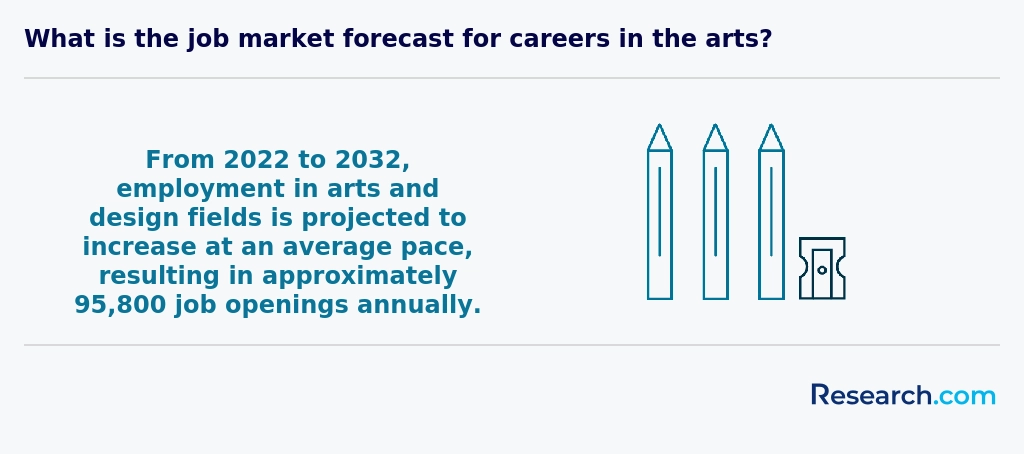
The global perspective on a fine arts career increasingly recognizes the value of creativity and cultural exchange. In the United States, fine arts graduates often contribute to diverse industries such as media, design, and education. According to the National Endowment for the Arts, arts-related fields grow at a steady rate, with employment expected to rise by 4% through 2031.
In Cincinnati, a city known for its vibrant arts scene, fine arts programs have gained prominence. The Cincinnati Arts Council reports that local art institutions support over 10,000 arts-related jobs, highlighting economic opportunities for graduates.
Internationally, the fine arts sector encourages collaboration through residencies and exhibitions, broadening career outlooks. US students benefit from global networks formed during their studies, enhancing prospects beyond the local market.
Gaining practical experience during a fine arts degree in Cincinnati involves several valuable approaches. Many local institutions encourage students to participate in internships with art galleries, theaters, and museums, such as the Cincinnati Art Museum or the Contemporary Arts Center. These opportunities allow hands-on learning and networking in the regional art scene.
Students can also engage with community art projects or collaborate with local artists to build portfolios. Additionally, Cincinnati's active arts districts, including Over-the-Rhine, offer workshops and exhibitions where students can showcase their work. Colleges frequently provide studio practice classes and semester shows to simulate professional environments.
Choosing the right concentration within a fine arts degree program in Cincinnati involves understanding your personal interests and the local art scene. Popular concentrations include painting, sculpture, graphic design, and photography, each offering distinct career paths. Cincinnati's rich cultural institutions, such as the Cincinnati Art Museum, provide opportunities for practical experience and networking.
Researching faculty expertise and available facilities at colleges like the University of Cincinnati can help ensure your concentration supports your goals. According to the National Center for Education Statistics, fine arts programs in Ohio have seen a 5% enrollment increase between 2019 and 2023, reflecting growing student interest.
Consider your long-term career plans and which concentration aligns best with job market trends in the Cincinnati metropolitan area.
Related Fine Arts Rankings for Nearby Cities
- 2027 Best Fine Arts Degree Programs Ranking in Indianapolis
- 2027 Best Fine Arts Degree Programs Ranking in Columbus
- 2027 Best Fine Arts Degree Programs Ranking in Cleveland
- 2027 Best Fine Arts Degree Programs Ranking in Detroit
- 2027 Best Fine Arts Degree Programs Ranking in Nashville
- 2027 Best Fine Arts Degree Programs Ranking in Chicago
- 2027 Best Fine Arts Degree Programs Ranking in Pittsburgh
- 2027 Best Fine Arts Degree Programs Ranking in Saint Louis
- 2027 Best Fine Arts Degree Programs Ranking in Lynchburg
- 2027 Best Fine Arts Degree Programs Ranking in Milwaukee
Top Trending Fine Arts Rankings
References
- MFA Statement of Purpose: The Artist Statement + Academic Goals Hybrid https://gradpilot.com/news/mfa-statement-of-purpose-artist-statement-guide
- What is an art niche? And how to recognize yours - Arts To Hearts Project https://artstoheartsproject.com/how-to-define-your-niche-as-an-artist/
- Study Fine Arts Abroad – Top Universities & Careers https://thearchinternational.com/fine-arts/
- Certificate of Fine Arts | CFA Programs - New York Academy of Art https://nyaa.edu/continuing-studies/certificate-of-fine-arts/
- Fine Arts Course Duration: Complete Guide to Eligibility, Fees, & Career Scope - AAFT https://aaft.com/blog/fine-art/fine-arts-course-duration-complete-guide-to-eligibility-fees-career-scope/
- What is Fine Arts? Meaning, Scope & Careers Explained https://jgu.edu.in/opjgublog/what-is-fine-arts/
- Application writing tips for individual artists https://www.affta.ab.ca/funding/help-and-resources/resources-individual-artists/application-writing-tips-individual-artists
- Bachelor of Fine Arts in Art & Design (BFA) https://www.ualberta.ca/en/art-design/undergraduate-programs/bfa-art-and-design.html
- Is a thesis always mandatory in a master's degree program? - EFMU: The Euler-Franeker Memorial University and Institute https://euler.euclid.int/is-a-thesis-always-mandatory-in-masters-degree-program/
- Arts, History and Humanities in Global Perspective https://u-paris.fr/language/en/arts-history-and-humanities-in-global-perspective-en/