2027 Best Counseling Degree Programs Ranking in Rhode Island

Co-Founder and Chief Data Scientist
Choosing the right counseling degree program in Rhode Island can feel overwhelming, but this article makes it easier. We've compiled the 2027 Best Counseling Degree Programs Ranking in Rhode Island, developed by the Research.com team of data scientists to guide you toward the best options available.
Whether you're starting your educational journey or seeking advancement, a counseling degree opens doors to meaningful careers helping others. Exploring this ranking will provide clear insights to make an informed, confident choice for your future.
Key benefits of getting counseling degree in Rhode Island
- Graduates with a counseling degree in Rhode Island can earn competitive salaries, such as $48,430 annually for Rehabilitation Specialists and $60,080 for Addiction Counselors, making it a financially rewarding career choice.
- Counseling degree holders from Rhode Island colleges often find diverse career paths including Family Support Worker or Community Outreach Coordinator, offering meaningful work that positively impacts communities.
- Completing a counseling degree online provides flexibility and convenience, as experienced by online graduates from Rhode Island universities, allowing students to balance education with personal and work life smoothly.
- Key benefits of getting counseling degree in Rhode Island
- What can I expect from counseling degree in Rhode Island?
- Where can I work with counseling degree in Rhode Island?
- How much can I make with counseling degree in Rhode Island?
- 2027 Best Counseling Degree Programs Ranking in Rhode Island
- Key Findings
- How long does it take to complete counseling degree in Rhode Island?
- What's the difference between online and on-campus counseling degree?
- What is the average cost of counseling degree in Rhode Island?
- What financial aid is available to counseling degree students in Rhode Island?
- What are the prerequisites for enrolling in counseling degree program in Rhode Island?
- What courses are typically in counseling degree programs in Rhode Island?
- What types of specializations are available in counseling degree programs in Rhode Island?
- How do you choose the best counseling degree in Rhode Island?
- What career paths are available for counseling degree students in Rhode Island?
- What is the job market for counseling degree in Rhode Island?
- Related Counseling Rankings for Nearby States
- Top Trending Counseling Rankings
- See What Experts Have To Say About Studying Counseling
What can I expect from counseling degree in Rhode Island?
The average cost of pursuing a counseling degree in Rhode Island typically ranges from $20,000 to $40,000 for a master's program, depending on the university and whether you attend as an in-state or out-of-state student. For example, graduates from well-known institutions like Rhode Island College and Salve Regina University often report tuition costs around this range. These prices cover approximately 48 to 60 credit hours, aligning with CACREP accreditation standards, which ensure the program's quality and value.
Many students find financial aid through federal loans, scholarships, and grants offered by the universities, easing the upfront costs. One graduate shared how securing a paid internship through their program's partnership with local clinics not only offset tuition expenses but also provided invaluable hands-on experience. This balance of cost and practical training helps students feel confident and prepared for licensure.
When budgeting, account for additional fees, books, and clinical supplies, but rest assured that Rhode Island schools often support students with flexible funding options tailored for counseling professionals in training.
Where can I work with counseling degree in Rhode Island?
Graduates with a counseling degree in Rhode Island find diverse job opportunities that fit various interests and career goals. Many begin working in mental health clinics or community health centers, where licensed counselors provide therapy and crisis intervention-settings that respond directly to growing statewide behavioral health needs. For example, those trained at the University of Rhode Island often start in these roles, gaining hands-on experience with real clients facing substance abuse or emotional challenges.
School counseling is another common path. Graduates from Rhode Island College frequently secure positions in local public or private schools, supporting student development and mental well-being. These roles offer rewarding daily interactions and help create safer, more supportive educational environments.
Healthcare settings also hire counseling graduates, integrating them into hospitals or rehab centers that emphasize teamwork among medical and mental health professionals. Many find this multidisciplinary approach energizing, providing the chance to impact patient recovery broadly.
Private practice is a realistic and fulfilling option once licensed, allowing counselors in Rhode Island to tailor care for individual or group clients. Nonprofit organizations similarly appeal to graduates aiming to serve specialized populations, such as veterans or at-risk youth, reflecting a strong focus on community support and personal meaning in their work.
How much can I make with counseling degree in Rhode Island?
Graduates with counseling degrees from Rhode Island universities often start their careers with solid salary prospects. For example, working as an Addiction Counselor in Rhode Island, you can expect a mean annual wage of around $60,080, reflecting the state's demand for specialized support roles. Other common roles, such as Community Outreach Coordinators or Family Support Workers, typically earn about $54,020 per year, providing a stable income as you build your experience.
Those entering rehabilitation fields can expect slightly lower starting pay, with Rehabilitation Specialists earning around $48,430 annually. However, many Rhode Island graduates find that gaining licensure and targeted certifications increases their earning potential significantly, sometimes surpassing these averages over time.
Students from colleges like the University of Rhode Island or Rhode Island College often share how hands-on practicum placements helped them step confidently into higher-paying positions. Working in urban areas such as Providence further boosts chances of greater income due to higher demand and a concentration of healthcare organizations.
By mapping out your career path thoughtfully and leveraging local connections, you can achieve rewarding financial outcomes while making a positive community impact.
2027 Best Counseling Degree Programs Ranking in Rhode Island
How do we rank schools?
Investing in your education is a significant decision that can shape your future, and the Research.com team understands the importance of making informed choices. To assist prospective students in Rhode Island, we have meticulously crafted the "2027 Best Counseling Degree Programs Ranking in Rhode Island." Our commitment to quality, credibility, and accuracy is reflected in the extensive research and analysis conducted to compile this ranking.
We utilized the following reputable data sources to ensure a comprehensive evaluation of counseling programs:
By exploring this ranking, readers will gain valuable insights into the best counseling degree programs available in Rhode Island, helping them make informed decisions about their educational paths. For more details on our methodology, please visit our Research.com methodology page.


Key Findings
- Counseling degrees in Rhode Island are mainly master's programs, which are required for professional licensure.
- The average cost for a master's in counseling ranges from $20,000 to $35,000 per year, with public schools typically being less expensive.
- Students must complete 2,000 to 3,000 hours of supervised clinical experience to qualify for Licensed Mental Health Counselor (LMHC) licensure.
- Entry-level salaries for counselors start between $45,000 and $50,000 annually, increasing to $65,000 to $70,000 with experience.
- The counseling job market is growing, especially in healthcare and social assistance, though competition is higher in urban areas like Providence.
How long does it take to complete counseling degree in Rhode Island?
Completing a counseling degree in Rhode Island typically takes two to three years for a master's program, which is the required path to become a Licensed Mental Health Counselor (LMHC). For example, graduates from Rhode Island College often mention balancing their practicum hours alongside coursework, appreciating how the program's structure helps them stay on track without feeling overwhelmed.
Doctoral programs, like those at the University of Rhode Island, usually require four to six years. Graduates here often describe the extended timeline as demanding but rewarding, citing growth in advanced clinical skills and research abilities that prepare them well for leadership roles. Their flexibility with hybrid formats also supports busy professionals.
Undergraduates pursuing a bachelor's degree in psychology or human services typically invest four years before moving forward. However, these students understand this step doesn't alone qualify them for licensure but lays a solid foundation.
Choosing full-time versus part-time study and the availability of practicum placements directly affect your timeline. Many students find that Rhode Island's public universities offer affordable tuition and practical, accredited programs that keep the journey manageable and fulfilling.
What's the difference between online and on-campus counseling degree?
On-campus counseling degrees in Rhode Island, such as those at the University of Rhode Island, offer direct, face-to-face learning that many graduates describe as energizing. You'll attend scheduled classes, engage in hands-on practicum hours, and benefit from immediate feedback from instructors. This structure suits students who thrive in a routine environment and want easy access to campus resources like counseling labs and peer support groups.
Meanwhile, online programs at colleges like Rhode Island College provide flexibility for those balancing work or family. Graduates often appreciate being able to watch lectures and submit assignments on their own time. However, arranging local supervised clinical hours within Rhode Island remains essential, requiring proactive planning to meet state licensure rules.
Both formats meet CACREP standards, but on-campus students typically enjoy richer networking opportunities through campus events, while online cohorts bring diverse perspectives from across regions. Deciding between the two comes down to whether you prioritize hands-on interaction or schedule adaptability.
What is the average cost of counseling degree in Rhode Island?
The average cost of a counseling degree in Rhode Island typically ranges around $43,418 for in-state students and about $57,103 for those coming from out of state. These figures give a clear picture for anyone planning their education budget in the state. Many graduates from institutions like Providence College or Bryant University reflect that, despite the investment, the personalized attention and specialized counseling tracks offered are well worth the price when preparing for a fulfilling career.
When considering the average cost of counseling degree in Rhode Island, it helps to break down expenses beyond tuition, including clinical placement fees and licensing exam costs. These additional fees can add up but are essential steps toward becoming a licensed professional counselor. Students often find that budgeting ahead and seeking financial aid opportunities eases the burden throughout their studies.
Public universities in Rhode Island generally provide more affordable tuition options, making them a popular choice among pragmatic planners. Funding support like scholarships and assistantships play a key role in reducing costs. Familiarizing yourself with resources such as the Free Application for Federal Student Aid (FAFSA) and visiting specific program websites are practical steps in managing tuition and fees.
For those weighing options, it's valuable to explore what is the best open enrollment college to attend that fits your lifestyle and finances within Rhode Island. Many counseling students have shared that navigating these choices with a clear budget plan creates confidence and excitement for their career journey ahead.

What financial aid is available to counseling degree students in Rhode Island?
To manage the cost of counseling degrees in Rhode Island, start by completing the FAFSA to access federal aid like Pell Grants, federal work-study, and subsidized loans. Many graduate students at Rhode Island College have leveraged graduate assistantships that cover tuition and provide stipends by supporting faculty research or teaching, easing the financial burden meaningfully.
State scholarships such as the Rhode Island Promise Scholarship are valuable for those beginning at community colleges or transitioning to four-year programs, making institutions like the Community College of Rhode Island more affordable. Sizable savings can come from these state-funded opportunities tailored for local students.
Additionally, several private universities offering counseling programs provide merit- or need-based grants, which graduates often describe as a relief when juggling tuition and living expenses. Engaging with professional bodies like the American Counseling Association can open doors to discipline-specific scholarships, helping students reduce out-of-pocket costs.
Finally, working students at healthcare or social service organizations should explore employer tuition assistance, which several Rhode Island professionals have found useful for advancing their education without financial strain.
What are the prerequisites for enrolling in counseling degree program in Rhode Island?
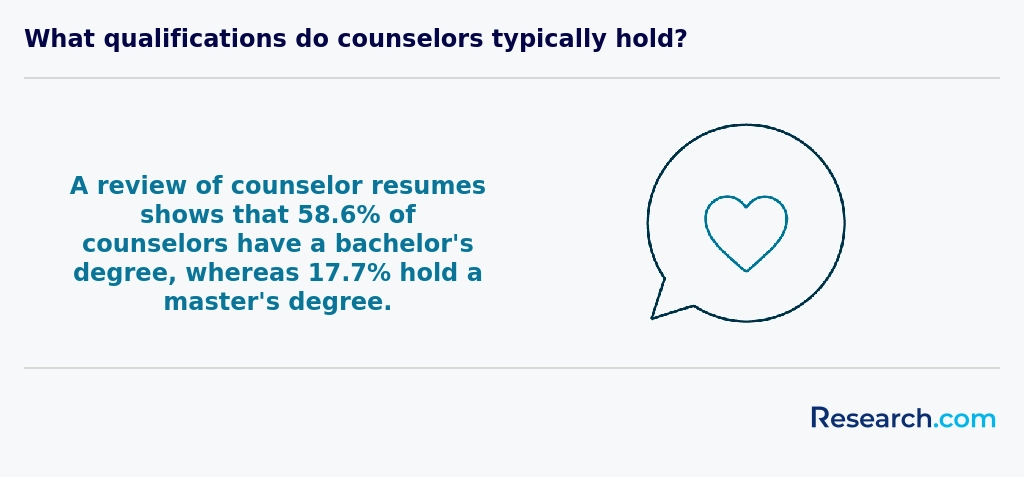
To enroll in a counseling degree program in Rhode Island, start by securing a high school diploma or equivalent for undergraduate programs. If you aim for a Master's in Counseling, you'll need a bachelor's degree from an accredited institution-this doesn't have to be psychology specifically, but related coursework in fields like social work or health sciences helps. Graduates from Rhode Island colleges often reflect on how this flexibility allowed them to transition smoothly from other majors.
Many programs, including those at popular Rhode Island institutions, require submitting GRE scores, though some schools have made this optional recently to ease application stress. Prepare a strong application with letters of recommendation, personal statements that clearly express your counseling goals, and documented experience-whether volunteer work or paid roles in related fields. Graduates recall how these personal stories made their applications stand out.
Additionally, expect to complete a criminal background check, especially for those clinical placements in Rhode Island. Choosing CACREP-accredited programs at well-known Rhode Island schools ensures you meet state licensing standards and puts you on a practical path to becoming a Licensed Professional Counselor.
What courses are typically in counseling degree programs in Rhode Island?
Counseling degree programs in Rhode Island typically cover courses designed to build both theoretical knowledge and practical skills. Graduates from institutions like Rhode Island College often recall starting with foundational classes in counseling theories, exploring cognitive-behavioral to psychodynamic approaches. This broad base helps students apply different techniques when supporting clients.
Students also take human development courses to understand clients' life stages, which proved vital for one graduate working with adolescents. Essential courses include counseling techniques focusing on communication, ethics emphasizing state-specific rules, and assessment skills using tools like the DSM-5, all ensuring compliance with Rhode Island's licensure regulations.
Group counseling and multicultural counseling courses prepare students to handle diverse client groups effectively, reflecting the state's community diversity. Research and statistics classes teach how to evaluate studies and contribute to evidence-based practice.
Many graduates appreciate practicum and internships, which provide supervised hands-on experience crucial for completing Rhode Island's 3,000-hour requirement and for feeling confident in real-world counseling settings.
What types of specializations are available in counseling degree programs in Rhode Island?
Counseling degree specializations in Rhode Island offer focused paths to suit your career goals. Graduates from popular schools like Rhode Island College often highlight Mental Health Counseling as a practical choice, preparing them to handle anxiety, depression, and trauma in settings such as hospitals or community centers. This specialization aligns with expected job growth, providing stable employment prospects.
Another common focus is School Counseling, ideal for those drawn to working with children and teens in Rhode Island's educational system. This area requires specific state certifications, and programs at local colleges ensure you meet these licensing standards. Graduates appreciate being able to support students' academic progress and emotional well-being directly within schools.
Substance Abuse Counseling responds to Rhode Island's urgent need for addiction treatment experts-students trained here often feel rewarded working in rehab centers and outpatient clinics. Meanwhile, Marriage and Family Therapy is favored by those wanting to address family dynamics comprehensively and who plan to pursue independent licensure, adhering to Rhode Island's clinical training regulations.
Emerging specializations like Art Therapy and Trauma Counseling are appealing for their innovative approaches, though they often come with higher tuition. If cost is a concern, look into the cheapest online college for associate's degree options available to balance quality and affordability. Selecting the right focus within Rhode Island counseling program focus areas ensures your degree fits both your passion and the state's professional requirements.
How do you choose the best counseling degree in Rhode Island?
Start by checking if the counseling program is accredited by CACREP, a key factor graduates from Rhode Island universities frequently highlight as boosting their licensure chances. They emphasize how graduation from an accredited program made licensure smoother with the Rhode Island Department of Health. Next, compare tuition costs closely. Public schools like the University of Rhode Island offer affordable counseling degrees Rhode Island residents appreciate, often around $15,000 a year. Graduates often mention that combining this with scholarships greatly eased financial stress.
Look for programs offering clinical mental health or school counseling tracks, aligning with your career goals. Graduates attest that strong practicum placement within local clinics or schools helped them build confidence. Additionally, find programs with faculty who have local connections, which past students found invaluable for internships and job networking.
Finally, research graduation rates and alumni success. Some graduates encourage reviewing student support services and considering the cheapest online college per credit hour option for flexibility while balancing practical training.
What career paths are available for counseling degree students in Rhode Island?
Graduates holding counseling degrees in Rhode Island find a variety of practical career paths. Many become Licensed Professional Counselors (LPC), working in private practices or healthcare facilities, a realistic option reflected in strong job growth projections. Others pursue school counseling, supporting student development in public schools, which requires additional certification through state education boards. Graduates from popular local institutions like the University of Rhode Island often describe satisfaction in seeing direct impacts on student well-being, highlighting the tangible rewards of this career path. Additionally, substance abuse and addiction counseling is an increasingly vital role due to the state's focus on combating opioid addiction, with certification from Rhode Island's Behavioral Health Certification Board enhancing employability. For those exploring broader options, counseling careers also include mental health counseling in clinics, marriage and family therapy, rehabilitation counseling, and career counseling within workforce development. Students seeking flexibility sometimes research best online trade schools to complement their local studies, offering additional pathways toward these fulfilling professions focused on Rhode Island counseling degree job prospects.
What is the job market for counseling degree in Rhode Island?
The job market for counseling degree holders in Rhode Island is encouraging for graduates willing to navigate its unique dynamics. With steady employment growth in mental health fields, many find work in diverse settings such as schools, hospitals, and social service agencies. Graduates from local universities often share how internships at well-regarded Rhode Island colleges provide direct exposure to community mental health challenges, making their transition to licensure and employment smoother.
One practical step is to focus on meeting state licensure requirements, which include earning a master's degree in counseling, completing supervised clinical hours, and passing the national exam. This structure ensures employers in Rhode Island seek well-trained professionals, maintaining a competitive but manageable job market.
Students exploring counseling degree job opportunities Rhode Island will appreciate the balance of relatively affordable tuition with the potential for financial aid. Many find that in-state programs offer strong hands-on training, preparing them for roles that typically command annual salaries between $45,000 and $60,000.
For those weighing career paths, consider how recent graduates from Rhode Island's counseling programs successfully enter this expanding field. If you want to explore further details about program options, check anchors part-time Ph.D. in economics.
Frequently Asked Questions About counseling
Counseling degree students in Rhode Island can maximize their learning by actively engaging in both academic and practical experiences. Rhode Island offers access to accredited programs aligned with the Council for Accreditation of Counseling & Related Educational Programs (CACREP), ensuring quality education. Students should seek internships in diverse community settings, such as local mental health clinics or school counseling departments, to gain hands-on experience.
Networking with professionals through Rhode Island Counseling Associations can provide mentorship and job opportunities. According to the U.S. Bureau of Labor Statistics, Rhode Island shows steady demand for counselors, emphasizing the value of practical experience. Utilizing university resources like counseling centers and workshops enhances skill development beyond the classroom.
The counseling field is rapidly evolving, with new niches emerging to meet diverse community needs. In Rhode Island, growing attention is on trauma-informed counseling, especially due to increasing awareness of mental health challenges after the COVID-19 pandemic. This approach is vital for working with populations affected by adverse experiences.
Another niche gaining traction is telehealth counseling. Rhode Island's healthcare system supports virtual mental health services, expanding access for rural and underserved communities. According to the Rhode Island Department of Health, tele-mental health usage increased by over 40% between 2020 and 2023.
Substance abuse and addiction counseling remain critical, with specialists addressing the opioid crisis prevalent in the region. Additionally, school counseling focused on social-emotional learning is expanding to promote mental wellness among youth.
After earning a counseling degree in Rhode Island, preparing for the job market involves several key steps. First, graduates should obtain state licensure, such as the Licensed Professional Counselor (LPC) credential, which requires supervised clinical hours and passing a national exam. Rhode Island's Department of Health provides specific requirements and resources for licensure.
Networking is essential; joining local professional organizations like the Rhode Island Counseling Association can connect graduates with employers and mentors. Additionally, gaining practical experience through internships or fellowships enhances employability.
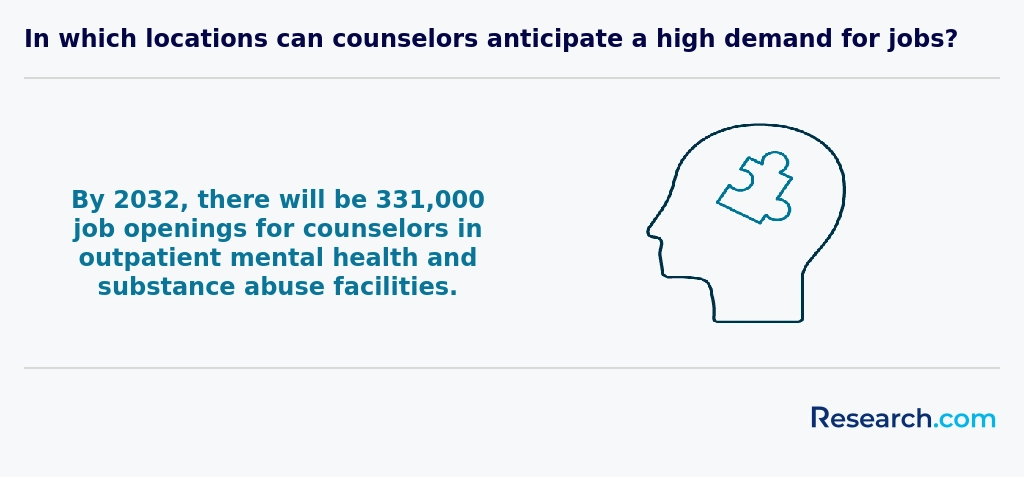
According to the U.S. Bureau of Labor Statistics, the demand for substance abuse, behavioral disorder, and mental health counselors in Rhode Island is expected to grow by 12% from 2022 to 2032, signaling a promising job outlook.
Employers in Rhode Island highly value counseling graduates who demonstrate strong communication and active listening skills. These abilities are essential, as counselors must effectively understand and respond to diverse client needs. According to the Rhode Island Department of Labor and Training, interpersonal skills rank among the top attributes sought in behavioral health professionals.
Critical thinking and problem-solving are also crucial, enabling counselors to develop personalized treatment plans. Additionally, cultural competence is increasingly important due to Rhode Island's growing diversity, ensuring that counselors can serve varied populations respectfully and effectively.
Time management and ethical judgment complete the core skill set employers expect. Mastery of these skills enhances success in licensing exams and professional practice in Rhode Island's counseling field.
Finding internships in Rhode Island relevant to a counseling degree involves researching local educational institutions, healthcare providers, and community organizations. Many universities with counseling programs, such as the University of Rhode Island, offer internship placements as part of their curriculum, often partnering with regional hospitals, mental health clinics, and nonprofits.
Students should also explore opportunities through the Rhode Island Department of Health and the Rhode Island Counseling Association, which may list approved internship sites and resources. According to the U.S. Bureau of Labor Statistics, hands-on experience is crucial for licensure, and Rhode Island requires a supervised internship for counseling licensure.
Networking with professionals at local conferences or workshops can further facilitate access to quality internships in the state.
In Rhode Island, obtaining a counseling degree significantly enhances career mobility and advancement opportunities. Licensed counselors in the state often see higher employability and salary potential compared to those without formal credentials, according to data from the U.S. Bureau of Labor Statistics (2023) and the Rhode Island Department of Labor and Training.
Graduates with a master's degree in counseling can pursue licensure as Licensed Professional Counselors (LPC), a requirement for many clinical and specialized roles. This licensure expands access to higher-level positions in mental health clinics, schools, and private practice.
The growing demand for mental health professionals in Rhode Island-projected to increase by 12% through 2030-further supports career growth for those with counseling degrees, as reported by the Rhode Island Department of Health. Thus, a counseling degree is a strong foundation for long-term advancement within the state's healthcare and educational sectors.
Studying for a counseling degree in Rhode Island equips students with skills essential for interdisciplinary roles across healthcare, education, and social services. Programs emphasize collaboration with professionals such as social workers, psychologists, and medical staff, reflecting the state's integrated approach to mental health. According to the Rhode Island Department of Health, nearly 30% of counselors work in settings requiring team-based interventions.
Courses often cover diverse topics, including trauma-informed care, ethics, and community resources, preparing graduates to navigate complex client needs. Many local universities partner with hospitals and schools to offer practical experiences that foster teamwork and communication skills. This training helps graduates contribute effectively in varied professional environments where coordinated care is vital.
Choosing between a thesis and a non-thesis counseling degree program in Rhode Island depends largely on your career goals and academic interests. A thesis program typically requires conducting original research, which is beneficial if you plan to pursue a doctoral degree or a research-focused career.
Non-thesis programs focus more on coursework and practical experience, preparing students for immediate professional counseling roles. In Rhode Island, programs accredited by CACREP often offer both options, reflecting national standards.
Consider that about 60% of counseling graduates in Rhode Island seek licensure as LPCs (Licensed Professional Counselors), where practical skills are essential (Rhode Island Department of Health, 2023).
Review each program's curriculum, faculty expertise, and your interest in research versus clinical practice before deciding.
Students in Rhode Island interested in studying counseling abroad have several pathways to consider. While Rhode Island itself offers respected counseling programs, some students seek international experience through exchange programs or online degrees from accredited foreign institutions.
Many U.S. schools, including those in Rhode Island, participate in study abroad consortia that allow students to earn credits toward their counseling degree overseas. These programs usually incorporate coursework aligned with the Council for Accreditation of Counseling & Related Educational Programs (CACREP) standards, helping students maintain eligibility for licensure.
Additionally, pursuing a master's degree from internationally recognized universities and ensuring their accreditation is crucial for future counseling licensure in Rhode Island. Students should consult the Rhode Island Board of Mental Health Counselors for up-to-date licensure requirements when studying abroad.
According to the Rhode Island Department of Labor and Training, counseling employment is expected to grow by 15% through 2030, urging students to consider accredited programs and pathways that facilitate smooth licensure upon return.
Students pursuing counseling degrees in Rhode Island can benefit from part-time roles that enhance their educational experience. Positions such as behavioral health technician, peer support specialist, or mental health aide provide hands-on exposure to therapeutic settings. Rhode Island's Department of Behavioral Healthcare reports growing demand for these roles due to increased mental health initiatives statewide.
Additionally, part-time work in school counseling or community outreach programs offers practical skills relevant to future counseling careers. According to the Bureau of Labor Statistics, Rhode Island expects a 12% growth in counselor positions through 2030. Engaging in these jobs allows students to develop essential communication and crisis intervention skills while completing their studies.
Counseling students in Rhode Island benefit from several strong networking opportunities that support their academic and professional growth. Local universities often collaborate with organizations like the Rhode Island Counseling Association (RICA), which offers events, workshops, and conferences. These gatherings provide access to experienced counselors, supervisors, and potential employers.
The state's compact size allows students to connect easily at regional meetings and community outreach programs, enhancing real-world experience. Additionally, internships and practicum placements in Rhode Island's healthcare and school systems serve as vital networking platforms. According to RICA, students involved in these activities report higher employment rates post-graduation.
Alumni networks play a significant role for counseling degree students in Rhode Island by providing valuable professional connections. Graduates from local institutions often stay active in these networks, offering mentorship and career advice to current students. According to the Rhode Island Board of Mental Health Counselors, over 70% of recent counseling graduates found internships or job opportunities through alumni referrals.
These connections help students access Rhode Island's tightly-knit mental health community, which includes hospitals, clinics, and private practices. Alumni often share information about licensure preparation and evolving state counseling regulations, which is crucial given Rhode Island's unique requirements for Mental Health Counselor licenses.
In Rhode Island, customizing a counseling degree program to align with specific career goals is achievable through selecting specialized tracks or concentrations. Many universities offer options such as clinical mental health counseling, school counseling, or marriage and family therapy. These specializations prepare students for licensure requirements unique to Rhode Island, governed by the Rhode Island Department of Health.
Students can often choose electives focusing on trauma, substance abuse, or child and adolescent counseling, tailoring their expertise to their professional interests. Additionally, practical experience through internships or practicum placements in local hospitals, schools, or community agencies helps build relevant skills and professional networks.
Research from the Rhode Island Board of Mental Health Counselors highlights that practical training aligned with state licensure guidelines improves employment outcomes, emphasizing the importance of tailored programs.
Counseling students in Rhode Island often face a blend of academic and practical challenges. One key issue is securing sufficient fieldwork placements, as clinical hours are required for licensure. Limited local agencies sometimes result in intense competition for placements, which can delay graduation or licensure timelines. According to the Rhode Island Department of Health, practical training is vital for meeting state requirements of up to 2,000 supervised hours.
Additionally, many students report balancing coursework with employment and personal responsibilities, especially in a state with a high living cost like Rhode Island. The National Center for Education Statistics highlights that graduate students often juggle financial and time constraints. Access to updated training in emerging counseling technologies and telehealth also presents a learning curve, as these tools become increasingly essential in modern practice.
With a counseling degree in Rhode Island, graduates can pursue several professional certifications to enhance their career opportunities. The most common certification is the Licensed Mental Health Counselor (LMHC), which requires a master's degree in counseling, supervised clinical experience, and passing a state exam administered by the Rhode Island Board of Mental Health Counselors.
Other certifications include the Licensed Clinical Social Worker (LCSW) and Certified Rehabilitation Counselor (CRC), often available to those with related graduate-level education and specific experience. The National Board for Certified Counselors (NBCC) offers the National Certified Counselor (NCC) credential, nationally recognized and valuable in Rhode Island's competitive job market.
The demand for licensed counselors in Rhode Island is growing, with employment projected to increase by 17% from 2020 to 2030 according to the U.S. Bureau of Labor Statistics.
When applying to counseling degree programs in Rhode Island, it is crucial to highlight your passion for helping others and relevant experience. Most programs require a strong personal statement that clearly explains your motivation for pursuing counseling and your career goals. Including any volunteer work or internships in mental health or social services can strengthen your application.
Rhode Island programs often look for applicants with solid undergraduate GPA, typically above 3.0. Be sure to meet all prerequisite coursework, such as psychology or human development classes. Letters of recommendation from professionals familiar with your interpersonal skills also play a key role.
Research each school's specific requirements by reviewing official websites or contacting admissions offices, as standards can vary. Preparing thoroughly and presenting a sincere, well-organized application will improve your chances of admission.
Counseling careers are increasingly viewed through a global lens, recognizing the universality of mental health challenges. In the United States, including Rhode Island, the demand for qualified counselors is growing fast due to rising awareness and expanded healthcare coverage. According to the U.S. Bureau of Labor Statistics, employment for substance abuse, behavioral disorder, and mental health counselors is projected to increase 22% from 2020 to 2030. Rhode Island's higher education institutions align their counseling programs with national accreditation standards to ensure graduates can work both locally and within global contexts.
Internationally, counseling practices vary but share core competencies such as ethical standards and cultural sensitivity. For Rhode Island students, gaining a counseling degree means preparing for a profession that values cross-cultural communication skills, important in our increasingly diverse communities. Many programs include training on global mental health issues and emphasize evidence-based approaches.
Gaining practical experience while studying for a counseling degree in Rhode Island is essential to build the skills needed for professional practice. Most accredited programs require internships or practicum placements, allowing students to work directly with clients under supervision. Rhode Island schools typically partner with hospitals, community mental health centers, and schools to provide these opportunities.
Students can also volunteer with local agencies such as the Rhode Island Department of Behavioral Healthcare, Developmental Disabilities & Hospitals (BHDDH), which often offers hands-on experiences in counseling-related services. These real-world settings ensure students meet state licensure requirements while enhancing clinical skills.
According to the Rhode Island Board of Mental Health Counselors and Marriage and Family Therapists, gaining supervised experience during studies is vital for licensure and future employment.
Choosing the right concentration within a counseling degree program in Rhode Island involves assessing your career goals and understanding local demand. Common concentrations include clinical mental health, school counseling, and marriage and family therapy. According to the Rhode Island Department of Labor and Training, positions in mental health counseling are expected to grow by over 10% through 2030, making clinical mental health a strong option for job seekers.
Consider your preferred client population and work setting, as concentrations prepare you for different licensure and employment environments. Verify that programs are accredited by CACREP or equivalent bodies to ensure quality education recognized across Rhode Island.
Speak with advisors and explore internship opportunities at Rhode Island hospitals or schools to gain practical insight before deciding.
Related Counseling Rankings for Nearby States
- 2027 Best Counseling Degree Programs Ranking in Massachusetts
- 2027 Best Counseling Degree Programs Ranking in Connecticut
- 2027 Best Counseling Degree Programs Ranking in New York
- 2027 Best Counseling Degree Programs Ranking in New Jersey
- 2027 Best Counseling Degree Programs Ranking in Pennsylvania
- 2027 Best Counseling Degree Programs Ranking in Maryland
- 2027 Best Counseling Degree Programs Ranking in Virginia
- 2027 Best Counseling Degree Programs Ranking in Ohio
- 2027 Best Counseling Degree Programs Ranking in Indiana
- 2027 Best Counseling Degree Programs Ranking in Michigan
Top Trending Counseling Rankings
See What Experts Have To Say About Studying Counseling
Read our interview with Counseling experts

Meredith A. Rausch
Counseling Expert
Associate Professor
University of Alabama

References
- Paid Clinical Internship https://www.pathwaysmhs.org/internship-program.html
- Rhode Island Psychology Schools | Psychology Degree Guide https://psychologydegreeguide.org/state/rhode-island/
- For Students - CACREP https://www.cacrep.org/for-students/
- How to Become a Clinical Mental Health Counselor in Rhode Island - Mental Health Degree https://mentalhealthdegree.org/state-licensing/rhode-island/
- Counseling Licensure https://onlinecounselingprograms.com/become-a-counselor/counseling-licensure/
- Student Counselor Cover Letter Sample https://www.kickresume.com/en/help-center/student-counselor-1-cover-letter-sample/
- The 9 Top Additional Certifications for Mental Health Counselors in New York - Counseling Degrees New York https://counselingnewyork.org/certifications/
- What Degree Do I Need to Become a Counselor or Therapist? https://paloaltou.edu/resources/blog/what-degree-do-i-need-become-counselor-or-therapist
- Mindful Career : Career Coaching https://mindful-career.com/student-career-guidance
- The Challenges of Guidance Counselors in Supporting Students’ Mental Health https://theaspd.com/index.php/ijes/article/view/2406