2027 Most Valuable Business Degree Programs Ranking in San Antonio

Co-Founder and Chief Data Scientist
Choosing the right business degree program can shape your future and open doors to countless opportunities. If you're a student in San Antonio aiming to invest wisely in your education, this article is here to guide you.
The 2027 Most Valuable Business Degree Programs Ranking in San Antonio was created by the Research.com team of data scientists to help you make an informed choice about which programs offer the best value.
Explore this ranking to discover programs that balance quality, career prospects, and return on investment. Getting a business degree is an exciting step, and the right information can make all the difference.
Key benefits of getting business degree in San Antonio
- Business degree graduates in San Antonio can earn competitive salaries; for example, a Business Analyst earns a mean annual wage of $112,950, and a Business Development Executive earns about $83,190 per year.
- A graduate from a popular San Antonio university might explore diverse careers such as business analysis, sales leadership, or consulting, offering many exciting growth opportunities.
- Online business degrees provide flexibility and convenience, allowing students in San Antonio to balance work and study effectively, just like successful online graduates from local institutions.
- Key benefits of getting business degree in San Antonio
- What can I expect from business degree in San Antonio?
- Where can I work with business degree in San Antonio?
- How much can I make with business degree in San Antonio?
- 2027 Most Valuable Business Degree Programs Ranking in San Antonio
- Key Findings
- How long does it take to complete business degree in San Antonio?
- Return on Investment of a Business Degree in San Antonio, TX
- What's the difference between online and on-campus business degree?
- What is the average cost of business degree in San Antonio?
- Alumni Outcomes & Return on Investment (ROI)
- What financial aid is available to business degree students in San Antonio?
- Future Trends in Business Education and Career Opportunities
- What are the prerequisites for enrolling in business degree program in San Antonio?
- Business Schools and Programs Accreditation
- What courses are typically in business degree programs in San Antonio?
- What types of specializations are available in business degree programs in San Antonio?
- How do you choose the best business degree in San Antonio?
- What career paths are available for business degree students in San Antonio?
- What is the job market for business degree in San Antonio?
- Top Trending Business Rankings
- See What Experts Have To Say About Studying Business
What can I expect from business degree in San Antonio?
The average cost of earning a business degree in San Antonio varies by institution but generally remains affordable compared to larger Texas metros. For example, graduates from the University of Texas at San Antonio (UTSA) report paying in the range of $25,000 to $35,000 for a full Bachelor of Business Administration (BBA) degree, including tuition and fees. Public universities like UTSA offer lower in-state tuition, making them a practical choice for local students. Private schools such as St. Mary's University tend to have higher tuition costs, often around $40,000 to $50,000 total, but students often mention the value they gain from personalized faculty attention and strong alumni networks.
Many graduates highlight the benefit of internship partnerships with San Antonio's healthcare and financial sectors, which provide hands-on experience without extra expenses. Choosing programs that integrate emerging fields like data analytics and logistics also helps graduates quickly secure jobs, offsetting education costs with career opportunities. Overall, planning for a business degree in San Antonio means balancing tuition rates with local job market advantages and program strengths.
Where can I work with business degree in San Antonio?
Graduates with business degrees from San Antonio schools like the University of Texas at San Antonio often find themselves entering a robust job market fueled by diverse industries. Many secure roles in the healthcare sector, joining organizations such as University Health System in positions like healthcare administration or financial planning-areas that several alumni report as both stable and rewarding.
Others leverage the city's strong military presence by working with Joint Base San Antonio or defense contractors. These jobs commonly involve logistics or procurement, offering a structured career path with clear advancement opportunities.
Financial services also draw many business grads, especially with banks like Frost Bank and USAA nearby. Graduates tend to thrive in accounting or risk management roles, citing solid entry-level salaries and clear professional growth.
Tech-savvy grads often jump into San Antonio's tech and cybersecurity companies, bridging business strategy with analytics. Meanwhile, tourism-driven roles in marketing or event management provide creative options, particularly appealing to those who want a dynamic work environment.
Overall, business students in San Antonio feel optimistic about their prospects, buoyed by hands-on internships and strong local employer connections developed during their studies.
How much can I make with business degree in San Antonio?
Graduates from business programs in San Antonio, including those from well-known local colleges, often find strong earning potential right after graduation. For example, a business analyst role, which many recent graduates pursue, has a mean annual wage of about $112,950 in the area. This reflects a robust demand for analytical skills in San Antonio's growing economy.
Other common positions like business development executives earn a solid average annual salary of around $83,190, making it a practical and achievable goal for students finishing their studies. Graduates often describe landing these roles as both exciting and rewarding because the pay matches the effort put in during their education.
While project management or operations supervisory salaries were not specifically reported, many San Antonio graduates supplement their degrees with certifications such as PMP, which employers highly value and which positively influence pay over time.
Business students at universities in San Antonio often leverage internships and local industry connections to secure these roles, making the pathway from classroom to career clearer and more encouraging.
2027 Most Valuable Business Degree Programs Ranking in San Antonio
How do we rank schools?
Investing in your education is a significant decision that can profoundly impact your future, and the Research.com team recognizes the importance of making well-informed choices. To assist prospective students in San Antonio, we have carefully developed the "2027 Most Valuable Business Degree Programs Ranking in San Antonio." Our dedication to quality, credibility, and accuracy is demonstrated through rigorous research and thorough analysis. We based this ranking on several authoritative data sources to provide a trustworthy evaluation of business degree programs:
By reviewing this ranking, readers will gain valuable insights into the most worthwhile business degree programs in San Antonio, enabling them to make confident decisions about their educational investments. For a deeper understanding of how the ranking was created, please visit our Research.com methodology page.





Key Findings
- The average total cost for a bachelor's degree in business in San Antonio ranges from $40,000 to $60,000, varying by public or private institution and program length.
- Entry-level salaries for business graduates in San Antonio start around $50,000 annually, depending on the specific major.
- After five or more years of experience, business degree holders can earn between $70,000 and $90,000 per year.
- San Antonio's economy includes finance, healthcare, military, and tourism sectors, offering diverse career opportunities.
- Many business schools in the area are accredited by the Association to Advance Collegiate Schools of Business (AACSB), enhancing graduate employability.
How long does it take to complete business degree in San Antonio?
Completing a business degree in San Antonio typically takes around four years for a full-time Bachelor of Business Administration at well-known institutions like the University of Texas at San Antonio. Many graduates recall balancing classes and internships, which helped them build real-world skills while staying on track. For students starting at local community colleges such as San Antonio College, an associate degree usually takes about two years, offering a solid foundation and a chance to transfer credits later to a four-year university.
Graduate degrees like an MBA at schools including St. Mary's University can vary. Full-time programs generally last two years, but many find part-time or accelerated paths ideal for managing work and family, finishing in as little as one year. Students appreciate this flexibility, often feeling motivated knowing they can tailor their schedules without sacrificing progress.
Choosing full-time enrollment speeds completion, yet many juggle part-time study with jobs, extending the timeline but gaining valuable experience. Transfer credits and practical internships also influence how quickly you graduate, often making the process feel purposeful and rewarding rather than rushed.
Return on Investment of a Business Degree in San Antonio, TX
Investing in a business degree requires understanding the balance between educational costs and long-term earnings. On average, the total tuition for a bachelor’s program in San Antonio ranges from $12,600 to $13,100, while graduates report median starting salaries near $60,000 and mid-career incomes exceeding $90,000. This translates to a payback period of roughly 3–4 years, assuming full-time employment and typical living expenses in the region. Key factors influencing ROI include program format, tuition structure, and post-graduate employment rates. Traditional on-campus degrees often carry higher semester fees but offer robust career services and networking events. Conversely, online programs can reduce living expenses and commute times, allowing students to work part-time and apply learnings in real time. For students seeking affordable program options without sacrificing quality, our Low Cost Online Master's in Business Degree Programs Ranking in the South highlights accredited institutions that deliver strong returns at a fraction of the cost. Financial aid and scholarship opportunities further optimize ROI. Approximately 99% of business students in San Antonio receive some form of support, from federal grants to university-sponsored awards, effectively lowering net tuition by 20–40%. Coupling these savings with internship stipends and employer tuition reimbursement can shorten the break-even timeline to under three years. When evaluating programs, consider not only sticker price but also graduation rates, alumni success metrics, and industry partnerships. A high ROI program in San Antonio equips you with in-demand skills-analytical reasoning, leadership, and digital fluency-while ensuring your educational investment translates into sustained career advancement.
What's the difference between online and on-campus business degree?
Choosing between online and on-campus business degrees in San Antonio comes down to how you want to balance flexibility, cost, and networking. On-campus programs at schools like the University of Texas at San Antonio or Trinity University offer direct contact with professors and peers, which many graduates say helped them build lasting business connections through clubs and internships.
Online degrees, including blended options from St. Mary's University, let you study on your own schedule-a big relief for students juggling work or family. Graduates appreciate saving 20-30% on tuition compared to traditional programs, making it easier to manage finances without sacrificing core courses like marketing or finance.
That said, online students need to proactively seek out networking events or career services, since they miss the natural group interactions on campus. Both paths in San Antonio emphasize accredited programs to ensure your degree is respected by local employers.
What is the average cost of business degree in San Antonio?
The average cost of business degree programs in San Antonio varies notably depending on the type of institution and residency status. Graduates from public universities like the University of Texas at San Antonio typically face a median in-state total cost of about $32,106 for their entire degree. This makes public institutions a practical option for many local students seeking affordable and quality education. For out-of-state students, costs rise closer to $43,194, which reflects higher tuition fees combined with additional expenses.
Graduates recall that community colleges such as San Antonio College were valuable stepping stones, providing an economical start with tuition near $2,000 annually for in-district students. This approach allows students to save significantly while completing foundational business coursework before transferring to a four-year program, thereby reducing the total tuition and fees for San Antonio business degrees.
On the other hand, private universities in San Antonio present a different financial experience. While their tuition often exceeds $50,000 annually, many graduates emphasize the advantages of personalized support, extensive scholarship programs, and strong alumni networks. Balancing these benefits against cost is essential for students mapping out their educational journey.
Beyond tuition, students must budget for textbooks, supplies, housing, and transportation. Many graduates find that realistic planning for these additional expenses leads to greater confidence and less stress throughout their business degree. For those who want to explore top options, the valuable business school in Texas rankings can offer useful guidance on choosing the right path.
Alumni Outcomes & Return on Investment (ROI)
Recent data from San Antonio business degree graduates reveal an 89% employment rate within six months of graduation and an average starting salary of $68,000. Top programs at UTSA and Texas A&M University-San Antonio boast 35% of alumni earning managerial promotions within their first year and an average salary growth of 12–15% annually. When evaluating ROI, consider:
- Employment Rate: Compare six-month placement statistics across institutions.
- Salary Trajectory: Weigh average starting salaries against San Antonio’s cost of living.
- Career Advancement: Review the percentage of alumni in leadership or specialized roles.
- Alumni Network Strength: Gauge mentorship opportunities and regional industry connections. For those seeking to compress their timeline and maximize returns, our quick mba programs offer intensive curricula combined with real-world projects, driving higher ROI and faster career progression. By analyzing these post-graduation metrics, you can choose the business degree program in San Antonio that best aligns with your professional ambitions and delivers lasting value.
What financial aid is available to business degree students in San Antonio?
Business students in San Antonio can tap into a variety of financial aid sources to manage tuition costs, which range from about $9,000 at public schools like UTSA to $40,000 at private institutions such as St. Mary's University. First, completing the FAFSA is essential because it opens doors to federal aid like Pell Grants and Direct Loans, which many students rely on to cover basics without immediate repayment stress. For example, a recent graduate from UTSA shared how a Pell Grant helped them focus on studies without juggling multiple jobs.
State programs like the Texas Grant and TEXAS Grant offer targeted aid to Texas residents with financial need or strong academics, making attending local public universities more affordable. Local scholarships from San Antonio business groups or university merit awards further reduce expenses-one student recalled winning a merit scholarship at St. Mary's that lessened their loan amount significantly.
Employers also frequently provide tuition help for part-time business students working locally, an advantage many find encouraging while balancing work and classes. Private scholarships listed on sites like Fastweb widen the net if you apply early and strategically.
Future Trends in Business Education and Career Opportunities
As the business landscape continues to evolve, so too do the skills and competencies required to thrive in today’s dynamic economy. In San Antonio, TX, business degree programs are increasingly incorporating digital transformation, data analytics, and innovative technologies into their curricula to better prepare graduates for the future. Students can expect to see a greater emphasis on experiential learning, with more opportunities for virtual internships, simulation projects, and real-time problem solving in collaboration with local businesses. This forward-thinking approach not only helps students develop cutting-edge technical abilities but also fosters soft skills like adaptability, critical thinking, and cross-cultural communication. Moreover, partnerships between universities and industry leaders are becoming more prevalent, providing students with valuable networking opportunities and practical experiences that bridge the gap between academic learning and workplace demands. Graduates are now better equipped to navigate emerging job roles in areas such as digital marketing, fintech, and entrepreneurial startups. For those interested in discovering programs that balance traditional business fundamentals with future-oriented skills, explore Research.com Degrees to view a curated list of accessible and innovative options. By staying abreast of these trends and leveraging the available resources, students in San Antonio can position themselves at the forefront of the evolving business world, ensuring long-term career success and resilience in an ever-changing market.
What are the prerequisites for enrolling in business degree program in San Antonio?
To enroll in a business degree program in San Antonio, you'll first need a high school diploma or GED. Graduates often recall how completing core classes in English, math, and social studies gave them confidence walking into their first courses at institutions like the University of Texas at San Antonio or San Antonio College. These foundational skills set the stage for success.
Many schools still consider SAT or ACT scores, but test-optional policies are growing. When one graduate applied during the pandemic, their strong transcripts and recommendation letters replaced the need for standardized tests, simplifying the process.
If you're transferring credits, having coursework in accounting or statistics from a local community college can boost your application and make your transition smoother.
Finally, be ready to submit official transcripts, recommendation letters, personal essays, and resumes. These elements helped past students showcase their passion and unique experiences, making them stand out in competitive programs.

Business Schools and Programs Accreditation
. When considering a business degree in San Antonio, TX, one crucial aspect to look into is the accreditation of the business schools and programs. Accreditation is a validation of the quality and standards of the education provided, ensuring that the program meets the necessary criteria set by accrediting agencies. For prospective students, verifying the accreditation status of a business program is essential, as it directly impacts the credibility and recognition of their degree in the job market. In the context of business education, accreditation bodies such as the Association to Advance Collegiate Schools of Business (AACSB) play a significant role in evaluating and accrediting business schools. Prospective students aiming to attend a valuable business school in Texas should prioritize institutions with accredited programs, as this accreditation signifies a commitment to excellence and continuous improvement in business education. By choosing an accredited program, students can ensure they receive a high-quality education that prepares them for the challenges of the business world and enhances their career prospects.
What courses are typically in business degree programs in San Antonio?
Business degree programs in San Antonio typically start with core courses that form the foundation for success. Graduates from popular institutions like the University of Texas at San Antonio often recall how courses such as Principles of Management sharpened their leadership and decision-making skills in real workplace situations.
Financial and Managerial Accounting classes teach budgeting and financial analysis, which students immediately apply during internships with local companies in healthcare or tech sectors. Marketing Fundamentals helps you understand customer behavior-a skill that graduates say was crucial when launching small ventures or managing digital campaigns.
Other core subjects include Business Law, Economics, and Business Statistics. For example, graduates remember using statistical tools in projects analyzing market trends relevant to San Antonio's growing logistics industry, making the coursework directly useful.
Specialized courses in Entrepreneurship, Supply Chain Management, and International Business prepare students to meet demands in San Antonio's expanding economy. Many students value how these courses connect theory with real business challenges in their city.
What types of specializations are available in business degree programs in San Antonio?
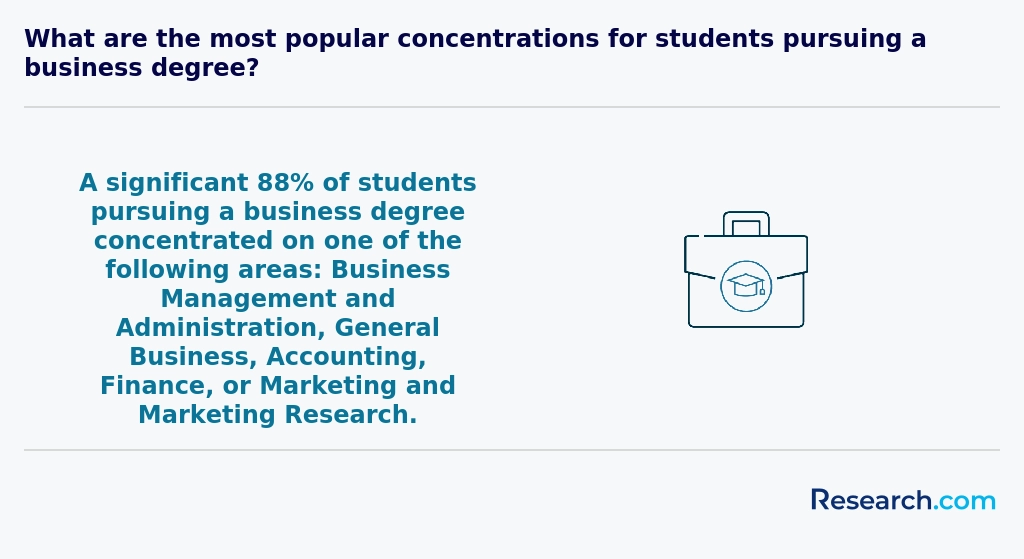
Students pursuing business degrees in San Antonio typically encounter a range of practical specializations tailored to the city's economic landscape. Finance is a common choice, with graduates often reflecting on how their coursework in budgeting and capital markets directly equipped them for roles in San Antonio's growing financial services sector. Marketing students frequently highlight their hands-on experience with digital campaigns that prepare them for the area's competitive tech and retail industries.
Management specializations teach leadership and strategic planning applicable in local companies, something many graduates recall as crucial during internships at well-known San Antonio businesses. Entrepreneurship stands out thanks to the city's supportive startup environment, where students apply classroom lessons to real business launches. Supply Chain Management is valued because of San Antonio's strategic logistics position, allowing students to connect theory with on-the-ground operations. Accounting remains a steady choice, with alumni appreciating strong training in auditing and tax work geared toward regional demand.
For those exploring the best options, it's worth checking out Research.com Degrees to identify programs that align with these popular specializations in business degree in San Antonio.
How do you choose the best business degree in San Antonio?
Start by verifying the accreditation of the business programs you're considering, especially those with the AACSB seal, as many graduates from San Antonio institutions report that this distinction helped them stand out to employers. For affordable business schools San Antonio Texas, public universities like UTSA offer in-state tuition rates around $10,000 to $12,000 per year, making quality education more accessible without excessive debt.
Next, consider the curriculum's relevance to San Antonio's growing industries such as healthcare, manufacturing, and technology. Graduates often praise programs that provide hands-on internships or cooperative education, which connect students directly with local businesses and create valuable career opportunities.
Don't overlook flexibility-many students balancing work choose part-time or online options available locally. Exploring quick mba programs can also be a practical step if you want to accelerate your progress.
Finally, assess graduate outcomes specific to this region; alumni frequently share how the strong employment rates and competitive starting salaries around $55,000 to $70,000 helped justify their investment in the best business degree programs in San Antonio.
What career paths are available for business degree students in San Antonio?
Graduates with a business degree in San Antonio find diverse career paths reflecting the city's economic breadth. Popular roles include financial analysts, sought after by banks and investment firms, and marketing managers who leverage digital skills to engage the retail and hospitality sectors. Human resources specialists support expanding companies by handling recruitment and employee relations, while operations managers take charge of manufacturing and logistics firms, vital to the local economy. Many graduates from universities in San Antonio have successfully transitioned into business consulting roles, helping startups and established companies refine strategy and management.
Entrepreneurship is another thriving path thanks to the growing startup ecosystem in the region, supported by local accelerators. These experiences perfectly illustrate the career opportunities open to those pursuing a business degree career opportunities in San Antonio.
For students seeking advanced options, exploring the Low Cost Online Master's in Business Degree Programs Ranking in the South can provide affordable paths to deepen expertise and improve job prospects.
What is the job market for business degree in San Antonio?
The job market for business degree graduates in San Antonio is strong and expanding, with solid opportunities in sectors like healthcare, finance, and technology. Many business graduates from universities such as the University of Texas at San Antonio find roles in management, marketing, or financial analysis, often earning between $55,000 and $85,000 annually. This competitive salary range reflects the city's stable economy and below-national-average unemployment rate, which make it a smart choice for those pursuing a business career.
Internships and cooperative education programs are abundant in San Antonio, providing valuable hands-on experience that employers actively seek. Graduates emphasize how local business chambers and networking groups helped them find positions quickly after graduation, illustrating the practical benefits of staying engaged in the community. Those weighing options for degree completion often turn to the best accelerated degree college options for working adults, which balance affordability with quality.
Overall, the San Antonio business degree job outlook San Antonio remains positive, with growing employment opportunities reflecting the city's diverse and dynamic economy.
Frequently Asked Questions About business
Business degree students in San Antonio can maximize their learning by engaging with the city's strong economic sectors such as healthcare, finance, and military contracting. These industries offer ample internship and networking opportunities that complement classroom knowledge. According to the Greater San Antonio Chamber of Commerce, internships in local companies can increase job placement rates by up to 30%.
Participation in student organizations and business competitions hosted by universities like the University of Texas at San Antonio enhances practical skills. Additionally, leveraging San Antonio's growing startup ecosystem provides hands-on experience in entrepreneurship and innovation. Combining academic resources with real-world exposure is key to maximizing learning outcomes.
Emerging niches within the business field in San Antonio reflect broader national trends, but with local opportunities influenced by the city's economic growth. One notable area is healthcare management, supported by San Antonio's status as a medical hub with large employers like the University Health System. Demand for professionals who can navigate healthcare regulations and finance is rising.
Another growing niche is cybersecurity management, as San Antonio is known as "Cyber City" due to its military and tech presence. Business leaders with knowledge of cybersecurity risk management are highly sought after.
Supply chain and logistics management is also expanding, fueled by San Antonio's strategic location and booming trade sectors.
To prepare for the job market after completing a business degree in San Antonio, students should focus on gaining practical experience alongside their studies. Internships with local companies provide valuable insights and build professional networks. According to the San Antonio Economic Development Foundation, key industries include healthcare, finance, and cybersecurity, so targeting internships in these areas can boost job prospects.
Additionally, developing strong communication and analytical skills is essential, as employers seek graduates who can solve problems and work in teams. Attending career fairs hosted by institutions like the University of Texas at San Antonio helps connect students with regional employers.
Obtaining relevant certifications such as CPA or PMP can further enhance marketability in competitive fields.
Employers in San Antonio highly value business degree graduates who possess strong analytical skills, effective communication, and adaptability. According to the Greater San Antonio Chamber of Commerce, 72% of local businesses prioritize graduates skilled in data analysis and problem-solving. Employers also seek candidates proficient in project management and teamwork, essential for navigating the city's diverse industries such as healthcare and finance.
Digital literacy, especially familiarity with business software and emerging technologies, is increasingly important. Local reports highlight that graduates who demonstrate leadership potential and customer-focused abilities tend to secure competitive positions. Understanding the regional economic landscape further sets candidates apart in this growing market.
Finding internships in San Antonio relevant to a business degree requires a strategic approach. Start by exploring university career centers, such as those at the University of Texas at San Antonio (UTSA), which connect students to local companies. San Antonio's diverse economy, which includes sectors like finance, healthcare, and military contracting, offers broad internship opportunities.
Networking events and local business organizations, like the San Antonio Chamber of Commerce, are valuable for building professional contacts. Online platforms such as Handshake and LinkedIn also list internships specifically in the San Antonio area.
According to the San Antonio Economic Development Foundation, the city's corporate growth increases business internship availability by approximately 8% yearly.
A business degree in San Antonio significantly enhances career mobility and advancement opportunities. Employers in industries such as healthcare, finance, and technology increasingly seek candidates with strong business acumen. According to the U.S. Bureau of Labor Statistics, the San Antonio metropolitan area is projected to add over 20,000 management positions by 2030, reflecting strong demand for qualified professionals.
Graduates with a business degree often benefit from higher earning potential and faster promotion paths. Local companies value skills in leadership, strategic planning, and financial analysis. Additionally, San Antonio's growing startup and entrepreneurial ecosystem provides fertile ground for business graduates to launch or advance ventures.
Many San Antonio universities and colleges also offer extensive networking and internship opportunities, further supporting career growth in the region.
Studying for a business degree in San Antonio offers unique interdisciplinary preparation through its integration of local economic insights and diverse academic resources. Universities here often emphasize collaboration between business, technology, and healthcare faculties, reflecting San Antonio's growing sectors such as cybersecurity and biosciences. According to the San Antonio Economic Development Foundation, these industries contributed over $57 billion to the regional economy in 2023, demonstrating the demand for versatile skill sets.
Business programs incorporate practical experiences like internships and projects with local firms, helping students apply knowledge across disciplines. Curriculum often includes courses in data analytics, organizational psychology, and supply chain management, equipping graduates for versatile roles.
Choosing between a thesis and a non-thesis business degree program in San Antonio depends largely on your career goals and learning preferences. Thesis programs emphasize research and writing, preparing students for academic or analytical roles. Non-thesis options focus more on practical skills through coursework and internships.
In San Antonio, where the economic landscape includes sectors like healthcare, finance, and energy, non-thesis programs can offer direct skill applications for local industries. According to the San Antonio Economic Development Foundation, business graduates with practical experience have higher employment rates within the city.
If you aim for further study or a research-based career, a thesis may be preferable. However, non-thesis degrees often require fewer credits, allowing faster completion.
Students in San Antonio interested in studying business abroad have several pathways through local universities that offer international programs. The University of Texas at San Antonio (UTSA), for example, provides study abroad opportunities in business disciplines, collaborating with partner schools worldwide. These programs often include semester exchanges, short-term faculty-led trips, and internships, allowing students to gain global experience while earning credits.
San Antonio College and Texas A&M University-San Antonio also support students aiming to study internationally, often through business-focused exchange agreements. According to NAFSA: Association of International Educators, nearly 20% of U.S. students pursuing business degrees participate in study abroad programs, highlighting their growing importance.
San Antonio's diverse economy offers several part-time job opportunities that effectively complement a business degree education. Positions such as financial clerks, marketing assistants, and sales representatives provide practical experience while studying. The city's rapidly growing sectors-healthcare, military, tourism, and finance-create roles suited for business students seeking to build relevant skills.
According to the San Antonio Economic Development Foundation, the finance and insurance sector employs over 70,000 people locally, indicating abundant entry-level job possibilities. Additionally, internships or part-time roles in local startups or nonprofit organizations can enhance strategic planning and management skills vital to business careers.
Working in customer service or administrative roles within San Antonio's expanding retail and hospitality industries can also develop communication and problem-solving abilities, important for future business leaders.
San Antonio offers robust networking opportunities for business students through its diverse economic environment and active professional organizations. The city hosts events like those organized by the San Antonio Chamber of Commerce, which connects students with local businesses and entrepreneurs. Universities such as the University of Texas at San Antonio provide access to career fairs and alumni networks tailored to business majors.
Additionally, San Antonio's growing sectors-such as healthcare, finance, and technology-offer internships and mentorships that foster professional growth. According to the San Antonio Economic Development Foundation, the city's workforce has expanded, creating numerous opportunities for students to network and build industry contacts.
Students can also join local chapters of national organizations such as the American Marketing Association and the Financial Management Association, which hold regular meetings and workshops. These platforms help students develop real-world connections crucial for career advancement in the competitive business landscape of San Antonio.
Alumni networks play a crucial role in supporting business degree students in San Antonio by providing valuable connections within the local economy. San Antonio's thriving market, with a robust mix of industries such as healthcare, finance, and technology, offers graduates numerous networking opportunities through these established groups.
Research shows that alumni networks can increase employment opportunities by up to 40%, as many companies prefer candidates referred by trusted insiders. In San Antonio, universities with strong alumni ties often organize events, mentoring programs, and internships exclusive to their members, helping students bridge the gap between education and real-world business.
These networks also provide ongoing career development, offering insights into local business trends and job openings across sectors prominent in the city. Such engagement is key to building professional credibility and fostering long-term success.
Customizing a business degree in San Antonio allows students to align their education with specific career goals. Many local institutions offer flexible programs where you can choose concentrations such as finance, marketing, or entrepreneurship. According to the Texas Higher Education Coordinating Board, business programs often include elective courses and internships giving practical experience directly relevant to the San Antonio market.
San Antonio's growing economy-with strong sectors like healthcare, tech, and military contracting-offers students opportunities to specialize in industries that are expanding locally. Schools frequently partner with businesses in these sectors to provide networking and job placement opportunities. Additionally, some universities let students engage in research projects or study abroad programs related to global business trends.
Business students in San Antonio often face several challenges related to balancing academics, work, and family commitments. According to the National Center for Education Statistics, many degree seekers juggle part-time jobs, making time management critical. Additionally, the rising cost of tuition in Texas universities adds financial pressure, with the average annual tuition exceeding $10,000 for public institutions. Access to local internships can be competitive due to the city's growing business market, which includes sectors like healthcare and military contracting. Students also report needing stronger support for networking and mentorship to connect effectively with San Antonio's diverse business community.
With a business degree from San Antonio institutions, graduates can pursue several respected professional certifications to enhance their careers. Popular certifications include the Certified Public Accountant (CPA) for those interested in accounting, and the Project Management Professional (PMP) for project management roles. The Certified Management Accountant (CMA) is also valued, focusing on financial management and strategy.
San Antonio's growing business sectors, such as healthcare and finance, often prefer candidates with these certifications. According to the San Antonio Economic Development Foundation, 53% of local businesses seek employees with credentials beyond a degree.
Other options include the Certified Business Analysis Professional (CBAP) and the Six Sigma Green Belt certification for those focusing on process improvement.
Writing a successful application for a business program in San Antonio requires clear focus and preparation. Begin by researching Accredited business schools in the area, such as the University of Texas at San Antonio (UTSA), known for its AACSB-accredited College of Business. Strong applications highlight academic achievements, standardized test scores like the SAT or GMAT, and relevant extracurriculars, especially those linked to local industries such as finance, healthcare, and cybersecurity, which contribute to San Antonio's $129 billion economy.
Personal statements should clearly explain your career goals and how the program aligns with San Antonio's business environment. Including internships or work experience in local firms strengthens your profile.
The global perspective on a business career increasingly emphasizes adaptability, cultural awareness, and digital skills. In San Antonio, business graduates benefit from a growing economy projected to add over 70,000 jobs by 2028, according to the Texas Workforce Commission. This growth reflects a trend seen across the U.S., where globalization and technology drive demand for professionals who understand international markets.
Many U.S. business programs now integrate global case studies and encourage internships with multinational companies. San Antonio's strategic location and diverse population offer students unique opportunities to experience global business firsthand. Awareness of international finance, trade policies, and cross-cultural communication is vital for success today.
Gaining practical experience while studying for a business degree in San Antonio is essential for career readiness. Many universities offer internship programs linked to the city's growing sectors such as finance, healthcare, and technology. According to the San Antonio Economic Development Foundation, internships boost job placement rates by up to 60% for business students.
Students can also participate in cooperative education (co-op) programs that alternate classroom study with paid work experience. Additionally, joining student-run businesses and consulting clubs provides hands-on management practice. Networking events hosted by local Chambers of Commerce offer opportunities to connect with industry professionals and potential employers.
When choosing a concentration within a business degree program in San Antonio, start by assessing your career goals and local industry demands. San Antonio's economy thrives in sectors like healthcare, finance, military, and tourism, so concentrations such as healthcare management, finance, or marketing can offer strong job prospects. According to the San Antonio Chamber of Commerce, healthcare and financial services are among the fastest-growing industries in the region.
Research program curricula and compare how each concentration aligns with your interests and skills. Look for programs offering internships or partnerships with local businesses, which are valuable for gaining practical experience.
Consider salary trends too; for example, financial analysts in San Antonio earn a median annual wage of around $70,000 as reported by the Bureau of Labor Statistics (2023). Choosing concentrations aligned with high-demand roles improves your employment chances after graduation.
Related Business Rankings for Nearby Cities
- 2027 Most Valuable Business Degree Programs Ranking in Austin
- 2027 Most Valuable Business Degree Programs Ranking in Houston
- 2027 Most Valuable Business Degree Programs Ranking in Abilene
- 2027 Most Valuable Business Degree Programs Ranking in Dallas
- 2027 Most Valuable Business Degree Programs Ranking in Denton
- 2027 Most Valuable Business Degree Programs Ranking in Lubbock
- 2027 Most Valuable Business Degree Programs Ranking in Baton Rouge
- 2027 Most Valuable Business Degree Programs Ranking in El Paso
- 2027 Most Valuable Business Degree Programs Ranking in New Orleans
- 2027 Most Valuable Business Degree Programs Ranking in Jackson
Top Trending Business Rankings
See What Experts Have To Say About Studying Business
Read our interview with Business experts


David W. Stewart
Business Expert
Emeritus President's Professor of Marketing
Loyola Marymount University

David Souder
Business Expert
Senior Associate Dean for Faculty and Research
Michigan State University

References
- Networking Tips for Business Students: Building a Foundation for Success https://londonsba.org.uk/blog/networking-tips-for-business-students-building-a-foundation-for-success/
- Enterprise project challenge https://barclayslifeskills.com/help-others/lessons/enterprise-project-challenge/
- Know more about thesis vs non- thesis: what is the difference? https://studyfans.com/en/blogs/816
- What is the future of bachelor’s degrees in business? https://www.amba-bga.com/insights/what-is-the-future-of-bachelors-degrees-in-business
- How to Use Your MBA for Career Growth While You’re Still Studying - International Career Institute USA https://icieducation.com/blog/how-to-use-your-mba-for-career-growth-while-youre-still-studying/
- Global careers, real impact: building your career with an international business degree | University of East London https://www.uel.ac.uk/blog/global-careers-real-impact-building-your-career-international-business-degree
- Online and Traditional Business Degrees Comparison | Free Essay Example https://studycorgi.com/online-and-traditional-business-degrees-comparison/
- Professional Business Certifications to Boost Your Career in 2025 https://www.business.com/articles/best-business-certifications/
- San Antonio Education Partnership (SAEP) https://www.sanantonio.gov/humanservices/educationservices/saep
- Financial Aid - American Business College https://americanbusiness.college/en/financial-aid/