2027 Most Valuable Business Degree Programs Ranking in Kansas City

Co-Founder and Chief Data Scientist
Choosing the right business degree program can shape your future career and open doors to exciting opportunities. This article introduces the 2027 Most Valuable Business Degree Programs Ranking in Kansas City, carefully created by the Research.com team of data scientists.
Designed to help you make an informed choice, the ranking highlights business programs that offer strong value and growth potential. Whether you're starting or advancing your education, understanding which programs stand out can boost your confidence and guide your path.
Explore the options and feel empowered to invest in your success with a business degree tailored to your goals.
Key benefits of getting business degree in Kansas City
- Salary for business degree graduates: Business graduates in Kansas City can expect competitive salaries, such as a Business Development Executive earning around $83,190 annually and a Business Analyst making about $112,950 per year, providing strong financial motivation.
- Career paths: Graduates from popular Kansas City universities often pursue diverse roles like business analysis, sales, and consulting, reflecting the flexibility and opportunities a business degree offers in various industries.
- Online degree benefits: Earning a business degree online from a respected Kansas City institution allows for flexible scheduling and balancing work-life commitments, making education accessible and convenient without sacrificing quality.
- Key benefits of getting business degree in Kansas City
- What can I expect from business degree in Kansas City?
- Where can I work with business degree in Kansas City?
- How much can I make with business degree in Kansas City?
- 2027 Most Valuable Business Degree Programs Ranking in Kansas City
- Key Findings
- How long does it take to complete business degree in Kansas City?
- What's the difference between online and on-campus business degree?
- What is the average cost of business degree in Kansas City?
- Why Pursue a Business Degree in Kansas City, MO?
- What financial aid is available to business degree students in Kansas City?
- Return on Investment (ROI) for Business Degrees in Kansas City, MO
- What are the prerequisites for enrolling in business degree program in Kansas City?
- Return on Investment for a Business Degree in Kansas City, MO
- What courses are typically in business degree programs in Kansas City?
- What types of specializations are available in business degree programs in Kansas City?
- How do you choose the best business degree in Kansas City?
- What career paths are available for business degree students in Kansas City?
- What is the job market for business degree in Kansas City?
- Top Trending Business Rankings
- See What Experts Have To Say About Studying Business
What can I expect from business degree in Kansas City?
The average cost of pursuing a business degree in Kansas City reflects the city's balance between quality education and affordable living. Graduates from schools like the University of Missouri-Kansas City and Rockhurst University often recall managing tuition fees that typically range from moderate public university rates to slightly higher private institution costs. This range allows students to invest in their education without the overwhelming financial strain seen in some other metropolitan areas.
Many business students find this financial accessibility a relief, enabling them to focus on gaining hands-on experience through internships and networking opportunities embedded in their programs. For example, graduates from UMKC's Henry W. Bloch School of Management emphasize how their manageable tuition made it easier to participate in cooperative education programs and local entrepreneurial projects without worrying excessively about debt.
In real terms, a student budgeting for a business degree in Kansas City can expect tuition and fees to fall within a range that supports a practical approach to education-allowing you to thrive academically while preparing financially for your future career.
Where can I work with business degree in Kansas City?
Graduates with a business degree from institutions like the University of Missouri-Kansas City or Rockhurst University frequently find themselves embraced by Kansas City's dynamic job market. Many step confidently into financial services, joining major banks like UMB Financial Corporation, where they engage in roles such as investment analysis and risk management-positions that bring both challenge and reward.
Others discover vibrant opportunities in logistics and transportation, capitalizing on the city's status as a central U.S. hub. Imagine working with BNSF Railway or a leading retail distribution center, managing complex supply chains that keep products moving nationwide.
Healthcare administration also appeals to business graduates, especially those motivated by meaningful impact. Hospitals like Saint Luke's Health System seek professionals skilled in financial management to help elevate patient care.
The expanding tech scene in Kansas City has excited many recent graduates, opening doors to business development and digital marketing roles within startups supported by the Kansas City Startup Foundation.
Throughout these paths, graduates find fulfillment knowing their degrees open diverse, robust career options right here at home.
How much can I make with business degree in Kansas City?
Graduates from business programs in Kansas City often find rewarding salary prospects that reflect the city's diverse economy and cost of living advantages. For example, a business development executive fresh out of a program at a local institution like the University of Missouri-Kansas City can expect to earn around $83,190 annually. This figure aligns well with starter positions that provide a strong foundation for career growth.
Those who specialize as business analysts typically see higher remuneration. Alumni from Kansas City's robust business schools report average salaries near $112,950, demonstrating how advanced analytical skills are valued by regional employers. This level of income allows many graduates to comfortably balance their early career expenses while enjoying the city's affordable lifestyle.
Experiences shared by recent graduates highlight that the blend of solid earnings and opportunities for advancement turns Kansas City into a practical choice for those pursuing business education. These figures offer reassurance that investing time and effort in local business degrees pays dividends in tangible financial reward.
2027 Most Valuable Business Degree Programs Ranking in Kansas City
How do we rank schools?
Investing in your education is a significant decision that can shape your future, and the Research.com team understands the importance of making informed choices. To assist prospective students in Kansas City, we have meticulously crafted the "2027 Most Valuable Business Degree Programs Ranking in Kansas City." Our commitment to quality, credibility, and accuracy is reflected in the extensive research and analysis conducted to compile this ranking.
We utilized the following reputable data sources to ensure a comprehensive evaluation of business degree programs:
By exploring this ranking, readers will gain valuable insights into the most valuable business degree programs available in Kansas City, helping them make informed decisions about their educational and professional paths. For more information on how this ranking was created, please visit our Research.com methodology page.


# 8 position
City Vision University
Bachelor of Science in Business Administration

# 9 position
City Vision University
Master of Business Administration
# 10 position
Midwestern Baptist Theological Seminary
Bachelor of Business Administration

Key Findings
- The average cost of a bachelor's degree in business in Kansas City ranges from $20,000 to $35,000 per year for in-state students.
- Entry-level business graduates earn between $55,000 and $60,000 annually, with mid-career salaries rising to $90,000 to $110,000.
- Kansas City's job market for business graduates is strong, with many finding employment within six months of graduation.
- Key industries hiring business graduates include finance, healthcare, technology, and manufacturing.
- Many local universities offer internships and specialized tracks in entrepreneurship and data analytics to improve job readiness.
How long does it take to complete business degree in Kansas City?
Completing a business degree in Kansas City depends heavily on the program structure you choose. Most full-time undergraduates at institutions like the University of Missouri-Kansas City take about four years to earn their Bachelor of Business Administration. Many graduates reflect fondly on the balanced pace, which allowed them to engage deeply with coursework while exploring internships within the city's thriving finance and tech sectors.
Some students at Rockhurst University have shared how accelerated options helped them finish in around three years by taking summer courses and heavier semester loads. This intensive approach, while challenging, brings a rewarding sense of accomplishment sooner and fits well for eager professionals wanting a quicker return to the workforce.
For MBA candidates, experiences vary widely. The flexibility in Kansas City schools-offering part-time, evening, or online classes-means many complete their degrees within two to three years, managing work and study gracefully. Graduates often express pride in balancing these demands, especially given the networking opportunities embedded in local companies.
What's the difference between online and on-campus business degree?
Graduates from the University of Missouri-Kansas City often reflect on the distinct experiences between online and on-campus business degrees. On-campus students recall the energizing atmosphere of classrooms filled with peers and professors, where in-person discussions and spontaneous networking at Rockhurst University's campus events created lasting professional connections. This face-to-face engagement fosters a tangible sense of community, often fueling motivation and immediate feedback during studies.
Conversely, many online graduates share appreciation for the flexibility that comes with remote learning. Balancing work and family, they valued progressing through coursework at their own pace without the constraints of commuting or fixed class times. For these students, digital platforms became gateways to knowledge, integrating seamlessly with their busy lives. Financially, online programs often eased burden by reducing costs related to housing and transportation, which can be significant in Kansas City's urban environment.
Ultimately, both paths offer quality accreditation, but the choice depends on individual needs-whether it's the immersive campus life or the adaptable rhythm of online learning that resonates more deeply with one's lifestyle and career goals.
What is the average cost of business degree in Kansas City?
The average cost of a business degree in Kansas City varies significantly depending on the type of institution and residency status. For in-state students attending public universities such as the University of Missouri-Kansas City, the median total cost is approximately $13,340. Many graduates recall how this affordability allowed them to focus on gaining practical skills rather than worrying excessively about debt. On the other hand, private institutions in the area tend to charge much higher tuition, sometimes two to three times that of public schools, reflecting the broader cost structure for Kansas City business degree tuition and fees.
Community colleges offer a valuable and economical start, with tuition costs around $4,000 annually, making them an excellent option for students looking to save while building foundational business knowledge. Many students choose this path before transferring to four-year universities. Such experiences not only ease financial pressure but also provide confidence to fully engage in developing leadership and entrepreneurship skills within a supportive environment.
Beyond tuition, students should consider additional costs like books, averaging $1,200 to $1,500 yearly, alongside housing and transportation, which are relatively manageable given Kansas City's moderate cost of living. Reflecting on the journeys of past graduates emphasizes how budgeting in these areas is essential for a balanced college experience. Those seeking scholarships and financial aid often find relief that makes private education more accessible.
For guidance when evaluating options, it's helpful to explore resources highlighting the most valuable business programs in Missouri, which detail not only costs but also the return on investment of various schools and programs.
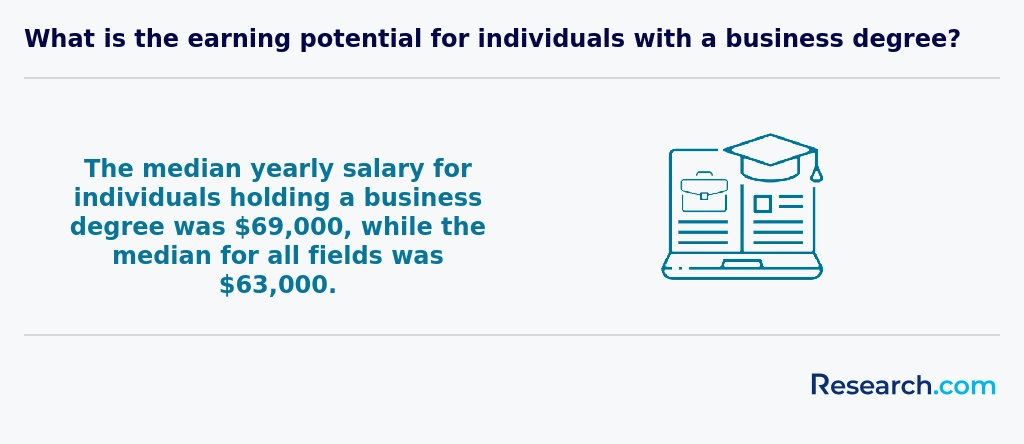
Why Pursue a Business Degree in Kansas City, MO?
Pursuing a business degree in Kansas City, MO, is a strategic move for individuals looking to capitalize on the city's thriving economy and vibrant business community. By enrolling in a reputable program, such as those offered by the University of Missouri-Kansas City, students can equip themselves with the skills and knowledge necessary to excel in various business sectors. One of the key benefits of studying business in Kansas City is the access to a wide range of valuable business programs in Missouri, which cater to different interests and career aspirations. This diversity in program offerings ensures that students can find a specialization that aligns with their strengths and passions, whether it be in finance, marketing, entrepreneurship, or another field. Moreover, the city's strong job market, coupled with the practical skills gained through internships and hands-on learning experiences, positions graduates for success in their chosen career paths.
What financial aid is available to business degree students in Kansas City?
Many business students in Kansas City find that financial aid becomes a crucial pillar supporting their educational journey. Graduates from UMKC often reflect on how federal Pell Grants, which can cover up to $7,395 annually, substantially eased their tuition burden and allowed them to focus more on studies than loans. Submitting the FAFSA early is a wise step, unlocking access not only to federal grants but also low-interest loans tailored for business students.
Beyond federal options, the Missouri A+ Scholarship stands out as a lifeline for those who begin at community colleges. Many students use this program to complete foundational courses affordably before transferring to schools like Rockhurst University, where institutional scholarships targeting business excellence further offset costs.
Local scholarships from organizations such as the Greater Kansas City Chamber of Commerce often reward leadership and strong business interest, offering practical assistance while strengthening ties to the regional economy. Work-study opportunities at local businesses offer both income and invaluable real-world experience, blending financial support with professional growth.
Return on Investment (ROI) for Business Degrees in Kansas City, MO
Evaluating the return on investment (ROI) of a business degree in Kansas City can help you make a financially sound decision. On average, tuition for a bachelor’s in business ranges from $12,600 to $13,100 per year, while graduates earn median starting salaries of $55,000–$65,000. By comparing total program costs-including fees, books, and living expenses-with post-graduation earnings, students typically recoup their investment within 3–5 years. Key factors influencing ROI:
- Total Cost vs. Salary: A graduate who pays $52,000 in tuition and secures a $60,000 annual salary can expect to break even in approximately four years, assuming modest salary growth.
- Scholarship Leverage: Institutional and state aid can reduce net cost by up to 40%, accelerating the payback period and increasing lifetime earnings.
- Program Length: Accelerated or combined bachelor’s/MBA tracks can shorten time to degree and boost ROI by enabling earlier entry into the workforce. Institutions in Kansas City also emphasize experiential learning-such as internships with local Fortune 500 firms and mentorship programs-which enhances employability and salary potential. For students seeking cost-effective online alternatives, explore the Most Affordable Online Business Degree Programs Ranking in Pittsburgh, PA to compare tuition rates and ROI metrics across regions.
What are the prerequisites for enrolling in business degree program in Kansas City?
Enrolling in a business degree program in Kansas City means preparing for a journey that blends academic rigor with personal growth. Graduates from local institutions like the University of Missouri-Kansas City often recall how meeting the GPA expectations-typically around 2.5 to 3.0-helped them build a solid foundation. Official transcripts showing core coursework in math and English were key to their acceptance, reflecting the region's commitment to essential skills.
Standardized tests like the SAT or ACT can still play a role, especially for programs valuing strong quantitative abilities. Many found that submitting these scores boosted confidence and opened doors, even as some schools adopted test-optional policies.
For those pursuing graduate business degrees, the experience shared by Rockhurst University alumni highlights the importance of holding a bachelor's degree and often two to five years of work experience. GMAT or GRE scores might be needed but can sometimes be waived, easing the path for professionals ready to advance their careers.
Letters of recommendation and thoughtful personal statements gave many the chance to express their ambitions and leadership potential, proving that enrolling in Kansas City's business programs is as much about showing character as meeting academic standards.
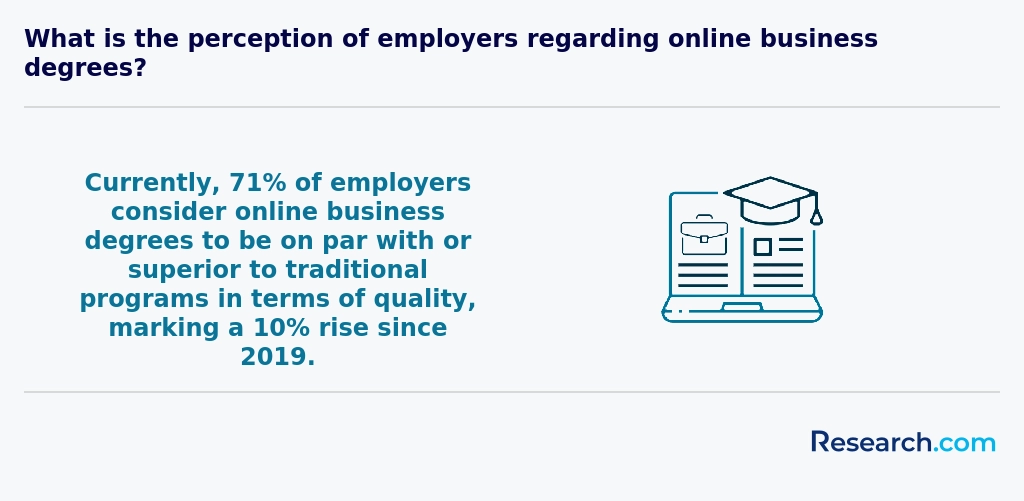
Return on Investment for a Business Degree in Kansas City, MO
Understanding the return on investment (ROI) of a business degree in Kansas City, MO, is crucial for making an informed decision about your education. ROI measures the financial gain you can expect relative to the cost of your degree, and in Kansas City, graduates often recoup their investment within 3–5 years thanks to competitive starting salaries and a thriving job market. For example, with average entry-level salaries exceeding $60,000 and mid-career earnings surpassing $90,000, the long-term benefits of a business degree can far outweigh tuition expenses. To estimate your personal ROI, calculate your total cost of attendance-including tuition, fees, and living expenses-against projected earnings over a ten-year period. Many students leverage flexible formats and scholarships to minimize debt; some even opt for a low cost mba online no gmat required to further reduce upfront costs. By choosing affordable programs and supplementing your income through graduate assistantships or part-time roles, you can accelerate your break-even point and enhance overall ROI. Beyond salary figures, consider intangible returns such as expanded professional networks, leadership skills, and access to exclusive alumni resources in Kansas City’s dynamic business community. Engaging in internships with local firms like Hallmark or Garmin can provide real-world experience that boosts both your resume and your starting salary, effectively raising the ROI of your degree. Maximize your investment by researching programs with strong career services, high job placement rates, and robust alumni networks. Regularly update your skills through continuing education and certifications-such as PMP or Six Sigma-to maintain a competitive edge and sustain a high ROI throughout your career.
What courses are typically in business degree programs in Kansas City?
Business degree programs in Kansas City typically begin with foundational courses like Principles of Management, Financial Accounting, and Business Communication. Graduates from well-known local universities often reflect on how these classes built their confidence to engage in workplace discussions and teamwork early on.
As the curriculum advances, students dive into subjects such as Marketing Principles, Consumer Behavior, Corporate Finance, and Organizational Behavior. One graduate described how understanding consumer behavior helped them launch a small local startup, applying concepts directly learned in class.
Courses in Business Law and Ethics equip students to navigate real-world challenges ethically, while Data Analytics and Decision-Making offer valuable insights into leveraging data-crucial in Kansas City's expanding finance and telecommunications sectors. Operations Management classes model supply chain scenarios familiar to the region's logistics hubs, making learning deeply relevant.
Electives and concentration options let students tailor their education to personal aspirations, reflecting the flexibility and practical focus that many Kansas City students appreciate in their academic journey.
What types of specializations are available in business degree programs in Kansas City?
Business degree specializations in Kansas City offer a practical blend of theory and real-world application tailored to the city's economic landscape. Graduates from popular local universities often highlight concentrations like Finance and Accounting, which sharpen skills in investment and banking, reflecting Kansas City's growing financial sector. Marketing is another favored path, especially with the rise of tech startups, providing students hands-on experiences that resonate beyond the classroom. Many find Supply Chain Management and Logistics appealing due to Kansas City's role as a transportation hub, making coursework immediately relevant to local employers.
In addition, Entrepreneurship stands out as a dynamic specialization where graduates hone innovation and leadership skills supported by Kansas City's thriving startup ecosystem. Human Resource Management also draws interest for those who want to impact workforce strategies across healthcare and service industries here. Exploring such options reveals how Kansas City business degree concentration options equip students with career-ready expertise and a confident outlook on future opportunities. For those seeking lighter pathways, consider reviewing the easiest business courses available locally.
How do you choose the best business degree in Kansas City?
Choosing the best business degree programs in Kansas City means evaluating more than just the school's reputation. Graduates from local institutions often praise the value of AACSB-accredited programs, as these credentials open doors with employers and provide strong networking chances. Many find that focusing on specializations like supply chain management aligns perfectly with Kansas City's logistics-driven economy, leading to internships and job placements right in the metro area.
Affordability plays a crucial role. Students frequently balance tuition against available financial aid, considering options at both public and private colleges. For those budget-conscious learners, exploring a low cost mba online no gmat required can be a practical alternative to traditional routes while still earning a credible business credential.
Many peers emphasize the importance of graduation rates and career support services. Business graduates who experienced strong alumni networks within Kansas City often speak about mentorship and job referrals that made their transitions smooth and hopeful. Choosing a flexible program with opportunities for real-world experience-such as internships or cooperative education-is also a perspective shared widely among successful students.

What career paths are available for business degree students in Kansas City?
Business degree graduates in Kansas City discover a range of rewarding career paths that align well with the city's dynamic economy. Many find themselves drawn to management positions where leadership and strategic thinking skills honed at universities like the University of Missouri-Kansas City prove invaluable. Graduates often share how internships with local firms, from multinational corporations to nimble startups, cultivate confidence and open doors within Kansas City's diverse business community. Exploring finance careers is also popular, with the city's strong banking and investment sectors offering roles for analysts and accountants who appreciate the city's supportive professional networks and competitive salaries.
Marketing roles, especially those focused on digital strategies and e-commerce, attract graduates eager to innovate and adapt in evolving markets. Entrepreneurial spirits thrive here as well, frequently mentioning how Kansas City's incubators and innovation hubs inspire and sustain their startup ambitions. Students looking to minimize costs without sacrificing quality benefit from programs highlighted in the Most Affordable Online Business Degree Programs Ranking in Pittsburgh, PA, demonstrating the city's commitment to accessible education that doesn't compromise on opportunity. This blend of practical experience and economic vitality makes Kansas City an ideal place to pursue various top business jobs in Kansas City.
What is the job market for business degree in Kansas City?
The job market for business degree holders in Kansas City reflects a dynamic environment fueled by a diverse economy and strong corporate hubs. Graduates from local institutions often find themselves drawn into career opportunities in finance, consulting, and technology sectors. For many business students, universities in Kansas City offer a tangible connection to employers like H&R Block or Cerner Corporation, creating firsthand experiences that build confidence and professional networks early on. Kansas City career opportunities for business graduates are frequently highlighted by alumni who appreciate the balance between competitive salaries-around $58,000 for early-career roles-and the relatively affordable tuition costs compared to national averages.
Many graduates describe the local scene as encouraging, where internships and entry-level positions are accessible because of the city's welcoming business culture. Those considering education options might explore programs that align with their ambitions, including accelerated paths such as the accelerated online bachelor's degree, which allow quicker entry into the job market. This practical approach helps students navigate the evolving job outlook with resilience and optimism.
Frequently Asked Questions About business
Business degree students in Kansas City can maximize their learning experience by actively engaging with the city's vibrant economic environment. Kansas City is home to over 20 Fortune 500 companies, including Cerner and Sprint, providing valuable internship and networking opportunities. Connecting with local business organizations like the Greater Kansas City Chamber of Commerce offers access to mentorships and real-world projects.
Additionally, students should take advantage of experiential learning options such as case competitions and consulting projects prevalent at Kansas City universities. Combining classroom theory with hands-on experience strengthens practical skills, enhancing future employment prospects.
Staying informed about regional economic trends from sources like the Kansas City Business Journal helps students align their studies with market demands.
Emerging niches within the business field reflect both technological advancement and regional economic trends. In Kansas City, one prominent area is supply chain management, driven by the city's strategic location as a transportation hub. According to the Kansas City Business Journal, demand for skilled professionals in logistics and distribution is growing rapidly. Another niche is data analytics, with businesses increasingly relying on data-driven decisions to optimize operations.
Additionally, sustainable business practices are gaining attention as firms respond to environmental concerns. Entrepreneurship focused on tech startups also flourishes, supported by local innovation centers. These fields represent promising pathways for business students aiming to align their education with evolving market needs.
To prepare for the job market after earning a business degree in Kansas City, students should focus on building a strong professional network. Kansas City's business community includes major sectors such as finance, manufacturing, and healthcare, offering diverse employment opportunities, according to the Greater Kansas City Chamber of Commerce. Gaining relevant internships in these industries can boost experience and employability.
Developing skills in data analysis, digital marketing, and project management aligns with employer demands locally and nationally. Participating in career fairs hosted by universities and local organizations helps connect graduates with companies actively hiring business degree holders.
Additionally, Kansas City offers several professional development workshops and mentorship programs valuable for transitioning from education to the workforce.
Employers in Kansas City highly value a combination of technical and soft skills in business degree graduates. Key competencies include strong analytical abilities, as over 70% of local firms demand proficiency in data interpretation and financial modeling, according to the Kansas City Business Journal.
Communication skills rank equally important, with effective written and verbal communication essential for collaboration in diverse workplace settings. Leadership and teamwork capabilities are also frequently requested, especially in industries such as finance and healthcare that dominate the regional economy.
Additionally, adaptability and problem-solving skills stand out due to the region's evolving business landscape, influenced by growth in technology and logistics sectors. Familiarity with business software and an understanding of economic trends further enhance employability in this competitive market.
Finding internships in Kansas City relevant to a business degree involves leveraging both local resources and university connections. Kansas City hosts a growing business community, including major firms in finance, marketing, and logistics, which offer diverse internship opportunities. According to the Kansas City Chamber of Commerce, industries like banking and professional services have increased internship availability by 15% in recent years.
Students should utilize career centers at institutions like the University of Missouri-Kansas City, which maintain partnerships with local companies. Networking through events, online platforms such as Handshake, and professional associations like the Kansas City Business League can also expand opportunities.
Internships in Kansas City often provide practical experience in emerging sectors, helping students build skills necessary for competitive post-graduate employment in the Midwest's growing economy.
In Kansas City, earning a business degree significantly enhances career mobility and advancement opportunities. The region's diverse economy, which includes finance, manufacturing, and technology sectors, favors candidates with formal business education. According to the U.S. Bureau of Labor Statistics, management and business roles in Missouri are expected to grow by 7% through 2031, above the national average.
A business degree equips graduates with critical skills in leadership, finance, and marketing, making them attractive for promotions and cross-sector moves. Local employers such as Cerner and Hallmark often prioritize candidates with business credentials. Additionally, Kansas City offers numerous networking opportunities through local business organizations, further aiding career growth.
Studying for a business degree in Kansas City offers students a strong interdisciplinary foundation essential for today's diverse job market. Many local universities integrate business coursework with fields such as technology, healthcare, and urban development, reflecting Kansas City's growing sectors.
According to the Greater Kansas City Chamber of Commerce, industries like finance, logistics, and information technology are expanding rapidly in the region. Business programs often include practical projects and internships connected to these areas, enabling students to develop skills beyond traditional business knowledge.
This approach helps graduates adapt to roles requiring expertise in multiple disciplines, which is increasingly valued by employers across the city and beyond.
Choosing between a thesis and a non-thesis business degree program in Kansas City depends largely on your career goals and learning preferences. A thesis option typically suits students aiming for research or academic careers, requiring significant writing and data analysis. It involves original research, which can be valuable for industries emphasizing strategic planning and detailed market analysis, sectors growing steadily in Kansas City's economy according to the local Chamber of Commerce.
On the other hand, a non-thesis program usually focuses more on practical skills and coursework. It is often preferred by professionals seeking to enter or advance in management roles without committing to extensive research. Kansas City's thriving business scene, including strong finance and tech sectors, benefits from graduates with applied experience and networking opportunities gained through internships rather than thesis work.
Students based in Kansas City have several options to study business abroad through exchange programs and partnerships offered by local universities. Institutions like the University of Missouri-Kansas City (UMKC) provide faculty-led short-term programs in Europe and Asia focusing on international business practices.
Additionally, Kansas City students can access broader U.S. university networks promoting semesters or summer terms in various global business hubs such as London, Shanghai, and Madrid. These opportunities enable students to earn credits toward their degree while gaining valuable cross-cultural experience.
According to NAFSA, nearly 10% of business undergraduates nationwide participate in study abroad programs each year, reflecting growing interest in global business education.
Kansas City offers various part-time job opportunities that complement business degree education, providing practical experience alongside academic learning. Positions in local financial institutions, such as banks and credit unions, allow students to develop skills in customer service, financial analysis, and sales. According to the U.S. Bureau of Labor Statistics, Kansas City's finance and insurance sector employs over 85,000 people, reflecting a strong job market in these fields.
Retail management roles at major companies headquartered in Kansas City, including Hallmark and H&R Block, offer hands-on experience in operations and team leadership. Additionally, internships and part-time roles in marketing firms or startups provide exposure to digital marketing, market research, and data analytics, essential for many business careers.
Business students in Kansas City have access to a diverse range of networking opportunities that enhance their educational experience. With a strong business community, students can connect through local chapters of national organizations such as the Kansas City Chamber of Commerce and the Entrepreneurs' Organization. These groups host events, workshops, and mentorship programs to foster relationships with established professionals. Additionally, universities like the University of Missouri-Kansas City provide career fairs and alumni networks that link students directly to recruiters from major regional employers, including Hallmark and Cerner. According to the Greater Kansas City Chamber, over 20,000 business professionals attend networking events annually, illustrating a vibrant professional environment.
The alumni networks of business degree programs in Kansas City provide significant advantages to current students. These networks connect students with graduates working in local industries such as finance, manufacturing, and tech, facilitating mentorship and internship opportunities. The Kansas City metro area hosts over 1,200 corporate headquarters, making these connections valuable for career development, according to the Kansas City Chamber of Commerce.
Alumni often share job leads and industry insights, which helps students navigate the competitive job market. Furthermore, workshops and networking events organized by alumni groups increase student exposure to real-world business practices.
Research from the National Association of Colleges and Employers indicates that students engaged with alumni networks typically have a 20% higher employment rate within six months of graduation. This data underscores the practical benefits of campus connections in Kansas City's diverse economic environment.
Customizing a business degree program in Kansas City allows students to align their education with specific career goals. Many local universities offer flexible curricula with concentrations such as finance, marketing, entrepreneurship, and supply chain management, reflecting Kansas City's role as a logistics and financial hub.
Internships and cooperative education experiences with Kansas City's diverse companies, including major corporations like Cerner and Hallmark, provide practical skills tailored to industry demands.
Additionally, students can select electives that focus on emerging business trends such as data analytics or sustainable business practices, enhancing their marketability.
According to the Kansas City Chamber of Commerce, 70% of business graduates find employment within the metropolitan area, highlighting the importance of locally relevant coursework.
Business students in Kansas City face several common challenges during their studies. One major issue is balancing academic workload with internships or part-time jobs, as practical experience is highly valued in the area's competitive job market. According to the Greater Kansas City Chamber of Commerce, sectors like finance and tech are growing rapidly, increasing demand for qualified graduates but also raising expectations.
Another challenge is navigating rising tuition costs. Public universities in Missouri and Kansas have seen average yearly fees climb by about 3% since 2020, which can strain student budgets. Additionally, some students struggle with limited access to networking opportunities outside the main urban centers.
Finally, keeping up with the evolving digital skills required in business, such as data analytics and digital marketing, can be difficult without adequate resources or faculty expertise in these emerging fields.
With a business degree in Kansas City, students can pursue various professional certifications that enhance career prospects. Popular options include the Certified Public Accountant (CPA) for those interested in accounting, requiring passing an exam and meeting state experience requirements. Another well-regarded certification is the Project Management Professional (PMP), which benefits business graduates aiming to manage projects effectively.
The Chartered Financial Analyst (CFA) credential is valuable for roles in investment management and financial analysis. Additionally, the Certified Management Accountant (CMA) focuses on financial management skills. These certifications are recognized nationwide and often lead to higher salaries and better job growth.
According to the Kansas City Business Journal, companies in this region increasingly favor candidates with such credentials due to the city's growing finance and tech sectors.
Writing a winning application for a business program in Kansas City requires clear organization and attention to detail. Start by researching specific programs well-known in the city, such as those at the University of Missouri-Kansas City and Rockhurst University, to tailor your application accordingly.
Highlight your leadership skills and practical experience, since Kansas City's economy strongly relies on industries like finance and logistics. Emphasize your understanding of these areas and your career goals. Including measurable achievements, like internships or community projects, can improve your chances.
Strong recommendation letters and a compelling personal statement explaining why you chose Kansas City for your business studies are key to standing out.
The global perspective on a business career emphasizes adaptability and cultural awareness, both increasingly vital in today's interconnected economy. U.S. business graduates, including those from Kansas City programs, benefit from curricula that often include international business, finance, and supply chain management. According to the World Economic Forum, cross-border trade and multinational firms demand professionals who understand global markets.
Kansas City itself is a growing hub for logistics and international trade, supported by its central location. The Metro Chamber reports that nearly 30% of local businesses engage in export activities, highlighting opportunities for students to work within a global context.
Furthermore, business degrees in the U.S. commonly integrate internships and exchange programs, giving students practical exposure to global practices that strengthen their career prospects worldwide.
Students pursuing a business degree in Kansas City can gain practical experience through internships offered by numerous local companies. Kansas City is home to over 20 Fortune 500 businesses, including Hallmark and Cerner, which frequently provide internship opportunities that align with academic schedules. Engaging in internships allows students to apply classroom knowledge to real-world situations, enhancing their skills and employability.
Additionally, many universities in the area collaborate with local startups and corporations to offer cooperative education programs. These programs combine coursework with paid work experience. Furthermore, participating in business clubs and case competitions hosted by institutions like the University of Missouri-Kansas City can also develop practical skills.
Choosing the right concentration within a business degree program in Kansas City begins with understanding local industry strengths. Kansas City's economy is notably strong in finance, healthcare, and technology sectors, which can guide students toward relevant concentrations like finance, healthcare management, or information systems. According to the Kansas City Economic Development Corporation, finance and insurance jobs grew by 3.5% in 2023, highlighting opportunities in that field.
Consider your career goals and the skills most demanded by employers in this region. Researching job market trends using resources like the U.S. Bureau of Labor Statistics can provide additional insights. Many Kansas City universities offer specialized internship programs linked to local businesses, which can be vital for gaining practical experience within your chosen concentration.
Finally, evaluating the curriculum alignment with your interests and career prospects is key. Business concentrations that balance theory and practical application tend to produce graduates who perform strongly in Kansas City's competitive job market.
Related Business Rankings for Nearby Cities
- 2027 Most Valuable Business Degree Programs Ranking in Columbia
- 2027 Most Valuable Business Degree Programs Ranking in Springfield
- 2027 Most Valuable Business Degree Programs Ranking in Lincoln
- 2027 Most Valuable Business Degree Programs Ranking in Omaha
- 2027 Most Valuable Business Degree Programs Ranking in Wichita
- 2027 Most Valuable Business Degree Programs Ranking in Saint Louis
- 2027 Most Valuable Business Degree Programs Ranking in Dubuque
- 2027 Most Valuable Business Degree Programs Ranking in Memphis
- 2027 Most Valuable Business Degree Programs Ranking in Madison
- 2027 Most Valuable Business Degree Programs Ranking in River Forest
Top Trending Business Rankings
See What Experts Have To Say About Studying Business
Read our interview with Business experts

David Souder
Business Expert
Senior Associate Dean for Faculty and Research
Michigan State University


Ingrid S. Greene
Business Expert
Clinical Assistant Professor of Management
Loyola Marymount University

References
- Skills Employers Look for in Business Graduates – EU Business School https://www.euruni.edu/blog/skills-employers-look-for-in-business-graduates/
- Enterprise project challenge https://barclayslifeskills.com/help-others/lessons/enterprise-project-challenge/
- Business Administration - Associate Degrees and Certificates https://mcckc.edu/programs/business-administration/index.aspx
- 8 Best Places to Study Abroad for Business [+ How to Choose] https://www.semesteratsea.org/study-abroad-for-business/
- MBA https://stmary.edu/mba.html
- Why Employers Prize a Global Perspective from MBA Graduates | WU Executive Academy https://executiveacademy.at/en/knowledge/career/why-employers-prize-a-global-perspective-from-mba-graduates
- Why Alumni Networks Matter in Business School: 7 Reasons https://europe.ceibs.edu/article/why-alumni-networks-matter-business-school
- 5+1: Five challenges facing business schools and one solution https://charteredabs.org/insights/opinion/51-five-challenges-facing-business-schools-and-one-solution
- Networking Tips for Business Students: Building a Foundation for Success https://londonsba.org.uk/blog/networking-tips-for-business-students-building-a-foundation-for-success/
- Business Administration Degree Salary | UE Amsterdam https://www.ue-amsterdam.com/blog/business-administration-degree-salary-how-much-can-you-earn