2027 Most Affordable Online Bachelor's in Business Degree Programs Ranking in North Carolina

Co-Founder and Chief Data Scientist
Are you considering earning a business degree but want to find the most affordable options in North Carolina? This article introduces the 2027 Most Affordable Online Bachelor's in Business Degree Programs Ranking in North Carolina, thoughtfully created by the Research.com team of data scientists. It's designed to help you make an informed decision about which programs offer real value.
Getting a business degree can open doors to exciting career opportunities and personal growth. By exploring this ranking, you'll discover quality programs that fit your budget and goals, making your educational journey both smart and rewarding.
Key benefits of getting online business degree in North Carolina
- Business degree graduates in North Carolina can expect competitive salaries, with roles like Business Development Executive earning about $83,190 annually and Business Analysts making around $112,950 per year, highlighting strong financial rewards.
- Graduates from popular North Carolina universities often pursue diverse careers such as marketing, finance, and consulting, showcasing the flexibility and variety of opportunities a business degree offers.
- Completing a business degree online allows for greater flexibility and balance, ideal for working professionals in North Carolina, while still gaining the same respected qualifications as traditional on-campus programs.
- Key benefits of getting online business degree in North Carolina
- What can I expect from online business degree in North Carolina?
- Where can I work with online business degree in North Carolina?
- How much can I make with online business degree in North Carolina?
- 2027 Most Affordable Online Bachelor's in Business Degree Programs Ranking in North Carolina
- Key Findings
- How long does it take to complete online business degree in North Carolina?
- Student Support Services for Online Business Students in North Carolina
- What's the difference between online and on-campus business degree?
- What is the average cost of online business degree in North Carolina?
- Essential Tips for Succeeding in Your Online Business Degree Program
- What financial aid is available to online business degree students in North Carolina?
- What are the prerequisites for enrolling in online business degree program in North Carolina?
- Why Choose an Affordable Online Business Degree in North Carolina?
- What courses are typically in online business degree programs in North Carolina?
- What types of specializations are available in online business degree programs in North Carolina?
- How do you choose the best online business degree in North Carolina?
- What career paths are available for online business degree students in North Carolina?
- What is the job market for online business degree in North Carolina?
- Related Business Rankings for Nearby States
- Top Trending Business Rankings
- See What Experts Have To Say About Studying Business
What can I expect from online business degree in North Carolina?
The average cost of earning an online business degree in North Carolina is notably affordable, especially compared to private institutions nationwide. Public universities like those in the University of North Carolina system and North Carolina State University offer tuition rates that make pursuing a degree financially manageable for many residents. Graduates often share how attending these schools helped them avoid overwhelming student debt, allowing them to focus on skill-building and career growth.
For example, students commonly experience coursework delivered asynchronously, which means they can balance studies with jobs or family responsibilities without added stress. This flexibility paired with competitive tuition-often significantly lower than private colleges-makes these programs attractive and accessible. Many report appreciating how the lower costs did not come at the expense of quality, as these institutions maintain strong accreditation standards that employers respect.
Choosing an in-state online business program in North Carolina offers both economic and logistical advantages, helping students invest wisely in careers aligned with thriving sectors like finance, tech, and healthcare.
Where can I work with online business degree in North Carolina?
Graduates with an online business degree in North Carolina can pursue diverse roles in vibrant cities like Charlotte, Raleigh, and Durham. Many find rewarding careers in Charlotte's finance sector, working in corporate finance, risk management, or compliance. These positions often involve analyzing portfolios and managing customer relations, skills sharpened in programs offered by well-known schools such as the University of North Carolina at Charlotte.
In the Research Triangle-home to universities like North Carolina State and Duke-graduates thrive in technology firms and startups. They take on roles in project management, business development, and marketing analysis, applying strategic planning skills developed during their studies. Networking events hosted by these universities often connect students directly to Research Triangle Park companies eager for business-savvy employees.
Entrepreneurship graduates appreciate resources like the North Carolina Small Business and Technology Development Center, enabling them to launch or grow small businesses. Alumni from online business programs frequently share how this support helped them confidently establish ventures in retail or consulting, turning ideas into profitable realities.
Healthcare and manufacturing sectors also value online business graduates for administrative roles, especially as the state's management occupations grow. This wide geographic and industry variety highlights practical opportunities for students aiming to leverage their degree across North Carolina's economy.
How much can I make with online business degree in North Carolina?
Graduates with an online business degree in North Carolina can expect competitive earnings in roles backed by solid data. For example, business development executives average around $83,190 annually, reflecting strong demand for professionals who drive company growth. Business analysts, common among graduates from institutions like UNC Chapel Hill or NC State University, exceed this with a mean annual salary of $112,950, showcasing the premium placed on analytical skills.
North Carolina's thriving economic hubs, especially around the Research Triangle Park, open doors to lucrative positions. Graduates sharing experiences often highlight how industry certifications paired with their degree boosted their starting salaries into six figures, particularly in finance and tech sectors. To maximize earning potential, consider certifications like Certified Business Analyst or PMP; these credentials complement your online degree and have proven impact on pay.
Focusing on roles with available wage data offers clear direction: aiming for business analyst or business development positions can lead to rewarding financial outcomes, helping you turn your degree into a smart investment in your future.
2027 Most Affordable Online Bachelor's in Business Degree Programs Ranking in North Carolina
How do we rank schools?
Investing in your education is a significant decision that can shape your future, and the Research.com team understands the importance of making informed choices. To assist prospective students in North Carolina, we have meticulously developed the "2027 Most Affordable Online Bachelor's in Business Degree Programs Ranking." Our dedication to quality, credibility, and accuracy is demonstrated through comprehensive research and analysis behind this ranking.
We utilized the following reputable data sources to ensure a thorough evaluation of affordable online business degree programs:
By exploring this ranking, readers will gain valuable insights to identify affordable, high-quality online business programs in North Carolina, empowering them to make confident, well-informed educational decisions. For more information about how this ranking was created, please visit our Research.com methodology page.


Key Findings
- In-state tuition for online business degrees in North Carolina typically ranges from $4,000 to $7,000 per year at public universities, while private schools may charge over $15,000 annually.
- Most programs in the state are accredited by the Association to Advance Collegiate Schools of Business (AACSB), ensuring a recognized academic quality.
- The average starting salary for business graduates is about $50,000 annually, increasing to between $75,000 and $85,000 within five to ten years.
- Job growth in business and financial operations in North Carolina is expected to be around 8% over the next decade, higher than the national average.
- Online curricula usually include key subjects like management, marketing, finance, accounting, and entrepreneurship, often with opportunities for remote internships.
How long does it take to complete online business degree in North Carolina?
Completing an online business degree in North Carolina typically ranges from two to four years, depending mainly on your enrollment status and course load flexibility. For example, graduates from schools like the University of North Carolina at Chapel Hill or North Carolina State University often share that studying full-time allowed them to finish in about four years, while part-time learners balancing work took longer.
Many students find that accelerated programs or year-round courses help them graduate faster-sometimes in just two to three years-by taking extra classes during summer sessions or heavier semester loads. Transfer credits play a big role too; graduates who transferred credits from community colleges or other universities often completed their degrees sooner, sometimes skipping most lower-level courses.
Financial considerations also shape pacing. Those budgeting carefully may opt for part-time study but feel satisfaction in steady progress. Meanwhile, availability of asynchronous courses at institutions like East Carolina University offers flexibility, letting students fit study into busy schedules, boosting motivation and confidence.
Student Support Services for Online Business Students in North Carolina
A robust support network is essential for success in an online business degree program. North Carolina institutions typically offer 24/7 technical support to resolve issues with learning management systems, ensuring uninterrupted access to lectures and assignments. Dedicated academic advisors guide students through course selection, credit transfers, and degree planning-helping to optimize timelines and avoid excess credit hours. Online learners also benefit from virtual tutoring centers and writing labs, where subject-matter experts provide one-on-one assistance in areas such as accounting, statistics, and business writing. Digital library portals grant access to peer-reviewed journals, e-books, and industry reports, enabling research that meets the rigors of both coursework and professional standards. Career services teams host online workshops on résumé building, interview preparation, and networking strategies-often collaborating with local employers to create internship pipelines that enhance real-world experience. Wellness resources, including virtual counseling and stress-management programs, support students juggling work, family, and study commitments. Learning communities and peer forums foster engagement through group projects, study groups, and alumni mentorship programs. For those planning to advance their studies with a focus on project management, consider the low-cost online mba project management to build on your undergraduate foundation and accelerate career growth.
What's the difference between online and on-campus business degree?
Online business degrees in North Carolina provide flexibility that fits busy lives, especially for working professionals or parents balancing family and work. Graduates from online programs at institutions like East Carolina University often share how accessing lectures and assignments anytime made completing their degree achievable without sacrificing job responsibilities.
In contrast, on-campus degrees at popular schools like the University of North Carolina at Chapel Hill offer immersive face-to-face learning with professors and peers, fostering strong connections and easier access to local internships in cities like Raleigh and Charlotte. These opportunities are valuable for students eager to build networks within North Carolina's thriving business sectors.
Cost-wise, online students typically save on commuting and housing, with reports suggesting up to 40% savings on total expenses compared to traditional students. Still, on-campus programs provide rich campus resources that some graduates say enhanced their career confidence and social experience.
Ultimately, choosing between formats depends on your lifestyle and career goals, but both paths hold strong accreditation and opportunities tailored to North Carolina's market.
What is the average cost of online business degree in North Carolina?
The average cost of an online business degree in North Carolina varies significantly depending on residency and the type of institution. For in-state students, the median total cost typically hovers around $21,240, reflecting a more affordable path compared to out-of-state students, who often face costs exceeding $100,000. Graduates from well-known North Carolina universities frequently highlight how selecting an in-state program helped them manage expenses without sacrificing the quality of education.
Many students pursuing affordable online business degree programs North Carolina recommend start by comparing tuition rates at public schools, where annual costs for in-state online students can range closer to $7,000-$9,500. Public universities in the UNC system often charge around $300 to $400 per credit hour, which aligns with the needs of those balancing work and study. Graduates stress how this balance eased financial pressure and maintained motivation through flexible schedules adapted for working adults.
Investing in an online business degree also means accounting for additional fees such as technology and course materials, usually under $1,000 per year. Several students found that seeking scholarships and employer tuition reimbursement programs was crucial in minimizing these expenses, allowing them to focus on learning and networking opportunities offered by their programs.
Choosing from the cheapest business schools in North Carolina can provide a strategic advantage, especially for those aiming to maximize value while managing costs effectively.

Essential Tips for Succeeding in Your Online Business Degree Program
Navigating an online business degree successfully requires a strategic blend of discipline, resourcefulness, and proactive engagement. Start by creating a structured study schedule that accommodates your work and personal commitments, ensuring you allocate dedicated time for coursework and online discussions. Utilize digital tools such as calendars, task managers, and academic apps to keep track of deadlines and maintain focus. Moreover, actively participate in virtual study groups and networking forums to connect with peers and industry professionals-this collaborative environment enhances both your academic experience and long-term career growth. Additionally, don't hesitate to seek support when needed. Many programs offer online tutoring, technical assistance, and career counseling services that can help you overcome challenges and stay motivated throughout your studies. As you evaluate your educational pathway, consider exploring entry-level options like most affordable online associate in business degree programs for a cost-effective start to your academic journey. Embracing these practical strategies not only bolsters your learning experience but also positions you to excel in the competitive business landscape after graduation.
What financial aid is available to online business degree students in North Carolina?
Students pursuing an online business degree in North Carolina can take advantage of multiple financial aid options that make education more affordable and accessible. Many graduates from universities like the University of North Carolina at Chapel Hill and North Carolina State University highlight the importance of applying for federal aid through FAFSA early. This process opens doors to Pell Grants, which do not require repayment, and federal loans with manageable interest rates-key resources for reducing upfront costs.
State scholarships such as the North Carolina Need-Based Scholarship and the Community College Grant also play a vital role, especially for those who start at community colleges before transferring to four-year programs. Business students often find relief through institutional scholarships tailored to merit or specific groups, like women and veterans, which numerous institutions across the state offer.
Working professionals benefit from employer tuition reimbursement programs, which several graduates say significantly eased their financial burden while studying part-time. Combining these options with private scholarships from local business foundations creates a practical path to managing tuition and related expenses successfully.
What are the prerequisites for enrolling in online business degree program in North Carolina?
To enroll in an online business degree program in North Carolina, you first need a high school diploma or equivalent like a GED. This basic step ensures you're ready to handle college-level work. Graduates from universities such as UNC Chapel Hill or NC State emphasize how submitting official transcripts-either from high school or previous college courses-is crucial. These transcripts showcase your academic history and help schools assess your preparedness.
Many North Carolina institutions have moved to test-optional policies, especially for online business degrees. This means you often won't need SAT or ACT scores, which relieves stress for many applicants. Instead, focus on preparing a strong application including recommendation letters and a personal statement that express your passion and goals.
Beyond paperwork, being comfortable with technology is vital. Reliable internet and basic computer skills will make your studies smoother, a fact often highlighted by graduates from East Carolina University's online business programs. Schools typically offer orientations to boost your confidence with the learning platform. This practical approach helps you start strong without feeling overwhelmed.
Why Choose an Affordable Online Business Degree in North Carolina?
The decision to pursue an affordable online business degree in North Carolina can be a pivotal moment in one's educational and professional journey. By opting for an online program, students can leverage the flexibility and cost-effectiveness that these degrees offer, making higher education more accessible. When considering the array of options available, it's essential to weigh the benefits of affordability against factors like program quality, accreditation, and career outcomes. For those looking to make informed decisions, researching rankings like the cheapest business schools in North Carolina can provide valuable insights into the best-value programs. These rankings not only highlight institutions that offer competitive pricing but also delve into aspects such as curriculum, faculty expertise, and graduate success rates, ensuring that students find a program that aligns with their aspirations and budget.
What courses are typically in online business degree programs in North Carolina?
Online business degree programs in North Carolina usually include core courses like accounting, marketing, management, finance, and economics. Graduates from popular schools report that taking Principles of Accounting helped them confidently manage budgeting tasks during internships at local companies. Marketing Fundamentals courses often focus on digital strategies, which students found immediately applicable when promoting small businesses or nonprofits in their communities.
Courses in Business Management and Leadership prepare students for real-world challenges by simulating team projects and strategic planning exercises. For example, learners at well-known North Carolina universities describe how these classes improved their ability to lead group initiatives in both corporate and startup environments. Corporate Finance classes sharpen financial decision-making skills, critical for roles in the state's growing banking and investment sectors.
Electives such as Data Analytics for Business and Entrepreneurship allow students to customize their studies. Many graduates highlight how learning analytics tools helped them secure jobs involving market research, while entrepreneurial courses inspired others to launch their own ventures, often leveraging North Carolina's supportive business ecosystem.
What types of specializations are available in online business degree programs in North Carolina?
Online business degrees in North Carolina typically offer specializations that cater to the state's dynamic economy, ensuring graduates are well-prepared for local opportunities. Popular business management concentrations in North Carolina include Marketing, Finance, Management, Entrepreneurship, Supply Chain Management, and Human Resources Management. For example, graduates from institutions like the University of North Carolina at Chapel Hill and North Carolina State University often highlight how the Marketing specialization helped them secure roles in tech startups or service companies by mastering digital marketing strategies tailored to growing industries.
Similarly, those who pursued Finance found pathways into Charlotte's prominent banking sector, emphasizing practical skills in investment and corporate finance. Many students appreciate how the Entrepreneurship focus aligns with North Carolina's expanding startup culture, giving them confidence to launch their own ventures. If you're comparing programs, consider schools that integrate these specializations with flexible online formats and affordable costs, as highlighted in the most affordable online associate in business degree programs. These options make quality education accessible while supporting career-focused learning in specialized fields relevant to North Carolina's job market.
How do you choose the best online business degree in North Carolina?
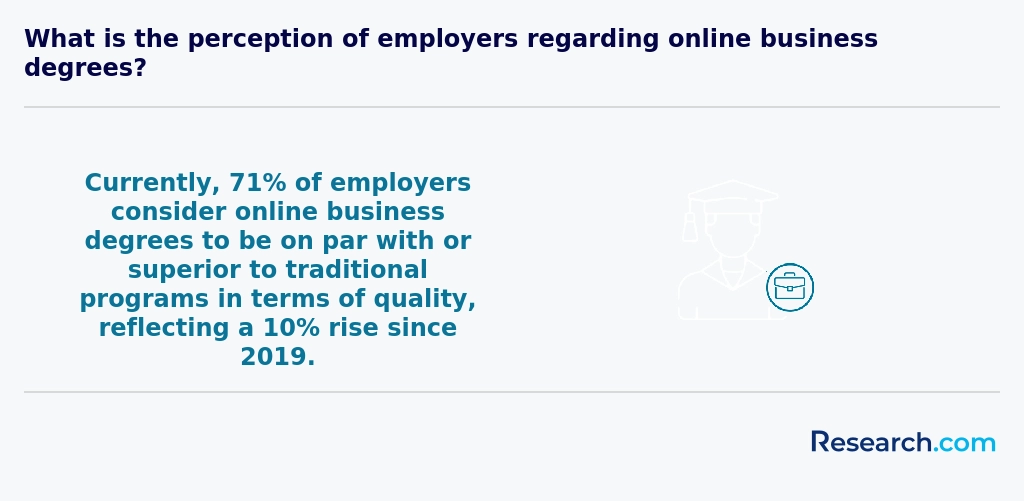
When choosing the best online business degree programs North Carolina offers, prioritize accreditation to ensure a quality education. Graduates from UNC Chapel Hill and NC State often praise their programs' rigorous standards and strong employer recognition. Cost is another important factor; many public universities provide affordable online business degrees in North Carolina, with tuition well below national averages. Exploring financial aid and scholarships can also make a significant difference.
Flexibility matters, especially if you balance work or family commitments. Online programs with asynchronous courses allow you to study on your schedule, reducing stress while maintaining progress. Look for specializations in areas like marketing or finance that align with your career goals.
Student services and technology support are critical-graduates often highlight how accessible academic advising and career counseling improved their experience. For those interested in targeted skills, consider options like the low-cost online mba project management programs available in the state, combining affordability with career-focused training.
What career paths are available for online business degree students in North Carolina?
Graduates with an online business degree in North Carolina find a variety of career paths that align well with the state's dynamic economy. Many step confidently into roles such as management analyst, financial analyst, marketing specialist, and human resources specialist. For example, graduates from well-known North Carolina universities often land entry-level positions in Charlotte's booming banking sector or contribute to growing tech companies in the Research Triangle. These roles allow them to apply their skills in accounting, economics, and business law while building experience for leadership opportunities.
Business degree job opportunities in North Carolina also include entrepreneurship, with many graduates launching startups or small businesses. The state's supportive environment, including resources like the Small Business Technology Development Center, helps make this a practical and exciting path. Students at prominent colleges report feeling empowered to turn ideas into real ventures backed by local initiatives and networking opportunities.
Those exploring quick credential options appreciate programs listed among the top online associate degrees in 6 months for solid foundational skills that ease entry into the workforce.
What is the job market for online business degree in North Carolina?
Graduates holding an online business degree in North Carolina find a dynamic job market fueled by sectors like finance, technology, and healthcare. Many graduates from respected schools such as the University of North Carolina and North Carolina State University share success stories landing roles in Charlotte's bustling banking sector or the innovative environment around the Research Triangle Park. This region's demand for business professionals who can navigate both management and technology highlights practical career opportunities for business graduates in North Carolina.
Entry-level positions commonly offer salaries ranging from $56,000 to $73,000 annually, reflecting positive return on investment given online tuition costs typically between $7,000 and $12,000 per year at public institutions. Many students find that combining coursework with internships enhances their employability. Exploring an easy bachelor degree path might also help balance busy schedules while gaining essential skills in business.
Networking through online platforms and virtual career fairs available in many North Carolina programs provides strong connections to employers, helping graduates confidently enter a growing local business sector. Understanding these vibrant opportunities can make the job market for online business degree in North Carolina very promising.
Frequently Asked Questions About business
Online business degree students in North Carolina can maximize their learning by leveraging local resources and aligning studies with the state's economic climate. North Carolina hosts a growing business sector, including finance, technology, and manufacturing industries, which creates opportunities for practical case studies and networking.
Students should actively engage in virtual internships and local professional groups such as the Charlotte Chamber of Commerce or Research Triangle Partnership to connect with industry leaders. Utilizing North Carolina's extensive online library systems and business databases can also enhance research quality.
Furthermore, maintaining regular communication with instructors and participating in study groups improves understanding and motivation. According to the North Carolina Department of Commerce, business sectors have grown by 3.5% annually, emphasizing the value of staying current with market trends.
The business landscape in North Carolina is evolving, with emerging niches gaining prominence in online business degree programs. Among these, data analytics and supply chain management stand out due to the state's growing technology sector and logistics hubs like Charlotte and Raleigh. According to the North Carolina Department of Commerce, employment in data-related roles is expected to grow 15% through 2030.
Sustainability and green business strategies are also gaining focus, reflecting a broader national trend toward corporate responsibility. Additionally, healthcare management is expanding, driven by North Carolina's strong healthcare industry centered around the Research Triangle.
These specialized fields offer students opportunities to align their education with regional economic growth and industry needs.
After earning an online business degree in North Carolina, graduates should focus on practical experience and networking to improve job market readiness. North Carolina is home to a growing business sector, particularly in finance, technology, and manufacturing, supported by organizations such as the North Carolina Chamber. According to the NC Department of Commerce, sectors like professional services have seen steady employment growth. Internships, even virtual ones, offer valuable exposure to these industries. Joining local business associations and attending events can connect graduates to employers and mentors. Additionally, developing skills like data analysis and digital marketing increases competitiveness in North Carolina's evolving business landscape.
Employers in North Carolina highly value business degree graduates who demonstrate strong communication and analytical skills. According to the North Carolina Department of Commerce, effective problem-solving and critical thinking rank among the most sought-after abilities for business roles statewide.
Additionally, proficiency in data interpretation and familiarity with digital tools like Excel and CRM software are increasingly important due to the growing tech integration within North Carolina's industries, such as finance and manufacturing.
Leadership and teamwork capabilities also stand out, as companies prefer graduates who can manage projects and collaborate efficiently. These skills align closely with the demands of the state's expanding business environment, supported by resources like the North Carolina Business Council.
Finding internships in North Carolina relevant to a business degree involves tapping into multiple local resources. The state's business environment is robust, with sectors like finance, technology, and manufacturing offering numerous opportunities. According to the North Carolina Department of Commerce, Charlotte is a major banking hub, hosting headquarters of Bank of America and Wells Fargo's east coast operations, making it ideal for finance internships. Students should explore university career centers, which often partner with regional companies to provide exclusive internship listings.
Online platforms like Handshake and the NCWorks system also list internships specifically in North Carolina. Networking through local business associations such as the North Carolina Chamber can connect students with internships tailored to their field. Early application and targeted outreach to mid-size and large employers increase chances of securing relevant positions for business students.
Online business degrees in North Carolina significantly enhance career mobility and advancement by providing flexible access to education that aligns with the state's growing economy. According to the North Carolina Department of Commerce, the business sector is among the fastest-growing industries, creating demand for skilled professionals. Earning an online business degree equips students with practical skills in management, finance, and marketing, helping them qualify for higher-level positions.
Employers in North Carolina increasingly value accredited online degrees as evidence of adaptability and self-motivation. Additionally, online programs allow working adults to continue gaining experience while advancing their education, making it easier to pursue promotions or transitions into leadership roles within the state's competitive business environment.
Studying for a business degree in North Carolina offers a strong foundation for interdisciplinary roles by integrating diverse subjects such as finance, marketing, management, and information technology. Many accredited online programs emphasize collaboration, critical thinking, and problem-solving skills that are essential in today's multifaceted business environment.
North Carolina's growing economy, which includes sectors like technology, healthcare, and manufacturing, benefits from professionals who understand multiple disciplines. According to the North Carolina Department of Commerce, the state added over 96,000 jobs in 2023, many requiring diverse skill sets.
Additionally, universities often incorporate case studies and project-based learning to mirror real-world business challenges, preparing students to work across departments. This holistic approach equips graduates for leadership and strategic roles that demand adaptability and broad expertise.
When choosing between a thesis and a non-thesis online business degree in North Carolina, consider your career goals and learning preferences. Thesis programs require independent research and a formal paper, ideal for students planning advanced study or research careers. Non-thesis options often focus more on practical skills through coursework and internships, appealing to those aiming to enter the workforce quickly.
North Carolina hosts a growing business sector, with the Research Triangle contributing significantly to job opportunities, especially in finance and tech industries, according to the NC Department of Commerce. A non-thesis degree might better suit local business demands for applied skills. However, a thesis program can strengthen critical thinking, valuable for leadership roles.
Accreditation and faculty expertise also matter. Look for programs accredited by AACSB or ACBSP to ensure quality education relevant to North Carolina's market.
Students in North Carolina seeking to study business abroad often explore online degree programs with international study options or exchange partnerships. Many North Carolina universities, including public institutions, offer virtual global business courses or short-term study abroad experiences to complement online degrees.
Programs frequently include internships or projects with international companies, helping students gain global business insights without leaving the state. According to the Institute of International Education, participation in study abroad by U.S. business students grew by nearly 20% over recent years, with North Carolina institutions actively promoting global learning.
This hybrid approach allows North Carolina students to benefit from global exposure while maintaining access to affordable in-state tuition rates and accredited online business degrees.
North Carolina offers diverse part-time job opportunities that complement online business degree studies. Positions in retail management, customer service, and administrative support allow students to develop skills in communication and organization. Additionally, internships or assistant roles in local startups and finance firms are common in cities like Charlotte, a major banking hub with over 70 financial institutions according to the Charlotte Regional Business Alliance.
Many companies value experience in sales and marketing, fields that align well with business curricula. Students may also find opportunities in nonprofit organizations, where managing projects and fundraising provides practical business insights. The state's growing tech industry further creates part-time roles in data analysis and digital marketing, offering hands-on experience relevant to business careers.
Online business students in North Carolina have access to a variety of networking opportunities despite their remote status. Many universities offer virtual events and webinars that connect students with industry professionals, alumni, and faculty. Institutions such as the University of North Carolina system provide online business students access to career services and online job fairs, helping them engage with local companies and recruiters.
Additionally, North Carolina's thriving business environment-including major sectors like finance, technology, and manufacturing-creates avenues for online students to join local chapters of professional groups such as the North Carolina Business Council or the Charlotte Chamber of Commerce. These organizations often host networking mixers and seminars both virtually and in person.
According to the North Carolina Department of Commerce, the state added nearly 70,000 new jobs in business-related fields in 2023, signaling robust opportunities for students to build professional connections. Online students are encouraged to leverage social media platforms like LinkedIn to expand their network within the state's dynamic business communities.
Alumni networks play a vital role for online business degree students in North Carolina by providing valuable career connections and mentorship opportunities. Graduates from North Carolina institutions like UNC Chapel Hill and NC State often maintain active networks that help new students access job openings and internships in the state's diverse business sectors, including finance, technology, and manufacturing.
According to the North Carolina Department of Commerce, businesses in the state emphasize hiring candidates with local connections, making alumni networks a crucial resource.
These networks also offer professional development events and webinars specifically tailored to online students, bridging the gap between virtual learning and real-world experience.
Customizing an online business degree in North Carolina allows students to align their education with specific career goals. Many universities offer flexible curricula, including elective courses in areas like finance, marketing, or entrepreneurship. This lets students focus on skills relevant to North Carolina's growing industries, such as technology, banking, and healthcare management.
Specializations or concentrations help tailor studies, enabling learners to develop expertise desired by local employers. Some programs also provide internships or project-based learning options, boosting practical experience.
Advisors play a role by guiding course selection based on students' long-term goals. According to the North Carolina Department of Commerce, business services are a top employment sector, highlighting the importance of customized business skills.
Online business students in North Carolina often face challenges related to balancing coursework with work and family responsibilities. According to the National Center for Education Statistics, adult learners are a significant portion of online students, making time management essential. Connectivity and technology access, especially in rural parts of the state, can limit consistent participation in virtual classes. Additionally, students may experience limited networking opportunities, which are crucial in business fields for career advancement. Some also report difficulties in engaging with faculty and peers due to the remote format. Understanding these challenges helps prospective students prepare for a successful online business education experience.
With an online business degree from North Carolina, graduates can pursue several valuable professional certifications to enhance their career prospects. Popular certifications include the Certified Business Manager (CBM), Project Management Professional (PMP), and Certified Management Accountant (CMA).
The PMP is especially advantageous in North Carolina, where industries such as technology, finance, and healthcare are rapidly growing, according to the North Carolina Department of Commerce. Additionally, the Certified Financial Planner (CFP) certification is relevant for graduates interested in financial services.
Obtaining these certifications often requires industry experience and passing an exam, but they significantly improve employment opportunities and salary potential in the competitive North Carolina job market.
Writing a winning application for an online business program in North Carolina requires clear focus and strong preparation. Start by thoroughly researching your target schools, as North Carolina hosts respected institutions like UNC and NC State with accredited online business degrees.
Highlight your academic achievements, professional experience, and leadership skills, emphasizing those related to business. Use specific examples to demonstrate problem-solving and teamwork abilities, which are valued in business disciplines. Strong recommendation letters can enhance your application by providing external validation of your potential.
Many programs will ask for a personal statement. Craft a concise essay explaining why you chose business and how the program aligns with your career goals. Tailor this to North Carolina's dynamic business environment, referencing the state's top sectors such as finance, technology, and manufacturing-as reported by the North Carolina Department of Commerce.
Finally, ensure all materials are error-free and submitted before deadlines. Meeting these requirements improves chances for admission to a competitive and affordable online business degree program in North Carolina.
Global perspectives on a business career emphasize the growing importance of international markets and cross-cultural communication. For North Carolina students pursuing online business degrees, understanding global trends is increasingly vital. The state's economy, with strong industries like finance, technology, and manufacturing, benefits from global trade partnerships, making international business knowledge essential.
According to the North Carolina Department of Commerce, exports from the state totaled over $31 billion in recent years, underscoring the global reach of local businesses. This highlights opportunities for graduates to engage in roles that require global awareness, such as supply chain management or international marketing.
Moreover, online business programs often include courses on global economics and multinational operations, preparing students to navigate worldwide business challenges. This international outlook enhances career versatility in an interconnected global economy.
Gaining practical experience while pursuing an online business degree in North Carolina is essential for career readiness. Students can engage in virtual internships offered by many North Carolina companies, especially in growing sectors like finance and technology. The North Carolina Department of Commerce reports that industries such as banking and information technology are expanding, creating internship opportunities.
Online business programs often partner with local businesses to provide project-based learning, allowing students to apply classroom theories to real-world problems. Many universities also encourage participation in virtual business competitions and consulting projects, which build skills and professional networks.
Students should explore university career centers for remote job placements and benefit from alumni mentorship programs. This direct exposure complements theoretical studies and helps build a resume relevant to North Carolina's economic landscape.
Choosing the right concentration within an online business degree program in North Carolina involves evaluating your career goals and the state's economic landscape. North Carolina's economy strongly supports sectors like finance, technology, healthcare, and manufacturing, making concentrations such as finance, management information systems, and supply chain management particularly relevant.
Consider labor market data from the North Carolina Department of Commerce, which highlights growth in business analytics and project management roles. Look for programs accredited by recognized bodies like AACSB, ensuring quality education aligned with current industry standards.
Evaluate whether the curriculum offers practical skills and internships that connect you to local industries, enhancing job prospects.
Related Business Rankings for Nearby States
- 2027 Most Affordable Online Bachelor's in Business Degree Programs Ranking in South Carolina
- 2027 Most Affordable Online Bachelor's in Business Degree Programs Ranking in Virginia
- 2027 Most Affordable Online Bachelor's in Business Degree Programs Ranking in Georgia
- 2027 Most Affordable Online Bachelor's in Business Degree Programs Ranking in Tennessee
- 2027 Most Affordable Online Bachelor's in Business Degree Programs Ranking in West Virginia
- 2027 Most Affordable Online Bachelor's in Business Degree Programs Ranking in Kentucky
- 2027 Most Affordable Online Bachelor's in Business Degree Programs Ranking in Florida
- 2027 Most Affordable Online Bachelor's in Business Degree Programs Ranking in Maryland
- 2027 Most Affordable Online Bachelor's in Business Degree Programs Ranking in Alabama
- 2027 Most Affordable Online Bachelor's in Business Degree Programs Ranking in Pennsylvania
Top Trending Business Rankings
See What Experts Have To Say About Studying Business
Read our interview with Business experts

David W. Stewart
Business Expert
Emeritus President's Professor of Marketing
Loyola Marymount University

Ingrid S. Greene
Business Expert
Clinical Assistant Professor of Management
Loyola Marymount University


References
- Global careers, real impact: building your career with an international business degree | University of East London https://www.uel.ac.uk/blog/global-careers-real-impact-building-your-career-international-business-degree
- Online Bachelor's in Business | University of Phoenix https://www.phoenix.edu/online-business-degrees/business-bachelors-degree.html
- 2024 Best Business Schools | How Alumni Rate Their Undergraduate Business Degrees https://poetsandquantsforundergrads.com/news/best-business-schools-alumni-rate-undergraduate-business-degrees/5/
- Finding Networking Opportunities as a Student | National Society of High School Scholars https://www.nshss.org/resources/blog/blog-posts/how-to-find-networking-opportunities-as-a-student/
- Niche Business Ideas: A Guide to Profitable Niche Business Selection - Inar Learn https://inarlearn.com/niche-business-ideas-a-guide-to-profitable-niche-business-selection/
- The needed partnership between education and business - EdNC https://www.ednc.org/needed-partnership-education-business/
- 55 Trending Business Ideas for 2025 and Beyond https://www.uschamber.com/co/start/business-ideas/top-trending-business-ideas
- How to Write the Perfect Cover Letter – EU Business School https://www.euruni.edu/blog/write-perfect-cover-letter/
- Enterprise project challenge https://barclayslifeskills.com/help-others/lessons/enterprise-project-challenge/
- How to Write a Statement of Purpose for Business School https://www.statementswritingservices.com/blog/how-to-write-a-statement-of-purpose-for-business-school.html