2027 Most Affordable Business Degree Programs Ranking in Utica

Co-Founder and Chief Data Scientist
Choosing the right business degree program can feel overwhelming, especially when budget matters. That's why we created the 2027 Most Affordable Business Degree Programs Ranking in Utica. Our team of data scientists at Research.com carefully analyzed local options to help you find quality programs that fit your financial needs.
Reading this article will give you clear insights, saving time and effort in your search. Earning a business degree opens doors to exciting careers and new opportunities. Let this guide inspire you to take the next step toward your goals with confidence.
Key benefits of getting business degree in Utica
- Salary for business degree graduates: Business graduates in Utica can expect strong earning potential, with typical roles like Business Development Executive earning a mean annual wage of $83,190 and Business Analyst roles averaging $112,950 per year.
- Potential career paths: Graduates from well-known Utica colleges often pursue diverse careers such as business analysis, project leadership, and account management, offering exciting opportunities for growth and advancement.
- Benefits of an online business degree: Completing a business degree online in Utica offers flexibility and convenience, allowing students to balance work and life while gaining valuable skills from recognized institutions without the need for daily campus visits.
- Key benefits of getting business degree in Utica
- What can I expect from business degree in Utica?
- Where can I work with business degree in Utica?
- How much can I make with business degree in Utica?
- 2027 Most Affordable Business Degree Programs Ranking in Utica
- Key Findings
- How long does it take to complete business degree in Utica?
- Why Consider Affordable Business Schools in Utica, NY
- What's the difference between online and on-campus business degree?
- What is the average cost of business degree in Utica?
- Campus Life and Student Community Engagement
- What financial aid is available to business degree students in Utica?
- What are the prerequisites for enrolling in business degree program in Utica?
- What courses are typically in business degree programs in Utica?
- What types of specializations are available in business degree programs in Utica?
- How do you choose the best business degree in Utica?
- What career paths are available for business degree students in Utica?
- What is the job market for business degree in Utica?
- Top Trending Business Rankings
- See What Experts Have To Say About Studying Business
What can I expect from business degree in Utica?
The average cost of pursuing a business degree in Utica is notably affordable compared to larger metropolitan areas, with in-state tuition at institutions like Utica University typically falling below $20,000 per year. Graduates recall that this financial accessibility played a key role in their decision to study locally, allowing them to focus more on building skills rather than managing excessive debt.
Many business students at Utica University and Mohawk Valley Community College benefit from cost structures that accommodate regional economic realities, making practical education attainable without sacrificing quality. These institutions balance affordability with strong academic programs, preparing students effectively for competitive fields like management, accounting, and marketing.
For instance, graduates often share how their manageable tuition fees paired with internship opportunities helped them gain practical experience while staying financially grounded. This combination fosters confidence and optimism about entering the job market, reinforcing the value of investing in a business degree within the Mohawk Valley region.
Where can I work with business degree in Utica?
Graduates with a business degree from institutions like Utica University and Mohawk Valley Community College find diverse employment opportunities throughout the local economy. Many secure positions in established manufacturing firms such as BorgWarner and General Electric, where they apply skills in operations management and financial planning. These roles often reward strategic thinking and leadership, key strengths built during their studies.
Business graduates also thrive in healthcare organizations like Faxton St. Luke's Healthcare, working in administration and finance, sectors experiencing steady growth. In education, internal business offices at Utica's colleges offer roles in marketing and human resources, providing graduates with a supportive environment to grow professionally.
Others pursue careers in local startups and professional services, leveraging networks through the Utica Industrial Development Agency to launch entrepreneurial ventures or enter consulting. Public administration careers with the City of Utica further showcase how business expertise contributes to community planning and economic development, fueling a rewarding and impactful career path.
How much can I make with business degree in Utica?
Graduates with a business degree from institutions like Utica University often find rewarding salary prospects within the local job market. For example, business analysts, a common role for recent graduates, earn a mean annual wage of around $112,950 according to the latest source data. This demonstrates strong earning potential well above the average for the Utica-Rome metropolitan area.
Similarly, business development executives benefit from competitive salaries averaging $83,190 per year, showcasing opportunities for significant growth after gaining experience. These figures reflect the success many Utica business graduates experience when applying their skills in real-world environments such as local financial services, manufacturing, and professional sectors.
Graduates frequently report satisfaction with their earnings relative to Utica's cost of living, noting how their degrees open doors to positions offering stability and upward mobility. These salary levels emphasize the value of pursuing a business degree locally, with hands-on opportunities at area colleges reinforcing practical skills and confidence essential for advancing careers.
2027 Most Affordable Business Degree Programs Ranking in Utica
How do we rank schools?
Investing in your education is a significant decision that can shape your future, and the Research.com team understands the importance of making informed choices. To assist prospective students in Utica, we have meticulously crafted the "2027 Most Affordable Business Degree Programs Ranking in Utica." Our dedication to quality, credibility, and accuracy is reflected in the rigorous research and analysis carried out to develop this ranking.
We utilized the following reputable data sources to ensure a comprehensive evaluation of business degree programs:
By exploring this ranking, readers will gain valuable insights into the most affordable business degree options available in Utica, empowering them to make sound educational investments. For more information about how this ranking was developed, please visit our Research.com methodology page.


Key Findings
- Tuition for business programs in Utica ranges from $7,000 to $15,000 per year for in-state students, making it more affordable than many urban areas in New York State.
- Business degrees focus on practical training and internships, helping students connect with local employers in sectors like healthcare administration, financial services, and supply chain management.
- The average starting salary for business graduates in Utica is around $45,000 annually, aligning with statewide entry-level averages but lower than larger metropolitan areas.
- Mid-career salaries for business degree holders in Utica average about $70,000 annually, depending on industry and experience.
- Local employers seek skills in data analysis, project management, and digital marketing, reflecting current professional demands.
- Networking opportunities through local professional organizations and connections with small to mid-sized companies are available to business students in Utica.
How long does it take to complete business degree in Utica?
The typical time to complete a business degree in Utica varies by program level and enrollment status. For example, at Utica University or Mohawk Valley Community College, a Bachelor of Business Administration (BBA) usually takes about four years of full-time study. Graduates often recall that this timeframe allowed them to engage deeply with coursework and campus activities, creating a well-rounded educational experience.
Associate degrees in business, popular at local community colleges, generally take two years to finish. Many students appreciate how these programs offer foundational knowledge while providing flexibility to transfer later into bachelor's programs.
Accelerated options enable motivated students to complete a bachelor's degree in as little as three years by taking heavier course loads or attending summer sessions, a strategy praised by many for its efficiency. Conversely, part-time students, often balancing work and school, may take five years or longer, reflecting the realistic pace of managing personal responsibilities alongside studies.
For graduate studies, an MBA at Utica-area institutions typically lasts one to two years full-time, with part-time paths extending to three years or more, allowing professionals to advance their careers without pausing their work lives.
Why Consider Affordable Business Schools in Utica, NY
. When exploring options for business education, considering affordable business schools in Utica, NY, can be a strategic decision, given the potential for significant savings without compromising on the quality of education. For those looking to pursue a business degree in New York, researching affordable business schools in New York can provide valuable insights into how to balance financial considerations with academic aspirations. This approach allows prospective students to weigh their options carefully, ensuring they select a program that meets their educational needs while being mindful of their budget. By prioritizing affordability without sacrificing educational quality, students can set themselves up for success, both academically and professionally.
What's the difference between online and on-campus business degree?
On-campus business degree programs in Utica, such as those offered by local colleges, immerse students in a dynamic campus environment where they engage directly with professors and peers. Graduates recall the value of participating in business clubs and networking events that foster meaningful connections and prepare them for real-world collaboration. The structured schedule of on-campus classes helps maintain discipline, which many students find motivating and supportive throughout their academic journey.
Conversely, online business degrees provide flexibility suited to busy professionals in Utica balancing work and family. Graduates often appreciate the convenience of accessing coursework remotely, allowing them to study at their own pace without commuting. This format reduces ancillary costs like transportation or parking, which enhances affordability. Many local students pursuing online programs highlight the ability to combine education with their existing responsibilities, a critical advantage in the region's evolving job market.
Both formats from accredited Utica institutions hold equal standing with employers, making the choice highly personal and dependent on lifestyle and learning preferences.
What is the average cost of business degree in Utica?
The average cost of obtaining a business degree in Utica varies significantly depending on the institution and residency status. Median total costs for business degrees in the area are approximately $39,271 for out-of-state students, while in-state students typically incur around $17,777. These figures reflect the affordability challenges and opportunities prospective students face when pursuing business education locally.
At Mohawk Valley Community College (MVCC), in-county students pay about $4,000 annually, making it a practical choice for starting a business degree with lower expenses. Graduates from MVCC often cite satisfaction with the accessible pricing and the chance to build a strong foundation before transferring to a four-year program. For bachelor's degrees, private institutions such as those connected with Syracuse University can range from $20,000 to $40,000 per year, offering a comprehensive business curriculum but at a higher cost.
In addition to tuition, students should consider other expenses like books and supplies, which average $1,200 per year, along with housing and transportation that vary by individual circumstances. Many business students in Utica find that opportunities to apply for scholarships or employer tuition assistance programs are crucial to managing these costs. Those looking for affordable business schools in New York will discover that planning and resourcefulness can unlock meaningful financial support as they pursue their degrees.

Campus Life and Student Community Engagement
Beyond academics and affordability, an essential aspect prospective students consider is the campus life and student community experience. In Utica, NY, many institutions complement their robust business programs with vibrant on-campus activities, clubs, student organizations, and community events that foster personal and professional growth. Engaging in extracurricular activities not only helps build a lasting network of peers and mentors but also enhances soft skills crucial for success in the business world. Students often share how participation in industry-specific clubs, leadership organizations, and local community initiatives provided them with real-world insights and practical experiences that enriched their education. Moreover, campus events such as business seminars and career fairs offer valuable opportunities to connect with local companies and alumni, contributing to smoother transitions from education to career. For instance, many institutions feature career centers that organize job placement workshops and internship opportunities, effectively bridging the gap between classroom learning and professional application. This holistic approach ensures that graduates are not only academically prepared but also socially and professionally equipped for challenges ahead. For those exploring career prospects in business administration, consider checking out the opportunities available at Business Administration Careers, which can provide further insights into the practical benefits of building a strong network and gaining hands-on experience during your academic journey.
What financial aid is available to business degree students in Utica?
Business students in Utica benefit from several financial aid avenues that significantly ease the burden of tuition and related expenses. Federal aid via FAFSA grants access to programs like the Pell Grant, which can provide up to $7,395 annually to eligible students, making attendance at local colleges more affordable.
New York State's Tuition Assistance Program (TAP) offers Utica residents up to $5,665 per year for tuition, a vital resource particularly for full-time undergraduates in business programs. Graduates from Utica University often recall how merit-based scholarships there reduced their tuition costs based on academic achievement, lessening financial stress while allowing focus on studies.
Additionally, local scholarships awarded by business groups and community organizations reward students for both academic excellence and civic engagement, highlighting the region's commitment to supporting future business leaders. Working professionals pursuing business degrees frequently leverage employer tuition assistance, enabling career advancement with minimal financial strain.
What are the prerequisites for enrolling in business degree program in Utica?
To enroll in a business degree program in Utica, applicants must first hold a high school diploma or an equivalent credential, such as a GED. This foundational requirement ensures readiness for rigorous coursework. Graduates from Utica University's business programs often recall their strong emphasis on math and English skills, essential for mastering analytical and communication tasks in real-world business settings.
Applicants should be prepared to submit academic transcripts and well-crafted personal statements that articulate their motivations. Many students find that reflecting on their experiences during the application process helps them establish a clear focus and enthusiasm for their studies.
While some institutions still require standardized test scores like the SAT or ACT, many local Utica colleges now accept test-optional applications, easing initial barriers. Community colleges offering associate degrees generally prioritize proof of high school completion, providing accessible entry points.
Additional requirements vary, potentially including interviews or prerequisite courses, and some programs encourage candidates with relevant work or volunteer experience, enhancing practical understanding and confidence before starting formal studies.
What courses are typically in business degree programs in Utica?
Business degree programs in Utica typically include core courses such as Financial Accounting, Principles of Marketing, Business Law, and Organizational Behavior. Graduates from local institutions often recall how these foundational courses provided a clear understanding of everyday business operations and financial decision-making, crucial for managing real companies or startups.
Beyond core subjects, students in Utica also engage in quantitative coursework like business statistics and analytics. This emphasis reflects the city's growing data-driven business environment, where graduates frequently describe using these skills during internships and projects at nearby firms, enhancing their confidence in interpreting business trends.
Specialized electives offer opportunities to focus on areas such as entrepreneurship or international business, allowing students to tailor their education to personal career goals. Many graduates highlight how choosing their concentration helped them stand out in competitive job markets.
Hands-on learning through internships and team projects at Utica's universities fosters leadership and teamwork abilities. Alumni often express pride in the practical skills gained, which employers in the region highly value.
What types of specializations are available in business degree programs in Utica?
Business degree specializations in Utica commonly include Accounting, Marketing, Management, Finance, Supply Chain Management, and Entrepreneurship. Graduates from local colleges frequently highlight how the accounting specialization prepares them for roles in regional firms through hands-on coursework in auditing and taxation. Similarly, marketing students enjoy applying digital marketing strategies to support Utica's growing small business community. Management students often engage in case studies reflecting the city's diverse economy, equipping them for leadership roles. Finance specialization offers insight into investment and financial planning, well suited for Central New York's financial sector.
Supply Chain Management attracts students interested in logistics due to Utica's strategic location near major transportation hubs, fostering skills in operations and procurement. Those drawn to entrepreneurship benefit from programs focusing on innovation and venture development, which resonate with students eager to launch startups locally. Many graduates appreciate the tailored educational experiences, developed in collaboration with local businesses, enhancing career readiness and local employment prospects.
Prospective students should explore opportunities for internships and experiential learning that many Utica institutions provide, which greatly augment preparation for Business Administration Careers.
How do you choose the best business degree in Utica?
Choosing the best business degree in Utica requires careful consideration of program specialization and institutional quality. Graduates from Utica University often reflect positively on the practical knowledge gained through business programs accredited by the Accreditation Council for Business Schools and Programs (ACBSP), which ensures a nationally recognized curriculum. Many students find that selecting a degree aligned with their career interests-such as marketing, accounting, or an MBA-enhances their professional satisfaction and job prospects. Cost remains a vital factor; those seeking affordable business schools near Utica appreciate the university's tuition rates below the state average, making quality education more accessible without sacrificing value.
Local employers emphasize real-world experience, so students benefit from universities' connections to the Mohawk Valley business community and internship opportunities. Smaller class sizes reported by business graduates allow personalized interaction with experienced faculty, fostering a supportive learning environment. Prospective students balancing work and studies might explore flexible scheduling options, including evening or online courses, or even consider associate degrees in 6 months online to accelerate their education.

What career paths are available for business degree students in Utica?
Graduates holding a business degree in Utica benefit from diverse job prospects that align with the city's strong economic sectors, such as manufacturing, financial services, healthcare, and education. Common career paths include roles as financial analysts supporting investment decisions in the Mohawk Valley, marketing coordinators driving retail and manufacturing campaigns, human resources specialists working within healthcare organizations, and sales managers leading teams in wholesale industries. Accountants and auditors are also in demand to ensure fiscal compliance within Utica's expanding business community.
Students from prominent Utica institutions often share positive experiences of internships and networking opportunities that directly lead to employment in these areas, reflecting the real-world applicability of their education. These business degree career opportunities in Utica offer practical pathways for graduates to leverage local industry strengths while building fulfilling careers.
Additionally, many graduates explore project management and business consulting roles that focus on operational efficiency. For those seeking quicker entry, the area's educational offerings include short certificate programs that pay well online, enabling swift skill acquisition aligned with market demands.
What is the job market for business degree in Utica?
Business degree job opportunities in Utica benefit from a diverse local economy with strong sectors such as healthcare, manufacturing, and education. Graduates from popular institutions in the area often find roles in management, finance, and marketing within both established companies and emerging startups. Many graduates enjoy the versatility required by small and medium-sized enterprises, allowing them to develop broad skill sets applicable to multiple business functions.
The affordability of Utica supports graduates in achieving financial stability more rapidly than in larger metropolitan areas, with starting salaries typically ranging from $45,000 to $60,000. Business students in Utica appreciate this balance, as it translates into a smoother transition from campus to professional life. The presence of regional programs, including support from the Utica Industrial Development Agency, makes entrepreneurship an attractive path.
Graduates also explore advanced education routes and may seek information on what phd does not require a dissertation to enhance career prospects. Utica business degree employment prospects remain promising, bolstered by steady growth projections in business and financial operations throughout the Mohawk Valley.
Frequently Asked Questions About business
Business degree students in Utica can maximize their learning experience by engaging with local resources and institutions. Utica is home to several higher education options, including state colleges offering accredited business programs aligned with industry needs. Students should take advantage of internship opportunities within the city's growing manufacturing and professional services sectors. According to the Mohawk Valley Economic Development report (2023), internships improve job placement rates by up to 20% for business graduates in the area.
Networking through local chambers of commerce and business clubs also enhances practical knowledge and connections. Additionally, utilizing campus career services to access workshops on resume building and interview skills is crucial to success in Utica's competitive job market.
The business field is evolving rapidly, with several emerging niches gaining importance, especially in regions like Utica. One notable area is data analytics, where businesses use data to improve decision-making and efficiency. According to the U.S. Bureau of Labor Statistics, jobs in this sector are expected to grow 33% between 2020 and 2030.
Another growing niche is sustainable business practices, reflecting increased demand for corporate responsibility. Companies in Utica are investing more in green entrepreneurship and ethical supply chain management.
Additionally, digital marketing and e-commerce management are expanding fields due to the rise of online commerce. Local businesses in Utica leverage these skills to compete effectively in the digital economy.
After completing a business degree in Utica, preparing for the job market involves multiple strategic steps. Networking is essential; students should engage with local business organizations such as the Utica Chamber of Commerce, which connects graduates to regional employers and professional events. Gaining practical experience through internships or cooperative education programs offered by Utica-area colleges can improve employment prospects significantly.
Utica's economy, with strong sectors in manufacturing, healthcare, and finance, offers diverse opportunities for business graduates. According to the New York State Department of Labor, job growth in these fields in the Mohawk Valley region is expected to gradually increase over the next five years.
Developing skills in data analysis, digital marketing, and financial management can make candidates more competitive. Additionally, attending local job fairs and utilizing university career services can provide guidance and access to job openings specific to the Utica market.
Employers in Utica seek business degree graduates with strong analytical skills, especially the ability to interpret financial data and market trends. According to recent surveys from the Mohawk Valley region, nearly 75% of employers prioritize candidates proficient in data analysis tools like Excel and Tableau.
Communication skills are also critical. Graduates must effectively present ideas and collaborate across departments, reflecting Utica's growing focus on cross-functional teamwork in industries such as manufacturing and healthcare.
Problem-solving and adaptability consistently rank highly, as businesses in Utica face evolving economic conditions and technological change.
Leadership experience and practical knowledge of local business regulations add value to candidates competing in this regional job market.
Finding internships in Utica relevant to a business degree involves utilizing local resources and building professional connections. Utica is home to several businesses in manufacturing, healthcare, and finance, sectors that often offer internships for business students. The Utica-Rome area reported over 5,000 business establishments in 2023, providing varied opportunities for hands-on experience (U.S. Bureau of Labor Statistics).
Students should contact career services at local colleges like Utica University and Mohawk Valley Community College, as these offices often maintain internship listings and partnerships with local companies. Networking events and job fairs hosted in the Utica area are valuable for meeting potential employers.
Additionally, online platforms such as Handshake and local chambers of commerce websites offer internship postings. Preparing a strong resume and reaching out directly to businesses in sectors like financial services or distribution can increase chances of securing an internship in this competitive market.
In Utica, a business degree significantly enhances career mobility and advancement opportunities, reflecting national trends in the U.S. job market. According to the U.S. Bureau of Labor Statistics, individuals with a bachelor's degree in business typically experience lower unemployment and higher median wages compared to those without degrees. Locally, Utica's economy is diverse, including manufacturing, healthcare, and financial services, all of which value business graduates for management and operational roles.
Employers in Utica actively seek candidates with business acumen, especially for leadership positions. Data from the Mohawk Valley Regional Economic Development Council highlights a growing demand for skilled business professionals, emphasizing the importance of degrees in advancing from entry-level to supervisory roles.
Additionally, business programs in nearby colleges often include internships and networking opportunities, helping students connect with Utica's business community. This practical experience fosters upward mobility by equipping graduates with relevant skills and local professional contacts.
Studying for a business degree in Utica prepares students for interdisciplinary roles by integrating coursework in management, finance, marketing, and information technology. Local colleges often emphasize collaboration between departments, reflecting the real-world need to work across different fields.
Utica's business programs focus on practical skills, such as data analysis and communication, which are essential when managing projects that involve multiple disciplines. According to the Utica-Rome Metroplex data, companies in sectors like manufacturing and healthcare increasingly seek employees with versatile knowledge.
This approach equips graduates to adapt in diverse workplaces and contribute to teams that blend technology, business strategy, and operations efficiently.
Choosing between a thesis and a non-thesis business degree program in Utica depends on your career goals and academic interests. A thesis option usually suits students aiming for research roles or doctoral studies, as it involves writing a detailed research project. Non-thesis programs often focus on practical skills, offering more coursework and internships, which appeal to those seeking immediate employment in Utica's business sector.
According to the National Center for Education Statistics, over 60% of business graduates in New York pursue non-thesis options to enter the workforce faster. Utica's growing industries value hands-on experience, making non-thesis degrees attractive for local employers.
Carefully assess your professional plans and the demands of Utica's job market when deciding which path to follow.
Students based in Utica seeking to study business abroad have multiple options through their local colleges and universities. Institutions like Utica University offer study abroad programs that partner with international universities, allowing students to earn credits toward their business degree while gaining global exposure. According to the Institute of International Education, about 10% of U.S. business undergraduates study abroad during their degree, reflecting growing interest in international experience.
These programs typically include destinations in Europe, Asia, and Latin America, with opportunities in cities renowned for business education, such as London and Barcelona. Short-term faculty-led trips and semester-long exchanges are common formats. Students should consult their academic advisors early to plan and fulfill credit requirements. Financial aid and scholarships may also be available specifically for study abroad in business fields.
Utica offers several part-time job opportunities that align well with business degree studies, providing practical experience alongside academic learning. Local businesses, particularly in manufacturing and service industries, frequently seek interns or part-time assistants for roles in marketing, sales, and customer service, helping students develop essential skills.
Positions in financial services, such as bookkeeping or banking support, are also available due to the presence of regional banks like NBT Bancorp. These roles offer exposure to real-world financial operations and client interactions.
Moreover, nonprofit organizations and government offices in Utica often look for part-time administrative help, allowing students to understand organizational management and project coordination.
According to the New York State Department of Labor, the metro Utica-Rome area has a steady demand for business-related roles, supporting students in gaining relevant work experience while studying.
Business students in Utica benefit from multiple networking opportunities that connect them with local professionals and employers. Utica is part of the Mohawk Valley region, where business organizations like the Mohawk Valley EDGE offer internships, workshops, and events tailored for students. These platforms facilitate direct interaction with industry leaders and entrepreneurs.
Local colleges often host career fairs featuring companies from finance, manufacturing, and technology sectors, which are prominent in the area. Additionally, students can join student chapters of national groups like the American Marketing Association or Enactus to enhance their professional contacts.
Alumni networks play a vital role for business degree students in Utica by offering access to a broad community of professionals. These connections can lead to internships, job placements, and mentorship opportunities, which are crucial for career advancement. In Utica, where the local economy includes manufacturing, healthcare, and education sectors, alumni often work in influential regional companies, providing valuable insider knowledge and industry contacts.
Studies show that 70% of jobs are found through networking, emphasizing the importance of alumni relationships. Local business schools organize events and workshops that foster these connections, helping students build a professional network before graduation. This network strengthens career prospects and supports long-term success within Utica's job market.
Customizing a business degree program in Utica allows students to align their education with specific career goals. Many local institutions offer flexible curricula, including elective courses in areas like finance, marketing, or entrepreneurship. This approach helps students develop skills tailored to industries prominent in the Utica area, such as manufacturing, healthcare, and technology.
Internships with local businesses are commonly integrated, providing practical experience and networking opportunities. Additionally, students can often select certificate programs or minors in complementary fields, enhancing their expertise. According to the New York State Education Department, such customizable options improve job readiness and marketability regionally and statewide.
Business students in Utica often face several challenges typical of the U.S. higher education environment. One key difficulty is balancing academic workloads with part-time employment, as many students need to work due to the rising costs of education. According to the National Center for Education Statistics, about 43% of undergraduates nationwide work while studying, which applies locally in Utica as well.
Another challenge is gaining practical experience. Many local companies offer limited internship opportunities, making it harder for students to build real-world skills. Additionally, staying updated with rapidly evolving business technologies and digital tools demands continuous learning beyond classroom hours.
Students also encounter financial concerns. Data from the College Board notes that tuition and fees at public four-year colleges in New York average over $10,000 annually, posing affordability issues. Finally, navigating competitive job markets after graduation presents stress, as Utica's business sector is smaller compared to larger metropolitan areas.
With a business degree, professionals in Utica can pursue various certifications to boost their careers. Popular options include the Certified Public Accountant (CPA) for those interested in accounting or finance. The CPA credential is highly regarded and often required for advanced accounting roles.
Another key certification is the Project Management Professional (PMP), which is respected nationwide and valuable for managing business projects efficiently. Additionally, the Certified Management Accountant (CMA) is ideal for those focused on financial management and strategy.
According to the New York State Department of Labor, certifications like these can increase earning potential by up to 20% in the Utica area. These credentials help graduates stand out to local employers in finance, marketing, and management sectors.
When applying to a business program in Utica, start by thoroughly researching local colleges and universities to understand their specific admission requirements. Most institutions will ask for a completed application form, official transcripts, and standardized test scores such as the SAT or ACT, though some schools may waive these for experienced professionals.
Highlight your relevant experience and career goals in your personal statement. Business programs in Utica value applicants who demonstrate clear ambitions and knowledge of the field, especially those interested in industries thriving in the Mohawk Valley region.
Additionally, obtaining strong letters of recommendation from academic or professional sources can significantly enhance your application. Finally, ensure all documents are submitted before deadlines to avoid disqualification, as competition is increasing steadily according to local college admissions reports.
Business careers today are shaped by an increasingly global market. According to the U.S. Bureau of Labor Statistics, jobs in management and finance are expected to grow by about 8% nationally through 2032. For students in Utica, pursuing a business degree means preparing for roles that require understanding diverse markets and international trade regulations.
Local institutions often embed global case studies and cross-cultural communication skills into their curricula. This approach aligns with global trends where companies seek professionals who can navigate multinational environments. In fact, many Utica employers value graduates with experience in global economics and supply chain management, reflecting broader international business demands.
Gaining practical experience while studying for a business degree in Utica can significantly enhance your career prospects. Many local colleges offer cooperative education (co-op) programs that combine classroom learning with paid work placements. For example, Utica University supports internships with businesses in the Mohawk Valley, an area with a growing manufacturing and service economy. These internships give students real-world exposure to operations, marketing, and finance.
Additionally, students benefit from participation in business competitions and networking events organized by local chambers of commerce. Volunteering or part-time jobs with Utica-based startups also provide valuable hands-on experience. According to the New York State Department of Labor, companies in Utica have increased internship opportunities by 15% in recent years, reflecting expanding practical training options.
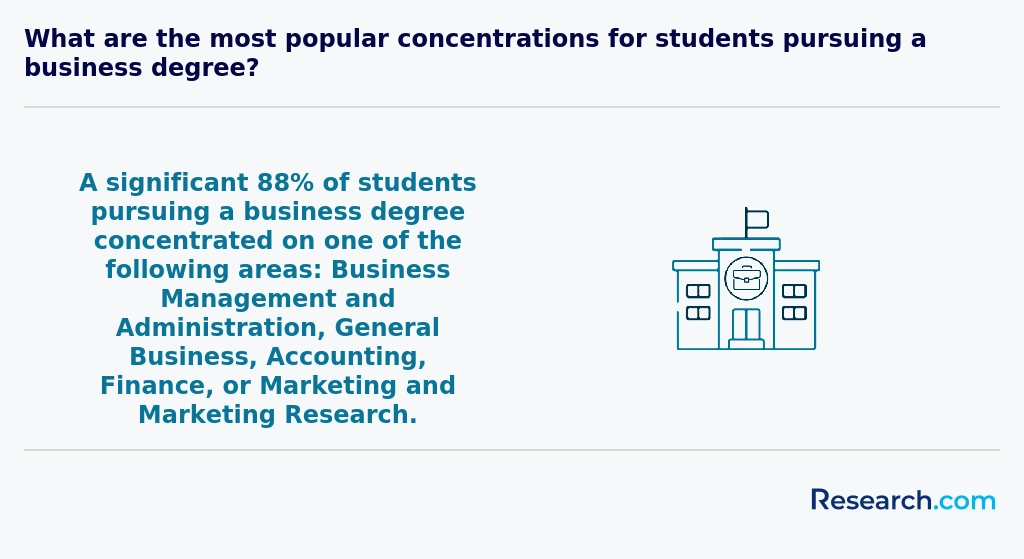
Choosing the right concentration within a business degree program in Utica depends on your career goals and local market demand. Popular concentrations include finance, marketing, management, and entrepreneurship. Utica's growing sectors, such as manufacturing and healthcare, often require skills in supply chain management and business analytics.
The New York State Department of Labor reports steady growth in business-related jobs in the Mohawk Valley region, which includes Utica, with finance and management roles increasing by 5% over five years. Consider concentrations aligned with these trends to improve job prospects.
Evaluate each concentration's curriculum and seek programs that offer internships or partnerships with local businesses for practical experience in Utica's economy.
Related Business Rankings for Nearby Cities
- 2027 Most Affordable Business Degree Programs Ranking in Syracuse
- 2027 Most Affordable Business Degree Programs Ranking in Saratoga Springs
- 2027 Most Affordable Business Degree Programs Ranking in Ithaca
- 2027 Most Affordable Business Degree Programs Ranking in Albany
- 2027 Most Affordable Business Degree Programs Ranking in Troy
- 2027 Most Affordable Business Degree Programs Ranking in Potsdam
- 2027 Most Affordable Business Degree Programs Ranking in Scranton
- 2027 Most Affordable Business Degree Programs Ranking in Rochester
- 2027 Most Affordable Business Degree Programs Ranking in Wilkes-Barre
- 2027 Most Affordable Business Degree Programs Ranking in Burlington
Top Trending Business Rankings
See What Experts Have To Say About Studying Business
Read our interview with Business experts


Ingrid S. Greene
Business Expert
Clinical Assistant Professor of Management
Loyola Marymount University

David W. Stewart
Business Expert
Emeritus President's Professor of Marketing
Loyola Marymount University

References
- Why Alumni Networks Matter in Business School: 7 Reasons https://europe.ceibs.edu/article/why-alumni-networks-matter-business-school
- Is a thesis always mandatory in a master's degree program? - EFMU: The Euler-Franeker Memorial University and Institute https://euler.euclid.int/is-a-thesis-always-mandatory-in-masters-degree-program/
- 55 Trending Business Ideas for 2025 and Beyond https://www.uschamber.com/co/start/business-ideas/top-trending-business-ideas
- Career Goals: 17 Inspirational Examples for you in 2026 https://www.imd.org/blog/learning-and-development/career-goals/
- How to Identify Profitable Business Niches: A Guide for ... https://www.invoiceonline.com/the-entrepreneur-s-handbook/entrepreneurship/business-strategy/how-to-identify-profitable-business-niches-97365
- Skills Employers Look for in Business Graduates – EU Business School https://www.euruni.edu/blog/skills-employers-look-for-in-business-graduates/
- Top 10 Skills Employers Seek in Business Graduates in 2026 https://www.ibat.ie/blogs/top-10-skills-employers-seek-in-business-graduates-in-2026
- Networking Tips for Business Students: Building a Foundation for Success https://londonsba.org.uk/blog/networking-tips-for-business-students-building-a-foundation-for-success/
- Networking Tips for Business Students and MBA Candidates - Cyprus West University https://www.cwu.edu.tr/networking-tips-for-business-students-and-mba-candidates/
- Enterprise project challenge https://barclayslifeskills.com/help-others/lessons/enterprise-project-challenge/