2027 Most Affordable Business Degree Programs Ranking in Tyler

Co-Founder and Chief Data Scientist
Choosing the right business degree program in Tyler can feel overwhelming. To make this easier, the Research.com team of data scientists created the 2027 Most Affordable Business Degree Programs Ranking in Tyler. This ranking helps students discover which programs offer the best value without sacrificing quality.
Exploring this article will guide you toward smart decisions for your education and future career. A business degree opens doors to exciting opportunities and growth. Let's help you find the program that fits your goals and budget perfectly.
Key benefits of getting business degree in Tyler
- Salary for business degree graduates: Graduates can expect promising earnings, such as a Business Development Executive making about $83,190 annually and a Business Analyst earning around $112,950 per year, offering strong financial motivation to pursue this path.
- Career paths in Tyler: A business degree opens doors to diverse roles like marketing, finance, and management, as demonstrated by graduates from Tyler Junior College who find rewarding careers in local companies and growing industries.
- Benefits of online business degrees: Online programs provide flexibility for those balancing work or family, allowing graduates from institutions like the University of Texas at Tyler to study efficiently while gaining practical skills to thrive in today's job market.
- Key benefits of getting business degree in Tyler
- What can I expect from business degree in Tyler?
- Where can I work with business degree in Tyler?
- How much can I make with business degree in Tyler?
- 2027 Most Affordable Business Degree Programs Ranking in Tyler
- Key Findings
- How long does it take to complete business degree in Tyler?
- What's the difference between online and on-campus business degree?
- Comparing Business Schools in Tyler, TX, for the Best Fit
- What is the average cost of business degree in Tyler?
- What financial aid is available to business degree students in Tyler?
- What are the prerequisites for enrolling in business degree program in Tyler?
- What courses are typically in business degree programs in Tyler?
- What types of specializations are available in business degree programs in Tyler?
- How do you choose the best business degree in Tyler?
- What career paths are available for business degree students in Tyler?
- What is the job market for business degree in Tyler?
- Top Trending Business Rankings
- See What Experts Have To Say About Studying Business
What can I expect from business degree in Tyler?
The average cost of pursuing a business degree in Tyler, Texas, typically ranges from $7,000 to $10,000 per year for in-state students attending public universities like the University of Texas at Tyler or Tyler Junior College. Graduates often recall how this affordability allowed them to focus more on building skills rather than worrying about overwhelming debt. One student shared how the reasonable tuition fees made it possible to balance part-time work with coursework, reducing financial stress while gaining valuable experience.
Considering the smaller, community-focused campuses, students benefit from personalized attention that complements the cost savings. Many found internship opportunities through local business partnerships, further enhancing the value of their education without incurring extra expenses.
Overall, the competitive tuition in Tyler makes it easier for aspiring business professionals to invest in their future, combining quality education with a sustainable financial commitment that encourages hands-on learning and career growth.
Where can I work with business degree in Tyler?
Graduates with a business degree in Tyler typically find rewarding roles in key local industries such as manufacturing, healthcare, retail, and financial services. Many from the University of Texas at Tyler have landed management positions at companies like Brookshire Grocery Company or Trane Technologies, handling supply chain and operations-fields that are steadily growing in Smith County.
Others pursuing a business degree at Tyler Junior College have successfully entered healthcare administration with major employers like CHRISTUS Trinity Mother Frances Health System. This sector is expanding rapidly, offering positions in finance and human resources that provide stability and career growth.
Retail leadership and financial analysis opportunities are abundant, too, especially with established firms such as Broadway Bank. Business graduates often share how hands-on projects during their studies helped them confidently step into roles involving marketing, sales, and loan management.
Entrepreneurship also flourishes in Tyler, with many startups welcoming business graduates experienced in consulting and business development. The vibrant local economy and support from regional development councils make Tyler a practical choice for launching or advancing your career locally.
How much can I make with business degree in Tyler?
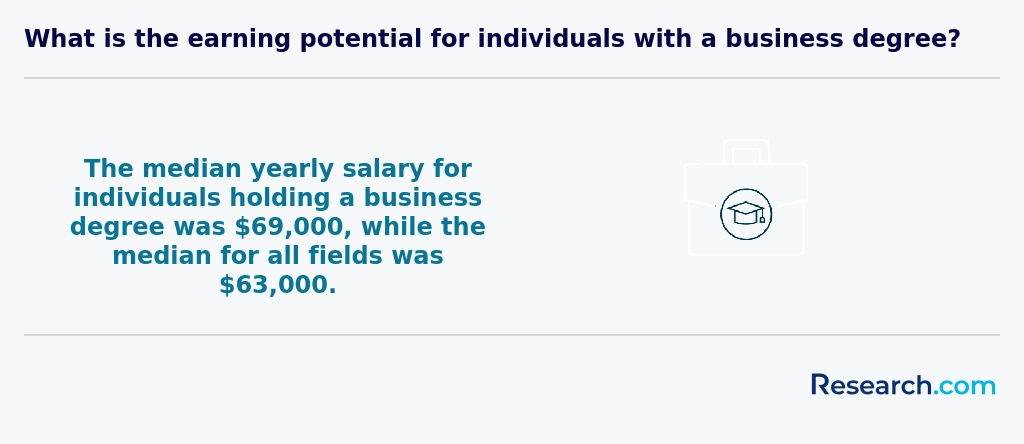
Graduates with a business degree in Tyler often find solid earning potential aligned with their chosen roles. For example, a business analyst from a local university reports an average annual wage of about $112,950, reflecting strong demand in data-driven and strategic roles. A business development executive in Tyler earns approximately $83,190 annually, offering a rewarding career path right after graduation.
Many students from Tyler colleges share that internships and networking within the city's growing healthcare, manufacturing, and professional services sectors open doors to these positions. Entry-level roles might start near $40,000 to $50,000, but with experience and additional certifications, salaries can increase significantly.
Graduates emphasize the value of leveraging Tyler's lower cost of living while targeting these high-paying roles, noting the balance between comfortable lifestyle and career growth. Investing time in gaining practical skills and certifications like an MBA or CPA can help secure top-tier positions, making the money earned from business degrees in Tyler both attractive and sustainable.
2027 Most Affordable Business Degree Programs Ranking in Tyler
How do we rank schools?
Investing in your education is a significant decision that can shape your future, and the Research.com team understands the importance of making informed choices. To assist prospective students in Tyler, we have meticulously crafted the "2027 Most Affordable Business Degree Programs Ranking in Tyler." Our commitment to quality, credibility, and accuracy is reflected in the extensive research and analysis conducted to compile this ranking.
We utilized the following reputable data sources to ensure a comprehensive evaluation of business degree programs:
By exploring this ranking, readers will gain valuable insights into the most affordable business degree programs available in Tyler, helping them make informed decisions about their educational investments. For more details on our methodology, please visit our Research.com methodology page.
# 1 position
Texas College
Bachelor of Business Administration


Key Findings
- The average total cost for a bachelor's degree in business in Tyler ranges from $20,000 to $35,000 for in-state students at public universities.
- Business programs cover management, marketing, finance, and accounting, often including internships or cooperative education with local businesses.
- Starting salaries for recent graduates are around $48,000 per year, with median salaries growing to $70,000-$85,000 depending on experience and field.
- The local job market supports roles in healthcare administration, manufacturing, retail, and financial services with consistent growth in business-related jobs.
- Tyler's lower cost of living and availability of part-time jobs make it affordable for students and recent graduates.
- Some institutions offer flexible scheduling with evening and online classes for working professionals pursuing business degrees.
How long does it take to complete business degree in Tyler?
Completing a business degree in Tyler typically takes about four years for full-time students, especially at popular institutions like the University of Texas at Tyler. Graduates often share that following the structured 120 to 130 credit hour curriculum feels manageable when balancing general education and core business courses.
For those juggling work or family, part-time study extends the degree timeline to five or six years. Many find satisfaction in this flexible pace, attending evening or weekend classes offered locally, which helps maintain steady progress without overwhelming their schedules.
Some ambitious students choose accelerated paths, finishing in as little as three years by taking heavier course loads or enrolling in summer sessions. This approach works well for motivated individuals wanting to jumpstart their careers quickly.
Graduate degrees like the MBA in Tyler usually take one to two years, with full-time programs spanning two years and part-time or online options allowing extra flexibility. Accelerated one-year MBAs also attract experienced professionals ready to advance swiftly.
What's the difference between online and on-campus business degree?
Choosing between online and on-campus business degrees in Tyler hinges on your lifestyle and learning preferences. Graduates from the University of Texas at Tyler often mention how on-campus programs provide hands-on networking at local business events and internships, valuable for building real-world connections. These face-to-face interactions helped them land jobs in Tyler's growing business community.
Online students from Tyler Junior College appreciate the flexibility that lets them balance work and family while studying. They highlight the convenience of logging into lectures anytime, which reduces commuting costs and fits their busy schedules. However, staying motivated without daily campus structure can be challenging, requiring strong self-discipline.
Cost-wise, both options can be affordable depending on scholarships and aid. Many on-campus students benefit from local financial support specific to Tyler, while online learners save on housing and travel.
Ultimately, those who thrive in collaborative environments may prefer on-campus classes, whereas independent learners often excel with online courses that fit their personal pace.
Comparing Business Schools in Tyler, TX, for the Best Fit
When evaluating the most affordable business schools in Tyler, TX, it's essential to consider several factors, including tuition costs, program accreditation, and graduate outcomes. Prospective students can find valuable information by researching the most affordable business schools in Texas, which can help them make informed decisions about their education. By comparing these factors across different institutions, students can identify the business school that best aligns with their career aspirations, budget, and personal preferences, ultimately leading to a successful and fulfilling career in business.
What is the average cost of business degree in Tyler?
The average cost of obtaining a business degree in Tyler is approximately $9,736 for in-state students, making it a reasonably affordable option compared to national figures. Many graduates from Tyler Junior College appreciate how the associate degree and credit transfer pathways help manage expenses effectively while staying local. For students enrolling directly in bachelor's programs, the University of Texas at Tyler stands out, with tuition costs aligning closely to this median in-state figure.
Graduates often share how budgeting for tuition alone isn't enough; they also plan for additional expenses such as books, supplies, and institutional fees, which can add up significantly over the course of a four-year degree. The total median cost commonly reported-including these extras-reaches around $41,824 for students who may live out of state or require additional financial resources.
Students looking for affordable business degree programs Tyler TX have found success utilizing financial aid, scholarships, and employer tuition assistance programs. It's practical to consult with the financial aid office early in your academic journey to maximize these opportunities.
For prospective students comparing options, Tyler's overall costs are competitive. Those aiming for budget-friendly choices often consider community colleges before transferring to universities to reduce expenses. More detailed comparisons of the most affordable business schools in Texas can help plan smart financing strategies tailored to individual needs.
What financial aid is available to business degree students in Tyler?
Business students in Tyler frequently rely on a mix of federal, state, and local aid to fund their education. Many begin by submitting the FAFSA to access Federal Pell Grants, which can cover up to $7,395 annually and don't require repayment. Others benefit from Federal Direct Loans or work-study programs that not only ease financial pressure but also provide valuable campus job experience. Graduates from the University of Texas at Tyler often mention how state-funded TEXAS Grants made a significant difference in lowering their tuition costs.
Scholarships tailored to business students are common, offered by the College of Business and Technology at UT Tyler and local professional groups. These awards frequently reward both academic merit and community engagement, helping students reduce reliance on loans. Some students also tap into private scholarships sponsored by Tyler's business community, which appreciate leadership and ambition in future business professionals.
Working students can explore employer tuition reimbursement programs, and many Tyler-area companies support continuing education, easing the financial burden while encouraging career growth. This practical combination of aid sources creates a hopeful and manageable pathway for many pursuing business degrees in Tyler.
What are the prerequisites for enrolling in business degree program in Tyler?
To enroll in a business degree program in Tyler, you'll need to meet clear academic benchmarks tailored to local universities and colleges. For undergraduate programs, having a solid high school GPA-typically between 2.5 and 3.0-is essential. Many applicants found focusing on math, English, and social studies helped them build a strong foundation, as these subjects are often weighted heavily during admissions. Some schools still require SAT or ACT scores; aiming for scores around the 40th to 60th percentile keeps your application competitive. Graduates from popular Tyler institutions often recall submitting detailed personal statements and securing recommendation letters that highlighted their passion for business, proving invaluable during evaluations.
For graduate programs like an MBA, holding a bachelor's degree and maintaining a GPA above 3.0 is usually mandatory. The GMAT or GRE might be required unless you have significant work experience-one to three years in business-related roles commonly strengthens your application. Many find that sharing real-world insights from internships or jobs during interviews enhances their chances. Being proactive in meeting these prerequisites sets you up for success and makes your transition into Tyler's dynamic business community much smoother.
What courses are typically in business degree programs in Tyler?
Business degree programs in Tyler typically include core courses such as accounting, economics, business law, and statistics, all designed to build a strong foundation. Graduates from Tyler's leading universities often describe how accounting classes taught them to interpret real financial statements, a skill they use daily in internships or entry-level jobs. Economics courses offer clear insights into market forces affecting Texas industries, while business law familiarizes students with contracts and regulations critical for local companies.
Specialized courses in management, marketing, and finance help students tailor their education towards specific career goals. For example, management courses cover leadership and strategic planning, which graduates found immediately applicable when collaborating on group projects or during internships with Tyler-area firms. Marketing classes focus on consumer behavior and digital trends, preparing students for hands-on roles in brand promotion.
Additional offerings such as entrepreneurship, supply chain management, and business ethics enrich the curriculum, equipping students for Tyler's growing sectors like healthcare and manufacturing. Practical elements like case studies and internships ensure learners leave confident in applying theory to real-world business challenges.
What types of specializations are available in business degree programs in Tyler?
Business degree specializations in Tyler focus on practical skills aligned with local industry needs. Graduates from popular Tyler colleges highlight fields like accounting, which prepares students to handle real-world financial reporting and taxation for the city's growing small businesses. Management programs emphasize leadership and organizational strategy, helping students confidently navigate jobs in expanding local firms. Marketing students often engage with digital campaigns tailored to Tyler's retail scene, gaining hands-on experience in consumer behavior. Finance specializations equip learners with tools for investment analysis vital to the city's evolving business landscape. Additionally, entrepreneurship courses foster innovation, encouraging students to launch startups that benefit from Tyler's supportive economy. Supply Chain Management is also key, addressing logistics challenges faced by regional manufacturing companies.
Choosing the right specialization impacts costs and opportunities, so Tyler affordable business degree programs shape offerings to reduce financial barriers. Many students also benefit from internships, combining classroom theory with real workplace scenarios. For those looking to advance quickly, a 1 year masters program option can accelerate career progression while building specialized expertise.
How do you choose the best business degree in Tyler?
Choosing the best affordable business degree Tyler programs means focusing on factors like curriculum, accreditation, and local opportunities. Graduates from the University of Texas at Tyler often highlight how specialized courses in finance and entrepreneurship gave them practical skills applicable in Tyler's healthcare and retail sectors. Meanwhile, Tyler Junior College offers cost-effective pathways for students balancing budgets and studies, with in-district tuition often under $4,000 annually.
Look closely at accreditation, such as ACBSP, which signals strong program quality. Students have found that attending accredited schools improves job prospects and lays a solid foundation for further education. Flexibility matters too-many Tyler colleges provide evening or online classes that fit around work or family commitments, helping students stay motivated.
Internships through Tyler's manufacturing and service industries offer graduates invaluable real-world experience. For those interested in enhancing skills quickly, checking out certificate programs online that pay well can complement your degree and boost employability.

What career paths are available for business degree students in Tyler?
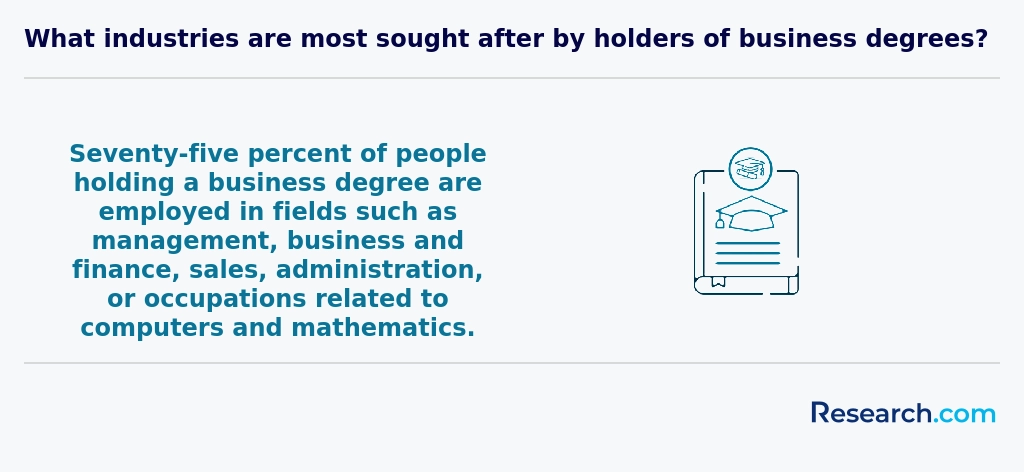
Graduates with a business degree in Tyler find diverse career paths aligned with local industry needs. Many step into business management roles within healthcare, manufacturing, or retail companies, where leadership skills are highly valued. For example, graduates from the University of Texas at Tyler often secure management positions that offer competitive salaries and growth opportunities.
Careers in financial analysis or accounting are common thanks to Tyler's expanding financial sector, supported by institutions like Southside Bank. Many business degree holders advance by combining their degree with certifications, allowing them to thrive in accounting or financial roles.
Marketing and sales careers remain strong options. Tyler-based graduates frequently join marketing teams to develop strategies for growing local brands, gaining valuable experience in digital marketing or sales management. Choosing a business degree with a marketing concentration enhances these prospects, particularly in a market as dynamic as Tyler's.
Others pursue human resources or entrepreneurship, leveraging Tyler's supportive environment for startups. Graduates from top Tyler colleges use their business knowledge to launch ventures or improve workforce development in the region. For those exploring options, the guide to highest-paying degrees can help clarify potential earnings.
These practical career options reflect the breadth of jobs with a business degree in Tyler Texas, making it a smart choice for motivated students ready to build rewarding careers locally.
What is the job market for business degree in Tyler?
The job market for business degree holders in Tyler is promising, with steady growth in areas like financial analysis, human resources, and project management. Graduates often find themselves working in diverse sectors such as healthcare, manufacturing, and professional services, reflecting the city's expanding economy. Employers in Tyler value candidates with practical experience and strong networks, so students attending popular colleges in the area benefit greatly from local internships and connections with regional companies.
Many business graduates describe their experience as rewarding because of Tyler's affordable cost of living combined with competitive salaries near $60,000 annually, allowing them to start their careers with less financial pressure. The Tyler business degree employment outlook is fueled by small business growth and entrepreneurial ventures, creating opportunities for those interested in sales, marketing, and operations roles.
For prospective students, investigating accredited colleges online with free application options can add flexibility and reduce initial expenses, making it easier to pursue a business degree while preparing for this thriving market.
Frequently Asked Questions About business
Business degree students in Tyler can maximize their learning experience by engaging actively with local economic opportunities. Tyler's economy, driven by healthcare, manufacturing, and retail, offers internships and part-time jobs connected to business studies. According to the Tyler Economic Development Council, over 400 companies provide potential professional experiences for students. Networking with local business leaders and attending regional business events can enhance practical knowledge.
Additionally, students should utilize resources offered by Tyler's community colleges and universities, such as career services and business clubs. Participating in case competitions and seeking mentorships also helps develop real-world skills.
The business field is evolving rapidly, with emerging niches reflecting new market demands and technologies. In Tyler, Texas, areas such as sustainability management and digital marketing analytics are gaining traction. According to the Tyler Economic Development Council, local firms increasingly seek professionals skilled in green business strategies and data-driven decision-making.
Another niche showing growth is healthcare management, fueled by Tyler's expanding medical sector. The U.S. Bureau of Labor Statistics projects healthcare business jobs to grow by 32% through 2030. Additionally, entrepreneurial ventures in e-commerce and cybersecurity are notable, with Tyler-based startups contributing to job creation and innovation.
Students pursuing business degrees in Tyler can benefit from focusing on these dynamic areas, aligning education with regional economic trends and career opportunities.
After completing a business degree in Tyler, preparing for the job market involves strategic steps to enhance employability. Begin by leveraging internships and cooperative education opportunities offered by local colleges such as the University of Texas at Tyler. These experiences help develop practical skills and professional networks.
Tyler's economy emphasizes healthcare, manufacturing, and retail sectors, so tailoring your skills to these industries can improve job prospects. According to the Tyler Economic Development Council, local employers increasingly value expertise in data analysis and digital marketing.
Additionally, consider joining professional organizations like the Tyler Chamber of Commerce, which offers networking events and career resources for business graduates.
Building a strong LinkedIn profile and practicing interview skills are also essential for success in the competitive job market.
Employers in Tyler consistently seek business graduates who demonstrate strong analytical and communication skills. According to the Tyler Economic Development Council, over 60% of local businesses emphasize proficiency in data analysis and financial literacy as key attributes. Additionally, teamwork and leadership abilities are highly valued, reflecting the collaborative nature of many Tyler-based industries, including manufacturing and healthcare.
Problem-solving skills also rank highly, with employers expecting graduates to effectively address real-world challenges. Familiarity with digital tools, such as Microsoft Excel and business intelligence software, further enhances a candidate's appeal. Overall, graduates who blend technical expertise with interpersonal skills find the best opportunities in Tyler's evolving business landscape.
Finding internships in Tyler relevant to a business degree involves leveraging local resources and university connections. Many businesses in Tyler, including those in finance, healthcare, and retail sectors, offer internships that provide practical experience tailored to business students. According to the Tyler Chamber of Commerce, small and mid-sized companies are active recruiters of interns, especially during the summer.
Students should utilize career services at institutions such as the University of Texas at Tyler, which maintains partnerships with local employers. Online job platforms specific to the region also list internships. Networking through local business events and professional associations like the Tyler Area Business Alliance can open additional opportunities.
Internships in Tyler typically pay between $12 and $18 per hour, reflecting the regional market. Securing these positions early by applying in the fall or spring increases chances of placement, as demand is high due to Tyler's competitive job market.
Obtaining a business degree in Tyler can significantly enhance career mobility and advancement opportunities. According to the U.S. Bureau of Labor Statistics, business-related occupations in Texas are expected to grow by 8% from 2022 to 2032, reflecting strong local demand.
Tyler's diverse economy, which includes healthcare, education, and manufacturing sectors, values candidates with formal business education for managerial and leadership roles. Employers often prefer graduates who bring skills in finance, marketing, and operations management.
Furthermore, earning a business degree from a Tyler-based institution offers networking advantages within the community, which can facilitate promotions and lateral moves.
Data from the Texas Workforce Commission reveals that business degree holders in the Tyler metro area earn salaries approximately 15% higher than those without degrees, underscoring its impact on career growth.
Studying for a business degree in Tyler equips students with a broad skill set that supports interdisciplinary roles. Local institutions emphasize combining core business principles with subjects like information technology, communications, and data analytics. This approach reflects job market demands, as nearly 30% of Tyler's business sector roles require cross-functional expertise, according to the Tyler Economic Development Council (2023).
Students engage in projects that foster collaboration across departments, preparing them to navigate diverse workplace challenges. Additionally, partnerships between Tyler's business schools and regional industries provide practical experience, enhancing adaptability in roles that span marketing, finance, and technology fields.
Choosing between a thesis and a non-thesis business degree program in Tyler depends largely on your career goals and learning preferences. A thesis option involves conducting original research and writing a detailed paper, which is ideal if you plan to pursue a PhD or a research-focused role. In contrast, a non-thesis program usually requires additional coursework or a capstone project, catering more to professionals seeking practical skills for immediate application in the Tyler job market.
According to the U.S. Bureau of Labor Statistics, Tyler's business sector is growing steadily, emphasizing applied skills. Thus, many local employers value non-thesis graduates for their readiness to tackle real-world challenges.
Students based in Tyler who want to study business abroad have several paths available through local universities and partnerships. The University of Texas at Tyler, a major institution in the area, offers study abroad programs that allow business students to earn credits while gaining international experience. These programs commonly partner with universities in Europe, Asia, and Latin America, providing opportunities to explore global business practices firsthand.
Many students also use exchange programs facilitated by statewide initiatives, such as those supported by the Texas A&M University System, which offer access to international business curricula. Additionally, online blended courses with international components are becoming more popular among Tyler students seeking flexible options.
According to the Institute of International Education, Texas ranks among the top states for study abroad participation, reflecting growing interest from areas including Tyler. These offerings help students build a global perspective critical in today's business environment.
Students pursuing business degrees in Tyler have multiple part-time job options that align well with their academic goals. Positions such as retail management assistant, administrative coordinator, and sales associate are common and provide hands-on experience with customer relations and organizational skills.
Tyler's economy, driven by healthcare, manufacturing, and retail sectors, offers students opportunities to understand local business operations. According to the Tyler Economic Development Council, retail trade employs over 10% of the city's workforce, making it a viable sector for practical learning.
Internships in local banks or marketing firms also offer valuable exposure to financial services and digital marketing, which are crucial areas in business education.
Business students in Tyler have access to several strong networking opportunities that can support their academic and career growth. Many institutions, such as the University of Texas at Tyler, host regular events where students connect with local business leaders, entrepreneurs, and alumni. These events include career fairs, guest lectures, and workshops focused on real-world business skills.
Tyler's Chamber of Commerce also plays an important role by offering internships and mentorship programs, connecting students directly with small and medium-sized enterprises. According to data from the Tyler Economic Development Council, local businesses often seek partnerships with universities to encourage student involvement and professional networking.
Participation in student organizations like business clubs and honor societies further enhances networking by fostering peer collaboration and leadership skills. These groups frequently organize networking nights, enhancing opportunities for students to build professional relationships early in their careers.
Alumni networks offer valuable support to business degree students in Tyler by providing access to experienced professionals and local industry connections. These networks often facilitate mentorship opportunities, internships, and job placements, which are crucial for career development in a competitive market.
In Tyler's growing economic landscape, engaging with alumni can help students navigate regional business trends and gain insights specific to East Texas. According to the Tyler Economic Development Council, businesses here value practical experience, which alumni can help students acquire through referrals and networking events.
Additionally, alumni networks often organize workshops and seminars that enhance students' skills beyond classroom learning.
Customizing a business degree program in Tyler allows students to tailor their education to specific career goals. Many local institutions, such as the University of Texas at Tyler, offer various concentrations like finance, marketing, or management. Choosing relevant electives helps students gain specialized knowledge linked to in-demand regional industries.
Students can also pursue internships with Tyler's growing sectors, including healthcare and manufacturing, providing practical experience. Advisors often guide students in selecting courses aligned with market trends and professional certifications.
Additionally, programs may offer flexible scheduling options, including evening and online classes, accommodating working professionals aiming to advance their careers.
Business students in Tyler often face challenges related to balancing coursework with part-time jobs or internships. Tyler's cost of living is relatively moderate compared to major cities, but tuition and fees remain a financial concern for many students, as noted by the Texas Higher Education Coordinating Board 2023 report. Another common difficulty is access to specialized business mentors and networking opportunities, which can be more limited outside major metropolitan areas.
Academic rigor also poses challenges; students must master diverse subjects such as accounting, marketing, and management. According to the U.S. Bureau of Labor Statistics, staying updated with rapidly changing market trends requires continuous effort beyond the classroom, affecting study-work-life balance. Language barriers and adjusting to college-level business terminology may also impact some local and non-traditional students in Tyler.
With a business degree in Tyler, graduates can pursue several professional certifications that enhance career prospects and credibility. Popular options include the Certified Public Accountant (CPA) for those interested in accounting, requiring passing a rigorous exam and meeting state experience requirements.
Another widely recognized certification is the Project Management Professional (PMP), which validates skills in managing projects and is valued across many industries.
The Certified Financial Planner (CFP) is ideal for business graduates aiming for careers in financial advising. Additionally, certifications like the Certified Management Accountant (CMA) focus on financial management and strategic business practices.
These credentials are recognized nationally and can be pursued through organizations such as the AICPA and PMI. According to the Texas Workforce Commission, demand for certified professionals in Tyler's business sector has grown steadily, reflecting local employers' preferences.
To write a winning application for a business program in Tyler, start by thoroughly researching local institutions such as the University of Texas at Tyler. Highlight how your background aligns with the specific business curriculum offered. Strong academic records, particularly in math and economics, are essential as they demonstrate readiness for core coursework.
Craft a clear personal statement that explains your career goals and why studying business in Tyler fits your aspirations. Be sure to include any relevant work experience or internships in the East Texas business community to strengthen your profile.
Additionally, secure strong letters of recommendation from educators or employers who know your skills well. Lastly, meet all deadlines and provide accurate documentation to avoid common application errors, increasing your chances of acceptance.
Business careers today require a global mindset as companies increasingly operate across borders. For students in Tyler, understanding international markets is essential. The U.S. Bureau of Labor Statistics notes that global trade supports millions of American business jobs, highlighting the need for skills in cross-cultural communication and global finance.
Tyler's growing economy, driven by sectors like manufacturing and healthcare, benefits from international partnerships, making global business knowledge valuable. Educational programs often include studies in global economics, international marketing, and foreign languages to prepare students for this reality.
Graduates with a global perspective can access diverse career opportunities, from multinational corporations to local firms engaging globally.
Gaining practical experience while studying for a business degree in Tyler is crucial for career readiness. Many local universities and colleges encourage internships with the city's diverse businesses, including sectors like healthcare, manufacturing, and finance. According to the U.S. Bureau of Labor Statistics, internships can boost employment prospects by over 60% within six months of graduation.
Students can also participate in cooperative education programs, combining classroom study with paid work experience. Business clubs and mentorship programs in Tyler often connect students with local entrepreneurs and industry leaders, offering hands-on projects and networking opportunities.
Choosing the right concentration within a business degree program in Tyler requires careful consideration of your career goals and the local job market. Tyler's economy is diverse, with strong sectors in healthcare, manufacturing, and retail trade, which affect demand for specific business skills according to the Tyler Economic Development Council.
Research popular concentrations such as finance, marketing, management, or entrepreneurship to see which align with your interests and strengths. Visit program websites for course offerings and internship opportunities, as practical experience is crucial.
Additionally, consider concentrations that match Tyler's growing industries. For example, supply chain management is increasingly relevant given Tyler's expanding manufacturing base.
Speak with academic advisors and local professionals for guidance tailored to your ambitions.
Related Business Rankings for Nearby Cities
- 2027 Most Affordable Business Degree Programs Ranking in Dallas
- 2027 Most Affordable Business Degree Programs Ranking in Denton
- 2027 Most Affordable Business Degree Programs Ranking in Little Rock
- 2027 Most Affordable Business Degree Programs Ranking in Conway
- 2027 Most Affordable Business Degree Programs Ranking in New Orleans
- 2027 Most Affordable Business Degree Programs Ranking in Wichita
- 2027 Most Affordable Business Degree Programs Ranking in Lubbock
- 2027 Most Affordable Business Degree Programs Ranking in Mobile
- 2027 Most Affordable Business Degree Programs Ranking in Kansas City
- 2027 Most Affordable Business Degree Programs Ranking in Birmingham
Top Trending Business Rankings
See What Experts Have To Say About Studying Business
Read our interview with Business experts

David W. Stewart
Business Expert
Emeritus President's Professor of Marketing
Loyola Marymount University


David Souder
Business Expert
Senior Associate Dean for Faculty and Research
Michigan State University

References
- 8 Best Places to Study Abroad for Business [+ How to Choose] https://www.semesteratsea.org/study-abroad-for-business/
- Professional Business Certifications to Boost Your Career in 2025 https://www.business.com/articles/best-business-certifications/
- Business Administration https://www.texascollege.edu/business-administration
- A guide to finding an internship https://www.ipag.edu/en/blog/guide-finding-internship
- How Long Does It Take to Get Your Business Degree? https://www.umassglobal.edu/blog-news/long-does-take-get-your-business-degree
- Online and Traditional Business Degrees Comparison | Free Essay Example https://studycorgi.com/online-and-traditional-business-degrees-comparison/
- A 2016 Global Perspective on Business and Career Planning https://careerproinc.com/blogging/a-2016-global-perspective-on-business-and-career
- 2024 Best Business Schools | How Alumni Rate Their Undergraduate Business Degrees https://poetsandquantsforundergrads.com/news/best-business-schools-alumni-rate-undergraduate-business-degrees/5/
- Business Management - Tyler Junior College https://tjc.edu/programs/business-management/
- Know more about thesis vs non- thesis: what is the difference? https://studyfans.com/en/blogs/816