2027 Most Affordable Business Degree Programs Ranking in Cincinnati

Co-Founder and Chief Data Scientist
Choosing the right business degree program in Cincinnati can feel overwhelming. Our 2027 Most Affordable Business Degree Programs Ranking in Cincinnati, created by the Research.com team of data scientists, guides you through the top options based on cost and quality.
This article helps you make smart, informed decisions about your education, allowing you to focus on programs that offer real value. Earning a business degree opens doors to exciting career opportunities and personal growth. Take the first step toward a brighter future by exploring affordable, reputable programs near you.
Key benefits of getting business degree in Cincinnati
- Business degree graduates in Cincinnati can earn competitive salaries, such as Business Development Executives making around $83,190 annually and Business Analysts earning about $112,950 per year, reflecting strong financial prospects.
- Graduates from popular Cincinnati colleges explore diverse career paths in roles like Business Development and Analysis, benefiting from strong local business networks and opportunities for growth.
- Obtaining a business degree online offers flexibility and convenience, empowering students from Cincinnati to balance work and study while gaining valuable skills recognized by employers.
- Key benefits of getting business degree in Cincinnati
- What can I expect from business degree in Cincinnati?
- Where can I work with business degree in Cincinnati?
- How much can I make with business degree in Cincinnati?
- 2027 Most Affordable Business Degree Programs Ranking in Cincinnati
- Key Findings
- How long does it take to complete business degree in Cincinnati?
- Return on Investment of a Business Degree in Cincinnati, OH
- What's the difference between online and on-campus business degree?
- Why Choose a Business Degree in Cincinnati, OH?
- What is the average cost of business degree in Cincinnati?
- What financial aid is available to business degree students in Cincinnati?
- Future Trends and Opportunities in Business Education
- What are the prerequisites for enrolling in business degree program in Cincinnati?
- Graduation and Employment Outcomes
- What courses are typically in business degree programs in Cincinnati?
- What types of specializations are available in business degree programs in Cincinnati?
- How do you choose the best business degree in Cincinnati?
- What career paths are available for business degree students in Cincinnati?
- What is the job market for business degree in Cincinnati?
- Top Trending Business Rankings
- See What Experts Have To Say About Studying Business
What can I expect from business degree in Cincinnati?
The average cost of a business degree in Cincinnati varies, but public institutions like the University of Cincinnati typically offer lower tuition rates compared to private colleges such as Xavier University. Graduates often share how affordable tuition allowed them to focus more on gaining practical experience rather than worrying about finances.
Many students secure scholarships or financial aid specifically designed for business majors, which can significantly reduce expenses. Combining these financial supports with cooperative education programs at the University of Cincinnati, students gain valuable real-world experience while offsetting costs through paid internships.
Graduates often highlight that investing in Cincinnati's business programs feels worthwhile given access to internships with major local companies like Procter & Gamble and Kroger. This real-world exposure not only enhances learning but also improves job prospects, making the overall cost more manageable and the return on investment rewarding.
Where can I work with business degree in Cincinnati?
Graduates with a business degree from Cincinnati institutions like the University of Cincinnati or Xavier University find diverse job opportunities across thriving sectors. Many land roles in finance or marketing at Fortune 500 companies headquartered locally, such as Procter & Gamble or Fifth Third Bank. This direct connection between campus and corporate allows recent graduates to gain practical experience quickly and build strong professional networks.
Others secure positions in healthcare administration at major employers like Cincinnati Children's Hospital, where business skills improve operational workflows and patient services. Manufacturing firms such as GE Aviation hire business graduates for supply chain and logistics roles, blending hands-on problem solving with industry knowledge.
Startups supported by local incubators like CincyTech attract entrepreneurial graduates who thrive in dynamic, fast-paced environments requiring innovative thinking and business development expertise. Public sector roles in city government or economic development provide rewarding careers focused on budgeting and community growth.
By engaging with Cincinnati's robust economy and leveraging university career resources, graduates confidently step into roles tailored to their skills and interests for a fulfilling professional journey.
How much can I make with business degree in Cincinnati?
Graduates with a business degree from Cincinnati-area schools often find themselves starting salaries around $50,000 to $60,000, especially in entry-level roles like financial analyst or marketing assistant. For example, a recent graduate from the University of Cincinnati shared how their first job as a business development executive paid a mean annual wage near $83,190, which is competitive locally and grows with experience.
Mid-career professionals in Cincinnati can expect stronger earnings, particularly in roles backed by reliable data. Business analysts from local colleges earn an average of $112,950 per year, reflecting solid demand for analytical skills in regional industries like finance and healthcare.
These figures come with the advantage of Cincinnati's lower cost of living, enhancing purchasing power compared to larger metropolitan areas. Graduates from Xavier University and other institutions find these salaries support a high quality of life while pursuing certifications like CPA or PMP that boost their income potential further.
Choosing to specialize in business analytics or business development not only taps into well-defined salary ranges but also aligns with Cincinnati's thriving corporate environment, ensuring practical and rewarding career paths.
2027 Most Affordable Business Degree Programs Ranking in Cincinnati
How do we rank schools?
Investing in your education is a significant decision that can greatly impact your career and future opportunities. The Research.com team recognizes the importance of making well-informed choices, which is why we have carefully developed the "2027 Most Affordable Business Degree Programs Ranking in Cincinnati." Our dedication to quality, credibility, and accuracy is demonstrated through thorough research and data analysis behind this ranking.
We utilized the following reputable data sources to ensure a comprehensive evaluation of business degree programs:
By reviewing this ranking, readers will gain valuable insights into the most affordable and high-quality business degree options in Cincinnati, aiding them in making informed educational choices. For more information on how this ranking was created, please visit our Research.com methodology page.


Key Findings
- Tuition for in-state undergraduate business programs in Cincinnati's public universities ranges from $10,000 to $15,000 per year.
- Private colleges in Cincinnati may charge $25,000 or more annually for business degrees.
- The total cost to complete a bachelor's degree in business ranges from $40,000 to $60,000 at public schools, and can exceed $100,000 at private institutions.
- The median starting salary for business graduates in Cincinnati is about $50,000 annually.
- Experienced business professionals in Cincinnati earn between $80,000 and $90,000 after 5 to 10 years in the field.
- Key industries hiring business graduates include banking, finance, sales, logistics, and corporate management, supported by major companies like Procter & Gamble and Kroger.
How long does it take to complete business degree in Cincinnati?
Completing a business degree in Cincinnati typically takes around four years for full-time students at well-known institutions like the University of Cincinnati or Xavier University. Many graduates recall the steady pace helped them stay engaged without feeling overwhelmed. For students eager to finish sooner, accelerated bachelor's programs available locally can shrink this timeline to about three years, often by including summer sessions or heavier course loads.
Part-time study is a practical choice for those balancing work or family, with many Cincinnati business students taking five to six years to graduate. These flexible schedules allow you to gain valuable experience while studying, a confidence booster for many working adults aiming for career advancement.
Graduate programs such as the MBA usually last one to two years full-time, but part-time or online formats stretch this to three years or more, letting students from Cincinnati's vibrant professional community earn their degree without sacrificing income.
- A traditional bachelor's degree takes approximately four years of full-time study.
- Accelerated bachelor's options in Cincinnati can shorten the timeline to three years.
- Part-time studies often extend the duration to five years or longer.
- MBA programs typically span one to two years full-time, with extended durations for part-time students.
Return on Investment of a Business Degree in Cincinnati, OH
Evaluating the true value of a business degree goes beyond sticker price: it’s about how quickly you recoup your investment through stronger earnings and career growth. In Cincinnati, OH, the average total cost of an in-state bachelor’s in business hovers around $38,496 for four years, while online programs average $51,091. Compare this to median starting salaries of $65,000–$70,000, and you’ll find a typical payback period of under three years. Key ROI metrics: • Average Cost: $38,496 (in-state) to $51,091 (online) • Median Starting Salary: $65,000–$70,000 • Estimated Payback Period: 2.5–3.5 years • Long-Term Earnings Growth: 80%–130% increase over 12 years post-graduation Factors that boost your ROI:
- Scholarships & Grants: Leveraging federal (Pell Grant), state (Ohio College Opportunity Grant), and institutional scholarships can cut overall cost by up to 30%.
- Work-Study & Internships: Hands-on roles at local firms not only offset expenses but often convert into full-time offers.
- Specialization Choice: High-demand tracks-like finance, healthcare management, or operations-tend to yield faster salary growth.
- Advanced Degrees: For students aiming to climb the corporate ladder, a top paying master's degree in business can accelerate both salary potential and leadership opportunities. Maximize your ROI by carefully comparing program costs, exploring every financial aid avenue, and selecting internships that align with your career ambitions. With a strategic approach, a business degree in Cincinnati can pay for itself-and then some-while you build the skills and network to dream big.
What's the difference between online and on-campus business degree?
Choosing between online and on-campus business degrees in Cincinnati depends on your lifestyle and learning preferences. Graduates from the University of Cincinnati's on-campus program often praise the direct access to professors and hands-on study groups, which foster strong relationships and real-time feedback. The energy of being on campus also creates motivation through scheduled classes and group projects.
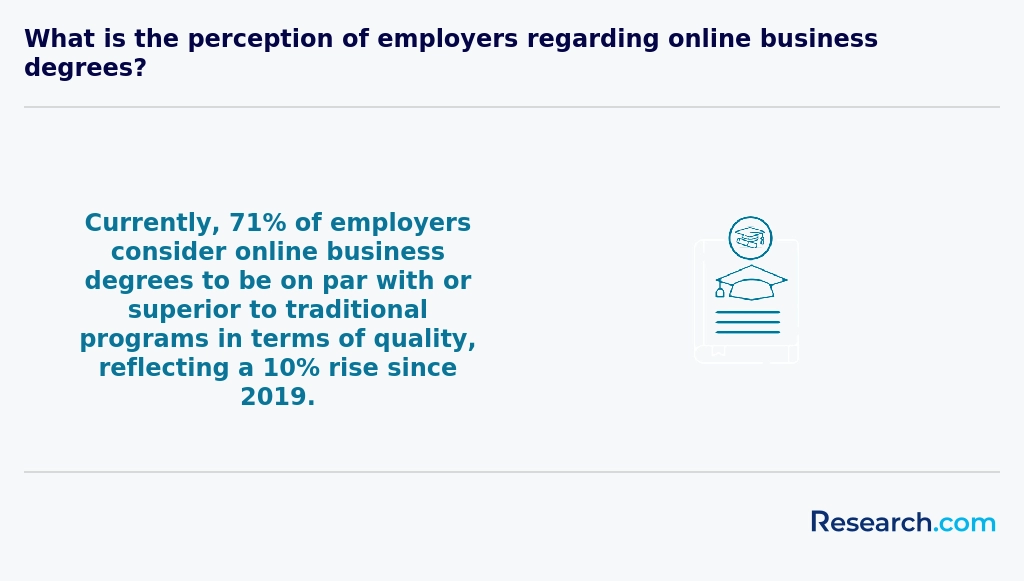
On the other hand, online students appreciate the flexibility to balance work and family while earning their degree. Many Cincinnati-area universities offering online business programs provide video lectures and interactive virtual meetings, helping students stay connected without commuting. Graduates highlight how this format allowed them to maintain a job and complete coursework on their own time, essential for busy professionals.
Tuition costs at Cincinnati public institutions typically run $9,000 to $12,000 for on-campus students, while online options may be slightly cheaper due to lower fees. However, succeeding online requires strong self-discipline and time management. Weigh these factors carefully to choose the format that best suits your goals and daily routine.
Why Choose a Business Degree in Cincinnati, OH?
When considering a business degree, one of the most significant factors is affordability, as it directly impacts the return on investment for the student. For those seeking affordable options, Cincinnati, OH, stands out as a hub for quality yet affordable business education. Students can explore various cheapest business programs in ohio, which offer a balance between cost and academic excellence. The benefits of pursuing a business degree in Cincinnati are multifaceted, including access to a vibrant job market with competitive salaries, opportunities for networking, and the chance to gain practical experience through internships and projects. Furthermore, the city's diverse economy provides a rich landscape for specializations, ranging from finance and marketing to healthcare management and entrepreneurship. By choosing Cincinnati for their business education, students position themselves for success in a dynamic and growing business environment, equipped with the knowledge, skills, and connections necessary to thrive in their chosen career paths.
What is the average cost of business degree in Cincinnati?
The average cost of earning a business degree in Cincinnati typically falls around $38,150 for in-state students and about $54,650 for out-of-state students. Graduates from well-known institutions like the University of Cincinnati and Xavier University often reflect on managing these expenses through a combination of scholarships, part-time work, and strategic financial planning. Many find that the investment is worthwhile thanks to the strong business networks and career opportunities these schools provide.
Business students in Cincinnati often encounter a range of tuition costs depending on whether they attend public or private colleges. Public universities generally offer more affordable tuition rates for residents, contributing to a more manageable total cost of attendance. Living expenses in Cincinnati remain notably moderate, helping students balance budgets without sacrificing quality of life. This practical financial environment eases concerns for many aiming for an affordable business degree programs Cincinnati offers.
Textbooks, fees, and living costs can add roughly $13,000 annually to the overall expenses, but many students share that careful budgeting and accessing financial aid help bridge these gaps. Exploring options like merit-based scholarships is a common approach. For prospective students seeking detailed cost comparisons and strategies, consulting resources on the cheapest business programs in ohio can provide valuable guidance to plan effectively for both tuition and living costs.

What financial aid is available to business degree students in Cincinnati?
Students pursuing a business degree in Cincinnati can access various forms of financial aid that significantly ease tuition costs. Federal Pell Grants and subsidized loans are widely used, with many graduates emphasizing how completing the FAFSA early opened doors to crucial funding. For example, students at the University of Cincinnati's Carl H. Lindner College of Business often rely on merit and need-based scholarships tailored specifically for business majors, helping to reduce their financial burden.
State aid options also play a key role. Ohio's College Advantage 529 Plans and state grants offer valuable support to in-state students, making it easier to invest in education without overwhelming debt. Cincinnati business students often take advantage of work-study programs, securing part-time roles that not only fund their education but build professional experience locally-something many graduates praise for helping them network and grow.
Consulting the financial aid office at schools like Xavier University or the University of Cincinnati proves essential. These offices provide personalized guidance on scholarships, emergency grants, and payment plans that make earning a business degree in Cincinnati more affordable and attainable.
Future Trends and Opportunities in Business Education
As the business landscape evolves, understanding emerging trends is key to making well-informed educational and career decisions. Today’s digital revolution is reshaping industries and creating a demand for professionals who are adaptable, tech-savvy, and forward-thinking. Prospective students should consider how advancements in technology, data analytics, and digital marketing are not only altering traditional business practices but are also paving the way for innovative career paths. In the coming years, demand for skills in areas like artificial intelligence, cybersecurity, and online collaboration will grow, making it essential for academic programs to integrate these topics into their curriculum. For instance, many top institutions are now offering courses that blend traditional business principles with digital strategy, ensuring graduates are prepared for the dynamic modern workplace. This forward-thinking approach is particularly evident in programs like the Business Management Degree, where students gain insights into both foundational business concepts and emerging digital trends. Furthermore, the rise of remote work and globalization means that networking and cross-cultural communication skills remain invaluable. Institutions are increasingly emphasizing experiential learning opportunities such as virtual internships, real-time case studies, and collaborative international projects, which help students adapt to a global market. As you explore your options, consider programs that not only meet today’s academic standards but also prepare you for tomorrow’s challenges, ensuring lasting career success and resilience in an ever-changing economy.
What are the prerequisites for enrolling in business degree program in Cincinnati?
To enroll in a business degree program in Cincinnati, applicants must first hold a high school diploma or GED, a foundation that local universities like the University of Cincinnati expect to build upon. Many graduates recall how maintaining a GPA near 3.0 smoothed their admission process, reflecting common standards across Cincinnati institutions.
Submission of SAT or ACT scores is often part of the application, although some programs now offer test-optional policies, easing pressure for those who excel outside standardized exams. For example, post-pandemic changes at the University of Cincinnati have made admissions more flexible, helping many students gain acceptance without perfect test results.
Official transcripts demonstrating strong coursework in math, English, and social studies are crucial. Graduates frequently share how showcasing skills in these subjects helped them understand business concepts more deeply once enrolled.
For MBA candidates, practical work experience-typically two to five years-is highly valued, alongside an accredited bachelor's degree and GMAT or GRE scores, though some programs waive these based on experience.
Graduation and Employment Outcomes
Graduation rates and post-degree employment are critical indicators of program quality and return on investment. In Cincinnati, the University of Cincinnati posts a six-year graduation rate of 68%, Xavier University achieves 62%, and Northern Kentucky University reports 55%. These figures underscore the importance of selecting a program that not only fits your budget but also supports you through to completion. Within six months of graduation, 85% of business alumni from Cincinnati’s public universities secure full-time positions in their field, with top roles including project managers, business analysts, and financial specialists. Workforce surveys indicate that graduates employed locally report an average starting salary of $65,000, rising to $80,000 within three years as they leverage networking events and alumni mentorship programs. Time-to-payback analysis shows that students at University of Cincinnati recoup tuition costs in approximately 3.5 years, while Xavier University graduates see payback in under four years thanks to merit scholarships and cooperative education earnings. For those seeking flexibility and value, online pathways can offer comparable outcomes: consider exploring Affordable Online Business Degree Programs to compare employment rates, graduation statistics, and total cost of attendance. By evaluating both financial metrics and career results, prospective students can make data-driven decisions that align with their long-term goals and ensure a strong return on their educational investment.
What courses are typically in business degree programs in Cincinnati?
Business degree programs in Cincinnati typically include courses that build a strong foundation in management, finance, marketing, and accounting. Graduates from popular local institutions often share that classes like Principles of Management helped them develop leadership skills by working on real-world case studies and group projects, mirroring challenges faced by Cincinnati's Fortune 500 companies such as Procter & Gamble.
Financial and Managerial Accounting courses teach students how to interpret financial statements to make smart business decisions, a critical skill highlighted by alumni who landed internships with Cincinnati-based firms. Marketing Fundamentals classes go beyond theory, offering hands-on projects in market research and consumer analysis, which students find rewarding as they create actual campaigns for local businesses.
Other essential courses like Business Law, Economics, and Business Ethics prepare students to navigate legal frameworks, economic policies, and ethical dilemmas. Operations Management courses often include simulations of supply chain processes, helping students feel ready to manage production in fast-paced environments. Many programs also offer electives in entrepreneurship and data analysis to equip students with adaptable, future-focused skills.
What types of specializations are available in business degree programs in Cincinnati?
Business degree specializations in Cincinnati offer practical focus areas tailored to the city's robust industries. Common options include finance, marketing, management, accounting, and entrepreneurship, each catering to Cincinnati's unique job market. Graduates from local universities often share how concentration in finance prepares them for roles in the city's banking and insurance sectors, while marketing specializations connect students to opportunities within Cincinnati's vibrant startup scene.
Students pursuing affordable business programs Cincinnati specializations can find options in management that emphasize leadership with real-world internships at companies like Procter & Gamble. Accounting tracks remain steady with demand from small business owners and financial institutions throughout the region. Those interested in innovation appreciate entrepreneurship courses that focus on launching new ventures backed by local support systems.
For those aiming for a customized business path, programs frequently include specializations in supply chain management and business analytics, aligning with Cincinnati's manufacturing and logistics strengths. Exploring programs such as the Business Management Degree at popular colleges will help you hone skills directly relevant to Cincinnati's economy and career opportunities.
How do you choose the best business degree in Cincinnati?
When choosing the best business degree in Cincinnati, start by researching accreditation, especially AACSB status, to ensure quality education. Graduates from the University of Cincinnati often highlight how its strong faculty expertise and real-world internship connections with local companies boosted their confidence entering the job market. Consider the total cost-not just tuition but also fees and living expenses-since affordable business degree programs Cincinnati offer a range of options from public to private institutions. For example, students at Xavier University find value despite higher tuition due to specialized courses and strong alumni networks.
Select a degree aligned with Cincinnati's economic strengths like supply chain management or finance, enhancing your job prospects locally. Flexibility is key too; many graduates appreciate evening and online classes that fit around work or family life. To gauge potential outcomes, review graduate employment rates and salary data. If you want to learn which fields lead to the top paying master's degree in business, incorporate that into your decision for a future-proof career.
What career paths are available for business degree students in Cincinnati?
Graduates with a business degree in Cincinnati often find diverse career paths tailored to the city's economic strengths. Many secure management roles in companies headquartered locally, benefiting from Cincinnati's status as home to major corporations like Procter & Gamble. These graduates often describe an exciting pace managing projects or teams, gaining firsthand leadership experience early in their careers.
Jobs with business degree Cincinnati also include positions in finance and accounting, popular choices thanks to the city's growing financial services industry. Graduates from local universities report entering careers as financial analysts or auditors, enjoying salaries starting near $55,000 with room for advancement. The hands-on internships offered by Cincinnati colleges help prepare these students for such roles.
Marketing and sales are equally vibrant fields here. Business students frequently join companies eager to expand their digital presence, applying skills learned on campus to real campaigns. For those entrepreneurial-minded, Cincinnati's startup ecosystem, supported by networks like Cintrifuse, provides fertile ground for turning ideas into successful businesses.
Supply chain roles are another good fit given Cincinnati's strategic location. Graduates often thrive in logistics coordinator jobs, optimizing distribution networks for regional manufacturers. Those seeking cost-effective education options may explore Affordable Online Business Degree Programs to build skills without heavy financial burdens.
- Management roles in corporate and nonprofit sectors
- Financial analyst, accountant, or auditor positions
- Marketing specialist, brand manager, or sales strategist
- Entrepreneurship and startup management
- Supply chain and logistics coordinator roles
What is the job market for business degree in Cincinnati?
The business degree job opportunities in Cincinnati are promising, with graduates frequently finding strong roles in companies like Procter & Gamble and Fifth Third Bank. Many students from the University of Cincinnati have landed positions as marketing managers or financial analysts shortly after graduation, benefiting from local internships and networking events. Cincinnati's business environment supports both established firms and startups, creating a versatile market for new professionals.
Graduates often highlight the practical advantage of affordable tuition at local institutions compared to national private schools, aligning well with the city's median annual salary of around $75,000 for business managers. This balance makes pursuing a business degree in Cincinnati a wise investment. Additionally, demand for skills in data analysis and digital marketing continues to grow, reflecting the city's shift toward technology-driven business strategies.
Students looking for accelerated options can also explore associate degrees in 6 months online to quickly enter the workforce. Overall, Cincinnati offers a stable yet evolving landscape where business graduates can thrive and build rewarding careers.
Frequently Asked Questions About business
Business degree students in Cincinnati can maximize their learning by engaging with the city's robust local economy. Cincinnati has a strong presence in finance, healthcare, and manufacturing industries, providing rich opportunities for internships and networking. According to the Greater Cincinnati Chamber of Commerce, over 3,800 business establishments thrive in the region, making it ideal for gaining real-world experience.
Students should leverage partnerships between universities and local businesses for applied learning projects. Participating in business clubs and attending industry events also enhances practical skills and builds valuable connections.
Additionally, utilizing Cincinnati's public resources, like the Small Business Empowerment Center, can deepen understanding of entrepreneurship and market trends specific to the area.
Emerging niches within the business field reflect evolving market demands and technological advancements. In Cincinnati, areas such as data analytics and digital marketing are gaining momentum, driven by local companies investing heavily in data-driven decision-making. According to the Greater Cincinnati Chamber of Commerce, jobs in analytics have grown by 23% over the past five years.
Supply chain management is another expanding niche, especially with Cincinnati's strategic location as a logistics hub. The logistics sector employs over 60,000 people in the metropolitan area, pushing demand for skilled professionals versed in global supply chains. Additionally, sustainable business practices and corporate social responsibility are increasingly prioritized by Cincinnati firms seeking to balance profit with environmental impact.
Students interested in business degrees should consider these niches to align their education with Cincinnati's economic trends and workforce needs.
After completing a business degree in Cincinnati, preparing for the job market requires strategic planning and leveraging local resources. Cincinnati has a strong business community, including headquarters like Procter & Gamble and Kroger, offering diverse opportunities for graduates.
Students should engage in internships or cooperative education programs while studying, as these experiences improve employability. According to the Greater Cincinnati Chamber of Commerce, internships can increase job placement by up to 30% in the region.
Additionally, networking through local business organizations and career fairs is vital. Cincinnati hosts multiple job fairs annually, such as the Cincinnati Business Career Expo, which connects graduates with employers directly.
Building skills in data analysis and digital marketing is also beneficial since these areas show growing demand in Cincinnati's business sector. According to the Bureau of Labor Statistics, marketing and data roles in Ohio are expected to grow 8% by 2030.
Employers in Cincinnati prioritize a blend of technical and interpersonal skills when hiring business degree graduates. According to the Greater Cincinnati Chamber of Commerce, proficiency in data analysis and financial literacy ranks high, reflecting the city's growing focus on finance and logistics sectors. Communication skills are equally essential, with 78% of local employers emphasizing clear writing and presentation abilities in recent surveys.
Problem-solving and adaptability are also critical, as businesses in Cincinnati increasingly operate in dynamic environments influenced by technology and supply chain changes. Leadership potential and teamwork remain vital, with many roles requiring collaboration across diverse teams. Additionally, familiarity with business software like Excel and ERP systems boosts graduate employability in this region.
Finding internships in Cincinnati relevant to a business degree involves several strategic steps. Start by exploring local business hubs such as the Cincinnati USA Regional Chamber, which connects students with over 2,000 member companies. Many large employers in the city, including Kroger and Fifth Third Bank, offer structured internship programs. Checking university career centers is crucial; institutions like the University of Cincinnati provide access to exclusive internship listings and employer networking events. Additionally, platforms like Handshake and LinkedIn often list Cincinnati-based internships targeted at business students.
Internships in Cincinnati's business sectors, including finance, marketing, and supply chain, are growing due to the city's diverse economy. The Greater Cincinnati Chamber reported a 5% rise in internships in 2023 compared to the previous year. Applicants should also attend local career fairs hosted by universities and professional organizations to build contacts and gain firsthand insights.
In Cincinnati, earning a business degree significantly enhances career mobility and advancement opportunities. The city's diverse economy, including sectors like finance, manufacturing, and healthcare, values formal business education, which can lead to higher earning potential and quicker promotions. According to the U.S. Bureau of Labor Statistics, professionals with a bachelor's degree in business tend to experience lower unemployment rates and greater job stability nationwide, trends that hold true locally.
Local employers often seek candidates with strong business fundamentals, leadership skills, and specialized knowledge. Graduates from Cincinnati-area institutions benefit from networking connections that aid career transitions within the region. Additionally, advanced degrees boost access to managerial roles and executive positions, improving long-term career growth.
Studying for a business degree in Cincinnati offers students a strong foundation for interdisciplinary roles by blending core business skills with knowledge from related fields. Many local programs incorporate courses in technology, communications, and analytics to reflect the needs of Cincinnati's diverse economy, which includes manufacturing, finance, and healthcare sectors. According to the Greater Cincinnati Chamber of Commerce, employers increasingly seek graduates who can collaborate across departments and apply business principles in various contexts.
Students also benefit from Cincinnati's robust internship opportunities, gaining practical experience in environments that require cross-functional teamwork. This exposure encourages adaptability and a broader understanding of how business connects with other disciplines.
Choosing between a thesis and a non-thesis business degree program in Cincinnati depends largely on your career goals and learning preferences. A thesis option often suits students interested in research, academia, or specialized industry roles, as it emphasizes analytical skills and original investigation. Non-thesis tracks focus more on coursework and practical applications, appealing to those aiming for immediate employment or managerial positions.
Local institutions like the University of Cincinnati highlight that thesis programs may take longer, usually 2-3 years, reflecting the research component. Non-thesis programs can be completed faster, often in about 18-24 months. According to the Bureau of Labor Statistics, Cincinnati's business sector is growing, making practical skills highly valuable.
Ultimately, consider your timeline, learning style, and professional aspirations when deciding between these paths.
Students in Cincinnati interested in studying business abroad have several options through local universities offering international study programs. The University of Cincinnati, for example, provides numerous exchange programs and faculty-led trips to partner schools in Europe, Asia, and Latin America. These programs typically last from a few weeks to a full semester, allowing students to earn credits toward their business degrees.
Additionally, Miami University in nearby Oxford supports global business education with study abroad options in countries like Germany, China, and Costa Rica, focusing on international business practices. According to the Institute of International Education, over 10% of business students from US institutions participate in study abroad programs annually, reflecting growing interest in global business skills.
Students pursuing business degrees in Cincinnati can enhance their education through part-time jobs in local industries. Popular roles include internships or assistant positions in finance firms, marketing agencies, and retail management. These opportunities provide practical experience in business operations and client relations.
Cincinnati's strong presence of Fortune 500 companies, like Procter & Gamble and Fifth Third Bank, offers valuable internship programs that often pay between $12 and $20 per hour, according to data from the Cincinnati USA Regional Chamber.
Additionally, small businesses and startups in Cincinnati's growing tech corridor seek part-time workers skilled in social media marketing and data analysis, complementing academic knowledge with real-world application.
Business students in Cincinnati benefit from numerous networking opportunities due to the city's strong corporate presence and active professional groups. Cincinnati is home to over 20 Fortune 1000 companies, including Procter & Gamble and Kroger, providing students with access to internships, mentorships, and job fairs. Local universities often organize networking events that connect students with business leaders and alumni.
Additionally, organizations such as the Cincinnati USA Regional Chamber and the American Marketing Association's Cincinnati chapter offer regular events and workshops. These platforms enable students to build professional relationships and gain insights into various business sectors.
Students can also leverage Cincinnati's start-up ecosystem through incubators like the Brandery, which hosts pitch nights and networking mixers specifically for emerging business talent.
Alumni networks play a crucial role in supporting business degree students in Cincinnati by providing access to professional connections and job opportunities. Many local universities, such as the University of Cincinnati and Xavier University, maintain active alumni associations that host events, workshops, and mentorship programs.
These networks help students connect with experienced professionals across Cincinnati's diverse business sectors, including finance, healthcare, and manufacturing. According to the Greater Cincinnati Chamber of Commerce, local alumni networks have contributed to a 20% higher internship placement rate for business students over the past five years.
Through alumni support, students gain valuable insights into industry trends and can tap into Cincinnati's growing job market more effectively.
Customizing a business degree program in Cincinnati to fit your career goals is possible through various academic options offered by local institutions. Many universities allow students to choose concentrations such as finance, marketing, or entrepreneurship, tailoring coursework to specific industries prevalent in Cincinnati, like manufacturing and healthcare.
Internships and cooperative education programs provide valuable practical experience aligned with career aspirations. For example, Cincinnati is home to major companies like Procter & Gamble and Fifth Third Bank that often partner with schools for student placements.
Furthermore, elective courses and certificate programs focusing on leadership, data analytics, or supply chain management enable students to develop in-demand skills. According to the Greater Cincinnati Chamber of Commerce, expertise in these areas is increasingly sought after in the city's competitive job market.
Business students in Cincinnati often face challenges related to balancing academic demands with part-time work, as many pursue jobs to manage tuition and living expenses. According to the Ohio Department of Higher Education, the average undergraduate debt in Ohio hovers around $30,000, creating financial pressure for students. Additionally, the competitive job market in Cincinnati's business sector requires students to develop strong networking skills and practical experience while studying. Local industries, such as finance and manufacturing, demand familiarity with evolving technologies, which can be difficult to master alongside coursework. Time management and accessing quality internships remain key hurdles for many students.
With a business degree in Cincinnati, students can pursue several professional certifications that enhance their career prospects. Popular certifications include the Certified Public Accountant (CPA) for those interested in accounting, and the Project Management Professional (PMP), which is valued across industries.
The Certified Management Accountant (CMA) certification is another option, focusing on financial management and strategy. Additionally, the Chartered Financial Analyst (CFA) is well-regarded for careers in investment and financial analysis.
Many Cincinnati employers appreciate certifications that demonstrate specialized skills, especially in finance, management, and marketing. According to the Cincinnati USA Regional Chamber, demand for certified professionals in finance and management roles has grown by over 10% in recent years.
These credentials often require passing exams and meeting experience requirements, building on the foundational knowledge gained through a business degree.
When applying to a business program in Cincinnati, it is essential to present a clear and concise application that highlights your academic strengths and career goals. Most Cincinnati schools look for applicants with strong quantitative skills and relevant extracurricular experience. Be sure to tailor your personal statement to reflect why you are interested in Cincinnati's business environment, noting the city's growing sectors like logistics and finance, as reported by the Cincinnati USA Regional Chamber.
Include specific examples of leadership or teamwork, as these competencies are highly valued. Standardized test scores and transcripts showing consistent academic performance also play a crucial role in admissions decisions.
Obtaining strong letters of recommendation from instructors or employers familiar with your business potential can further strengthen your application. Lastly, research each program's specific deadlines and requirements to ensure your materials are complete and submitted on time.
Pursuing a business degree in Cincinnati offers valuable insight into global career opportunities. According to the U.S. Bureau of Labor Statistics, business-related jobs are expected to grow 8% nationally through 2031, reflecting increasing demand worldwide.
International companies headquartered in Cincinnati, such as Procter & Gamble and Kroger, contribute to the city's strong business environment. This positions graduates for careers with global reach in areas like supply chain management, marketing, and finance.
Studying business in Cincinnati also equips students with skills to navigate diverse markets and international regulations, essential for success in today's interconnected economy. Local universities often emphasize global business perspectives through coursework and partnerships.
Students pursuing a business degree in Cincinnati can gain practical experience through internships and cooperative education programs. Many local universities, including the University of Cincinnati, offer robust internship placement services connecting students to regional corporations. According to the Cincinnati USA Chamber, over 100,000 jobs in the metropolitan area relate to business and finance, providing diverse opportunities. Additionally, business students can participate in case competitions and consulting projects often hosted by campus organizations, fostering real-world problem-solving skills. Networking events with Cincinnati's thriving entrepreneurial scene also allow students to build industry contacts early in their careers, enhancing post-graduation employment prospects.
Choosing the right concentration within a business degree in Cincinnati starts with understanding local industry demands. Cincinnati's economy has strong sectors in finance, manufacturing, and healthcare, which suggests concentrations like finance, supply chain management, and healthcare administration offer solid job prospects. According to the Cincinnati USA Regional Chamber, finance and insurance jobs grew by 7% from 2020 to 2023.
Next, consider your personal interests and career goals. If you prefer creative problem-solving, marketing might be suitable; if you enjoy numbers, accounting or finance could fit better. Research programs at local institutions like the University of Cincinnati and Xavier University to find concentrations matching those interests.
Finally, review the curriculum and internship opportunities. Programs connected with Cincinnati businesses often provide valuable hands-on experience, essential in today's competitive job market.
Related Business Rankings for Nearby Cities
- 2027 Most Affordable Business Degree Programs Ranking in Louisville
- 2027 Most Affordable Business Degree Programs Ranking in Indianapolis
- 2027 Most Affordable Business Degree Programs Ranking in Fort Wayne
- 2027 Most Affordable Business Degree Programs Ranking in West Lafayette
- 2027 Most Affordable Business Degree Programs Ranking in Chicago
- 2027 Most Affordable Business Degree Programs Ranking in River Forest
- 2027 Most Affordable Business Degree Programs Ranking in Kenosha
- 2027 Most Affordable Business Degree Programs Ranking in Lynchburg
- 2027 Most Affordable Business Degree Programs Ranking in Milwaukee
- 2027 Most Affordable Business Degree Programs Ranking in Atlanta
Top Trending Business Rankings
See What Experts Have To Say About Studying Business
Read our interview with Business experts

David W. Stewart
Business Expert
Emeritus President's Professor of Marketing
Loyola Marymount University

David Souder
Business Expert
Senior Associate Dean for Faculty and Research
Michigan State University

Ingrid S. Greene
Business Expert
Clinical Assistant Professor of Management
Loyola Marymount University

References
- Global careers, real impact: building your career with an international business degree | University of East London https://www.uel.ac.uk/blog/global-careers-real-impact-building-your-career-international-business-degree
- 8 Best Places to Study Abroad for Business [+ How to Choose] https://www.semesteratsea.org/study-abroad-for-business/
- Exploring Different Types of Business Majors https://www.ivywise.com/ivywise-knowledgebase/exploring-different-types-of-business-majors/
- Online Degree vs. Traditional: Choosing the Right Path https://beal.edu/online-degree-vs-traditional/
- Business Administration Degree Salary | UE Amsterdam https://www.ue-amsterdam.com/blog/business-administration-degree-salary-how-much-can-you-earn
- A 2016 Global Perspective on Business and Career Planning https://careerproinc.com/blogging/a-2016-global-perspective-on-business-and-career
- 5+1: Five challenges facing business schools and one solution https://charteredabs.org/insights/opinion/51-five-challenges-facing-business-schools-and-one-solution
- How to Identify Profitable Business Niches: A Guide for ... https://www.invoiceonline.com/the-entrepreneur-s-handbook/entrepreneurship/business-strategy/how-to-identify-profitable-business-niches-97365
- Niche Business Ideas: A Guide to Profitable Niche Business Selection - Inar Learn https://inarlearn.com/niche-business-ideas-a-guide-to-profitable-niche-business-selection/
- Business Management: Comparing Programs, Majors & Degrees - Cincinnati State https://www.cincinnatistate.edu/business-management-comparing-programs-majors-amp-degrees-2/