2027 Most Affordable Business Degree Programs Ranking in Abilene

Co-Founder and Chief Data Scientist
Choosing the right business degree program in Abilene can feel overwhelming, especially with so many options available. This article presents the 2027 Most Affordable Business Degree Programs Ranking in Abilene, carefully developed by the Research.com team of data scientists to guide you toward smart decisions.
By exploring this ranking, you'll discover programs that balance quality education with affordability, helping you invest wisely in your future career. Earning a business degree opens doors to exciting opportunities, and we're here to support your journey every step of the way.
Key benefits of getting business degree in Abilene
- Salary for business graduates: Business degree holders in Abilene can expect competitive wages, such as Business Development Executives earning around $83,190 annually and Business Analysts making about $112,950 per year.
- Career paths: Graduates from local colleges in Abilene often find diverse opportunities in sales, analysis, and management roles, opening doors to thriving industries with room to grow.
- Online degree benefits: Earning a business degree online in Abilene offers flexible scheduling and the ability to balance work and study, making it easier to gain skills without disrupting your lifestyle.
- Key benefits of getting business degree in Abilene
- What can I expect from business degree in Abilene?
- Where can I work with business degree in Abilene?
- How much can I make with business degree in Abilene?
- 2027 Most Affordable Business Degree Programs Ranking in Abilene
- Key Findings
- How long does it take to complete business degree in Abilene?
- Key Findings and Summary of Affordability
- What's the difference between online and on-campus business degree?
- Return on Investment for Business Degrees in Abilene, TX
- What is the average cost of business degree in Abilene?
- What financial aid is available to business degree students in Abilene?
- How Does Abilene Compare to Other Affordable Business Education Hubs?
- What are the prerequisites for enrolling in business degree program in Abilene?
- Why Choose a Business Degree in Abilene, TX?
- What courses are typically in business degree programs in Abilene?
- What types of specializations are available in business degree programs in Abilene?
- How do you choose the best business degree in Abilene?
- What career paths are available for business degree students in Abilene?
- What is the job market for business degree in Abilene?
- Top Trending Business Rankings
- See What Experts Have To Say About Studying Business
What can I expect from business degree in Abilene?
The average cost of pursuing a business degree in Abilene is notably affordable, especially when compared to national figures. Graduates from institutions like Abilene Christian University and McMurry University often reflect on how the competitive tuition fees eased their financial concerns, allowing them to focus more on learning and growth. Many recall the balance between reasonable costs and quality education as a key factor in their positive college experience.
At Abilene Christian, for instance, tuition aligns well with Texas's broader educational landscape, making it accessible for local students. Scholarships and financial aid tailored for business majors are frequently part of the conversation among students who appreciate not just the monetary relief but also the support network behind such assistance.
Reflecting on their journey, graduates often emphasize how the investment felt worthwhile not only for the curriculum but also for the practical opportunities offered. Internships with local companies, backed by affordable tuition, provided real-world exposure that deepened their engagement and boosted confidence as they stepped into their careers.
Where can I work with business degree in Abilene?
Graduates with business degrees from Abilene Christian University or McMurry University often find themselves welcomed into various local industries. Many start their careers in healthcare administration at Abilene Regional Medical Center or Hendrick Medical Center, where their skills in managing budgets and coordinating operations are highly valued. This real-world experience quickly builds confidence and a sense of purpose when contributing to community wellbeing.
Others follow a path into manufacturing firms like Texas Mesquite Smoked Products, applying strategic thinking to supply chain management or marketing. Graduates share that working closely with local manufacturers sharpens their problem-solving abilities and deepens their understanding of how regional economies thrive.
Retail management and human resources roles at expanding businesses feel rewarding as well-knowing that their efforts directly influence customer satisfaction and company growth helps graduates appreciate the impact of their work. Some find joy in serving public administration at the City of Abilene or Abilene Independent School District, where stable government roles allow them to develop project planning and procurement expertise while supporting public services.
How much can I make with business degree in Abilene?
Graduates with a business degree in Abilene often find they can expect solid earning potential as they enter the workforce. For instance, those stepping into roles such as Business Development Executives typically earn around $83,190 annually, a figure that reassures many who studied at local institutions like Abilene Christian University or McMurry University. These salaries represent a rewarding start, allowing new professionals to comfortably support themselves while gaining valuable experience.
More advanced positions such as Business Analysts offer even greater compensation, with mean annual wages reaching approximately $112,950. Graduates from these programs often feel empowered knowing that their hard work in Abilene's classrooms can lead to such promising careers. This salary level also highlights the advantage of pursuing specialized skills and knowledge during their studies.
Overall, the combination of steady local industry demand and competitive salaries helps business graduates from Abilene build confidence and optimism for their futures. Having witnessed peers succeed in balancing practical education with financial growth, many students feel encouraged to pursue business degrees here, finding both opportunity and community support.
2027 Most Affordable Business Degree Programs Ranking in Abilene
How do we rank schools?
Investing in your education is a significant decision that can shape your future, and the Research.com team understands the importance of making informed choices. To assist prospective students in Abilene, we have meticulously crafted the "2027 Most Affordable Business Degree Programs Ranking in Abilene." Our commitment to quality, credibility, and accuracy is reflected in the extensive research and analysis conducted to compile this ranking.
We utilized the following reputable data sources to ensure a comprehensive evaluation of business degree programs:
By exploring this ranking, readers will gain valuable insights into the most affordable business degree options available in Abilene, empowering them to make well-informed decisions about their educational investment. For more details on our methodology, please visit our Research.com methodology page.


Key Findings
- Business degrees in Abilene, Texas, are offered by institutions like McMurry University and Abilene Christian University, covering associate to graduate levels.
- The total cost for a bachelor's degree in business ranges from $25,000 to $40,000 for in-state students, with private universities charging over $35,000 annually.
- Starting salaries for business graduates in Abilene are approximately $45,000 to $50,000 per year, increasing to $65,000 to $75,000 as experience grows.
- Job opportunities are available in management, sales, finance, and marketing, with demand for specialized skills like financial analysis and project management.
- Abilene's low cost of living benefits business students by making loan repayment and economic stability easier after graduation.
- Many schools emphasize practical experience through internships and networking with local businesses to support career development.
How long does it take to complete business degree in Abilene?
Completing a business degree in Abilene typically takes about four years for full-time students, especially those attending well-regarded institutions like Abilene Christian University or McMurry University. Graduates from these schools often reflect on a balanced pace of study that allows them to fully grasp core business concepts while building valuable relationships with faculty and peers.
Many students also share how enrolling in summer courses or pursuing online classes offered locally helped them accelerate their degree progress without sacrificing depth of learning. For example, a graduate who transferred credits or took advantage of year-round scheduling was able to finish in just three years, entering the workforce sooner with confidence.
For those pursuing an MBA in Abilene, two years of full-time study is common, while part-time options extend the timeline but provide flexibility for working professionals. This practical approach resonates with many who value both career and education growth simultaneously, appreciating the personalized advising available in the smaller campus settings.
Ultimately, the journey to a business degree here often involves thoughtful planning and adapting to personal circumstances, resulting in a rewarding experience shaped by local support and opportunity.
Key Findings and Summary of Affordability
Our comprehensive analysis of the most affordable Business degree programs in Abilene, TX for 2024 reveals several pivotal insights that can guide prospective students on their educational journey. First, affordability is not solely about low tuition-it’s about securing a balanced, high-quality education that leads to promising career outcomes. Key findings include: • A strong correlation between cost-effective tuition and robust career support, ensuring graduates have access to valuable networking opportunities and internships. • Graduates from these programs can expect competitive salaries in roles such as Project Manager and Business Analyst, underscoring the long-term return on investment. • Flexible learning environments, including online options and part-time courses, empower working professionals to pursue their degrees without compromising current job responsibilities. • Many institutions in Abilene not only emphasize academic excellence but also actively promote professional development through hands-on projects and real-world case studies. For those looking to further explore the benefits and nuances of a practical education in business, you might consider our detailed guide on Business Degree Programs, which elaborates on program choices, career trajectories, and additional financial insights. This summary aims to provide a quick yet deep understanding of why affordability, when paired with quality educational support, can serve as a powerful foundation for future business leaders.
What's the difference between online and on-campus business degree?
Graduates from Hardin-Simmons University often reflect on how their on-campus experience enriched their business education through lively face-to-face interactions and networking opportunities. Sitting in a classroom with peers, exchanging ideas in real time, and accessing campus resources like career centers created a strong support system that helped them feel connected and motivated. The structured schedule also provided a clear routine that many found beneficial for discipline and focus.
Conversely, alumni of online programs in Abilene appreciate the flexibility to juggle work, family, and studies, something especially vital in industries like manufacturing or healthcare management where schedules can be unpredictable. They describe the convenience of learning through digital platforms-video lectures, virtual discussions, and self-paced assignments-as empowering, allowing them to tailor their education around life's demands without sacrificing progress.
Cost differences also shape the choice. While on-campus students consider housing and commuting expenses, online learners often find tuition and incidental costs notably lower, easing financial pressures. Both paths cover essential business topics and invite students to weigh what learning style and environment resonate best with their ambitions and lifestyle in Abilene.
Return on Investment for Business Degrees in Abilene, TX
Evaluating the return on investment (ROI) of a Business degree in Abilene, TX is essential for understanding long-term value. By comparing total program costs against post-graduation earnings, prospective students can make data-driven decisions: • Average Total Tuition: Most in-state bachelor’s programs range from $20,000 to $80,000 for four years. • Median Starting Salary: Abilene graduates report entry-level salaries around $55,000–$65,000 annually. • Break-Even Point: At an average salary of $60,000, students recoup tuition costs within 3–4 years post-graduation. • Five-Year ROI: Assuming a 3% annual salary increase, the net gain over five years can exceed 150% of initial tuition investment. Key factors influencing ROI: – Program Length and Format: Accelerated pathways shorten time to degree and reduce living expenses. Explore our accelerated business degree business and management options for up to 25% faster completion. – Financial Aid Impact: Scholarships and grants can lower out-of-pocket costs by 30–50%, improving net ROI. – Career Services: Strong internship and placement programs correlate with higher initial salaries and faster job placement. By weighing these elements-tuition, salary projections, program duration and aid-students can identify which Abilene institutions offer the most compelling ROI and align their educational investment with career goals.
What is the average cost of business degree in Abilene?
The average cost of earning a business degree in Abilene reflects a balance between accessible education and quality opportunities. For many students enrolling in popular local universities, the median total cost hovers around $32,960 for in-state attendees, offering a manageable investment compared to national averages. This figure includes tuition, fees, and commonly encountered expenses, allowing students to focus on their studies without overwhelming financial stress. Graduates often recall the relief of attending public institutions where tuition falls between $7,000 and $10,000 annually, supplemented by reasonable living costs that make day-to-day life more comfortable during their studies.
Out-of-state students face a higher financial commitment, with total costs reaching approximately $45,686, but many find that the opportunity to study business in Abilene is worth the premium. Those who chose private institutions typically navigate sticker prices exceeding $25,000 yearly, yet countless alumni emphasize the value gained through rigorous programs and extensive networking options these schools provide. Beyond tuition, budgeting for textbooks and supplies, which add about $1,500 to $2,000 annually, is a familiar part of the journey.
Many students benefit from financial aid and scholarships that ease expenses. Those interested in reducing costs further can explore support from local organizations or state-funded grants. Considering these factors will help you better understand the total expenses for business degree programs Abilene offers and plan accordingly to turn your educational goals into reality. For insights on the most affordable business schools in Texas, exploring local resources is invaluable.
What financial aid is available to business degree students in Abilene?
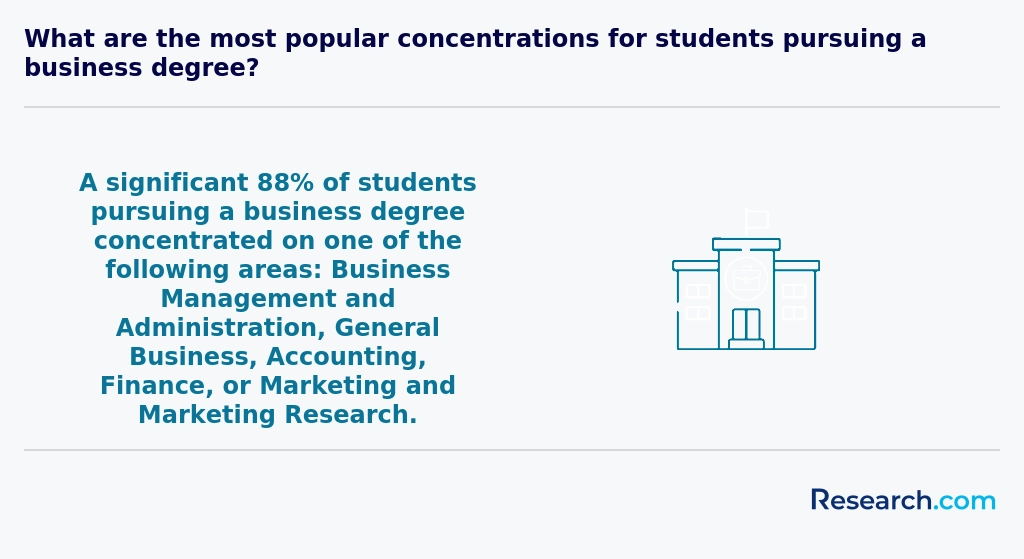
When pursuing a business degree in Abilene, many students find relief through a variety of financial aid options that make their education more affordable. Federal aid, especially Pell Grants, plays a crucial role; these grants, which do not require repayment, can cover a significant portion of tuition costs, offering peace of mind to students balancing work and studies. Graduates from local institutions like McMurry University often reflect on how departmental scholarships helped ease their financial burdens, rewarding academic effort and leadership.
State programs such as the Texas College Access Loan and Texas Grant further support residents, particularly those attending public universities. Meanwhile, local scholarships from Abilene businesses add a community-driven layer of assistance, fostering a sense of connection and encouragement.
Many working professionals in Abilene benefit from employer tuition assistance plans, which feel like a partnership between their job and educational goals. These combined resources create a hopeful environment, showing that with careful planning, financial challenges can be managed successfully.
How Does Abilene Compare to Other Affordable Business Education Hubs?
Abilene, TX, distinguishes itself with an average annual tuition of approximately $28,700 and a cost of living that is about 10% below the national average, making it one of the most budget-friendly markets for business degree seekers. In comparison, many metropolitan areas charge tuition upwards of $35,000 per year while housing and transportation expenses further inflate the total cost of attendance. This combination of lower tuition and living costs delivers a higher return on investment (ROI) for graduates entering roles like Project Manager or Business Analyst, where starting salaries in Abilene align closely with national figures. For students exploring online master’s pathways in other regions, the Cheapest Online Master’s in Business Degree Programs Ranking in Pittsburgh, PA offers a valuable benchmark. Pittsburgh’s average tuition of around $24,000 paired with modest living expenses creates a similarly attractive affordability profile. By comparing these metrics-tuition rates, cost of living, and post-graduation salary growth-prospective students can make data-driven decisions about where to pursue their business education while maximizing financial and career outcomes.
What are the prerequisites for enrolling in business degree program in Abilene?
Enrolling in a business degree program in Abilene often starts with foundational academic requirements familiar to many students locally. Graduates from Abilene Christian University and Hardin-Simmons University recall that a high school diploma or GED is the essential first step, accompanied by official transcripts that reflect solid grounding in English, math, and social studies. These core subjects build the critical thinking and communication skills crucial for thriving in business studies.
Several graduates share how submitting SAT or ACT scores, even when optional, enhanced their applications and confidence. For those aiming for advanced degrees like MBAs, earning a bachelor's degree from an accredited institution and providing competitive GRE or GMAT scores were necessary milestones, especially within Abilene's academic environment.
International students appreciate the clear guidance requiring TOEFL or IELTS results to demonstrate English proficiency. Alongside these academic standards, mindful preparation of application materials-forms, personal essays, and sometimes recommendation letters-was key in their successful enrollment at these institutions.
Why Choose a Business Degree in Abilene, TX?
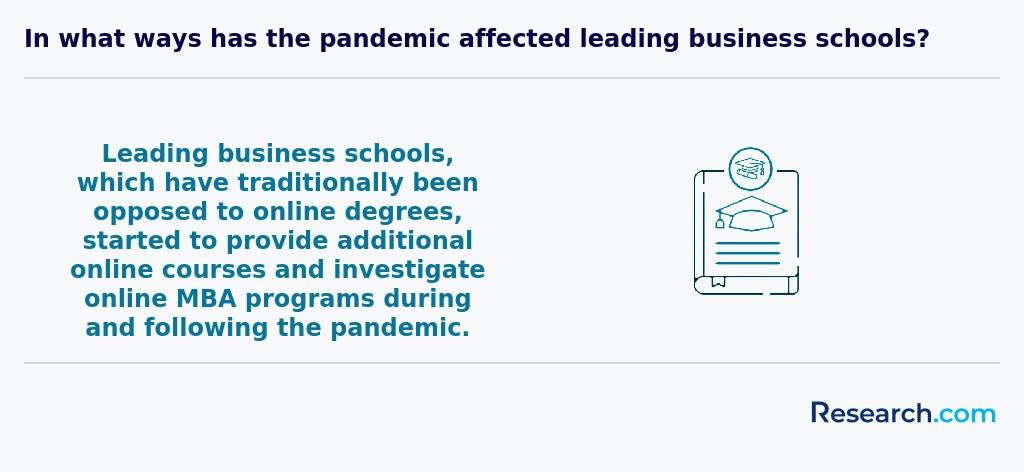
Pursuing a business degree in Abilene, TX, is a strategic decision that can catapult your career to new heights. By opting for a business program in this vibrant city, you not only gain access to a high-quality education but also become part of a thriving business community. The city's unique blend of small-town charm and big-city opportunities makes it an ideal location for students aiming to make a mark in the business world. Moreover, Abilene is home to several most affordable business schools in Texas, offering students the chance to acquire a prestigious degree without breaking the bank. This affordability, coupled with the city's growing economy and diverse job market, positions Abilene as a hotspot for business education, providing graduates with a competitive edge in the job market.
What courses are typically in business degree programs in Abilene?
Business degree programs in Abilene, especially at institutions like Abilene Christian University and Hardin-Simmons University, emphasize core courses that build a solid foundation. Graduates often recall mastering financial and managerial accounting early on, skills that proved invaluable when analyzing real company budgets during internships.
Marketing principles are brought to life through projects inspired by the competitive Texas market, encouraging students to develop practical strategies for customer engagement. Business law and economics courses deepen understanding of the legal framework and economic forces shaping local businesses, giving students confidence in navigating real-world challenges.
Organizational behavior stands out as particularly memorable for many, as it explores leadership and team dynamics-skills essential for future managers. Electives such as entrepreneurship and supply chain management reflect Abilene's growing business scene, allowing students to customize their learning toward their passions and career goals.
This curriculum, combined with hands-on experiences like capstone projects, creates a study environment where theory meets the robust realities of Texas business life, equipping students with both knowledge and practical insight.
What types of specializations are available in business degree programs in Abilene?
Business degree specializations in Abilene offer a balanced mix of classic and contemporary fields, tailored to meet both student aspirations and local industry needs. Graduates from popular colleges here often highlight how focusing on areas like Marketing, Finance, or Management helped them develop practical skills useful for real-world challenges, such as leading projects or analyzing investment opportunities. These programs emphasize experiential learning, making the theoretical knowledge truly come alive.
Other students pursuing an Business Degree Programs find Accounting and Human Resource Management especially rewarding, as these tracks sharpen precision and people skills vital in any organization. Abilene's business degree specializations in Abilene also include Entrepreneurship, reflecting the city's vibrant small business community, and emerging fields like Supply Chain Management and Business Analytics, which align with rising corporate trends and student interests at universities nearby.
How do you choose the best business degree in Abilene?
Choosing the best affordable business degree programs in Abilene means focusing on factors like accreditation and real-world applicability. Graduates from universities such as McMurry and Abilene Christian often recall how AACSB accreditation assured them of rigorous coursework that employers respect. Beyond prestige, consider how a program's curriculum connects to Abilene's strong healthcare and manufacturing sectors, enhancing your chances to land meaningful internships or jobs locally.
Many students share how smaller class sizes in these top business colleges in Abilene Texas fostered close relationships with faculty, offering personalized guidance during critical career decisions. Balancing cost is crucial too. Research shows in-state tuition averages make it possible to find quality education without overwhelming debt, especially when combined with scholarships and aid. For those eager to accelerate their journey, exploring options like accelerated business degree business and management programs can save valuable time.
Ultimately, hearing from alumni networks active in Abilene brings the business world closer, giving students the confidence to step forward equipped and excited about their future.

What career paths are available for business degree students in Abilene?
Graduates holding a business degree in Abilene find a range of rewarding career paths that reflect the city's diverse business landscape. Many step confidently into roles such as operations manager or business analyst within local companies, where they apply strategic thinking to real-world challenges. Financial services careers, including banking and accounting, are also popular, given the strong presence of regional financial institutions that nurture talent. Marketing and sales positions in Abilene's expanding retail and service sectors allow graduates to develop creative campaigns that truly resonate with the community.
Local graduates from Abilene Christian University and McMurry University often share how their education prepared them for entrepreneurship, encouraged by initiatives like the Abilene Regional Business Alliance, which supports small business growth. Others thrive in logistics and supply chain management, leveraging Abilene's role as a transportation hub. For those exploring further education options, consulting the Cheapest Online Master's in Business Degree Programs Ranking in Pittsburgh, PA is a practical step that many have found helpful when considering advanced degrees.
Such diverse business degree career opportunities in Abilene ensure that graduates leave equipped to embrace dynamic roles, confident in their ability to contribute meaningfully to the local economy and beyond.
What is the job market for business degree in Abilene?
Graduates holding a business degree in Abilene often find a stable market with steady demand across industries such as healthcare, education, and manufacturing. Reflecting on the job market for business degree in Abilene, many recent alumni from local colleges describe their transition into roles like financial management or marketing specialist with a sense of optimism, appreciating the city's relatively low unemployment rate around 3.5%. This environment supports both entry-level and experienced professionals who benefit from a community-focused job search.
Employment opportunities are enhanced by active engagement in local networking events hosted by chambers of commerce, which many graduates have found instrumental in landing positions within regional firms or healthcare institutions. Salaries, while slightly below national levels, remain competitive given Abilene's cost of living; for example, management roles typically earn near $85,000 annually, which aligns with Texas regional standards. Students pursuing entrepreneurship or supply chain management benefit greatly from affordable programs available in the city's colleges.
Many business students in Abilene also explore continued education options, often turning to accredited accelerated degree programs online to enhance their qualifications and open further doors in this evolving market. Their experiences show that patience combined with strategic skill-building aligns well with the business degree job outlook in Abilene, fostering meaningful career growth in a welcoming, expanding local economy.
Frequently Asked Questions About business
Business degree students in Abilene can maximize their learning experience by engaging with local economic opportunities. Abilene's economy, driven by healthcare, education, and manufacturing, provides practical case studies for business courses. Students should seek internships with major employers such as Hendrick Health System or Dyess Air Force Base to gain hands-on experience.
Networking is vital; students can join organizations like the Abilene Chamber of Commerce or business clubs on campus. These groups offer access to workshops, guest speakers, and mentorship from local professionals. According to the U.S. Bureau of Labor Statistics, developing soft skills such as communication and critical thinking is crucial for business success.
Additionally, Abilene's cost of living is relatively low, allowing students to focus more on studies and internships without heavy financial burdens, which is supported by data from the Council for Community and Economic Research. Utilizing university career services and attending local business events further enriches academic learning with real-world insights.
Emerging niches within the business field reflect the evolving market demands and technological advances. In Abilene, Texas, growing interest focuses on data analytics, supply chain management, and sustainable business practices. According to the U.S. Bureau of Labor Statistics, data analyst roles are projected to grow by 25% nationally by 2031, offering strong opportunities for graduates.
Supply chain management is gaining importance due to regional manufacturing and distribution hubs near Abilene. Companies demand professionals skilled in logistics and inventory optimization.
Additionally, sustainability and corporate social responsibility are rising priorities, as businesses respond to environmental concerns and regulatory changes. Local Abilene industries are beginning to integrate greener practices, creating demand for expertise in this niche.
After earning a business degree in Abilene, effective preparation for the job market involves strategic steps tailored to the local economy. Networking is crucial; Abilene's business community, featuring sectors like healthcare, manufacturing, and education, encourages engagement through local chambers of commerce and professional organizations. Internships and practical experience gained during studies significantly boost employability, as employers in Abilene value hands-on skills.
Graduates should also leverage resources from institutions such as Abilene Christian University and McMurry University, which offer career services and job fairs. According to the U.S. Bureau of Labor Statistics, regional business job growth remains steady, around 3% annually, suggesting ongoing opportunities but also rising competition. Strong communication skills and proficiency in digital tools are essential for standing out in the job market.
Employers in Abilene seek business degree graduates with strong communication and analytical skills. Effective verbal and written communication is critical, as it supports teamwork and client interactions in diverse industries like healthcare and manufacturing, which dominate the local economy.
Proficiency in data analysis and financial literacy is also highly valued. According to the Texas Workforce Commission, jobs requiring these skills are growing 10% faster than average in the region. Additionally, leadership and project management abilities help graduates navigate complex business environments and lead teams effectively.
Adaptability and technological competence, including familiarity with common business software, are increasingly essential due to ongoing digital transformation in Abilene's business sector.
Finding internships in Abilene related to a business degree involves leveraging local resources and institutions actively supporting student opportunities. Abilene's economy includes sectors like healthcare, manufacturing, and retail, providing diverse business internship options. Universities such as Hardin-Simmons and Abilene Christian often partner with regional employers, facilitating internships through their career services.
Students can utilize online job platforms like Handshake and Indeed, filtering for Abilene-based internships specifically in business fields. Networking events hosted by the Abilene Chamber of Commerce also connect students with local companies.
According to the U.S. Bureau of Labor Statistics, internships enhance employability by 20-30%, making early application crucial.
In Abilene, earning a business degree significantly enhances career mobility and advancement opportunities. Local employers value candidates with formal business education for roles in management, marketing, finance, and entrepreneurship. According to the U.S. Bureau of Labor Statistics, professionals with bachelor's degrees in business typically earn 20% more than those without a degree.
Abilene's diverse economy, including healthcare, education, and manufacturing sectors, offers multiple pathways for business graduates. Networking through local chambers of commerce and professional organizations also supports career growth. Additionally, skills learned in business programs, such as leadership and strategic planning, directly prepare graduates for higher-level positions within regional companies.
Studying for a business degree in Abilene equips students with skills that span multiple disciplines, reflecting the city's diverse economic landscape. Programs in local colleges emphasize areas such as management, marketing, finance, and supply chain logistics, integrating practical knowledge applicable across industries. According to the Texas Workforce Commission, Abilene's economy includes healthcare, manufacturing, and education sectors, fostering opportunities for students to engage in interdisciplinary projects and internships.
Business curricula often include courses in communication, data analysis, and information technology, preparing graduates to collaborate effectively with professionals from various fields. This approach enhances adaptability in roles that require both business acumen and technical understanding.
With Abilene's growing business community, students gain exposure to real-world challenges through partnerships and networking events, further developing their readiness for interdisciplinary roles.
Choosing between a thesis and a non-thesis business degree program in Abilene depends on your career goals and learning style. Thesis programs emphasize research, requiring students to complete an extensive research project, which is ideal for those considering doctoral studies or analytic roles.
Non-thesis programs focus more on coursework and practical skills, appealing to students aiming for immediate entry into the workforce. According to the U.S. Department of Education, about 65% of business graduates in Texas prefer non-thesis tracks for quicker completion and professional training.
Abilene's growing industries, such as healthcare and manufacturing, often seek graduates with applied skills rather than research experience. Evaluate if you want to deepen theoretical knowledge or build direct expertise to decide.
Students in Abilene seeking to study business abroad have several pathways through partnerships and exchange programs offered by local institutions such as Abilene Christian University and McMurry University. These universities often collaborate with international colleges, allowing students to complete part of their business degree overseas.
Participation in such programs typically involves spending a semester or a year abroad in countries like the United Kingdom, Spain, or China, where students gain global business perspectives. According to the Institute of International Education, recent U.S. business students have favored programs in Europe and Asia due to strong commerce networks.
Financial aid and program availability vary, so students should consult their university's study abroad office early to explore options aligned with their career goals in business management, finance, or marketing.
Abilene offers several part-time job opportunities that align well with business degree studies. Positions in retail management, customer service, and administrative support are common and provide practical experience in operations and communication. According to the Texas Workforce Commission, Abilene's retail sector employed over 4,000 people as of 2023, offering ample part-time roles for students.
Internships with local companies, such as those in healthcare management at Hendrick Health System, present valuable opportunities. These roles help students understand organizational structures and budgeting processes firsthand. Additionally, roles in digital marketing with Abilene's growing small business community can enhance skills in social media and analytics, crucial for modern business careers.
Students can also consider positions in financial services, including banks and credit unions, where they can apply classroom knowledge to real-world client interactions and data management tasks.
Business students in Abilene benefit from numerous networking opportunities that connect them with local industries and professionals. Abilene's Chamber of Commerce, a key resource, frequently hosts events tailored to business professionals and students, promoting meaningful connections.
Local universities often collaborate with regional businesses to offer internships and job fairs, helping students gain practical experience and network within their fields. For example, Texas State Technical College and Abilene Christian University provide access to alumni networks and business clubs.
Additionally, Abilene's growing sectors such as healthcare, manufacturing, and education create varied professional groups and meetups where students can engage with established business leaders. These connections can be invaluable when seeking employment in the competitive Texas job market.
Alumni networks provide significant advantages for business degree students in Abilene by connecting them to experienced professionals and local employers. These networks often facilitate mentorship opportunities, internships, and job placements within the Abilene business community. According to the Abilene Chamber of Commerce, companies in the region highly value candidates with strong community ties, often established through alumni associations.
Moreover, alumni can offer insights into regional industries such as manufacturing, healthcare, and education, which dominate Abilene's economy. Networking events and career fairs organized by universities serve as a valuable platform for students to build professional relationships early. This support system can accelerate career advancement and help students navigate the competitive job market in West Texas.
Customizing a business degree program in Abilene allows students to focus on areas that align with their career ambitions. Many institutions in Abilene offer concentrations or electives in fields like management, marketing, finance, or entrepreneurship. Students can typically select internships or cooperative education experiences related to local industries, such as manufacturing or healthcare, which are significant employers in the region according to the Abilene Chamber of Commerce.
Additionally, students can engage in networking events and career services tailored to Abilene's economic landscape, enhancing job readiness. Some schools also provide opportunities for online courses or evening classes, enabling working professionals to tailor their schedules and learning paths effectively.
Business students in Abilene often face challenges related to balancing work and study, as many enroll part-time while maintaining employment. According to the National Center for Education Statistics, nearly 60% of Texas college students juggle jobs alongside their education. Additionally, access to internship opportunities can be limited by the local market size; Abilene's economy is smaller compared to metropolitan areas, which may reduce the variety of industry-specific placements.
Students also encounter difficulties in adapting to evolving business technologies and practices. Staying current with tools like data analytics or digital marketing requires extra effort beyond regular coursework. Financial constraints are common as well, with average undergraduate tuition fees in Texas rising by about 3% annually over recent years, impacting affordability for many.
With a business degree in Abilene, you can pursue several respected professional certifications to enhance your career prospects. Popular options include the Certified Public Accountant (CPA) for those interested in accounting and finance. The Project Management Professional (PMP) certification is valuable for roles involving project oversight and leadership.
Many graduates also consider the Certified Management Accountant (CMA) credential, which focuses on financial management and strategy. For marketing professionals, the Professional Certified Marketer (PCM) offers specialized recognition.
Obtaining these certifications typically requires passing exams and meeting experience criteria, boosting your credibility in Abilene's competitive business market.
Writing a winning application for a business program in Abilene requires attention to detail and a clear presentation of your goals. Start with a strong personal statement that explains why you want to study business and how it fits your career plans. Demonstrating knowledge of the regional economy, such as Abilene's growing sectors like healthcare and energy, can strengthen your case.
Highlight your academic achievements, especially in math and economics, as business programs value quantitative skills. Include relevant work experience or internships, which Abilene employers often seek in graduates.
Finally, ensure all application materials are error-free and submitted by deadlines set by local institutions like Hardin-Simmons University or Abilene Christian University.
The global perspectives on a business career are increasingly shaped by international markets and technological advancements. Business professionals today need a strong understanding of cross-cultural communication and global supply chains. According to the U.S. Bureau of Labor Statistics, roles in international business are projected to grow by 8% through 2032, reflecting rising demand for globally competent employees.
In Abilene, local employers such as financial services and manufacturing firms emphasize the importance of skills in global economics and trade practices. Texas A&M University-Commerce reports that Abilene's business graduates are well-prepared for opportunities in both domestic and international markets, thanks to their exposure to global case studies and internships.
Overall, pursuing a business degree with a global perspective equips students with the adaptability and knowledge necessary for success in a competitive, interconnected world.
Students pursuing a business degree in Abilene can gain practical experience through internships and cooperative education programs offered by local colleges such as Abilene Christian University and Hardin-Simmons University. These programs connect students with businesses in Abilene's diverse economy, including healthcare, manufacturing, and retail sectors. According to the Abilene Chamber of Commerce, approximately 15% of local businesses actively participate in student internship programs, providing valuable real-world exposure.
Additionally, engaging in business clubs and case competitions can develop hands-on skills. Networking events hosted by the Abilene Young Professionals Group also offer opportunities to build industry connections while studying.
Choosing the right concentration within a business degree program in Abilene involves considering local economic trends and personal career goals. Abilene's economy is strongly supported by healthcare, education, manufacturing, and retail sectors, according to the Abilene Chamber of Commerce. Concentrations like healthcare management or supply chain management may offer better job prospects in this context.
Evaluate your interests alongside job market data from sources like the Bureau of Labor Statistics, which reports steady growth in business-related fields in Texas. Internships and networking opportunities in Abilene's local businesses can also guide your choice.
Finally, assess how well each program's curriculum aligns with your long-term aspirations and the support services they provide for student success.
Related Business Rankings for Nearby Cities
- 2027 Most Affordable Business Degree Programs Ranking in Lubbock
- 2027 Most Affordable Business Degree Programs Ranking in Denton
- 2027 Most Affordable Business Degree Programs Ranking in Dallas
- 2027 Most Affordable Business Degree Programs Ranking in Wichita
- 2027 Most Affordable Business Degree Programs Ranking in El Paso
- 2027 Most Affordable Business Degree Programs Ranking in Conway
- 2027 Most Affordable Business Degree Programs Ranking in Little Rock
- 2027 Most Affordable Business Degree Programs Ranking in Kansas City
- 2027 Most Affordable Business Degree Programs Ranking in New Orleans
- 2027 Most Affordable Business Degree Programs Ranking in Mobile
Top Trending Business Rankings
See What Experts Have To Say About Studying Business
Read our interview with Business experts

Ingrid S. Greene
Business Expert
Clinical Assistant Professor of Management
Loyola Marymount University


David W. Stewart
Business Expert
Emeritus President's Professor of Marketing
Loyola Marymount University

References
- The Biggest Challenges for Business School Students | EU Business School https://www.euruni.edu/blog/the-biggest-challenges-for-business-school-students/
- How Long to Earn a Business Degree? | DeVry University https://www.devry.edu/blog/how-long-does-it-take-to-earn-a-business-degree.html
- Interdisciplinary Business https://www.okwu.edu/academics/undergraduate/bachelor-interdisciplinary-business/
- InternABI: A Bridge Between Students and Abilene Businesses https://abilenechamber.com/chamber-news/2026-07-16-internabi-a-bridge-between-students-and-abilene-businesses
- Internships for Business Administration (BBA) Students | UE Amsterdam https://www.ue-amsterdam.com/blog/exploring-the-internship-opportunities-during-a-bachelor-in-business-administration-degree
- Finding Networking Opportunities as a Student | National Society of High School Scholars https://www.nshss.org/resources/blog/blog-posts/how-to-find-networking-opportunities-as-a-student/
- 55 Trending Business Ideas for 2025 and Beyond https://www.uschamber.com/co/start/business-ideas/top-trending-business-ideas
- Agricultural… at Abilene Christian University | Vaia https://www.vaia.com/s/degree/abilene-christian-university/agricultural-business-and-management-bs/
- Business Administration /Marketing https://search.nbaq.edu.kw/nbaq/search/program
- Business Administration https://mcm.edu/admissions-overview/find-your-major/online-campus/business-administration/