2027 Easiest Online Business Degree Programs Ranking in Michigan

Co-Founder and Chief Data Scientist
Choosing the right business degree program can feel overwhelming, especially with so many online options available in Michigan. This article introduces the 2027 Easiest Online Business Degree Programs Ranking in Michigan, developed by the Research.com team of data scientists to guide you toward smart choices.
By exploring this ranking, you'll gain insight into programs that balance quality and accessibility, making your path to a degree smoother.
Investing in a business degree opens doors to new career opportunities and personal growth - and this guide is here to help you find the best fit.
Key benefits of getting online business degree in Michigan
- Graduates with a business degree in Michigan can expect rewarding salaries, such as Business Development Executives earning around $83,190 annually and Business Analysts making about $112,950 per year, reflecting strong financial potential.
- Career paths include roles in business development, analysis, and management, inspired by successful Michigan graduates from universities like the University of Michigan who access diverse industries.
- Online business degrees from Michigan schools offer flexible scheduling and the chance to learn at your own pace, helping you balance work, life, and study while gaining recognized credentials.
- Key benefits of getting online business degree in Michigan
- What can I expect from online business degree in Michigan?
- Where can I work with online business degree in Michigan?
- How much can I make with online business degree in Michigan?
- 2027 Easiest Online Business Degree Programs Ranking in Michigan
- Key Findings
- How long does it take to complete online business degree in Michigan?
- Why Choose an Online Business Degree in Michigan
- What's the difference between online and on-campus business degree?
- What is the average cost of online business degree in Michigan?
- What financial aid is available to online business degree students in Michigan?
- Expert Tips for Succeeding in Your Online Business Degree Program
- What are the prerequisites for enrolling in online business degree program in Michigan?
- What courses are typically in online business degree programs in Michigan?
- What types of specializations are available in online business degree programs in Michigan?
- How do you choose the best online business degree in Michigan?
- What career paths are available for online business degree students in Michigan?
- What is the job market for online business degree in Michigan?
- Related Business Rankings for Nearby States
- Top Trending Business Rankings
- See What Experts Have To Say About Studying Business
What can I expect from online business degree in Michigan?
The average cost of an online business degree in Michigan generally ranges from about $10,000 to $30,000, depending on the institution and program length. Graduates from public universities like Michigan State University often share how the more affordable tuition eased their financial worries, allowing them to focus on gaining practical skills through interactive coursework.
Community colleges offering transfer-friendly online business programs provide very cost-effective options, appealing especially to working adults balancing jobs and studies. These programs may include specialized tracks in supply chain management or digital marketing, enabling students to align their learning with Michigan's key industries, such as automotive or technology.
A graduate from a well-known Michigan college described how scholarships and federal financial aid played a crucial role in making the degree accessible, ultimately fueling their enthusiasm to pursue entrepreneurial ambitions online. As remote learning platforms evolve, future students can expect even more affordable and flexible options tailored to Michigan's economy, helping them thrive without the overhead costs of traditional campus attendance.
Where can I work with online business degree in Michigan?
Graduates with an online business degree in Michigan often find themselves stepping into dynamic roles across cities like Detroit, Ann Arbor, and Grand Rapids. Many alumni from universities such as the University of Michigan and Michigan State University report thriving in finance, marketing, and management positions at major companies like General Motors or in growing tech startups within the state's innovation corridors.
One graduate shared how their online program prepared them for a fast-paced career in supply chain management in Detroit's automotive sector, where strategic decision-making and leadership are crucial. Others have embraced entrepreneurial paths, launching startups supported by local business incubators found throughout Michigan's vibrant small business communities. Opportunities in healthcare administration also attract business graduates, especially given the presence of large health systems like Henry Ford Health.
With Michigan's economy evolving, graduates are increasingly sought after for roles blending traditional business skills with new tech and operational expertise, often securing competitive salaries and career growth. Networking through Michigan's local Chambers of Commerce further opens doors, allowing business degree holders to connect with employers targeting innovative thinkers ready to shape the future.
How much can I make with online business degree in Michigan?
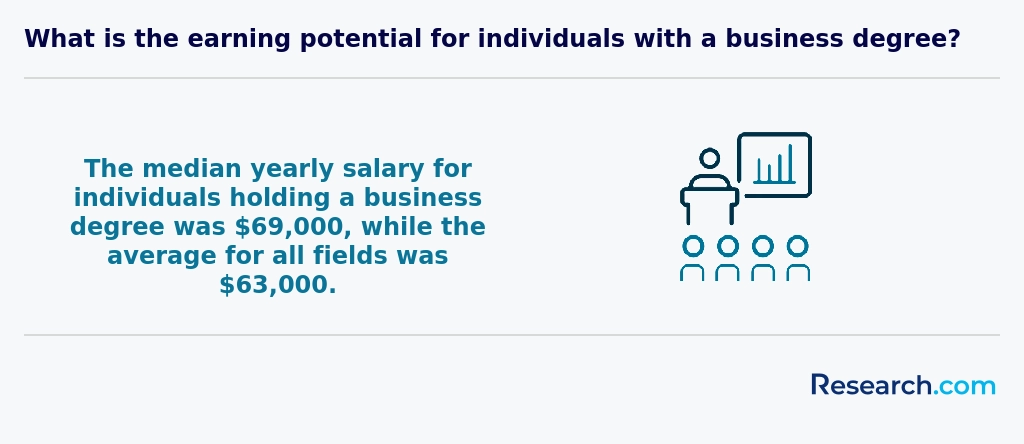
Graduates from Michigan's well-regarded business programs, such as those offered by the University of Michigan or Michigan State University, often find that their online business degree opens doors to lucrative career paths. For example, business analysts in Michigan enjoy a robust mean annual wage of about $112,950, reflecting strong demand for data-driven decision-making skills. This salary level frequently allows graduates to confidently settle into comfortable urban lifestyles in Detroit or Grand Rapids.
Meanwhile, business development executives earn an average of $83,190 annually, offering a rewarding balance of strategic impact and financial growth. These roles appeal to graduates eager to shape company growth and explore emerging markets locally and beyond.
Michigan's businesses increasingly value graduates who combine their degree with certifications or specialized training, boosting earning potential even further. Alumni from these programs often share positive experiences about networking opportunities and professional communities that fast-track salary growth.
As Michigan's economy evolves, especially in sectors like automotive and technology, online business degree holders can anticipate rising salaries and expanding career options that make this educational investment particularly wise.
2027 Easiest Online Business Degree Programs Ranking in Michigan
How do we rank schools?
Investing in your education is a significant decision that can shape your future, and the Research.com team understands the importance of making informed choices. To assist prospective students in Michigan, we have meticulously developed the "2027 Easiest Online Business Degree Programs Ranking in Michigan." Our commitment to quality, credibility, and accuracy is demonstrated through rigorous research and careful analysis behind this ranking.
We utilized the following reputable data sources to ensure a comprehensive evaluation of online business degree programs:
By exploring this ranking, readers will gain valuable insights into the easiest online business degree programs available in Michigan, empowering them to make well-informed decisions about their educational journey. For more details on our methodology, please visit our Research.com methodology page.


# 9 position
Central Michigan University
Bachelor of General Business Administration: Applied Communications


# 18 position
Walsh College
Master of Business Administration

# 19 position
Walsh College
Bachelor of General Business

Key Findings
- Online business degrees in Michigan are offered by both public and private institutions, with flexible programs suited for working adults and recent graduates.
- Tuition at public universities ranges from $10,000 to $15,000 per year for in-state students, while private schools can charge over $30,000 annually.
- Additional costs may include technology fees and textbooks, but some schools provide digital resources to lower textbook expenses.
- Entry-level business graduates in Michigan earn an average starting salary of about $50,000 per year.
- With experience and further qualifications, salaries can increase to around $75,000 or more within five to ten years.
- Key cities like Detroit, Grand Rapids, and Ann Arbor offer diverse job opportunities in finance, management, marketing, and support for business startups.
How long does it take to complete online business degree in Michigan?
Completing an online business degree in Michigan typically takes around four years for a full-time student pursuing a bachelor's degree, mirroring the traditional timeline at institutions like Michigan State University and the University of Michigan. However, many graduates share how flexible online options let them adjust pace-some choose accelerated courses to finish sooner, while others balance work and study, stretching their degree over more years but gaining valuable real-world experience.
For example, a graduate juggling family commitments found peace of mind in part-time enrollment, appreciating how the university's online platform allowed steady progress without overwhelming pressure. Another graduate from a Michigan public university celebrated completing an MBA in just 18 months by leveraging intensive, year-round classes, a trend that could become more common as programs adapt to busy professionals.
Looking ahead, the combination of flexible schedules and innovative course structures at Michigan schools promises that future students may tailor their completion times even more, blending education with life's demands in uniquely personal ways.
Why Choose an Online Business Degree in Michigan
When considering pursuing a business degree, it's essential to think about the benefits of choosing an online program in Michigan. One of the primary advantages is the flexibility it offers, allowing students to balance their studies with work or other responsibilities. Additionally, online business degree programs in Michigan can provide students with access to a wide range of courses and specializations, such as most affordable business schools in michigan, which can help them tailor their education to their career goals. Many online business degree programs in Michigan are also designed to be more affordable than traditional on-campus programs, making them an attractive option for students who want to pursue a high-quality education without breaking the bank. Overall, choosing an online business degree in Michigan can be a great way for students to advance their education and career prospects while also enjoying the flexibility and convenience that online learning provides.
What's the difference between online and on-campus business degree?
Online and on-campus business degrees in Michigan differ mainly in learning style and environment. Graduates from universities like the University of Michigan and Michigan State often describe on-campus programs as vibrant hubs where face-to-face interactions and spontaneous networking shape their experience, especially through internships in Detroit's dynamic business scene.
Conversely, online students at institutions such as Central Michigan University appreciate the flexibility to study after work or family time, accessing lectures asynchronously. This adaptability nurtures a sense of empowerment and balance, essential for many Michigan residents managing multiple responsibilities simultaneously.
Cost variations also play a role. Some universities charge equal tuition for both formats, while others provide cost savings for distance learners, easing financial stress. The assurance of AACSB accreditation across both formats reassures students about program quality, whether studying from Grand Rapids or Lansing.
Looking ahead, Michigan's evolving economy and the growing sophistication of digital platforms suggest online business degrees will increasingly offer immersive, interactive experiences rivaling those on campus, blending convenience with strong community connections.
What is the average cost of online business degree in Michigan?
The average cost of an online business degree in Michigan typically centers around $40,000 to $43,000 for residents, reflecting median in-state total costs. Many students pursuing this path find value in public universities like Michigan State University or the University of Michigan-Dearborn, where tuition rates align with these figures. Graduates often share how this investment felt reasonable given the flexibility and savings on commuting and housing, especially when balancing work and study.
Those considering the Michigan online business degree tuition fees should also factor in potential additional expenses such as textbooks, technology fees, and course materials, which can add up but are often offset by online discounts or flat-rate credit hour pricing. The manageable total cost supports a positive outlook for students eager to gain relevant skills without overwhelming financial strain.
Looking ahead, the cost landscape may shift as more institutions adopt innovative pricing models or enhanced financial aid options, making degrees even more accessible. For private colleges, expenses can be higher, yet many students appreciate the smaller classes and specialized programs those institutions offer.
Prospective students interested in budgeting effectively might explore the most affordable business schools in michigan, where opportunities to lessen financial burdens are clearer and information on tuition policies is transparent.

What financial aid is available to online business degree students in Michigan?
Online business students in Michigan often find substantial financial support through a mix of federal, state, and institutional aid, which can transform the affordability of their education. For example, many graduates from Michigan State University recall how Pell Grants, which can cover up to $7,395 annually, made a significant difference during their studies. These grants, alongside Direct Subsidized and Unsubsidized Loans, ease the financial burden by offering more manageable repayment terms after graduation.
State programs like the Michigan Competitive Scholarship and Tuition Incentive Program provide targeted aid for residents, helping reduce costs further. Students pursuing business degrees online at the University of Michigan often share how institutional scholarships tailored to online learners boosted their motivation and financial confidence.
Employer tuition assistance is another key resource, especially for those balancing work and study, with many Michigan companies actively encouraging continuing education. Beyond these, private scholarships targeting Michigan business students also reflect a growing trend of community investment, fostering enthusiasm and a sense of possibility among online learners.
Expert Tips for Succeeding in Your Online Business Degree Program
Success in an online business degree goes beyond mastering the curriculum-it requires strategic planning, strong time management, and proactive networking. Many students have found that setting clear goals and breaking down larger tasks into manageable steps can lead to a more focused study routine. Here are some expert tips to enhance your online academic experience: • Prioritize your schedule by designating specific study hours and creating a dedicated workspace. This structure not only minimizes distractions but also helps build discipline essential for online learning. • Engage with your instructors and peers through virtual discussion boards, group projects, and live webinars. Active participation can provide insights that may not be evident from lectures alone. • Take advantage of career support services offered by your institution. Whether it’s resume reviews, career counseling, or alumni networking events, these resources can bridge the gap between your studies and real-world employment opportunities. • Integrate internship experiences or part-time roles related to your field. Real-world applications of classroom theories not only reinforce your learning but also enhance your resume, better positioning you for success after graduation. • Explore additional career insights and planning strategies. For instance, you might want to review our guidance on business management career pathways to understand how the skills you develop can translate into lucrative career opportunities. By implementing these strategies, you not only improve your academic performance but also build a solid foundation for a dynamic career in business. Focusing on both your educational journey and professional growth can set you apart in today’s competitive job market.
What are the prerequisites for enrolling in online business degree program in Michigan?
Enrolling in an online business degree program in Michigan often starts with having a high school diploma or equivalent, alongside a solid GPA-usually around 2.5 to 3.0. Graduates from schools like Wayne State University or Grand Valley State University frequently mention how meeting these academic benchmarks gave them confidence entering classes, knowing they were prepared for college-level challenges.
Test-optional policies are becoming more common, so many students focus on crafting strong personal statements and highlighting their high school achievements instead of stressing over SAT or ACT scores. This shift feels like a breath of fresh air to applicants who excel in real-world experiences more than standardized exams.
For those transferring or pursuing graduate studies at places like Michigan State University, having completed relevant coursework such as economics or accounting can make all the difference. Graduates often reflect on how prior knowledge enhanced their ability to participate actively and connect theory to practice.
Work experience is also prized, especially for MBA hopefuls. Many find that sharing professional insights from roles in Michigan's diverse business environments enriches classroom discussions, making learning more dynamic and applicable.
What courses are typically in online business degree programs in Michigan?
Online business degrees in Michigan typically include foundational courses like Principles of Management, Marketing Fundamentals, and Financial Accounting, which many graduates from universities such as the University of Michigan-Flint found invaluable for understanding real-world leadership challenges and market dynamics. These courses often come alive through case studies featuring Michigan's automotive and tech industries, helping students connect theory with practice.
Students also engage with Business Law and Economics, gaining insights into legal frameworks and economic policies that directly impact regional businesses. Graduates from Michigan State University highlight how quantitative skills gained from Statistics and Quantitative Analysis courses helped them confidently interpret data for strategic decisions in growing sectors like healthcare.
Electives such as Supply Chain Management and Entrepreneurship reflect Michigan's evolving economy, allowing learners to tailor their studies to future career paths. Many report feeling empowered by projects centered on local startups or logistics companies, fostering a strong sense of purpose and optimism about their ability to contribute meaningfully to the state's business landscape.
What types of specializations are available in online business degree programs in Michigan?
Online business degree specializations Michigan students choose today reflect both current industry demands and emerging future trends. Graduates from popular institutions such as the University of Michigan and Michigan State University often highlight specializations like Finance, Marketing, and Management for their direct connection to thriving sectors in Detroit and Grand Rapids. These areas provide students with practical skills that translate into successful careers, whether analyzing regional economic data or leading teams in Michigan's evolving corporate landscape.
Innovative programs in Entrepreneurship attract students eager to launch startups within Michigan's growing tech hubs, emphasizing creativity and venture financing. Others find Supply Chain Management emerging as a key focus, matching Michigan's manufacturing revival. Real experiences shared by recent alumni illustrate how these specializations offer flexibility and real-world application, allowing for easy adaptation to shifting job markets.
Students exploring the best business degree majors Michigan has to offer discover specialized curricula designed to meet local economic needs. Many also investigate business management career pathways for a well-rounded approach, blending leadership skills with industry knowledge.
How do you choose the best online business degree in Michigan?
When choosing the best online business degree in Michigan, consider how graduates from well-known universities describe their flexible schedules and how that balance helped them juggle work and family commitments. Programs that offer part-time or asynchronous options allow students to engage deeply without sacrificing personal responsibilities, an important factor in Michigan's busy economic landscape. Many students emphasize the value of programs that align with local industry strengths-such as automotive, technology, and manufacturing-because these connections enhance real-world learning and job prospects.
Focusing on the best affordable online business degree Michigan, graduates appreciate institutions with recognized accreditation like AACSB or ACBSP, which give confidence in the curriculum quality and respect from employers. Schools with strong career support provide fruitful networking within Michigan's business community, assisting with internships and job placement. When selecting a program, reviewing graduation rates and faculty expertise can help foresee long-term satisfaction with your investment.
Prospective students exploring college majors and jobs often find success by identifying online degrees that offer specialized concentrations such as marketing or finance, tailored for Michigan's dynamic market. This strategic focus coupled with affordability and solid student support creates the ideal foundation for a thriving career.
What career paths are available for online business degree students in Michigan?
Graduates with an online business degree in Michigan find themselves stepping into diverse and evolving career paths tailored to the state's unique economy. Whether working as a financial analyst in Detroit's thriving banking sector or managing marketing campaigns for startups near Ann Arbor, these professionals contribute to areas where business meets innovation. Many graduates from popular business programs at Michigan State University and University of Michigan-Flint recount how their education prepared them for roles like sales managers in the automotive industry or supply chain analysts optimizing manufacturing logistics.
For those exploring business degree job opportunities Michigan offers, human resources specialists are increasingly vital, especially as companies adapt to hybrid work models. Alumni often describe the excitement of launching their own ventures with insights gained from their degrees, leveraging Michigan's supportive entrepreneurial resources. Some turn to online resources and even easiest masters degrees online to further refine leadership skills, anticipating future trends and ensuring adaptability in the competitive Michigan job market.
What is the job market for online business degree in Michigan?
Graduates with online business degrees in Michigan often find promising job opportunities as the state's economy continues to diversify and innovate. Many students from popular institutions like the University of Michigan-Dearborn and Michigan State University report exciting roles in automotive supply chain management and financial services right after completing their studies. This real-world success illustrates the strong Michigan online business degree career outlook, especially in cities like Detroit and Grand Rapids where businesses increasingly demand flexible, tech-savvy professionals.
In everyday terms, a graduate might start managing digital marketing projects for a local tech startup or analyze financial data for a healthcare provider, applying the versatile skills gained from their online program. Students frequently share enthusiasm about balancing studies with work, thanks to online course flexibility and lower costs compared to traditional programs. Exploring the most profitable bachelor's degrees can guide them toward high-demand fields within Michigan's evolving industries, ensuring a rewarding career path that aligns with the state's economic priorities.
Frequently Asked Questions About business
Online business degree students in Michigan can maximize their learning experience by actively engaging with course materials and participating in virtual discussions. Utilizing campus resources such as academic advising and career services, many of which are available online, supports student success. According to the Michigan Economic Development Corporation, Michigan's diverse economy, including automotive and tech sectors, offers ample opportunities for internships and networking.
Students should also form virtual study groups to enhance collaboration and problem-solving skills. Additionally, selecting programs accredited by bodies like ACBSP or AACSB ensures quality education recognized by local employers. Staying updated on Michigan's business trends through local news and organizations helps contextualize learning and prepares students for the state's job market.
Emerging niches within the business field reflect changes in technology, sustainability, and consumer behavior. In Michigan, areas like data analytics and supply chain management have gained traction, driven by the state's strong manufacturing and automotive sectors. According to the Michigan Department of Technology, Management & Budget, job growth in these areas is expected to rise 8% over the next five years. Additionally, sustainability-focused business roles are expanding due to increasing environmental regulations and the push for green energy in Michigan.
Health care management is another growing niche, supported by the state's robust health sector. Digital marketing and e-commerce also attract attention as companies shift online, creating new opportunities for innovators and strategists.
After completing an online business degree in Michigan, preparing for the job market involves several key steps. First, gaining practical experience through internships or cooperative education programs is critical; many Michigan universities facilitate connections with local businesses in Detroit, Grand Rapids, and Ann Arbor. According to the Michigan Economic Development Corporation, sectors like manufacturing, finance, and healthcare are growing and seeking business graduates.
Networking is essential. Joining professional associations such as the Michigan Business Network can open doors to job opportunities and mentorship. Additionally, polishing skills in areas like data analysis and digital marketing enhances employability, given the increasing demand for tech-savvy business professionals.
Finally, utilizing resources like Michigan's MiCareerQuest and LinkedIn job market insights tailored to Michigan can help graduates target relevant roles effectively.
Employers in Michigan highly value business degree graduates who demonstrate strong analytical and problem-solving skills. According to the Michigan Department of Labor and Economic Opportunity, 85% of hiring managers prioritize candidates who can interpret data to make informed decisions. Communication skills, both written and verbal, are also crucial, especially as more businesses engage in remote and virtual work environments.
Leadership and teamwork abilities rank highly, reflecting Michigan's collaborative business culture, particularly in Detroit's growing tech and manufacturing sectors. Additionally, proficiency in digital tools and financial literacy remains essential, with local employers favoring graduates familiar with data analytics, accounting software, and project management platforms. These skills increase graduates' competitiveness in this evolving job market.
Finding internships in Michigan relevant to a business degree involves leveraging local resources and industry connections. Michigan's economy is strong in automotive, finance, and technology sectors, making cities like Detroit and Grand Rapids ideal for business internships. The Michigan Economic Development Corporation (MEDC) often lists internship opportunities with local businesses and startups.
Many universities with online business programs have partnerships with Michigan companies, providing exclusive internship listings for students. Websites such as Handshake and LinkedIn allow filtering for internships specifically within Michigan's business markets.
According to the U.S. Bureau of Labor Statistics, Michigan offers over 130,000 business-related job openings annually, some of which include paid internships.
Networking through professional organizations like the Michigan Business Network can also uncover internship opportunities not widely advertised.
An online business degree in Michigan can significantly enhance career mobility by providing flexible access to accredited programs that align with the state's growing economic sectors. Michigan's diverse economy, including automotive, finance, and tech industries, demands professionals with updated business skills and digital literacy. According to the Michigan Department of Labor and Economic Opportunity, business and financial occupations are projected to grow by 4.5% from 2022 to 2032, reflecting steady demand for qualified candidates.
Graduates with an online business degree often experience better advancement opportunities due to improved management, leadership, and analytical skills. Employers across Michigan increasingly value candidates who combine academic credentials with practical, tech-savvy expertise gained through online learning platforms. Furthermore, the convenience of online studies allows working professionals to upskill without sacrificing employment, fostering smoother career transitions and promotions within Michigan's competitive job market.
Studying for a business degree in Michigan offers a strong interdisciplinary foundation, essential for today's complex job market. Many Michigan institutions integrate courses from economics, technology, marketing, and management, enabling students to develop versatile skills. This approach aligns with the state's diverse economy, which includes manufacturing, healthcare, and finance sectors, as noted by the Michigan Economic Development Corporation.
Online programs emphasize real-world applications, encouraging collaboration across disciplines. Students gain critical thinking, data analysis, and communication skills, preparing them for roles that require working with professionals from different fields. According to the U.S. Bureau of Labor Statistics, Michigan's business services sector continues to grow, increasing demand for such adaptable graduates.
When choosing between a thesis and a non-thesis online business degree in Michigan, consider your career goals and learning preferences. A thesis option typically requires original research and is suited for students interested in academic careers or advanced study, such as a Ph.D. Non-thesis programs focus more on practical skills and coursework, ideal for those aiming to enter the business workforce quickly.
In Michigan, a state with a strong economy in automotive and manufacturing sectors, non-thesis programs often incorporate applied projects reflecting local industry needs. According to Michigan's Department of Labor, demand for business analysts and managers is expected to grow by 5% between 2022 and 2032.
Review program curricula and faculty expertise. Thesis pathways usually take longer but deepen research abilities. Non-thesis paths may offer internships or capstones, providing practical experience. Check accreditation and state authorization to ensure the program meets Michigan's educational standards.
Students based in Michigan interested in studying business abroad through online programs have several options. Many universities in Michigan, such as the University of Michigan and Michigan State University, offer partnerships with international institutions that allow students to take courses overseas or participate in virtual exchanges.
Additionally, some online business degree programs include global business modules to help students understand international markets. According to the Michigan Economic Development Corporation, Michigan's growing international trade sector highlights the benefit of gaining global business knowledge.
Students can also explore study abroad opportunities through consortiums affiliated with their Michigan institutions, making credit transfer smoother. Online platforms increasingly support these global experiences, aligning with U.S. higher education standards.
Students pursuing online business degrees in Michigan can benefit from part-time jobs that build relevant skills and industry knowledge. Common opportunities include administrative assistant roles, retail management, and customer service positions within Michigan's growing sectors.
Sales associate jobs in Michigan's retail hubs help develop communication and negotiation abilities. Additionally, internships with local companies offer hands-on experience in marketing, finance, or human resources, aligning directly with business coursework.
According to the Michigan Department of Labor and Economic Opportunity, business services sectors have projected 3% employment growth through 2028, underscoring opportunities for students to engage in relevant part-time roles. Leveraging these jobs alongside online studies aids practical learning and networking.
Online business students in Michigan have access to a variety of networking opportunities that help bridge the gap between virtual learning and professional growth. Many institutions offer virtual career fairs and industry-specific webinars, enabling students to connect with local business leaders and alumni. According to the Michigan Economic Development Corporation, Michigan houses over 460,000 small businesses, creating a vibrant environment for networking. Additionally, professional organizations like the Michigan Business Network provide online forums and events tailored for business students and professionals.
Local chambers of commerce in cities such as Detroit and Grand Rapids also host virtual and in-person meetups that online students can attend. These connections are vital for students seeking internships or job placements in Michigan's diverse economy.
Alumni networks play a crucial role in supporting online business degree students in Michigan. These networks provide access to valuable connections within Michigan's diverse business landscape, including Detroit's growing tech sector and Grand Rapids' financial services industry.
Through alumni events, mentorship programs, and online platforms, students can receive career advice and job leads from experienced professionals. According to the Michigan Economic Development Corporation, networking contributes to 70% of job placements in the state.
Moreover, alumni networks offer insights into local market trends and opportunities, enhancing students' understanding of regional business dynamics.
Customizing an online business degree in Michigan begins with selecting a program that offers flexible concentrations tailored to your career goals. Many Michigan universities provide specializations such as finance, marketing, supply chain management, or entrepreneurship, enabling students to focus on skills that the state's key industries need. For example, Michigan's strong automotive and manufacturing sectors create demand for supply chain and operations management expertise (U.S. Bureau of Labor Statistics, 2023).
Students can also choose electives or certificate programs alongside their degrees to develop niche skills. Networking opportunities and internships facilitated through online platforms help align academic learning with professional experience.
Online business students in Michigan often face challenges related to balancing their studies with work and family commitments. According to the National Center for Education Statistics, many adult learners enroll in online programs while working full-time, which can increase stress and impact academic performance.
Technical issues also pose barriers, especially for those in rural areas where internet connectivity is less reliable. The Federal Communications Commission reported in 2023 that about 10% of Michigan residents have limited broadband access.
Additionally, some students experience difficulty engaging with peers and instructors, which can affect networking opportunities critical in business careers. Time management and self-discipline remain essential skills for success in online business degrees.
With an online business degree from Michigan, you can pursue several professional certifications that enhance your career prospects. Popular options include the Certified Business Manager (CBM), Project Management Professional (PMP), and the Certified Management Accountant (CMA). These certifications demonstrate expertise in management, finance, and project coordination.
Michigan's growing industries value credentials like the Certified Supply Chain Professional (CSCP), especially given the state's strong manufacturing and logistics sectors, supported by data from the Michigan Economic Development Corporation.
Additionally, the Salesforce Certified Administrator and Digital Marketing Certified Professional (DMCP) are increasingly relevant for business graduates focusing on technology and marketing roles.
To write a winning application for an online business program in Michigan, start by clearly demonstrating your academic readiness. Michigan employers value candidates with practical business knowledge, so emphasize relevant work experience or internships, especially those connected to Michigan's leading industries like automotive and finance. According to the Bureau of Labor Statistics, Michigan's business sector employs over 1.5 million workers, highlighting the competitive nature of the field.
Highlight your goals and how the specific program aligns with Michigan's business ecosystem. Tailor your personal statement to show an understanding of online learning challenges and your ability to manage self-paced study effectively. Also, request strong recommendation letters that can attest to your professionalism and commitment in a business context. Finally, proofread to ensure clarity and professionalism throughout your application.
Global perspectives on a business career emphasize adaptability and cultural awareness in an interconnected economy. For Michigan students pursuing online business degrees, understanding international markets is increasingly important due to the state's significant trade activities. According to the Michigan Department of Transportation, nearly 30% of the state's exports go to Canada, underscoring cross-border economic ties.
US higher education encourages business programs to embed global themes, reflecting trends by organizations like AACSB. Business graduates in Michigan benefit from coursework covering international finance, supply chains, and global marketing, preparing them for diverse roles.
The evolving global economy requires Michigan's business professionals to embrace multicultural communication and digital transformation, skills highly prized by employers statewide.
Gaining practical experience while studying for an online business degree in Michigan is essential for career readiness. Many programs encourage students to participate in virtual internships, which allow you to work with Michigan-based companies remotely. According to the Michigan Economic Development Corporation, industries such as automotive, finance, and healthcare offer numerous internship opportunities for business students.
Additionally, students can join online business clubs or case competitions hosted by Michigan universities to apply classroom knowledge to real-world problems. Networking with local business professionals through virtual events can also open doors to mentorship and project experience.
Some Michigan schools partner with local firms, providing service-learning projects that simulate business challenges.
Choosing the right concentration within an online business degree program in Michigan involves evaluating your career goals and the local job market. Popular options include finance, marketing, and supply chain management, each aligned with sectors thriving in Michigan's economy.
For example, Michigan's manufacturing and automotive industries often demand expertise in supply chain and operations management. According to the Michigan Economic Development Corporation, logistics roles are growing by 3% annually in the state.
Consider concentrations that offer relevant internships or networking opportunities with Michigan-based companies. Accreditation and faculty expertise also influence program quality, so review these carefully as well.
Related Business Rankings for Nearby States
- 2027 Easiest Online Business Degree Programs Ranking in Ohio
- 2027 Easiest Online Business Degree Programs Ranking in Indiana
- 2027 Easiest Online Business Degree Programs Ranking in Illinois
- 2027 Easiest Online Business Degree Programs Ranking in Minnesota
- 2027 Easiest Online Business Degree Programs Ranking in Kentucky
- 2027 Easiest Online Business Degree Programs Ranking in West Virginia
- 2027 Easiest Online Business Degree Programs Ranking in Iowa
- 2027 Easiest Online Business Degree Programs Ranking in Tennessee
- 2027 Easiest Online Business Degree Programs Ranking in North Carolina
- 2027 Easiest Online Business Degree Programs Ranking in Maryland
Top Trending Business Rankings
See What Experts Have To Say About Studying Business
Read our interview with Business experts


Ingrid S. Greene
Business Expert
Clinical Assistant Professor of Management
Loyola Marymount University

David W. Stewart
Business Expert
Emeritus President's Professor of Marketing
Loyola Marymount University

References
- Career Goals: 17 Inspirational Examples for you in 2026 https://www.imd.org/blog/learning-and-development/career-goals/
- Different Types of Business Degrees | University of Phoenix https://www.phoenix.edu/articles/business/types-of-business-degrees-and-salaries.html
- How to Write a Statement of Purpose for Business School https://www.statementswritingservices.com/blog/how-to-write-a-statement-of-purpose-for-business-school.html
- Why Alumni Networks Matter in Business School: 7 Reasons https://europe.ceibs.edu/article/why-alumni-networks-matter-business-school
- Business Development Cover Letter Samples & Examples 2026 https://www.kickresume.com/en/help-center/business-development-cover-letter-samples/
- Three completely online business associate degrees now available https://www.lakemichigancollege.edu/about/news-events/2020-05/three-completely-online-business-associate-degrees-now-available
- 55 Trending Business Ideas for 2025 and Beyond https://www.uschamber.com/co/start/business-ideas/top-trending-business-ideas
- Guide to Business Internships | Higherin https://higherin.com/career-guides/business/business-internships
- International Business Study Abroad: Global Programs Guide | McMillan Education International https://www.mcmillaneducationinternational.com/blog/international-business-study-abroad/
- 6 best courses to study abroad for international students https://students.studygroup.com/blog/courses-to-study-abroad