2027 Best Business Degree Programs Ranking in Spokane

Co-Founder and Chief Data Scientist
If you're considering pursuing a business degree in Spokane, this article is here to guide you. It features the 2027 Best Business Degree Programs Ranking in Spokane, created by the Research.com team of data scientists. Their in-depth analysis helps you discover which programs stand out for quality and career potential.
Exploring this ranking makes it easier to find a program that fits your goals and lifestyle. Earning a business degree can open doors to exciting opportunities, and choosing the right school is a crucial first step. Dive in with confidence and take control of your future.
Key benefits of getting business degree in Spokane
- Business degree graduates in Spokane can earn competitive salaries, such as a Business Analyst making an average of $112,950 annually or $54.30 hourly, providing strong financial benefits.
- A business degree opens diverse career paths, from marketing and finance to management, exemplified by graduates from Eastern Washington University progressing into rewarding, high-demand roles.
- Online business degrees offer flexible schedules and lower costs, allowing students like those at Gonzaga University to balance work and study effectively while gaining respected qualifications.
- Key benefits of getting business degree in Spokane
- What can I expect from business degree in Spokane?
- Where can I work with business degree in Spokane?
- How much can I make with business degree in Spokane?
- 2027 Best Business Degree Programs Ranking in Spokane
- Key Findings
- How long does it take to complete business degree in Spokane?
- Why Accreditation Matters for Business Degrees in Spokane, WA
- What's the difference between online and on-campus business degree?
- Return on Investment (ROI) for Business Degrees in Spokane, WA
- What is the average cost of business degree in Spokane?
- Tips for Succeeding in Your Business Degree Program
- What financial aid is available to business degree students in Spokane?
- What are the prerequisites for enrolling in business degree program in Spokane?
- Most Affordable Business Schools in Spokane, WA
- What courses are typically in business degree programs in Spokane?
- What types of specializations are available in business degree programs in Spokane?
- How do you choose the best business degree in Spokane?
- What career paths are available for business degree students in Spokane?
- What is the job market for business degree in Spokane?
- Top Trending Business Rankings
- See What Experts Have To Say About Studying Business
What can I expect from business degree in Spokane?
The average cost of earning a business degree in Spokane tends to be more affordable than in many larger cities. For instance, graduates from Eastern Washington University often mention that tuition for business undergraduates is competitively priced, especially for in-state students, easing financial stress during their studies. Many find this cost advantage enables them to focus more on gaining hands-on experience rather than worrying about large debt.
Students attending Gonzaga University note that while private tuition may be higher, the value comes from strong local industry connections and networking opportunities that can lead to internships and job placements. These programs typically blend classroom learning with practical projects, so students gain relevant skills without needing expensive external courses.
Beyond tuition, Spokane students often share how reasonable living costs contribute to an overall manageable budget. Being able to afford housing and transportation nearby means more energy and resources can be invested in excelling academically and professionally-building a foundation for a successful career in business within Spokane's growing economy.
Where can I work with business degree in Spokane?
With a business degree from Spokane's trusted institutions like Gonzaga University or Whitworth University, graduates step into a vibrant job market offering concrete opportunities. Many find rewarding roles in healthcare administration at major employers such as MultiCare or Providence Health, managing finances or coordinating supply chains in settings they know personally from internships.
Others leverage their studies to join manufacturing firms like Boeing, handling operations or quality assurance, benefiting from Spokane's projected growth in these areas. Retail management positions at local Walmart stores or regional malls attract grads seeking fast-paced, community-focused careers that blend customer engagement with strategic planning.
Technology startups in Spokane appeal to those wanting to apply business analytics or project management skills in innovative teams, often recalling their capstone projects from university. For graduates drawn to public service, local government and nonprofits offer roles in budget analysis and economic development, where they can see the direct impact of their work on Spokane's growth.
The varied industries paired with Spokane's supportive community make pursuing a business degree here a practical path toward a fulfilling career filled with tangible progress and local connections.
How much can I make with business degree in Spokane?
Business graduates in Spokane can expect promising earnings particularly in roles backed by solid data. For example, business analysts, a popular choice among graduates from local institutions, report a mean annual wage of about $112,950 according to the U.S. Bureau of Labor Statistics. This salary reflects the value of analytical skills and strategic thinking developed during programs at Spokane's well-regarded colleges.
Another common career path is business development executive roles, where the mean annual wage in Spokane is approximately $83,190. Graduates stepping into these positions often highlight how practical coursework and internships locally help them quickly adapt and succeed in these competitive roles.
Entry-level salaries for business roles in Spokane typically start around $45,000 to $55,000, giving recent graduates a firm financial footing. Mid-career professionals especially those pursuing further certifications or advanced degrees, can move into management roles or specialized positions that offer salaries in the $75,000 to $100,000 range, consistent with Spokane's local economic conditions.
Graduates from Spokane's business programs feel encouraged by a balance of competitive pay and cost of living, making career growth feel within reach with steady experience and local networking.
2027 Best Business Degree Programs Ranking in Spokane
How do we rank schools?
Investing in your education is a significant decision that can shape your future, and the Research.com team understands the importance of making informed choices. To assist prospective students in Spokane, we have meticulously crafted the "2027 Best Business Degree Programs Ranking in Spokane." Our commitment to quality, credibility, and accuracy is reflected in the extensive research and analysis conducted to compile this ranking.
We utilized the following reputable data sources to ensure a comprehensive evaluation of business degree programs:
By exploring this ranking, readers will gain valuable insights into the best business degree programs available in Spokane, empowering them to make well-informed decisions about their academic and career paths. For more details on our methodology, please visit our Research.com methodology page.


Key Findings
- Annual tuition for public universities in Spokane is about $8,000 for in-state students and over $23,000 for out-of-state students, while private schools charge around $30,000.
- Additional costs such as books, fees, and living expenses should be considered when planning for overall affordability.
- The Spokane job market for business graduates is strong, with opportunities in healthcare, manufacturing, technology, marketing, finance, and management.
- Entry-level salaries for business graduates typically range from $45,000 to $55,000 per year in Spokane, with mid-career earnings between $70,000 and $90,000 annually.
- Local internship programs and university-business partnerships help students gain real-world experience and improve job market connections.
How long does it take to complete business degree in Spokane?
Completing a business degree in Spokane typically aligns with your chosen program and personal schedule. For instance, full-time bachelor's degree students at Gonzaga University or Eastern Washington University usually finish in about four years, balancing coursework and campus life. Graduates often share how this timeframe fits smoothly into planning their early careers without undue stress.
If you prefer a quicker path, an associate degree at Spokane Community College can be completed in two years, an ideal choice for those eager to enter the workforce or transfer credits later. Many community college graduates appreciate the focused curriculum that sets a strong foundation without a lengthy time commitment.
For advanced studies, a full-time MBA often requires two years, but part-time options are available for working professionals, stretching to three or more years. Accelerated programs sometimes let you finish in 12 to 18 months, though this demands intense dedication. Spokane students juggling work find these flexible formats particularly encouraging, offering a practical balance between study and life.
Why Accreditation Matters for Business Degrees in Spokane, WA
Accreditation is the stamp of approval that ensures a business program meets rigorous academic and professional standards. In Spokane, prospective students should look for both regional accreditation (e.g., Northwest Commission on Colleges and Universities) and specialized business accreditation bodies such as AACSB, ACBSP, or IACBE. Employers often prioritize graduates from accredited programs because accreditation signals quality curriculum, experienced faculty, and valid learning outcomes. Choosing an accredited program also impacts your financial aid eligibility and credit transferability. Federal student aid requires enrollment in a regionally accredited institution, and many scholarships list accreditation as a prerequisite. Moreover, if you decide to pursue graduate study or professional certifications (like CPA or PMP), having an undergraduate degree from an AACSB-accredited institution can streamline the certification process. For working professionals seeking cost-effective options without compromising on quality, consider exploring an affordable aacsb accredited online mba. This flexible format allows you to earn a respected credential while balancing career and personal commitments, ensuring you meet both employer expectations and accreditation requirements.
What's the difference between online and on-campus business degree?
Choosing between online and on-campus business degrees in Spokane starts with understanding their core differences. On-campus students at Gonzaga University or Whitworth University often describe the energy of face-to-face classes and in-person group projects as a key factor in building confidence and practical skills. They regularly engage with professors and peers, attend career fairs, and join business clubs, which local graduates credit for jumpstarting their careers through valuable networking connections.
In contrast, online learners appreciate the flexibility to study around work and family commitments. Graduates from Spokane-area online programs highlight asynchronous courses that let them manage deadlines at their own pace, though they emphasize the need for strong self-discipline to stay on track. Many online students proactively use virtual platforms to network and find internships, replicating on-campus opportunities from afar.
Cost-wise, Spokane public institutions often offer online credit hours at about 10-20% less than on-campus tuition, making online study appealing for budget-conscious students, while private schools maintain comparable pricing. Deciding your best fit means balancing lifestyle, learning preferences, and financial goals within Spokane's educational landscape.
Return on Investment (ROI) for Business Degrees in Spokane, WA
Evaluating the return on investment (ROI) of a business degree in Spokane, WA involves comparing the total cost of attendance-including tuition, fees, and living expenses-to post-graduation earnings and career acceleration. On average, in-state tuition at public universities in Spokane runs about $11,260 per year, while private institutions average $41,540 annually. When factoring in books, housing, and personal expenses, the four-year investment can range from $45,000 to $60,000 for public and $160,000 to $180,000 for private programs. Graduates entering Roles such as Project Manager and Business Analyst report mean starting salaries of $80,220 and $108,790 respectively, translating to hourly wages between $38.57 and $52.30. At these rates, a public-school graduate can recoup their total costs in approximately 2–3 years, whereas private graduates often see payback periods of 3–4 years. These figures assume full-time employment in Spokane’s growing sectors of finance, healthcare administration, and technology. Looking to minimize upfront expenses? Exploring Low Cost Online Business Degree Programs can further reduce tuition outlay and offer flexibility for working professionals, potentially shortening the break-even timeline. Many online options also qualify for the same financial aid and accreditation standards as on-campus programs, ensuring educational quality while optimizing cost savings. Beyond pure financial metrics, ROI includes quality of life improvements and long-term career mobility. Alumni surveys indicate that graduates experience a 20–30% salary bump within five years, driven by promotions and specialized certifications. Spokane’s robust internship ecosystem and university-industry partnerships enhance employability, contributing to a stronger ROI through accelerated career progression. When assessing ROI, prospective students should:
- Calculate total program costs versus projected post-graduation salary.
- Factor in scholarship and grant opportunities specific to Spokane institutions.
- Weigh the benefits of flexible, online pathways against traditional campus experiences.
- Project time to payback and long-term earnings growth, using local salary data and industry trends. A thorough ROI analysis empowers you to choose the business degree path that delivers both financial and professional rewards in Spokane’s dynamic economy.
What is the average cost of business degree in Spokane?
The average cost of business degree in Spokane is about $52,880 for in-state students and approximately $70,724 for out-of-state students. These figures reflect total tuition and fees over the course of a typical four-year program at institutions like Eastern Washington University and local community colleges offering transfer options. Graduates often recount managing these costs by carefully budgeting and exploring financial aid options available through the schools and state programs.
For example, business students at Spokane's public universities have found that alongside tuition, they need to factor in expenses like textbooks, supplies, and housing, which can significantly impact the overall investment. Community colleges in Spokane provide more affordable pathways, making them a practical choice for students wanting to reduce the total tuition expense before transferring into a bachelor's business program.
Understanding the total tuition and fees for Spokane business programs makes it easier to plan ahead. Many students have successfully navigated these expenses by applying for scholarships and grants. If you want to learn more about affordable options, check out the most affordable business schools in Washington to identify institutions that fit your budget without sacrificing quality.
Tips for Succeeding in Your Business Degree Program
Embarking on a business degree journey is as much about developing practical skills as it is about academic excellence. To help you thrive in Spokane’s dynamic environment, consider these actionable strategies: • Build a strong foundation early by mastering core concepts and seeking clarification whenever needed. Consistent study habits and leveraging campus resources-like tutoring centers and academic advising-can make a big difference in your performance. • Take full advantage of networking opportunities. Attend industry events, participate in student clubs, and don’t hesitate to connect with alumni who have successfully navigated their career paths. For additional guidance, check out top business degrees in demand 2025 to learn how various programs are aligning with emerging market trends. • Secure internships and engage in volunteer opportunities related to your field. Practical experience not only reinforces classroom learnings but also builds your resume and provides lasting professional connections. • Enhance your soft skills-communication, critical thinking, and leadership-by actively participating in group projects and extracurricular activities. These skills are equally valued by future employers as technical proficiency. • Stay updated on industry trends by regularly reviewing business news, participating in webinars, and joining professional networks online. Doing so will help you identify emerging opportunities and tailor your learning to fit the fast-evolving business landscape. By integrating these tips into your academic journey, you can maximize your return on investment and be well-prepared to excel in both your studies and your future career.
What financial aid is available to business degree students in Spokane?
For business students studying in Spokane, the primary financial aid source is federal assistance through FAFSA. Many find Pell Grants particularly helpful, providing need-based funds that don't require repayment, easing stress over upfront costs. One graduate from Gonzaga University shared how this support allowed them to focus on internships rather than worrying about bills.
Washington state's Need Grant further lightens tuition for eligible in-state students, making public colleges more affordable. Around 70% of Spokane students tap into these or other aid programs, showing just how common and effective they are.
Local scholarships from schools like Whitworth University offer merit- and leadership-based awards, adding extra relief. Some graduates recall receiving these scholarships that covered significant tuition chunks, sparking confidence to pursue leadership roles on campus.
Federal work-study jobs tied to business fields provide both income and valuable experience. Many students find those jobs help balance finances without debt mounting.
Private loans and payment plans remain options, but students recommend exploring grants and scholarships thoroughly first to minimize borrowing.
What are the prerequisites for enrolling in business degree program in Spokane?
If you're aiming to enroll in a business degree program in Spokane, start by securing a high school diploma or GED. Graduates from well-known local colleges often share how having solid high school transcripts with at least a 2.5 to 3.0 GPA made the application process smoother. Most Spokane institutions request official transcripts, so having these ready can save you worry and time.
Many students talk about the flexibility they found when some Spokane schools adopted test-optional policies, meaning SAT or ACT scores might not always be mandatory. However, keeping your scores handy is wise, especially for competitive programs. If English isn't your first language, remember you'll likely need to demonstrate proficiency through tests like TOEFL or IELTS-graduates confirm this step opened doors for them.
Practical experience from alumni underscores the benefit of completing foundational courses beforehand, such as basic math or introductory business classes. These help you hit the ground running and feel confident tackling core subjects once you begin.
- High school diploma or equivalent (GED)
- Official high school transcripts with competitive GPA
- SAT or ACT scores (varies by institution)
- Proof of English proficiency for non-native speakers
- Specific course prerequisites such as math or introductory business (variable)
Most Affordable Business Schools in Spokane, WA
To further enhance your educational journey, considering the financial aspect is crucial. When looking for the most affordable business schools in Spokane, WA, it's essential to weigh the costs against the quality of education and potential career outcomes. Many students have found that attending institutions that offer a balance between affordability and academic excellence is key to a successful and fulfilling career. For instance, exploring options like most affordable business schools in Washington can provide valuable insights into making an informed decision. By understanding the various factors that contribute to the overall cost of a business degree, including tuition, fees, and living expenses, prospective students can make choices that align with their financial situation and career aspirations.
What courses are typically in business degree programs in Spokane?
Business degree programs in Spokane include a mix of core courses designed to build a strong foundation and specialized electives that align with real-world demands. Graduates from local universities often recall how classes like Principles of Management helped them grasp leadership skills necessary for managing teams during internships at Spokane's growing companies.
Students typically take Financial and Managerial Accounting, which taught them to understand budgets and financial reports-skills they used immediately in part-time roles at small businesses. Marketing Fundamentals courses focus on consumer behavior and promotional strategies, crucial for those aiming to enter Spokane's competitive retail or tech markets.
Courses in Business Law and Ethics ensure students feel confident navigating legal challenges they might face when launching startups. Economics classes provide context on how local and global markets interact, helping students interpret shifts in Spokane's economy.
Including Business Statistics and Quantitative Methods equips students to analyze data and make evidence-based decisions, a skill praised by recent graduates working at Spokane's supply chain firms.
What types of specializations are available in business degree programs in Spokane?
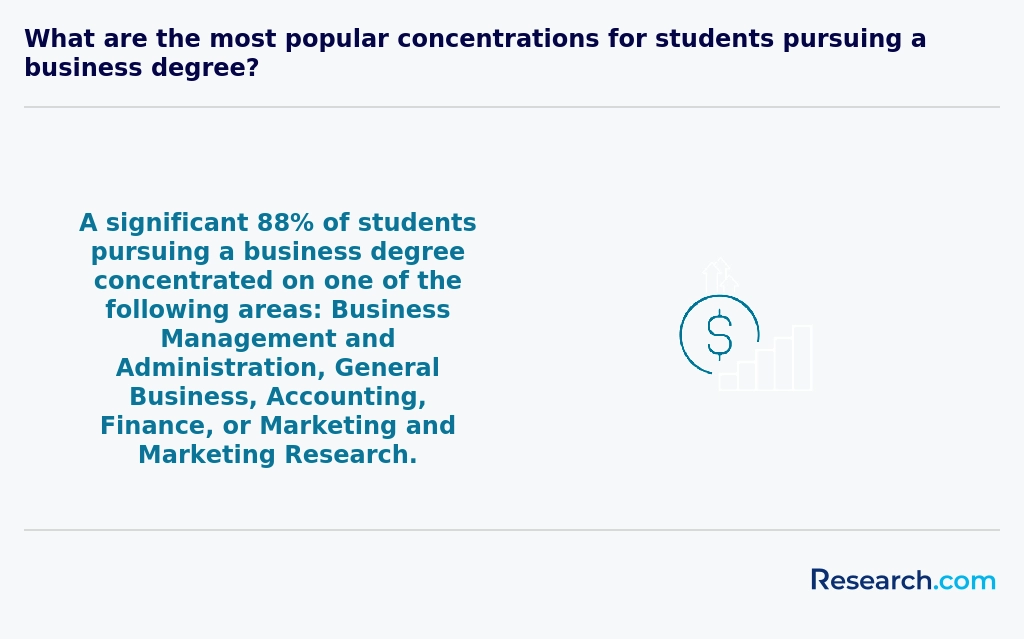
Students pursuing a business degree in Spokane typically explore several practical specializations that reflect the city's economic strengths. Popular choices include finance, where graduates develop skills in investments and corporate finance, well-suited for Spokane's growing financial services sector. Marketing is another common path, focusing on brand management and digital strategies, perfectly aligning with the region's expanding retail and service industries.
Many Spokane business degree concentration options also emphasize management, offering leadership and strategic planning expertise ideal for local small and mid-sized businesses. Accounting remains reliable, covering audit and tax skills needed by Spokane companies. Entrepreneurship appeals to students eager to create startups, supported by the city's active local government backing new ventures. Supply Chain Management, focusing on logistics and procurement, suits Spokane's role as a regional trade hub.
Graduates from well-known Spokane colleges often share how these specializations prepared them for real-world challenges, enhancing career readiness. For those weighing their options, examining the top business degrees in demand 2025 can also clarify which specializations offer the strongest career prospects.
How do you choose the best business degree in Spokane?
Start by verifying the accreditation of the business program, especially looking for AACSB accreditation, which graduates from Spokane's public universities praise for boosting their job prospects. Spokane Community College and Spokane Falls Community College are popular for affordable business colleges Spokane, offering practical associate degrees that ease transfer to four-year universities.
Consider tuition costs carefully-public universities here average around $10,000 a year for in-state students, much more manageable than private schools charging over $30,000. Many students appreciate programs offering flexible formats like online or hybrid classes, which help those balancing work and study. Graduates often highlight how internships integrated into their curriculum connect them directly with Spokane's vibrant local industries, such as healthcare and technology.
Look for programs that align specializations with your career goals, whether in marketing, finance, or entrepreneurship. Some Spokane business students find the combination of curriculum and local partnerships invaluable. For those seeking graduate degrees, exploring options like an affordable aacsb accredited online mba can be a smart next step.
What career paths are available for business degree students in Spokane?
Graduates holding a business degree in Spokane find several practical career paths aligned with the city's diverse economy. For example, many start as financial analysts or advisors, helping local businesses and families optimize budgets-critical in Spokane's finance sector. Others become marketing specialists, leveraging skills learned at Spokane's popular universities to boost brands in the retail and service industries. Those interested in organizational roles often step into human resources management or operations management, guiding staff and streamlining processes in healthcare or manufacturing firms around the city. Many graduates also launch startups, drawn by Spokane's supportive small business environment and accessible resources.
Students from Spokane colleges experience real-world internships that connect classroom theories with local industry needs, enhancing job opportunities. If you want to explore cost-effective options to earn your degree without breaking the bank, check out Low Cost Online Business Degree Programs that serve Spokane residents well. These steps ensure you build valuable skills for the economy and practical business degree career options Spokane offers.
Careful planning and using available resources helps turn a business degree into rewarding, growth-oriented job opportunities with business degree in Spokane.
What is the job market for business degree in Spokane?
The business degree job opportunities in Spokane are diverse and growing steadily, reflecting the city's vibrant economy and varied industry base. Graduates from local schools, such as Gonzaga University and Whitworth University, often find roles in healthcare administration, financial services, and retail sectors that thrive in Spokane's regional market. For example, many recent graduates have landed positions as marketing managers or financial analysts in local hospitals and banks, benefiting from Spokane's lower unemployment rate compared to national figures.
Networking is crucial here-students who engage with Spokane's active chambers of commerce and secure internships often transition smoothly into full-time employment. The median annual wage of about $68,000 aligns well with Spokane's cost of living, making business careers financially sustainable. Given the competitive tuition at public universities, students should also consider enhancing their credentials with high paying certifications to improve job prospects and career growth.
Overall, the Spokane business degree employment outlook favors those ready to adapt skills like digital marketing and supply chain management to local demands, providing a solid foundation for lifelong career success.
Frequently Asked Questions About business
Business degree students in Spokane can enhance their learning by combining classroom knowledge with practical experiences. Internships with local companies, like those in the Spokane Valley or Downtown Spokane business districts, provide valuable real-world insight and networking opportunities. According to the Spokane Regional Chamber, the area's healthcare, manufacturing, and tech sectors show steady growth, offering diverse internship options.
Students should also engage with local business organizations and attend networking events to build professional connections early. Utilizing resources from Spokane community colleges and universities, such as career services and workshops, helps develop essential skills beyond the curriculum.
Lastly, staying current with regional economic trends through sources like the Greater Spokane Progress report can guide students to focus on in-demand specializations.
Emerging niches within the business field are reshaping educational and career opportunities for students in Spokane. Areas such as data analytics, sustainable business practices, and e-commerce have gained notable traction. According to the U.S. Bureau of Labor Statistics, demand for professionals with analytics skills is projected to grow by 25% through 2030, reflecting a national trend visible in Spokane's expanding tech sector.
Local businesses increasingly value expertise in sustainability, driving interest in green business models and corporate social responsibility. Additionally, e-commerce continues its rapid growth, fueled by changing consumer habits, especially in regional retail hubs.
This shift provides Spokane students with specialized tracks within business degrees, aligned with market needs.
After completing a business degree in Spokane, preparing for the job market involves combining education with practical experience. Spokane's growing economy, driven by healthcare, manufacturing, and technology sectors, offers diverse opportunities for business graduates.
Networking plays a key role-joining local organizations like the Spokane Chamber of Commerce can connect graduates to potential employers. Additionally, internships and cooperative education programs during studies improve real-world skills and increase employability.
According to the U.S. Bureau of Labor Statistics, the Spokane metropolitan area saw a 3.8% employment growth in business-related roles in 2023, emphasizing a positive market.
Developing proficiency in data analysis, digital marketing, and project management also enhances job prospects in Spokane's competitive environment.
Employers in Spokane seeking business degree graduates prioritize strong communication and analytical skills. Effective verbal and written communication is essential for collaboration and leadership roles. According to the Spokane Regional Chamber, 78% of local employers emphasize problem-solving abilities in candidates.
Data literacy and proficiency with business software, such as Excel and CRM tools, are also in high demand. The Washington State Employment Security Department highlights that financial literacy is a key competency for over 60% of business roles in the Spokane metro area.
Additionally, adaptability and teamwork skills are critical due to Spokane's diverse economic sectors, including manufacturing, healthcare, and technology. These skills ensure graduates can navigate changing industries and contribute positively to organizational goals.
Finding internships in Spokane relevant to a business degree involves targeted research and proactive networking. Local institutions such as Eastern Washington University and Spokane Community College often have career centers that connect students with internship opportunities in finance, marketing, and management. Spokane's growing economy includes sectors like healthcare administration and logistics, which offer relevant business internships.
Students should explore Spokane-based companies, including KeyTronic and Itron, known for offering internships. Additionally, websites like Handshake and LinkedIn list local opportunities with detailed requirements. Spokane's Chamber of Commerce also provides resources and networking events beneficial for business students.
A business degree significantly enhances career mobility and advancement opportunities in Spokane. According to the Spokane Workforce Council, sectors such as finance, management, and marketing consistently seek candidates with formal business education. Employers value graduates who bring both theoretical knowledge and practical skills. A degree can open doors to leadership roles, especially in Spokane's growing healthcare administration and technology-based companies.
Data from the U.S. Bureau of Labor Statistics shows that professionals with business degrees in the Spokane area experience a median wage increase of approximately 15% compared to those without. Additionally, Spokane's economic development initiatives promote local entrepreneurship, where a business degree provides crucial skills for starting and managing ventures.
Furthermore, networking opportunities available through local colleges and business organizations in Spokane enhance upward mobility. Access to internships and connections often result in faster career growth and job retention.
Studying for a business degree in Spokane offers practical preparation for interdisciplinary roles by combining core business skills with knowledge from fields like technology, communication, and management. Local universities emphasize applied learning, including teamwork across different departments, which mirrors real-world business environments.
Spokane's growing economy, with a focus on healthcare, manufacturing, and technology sectors, requires professionals who can navigate various disciplines. According to the Spokane Regional Economic Development Council, business graduates who understand multiple fields improve their problem-solving and leadership capabilities.
Programs often include courses in data analysis, ethics, and project management, allowing students to integrate diverse perspectives. This educational approach equips graduates to adapt to evolving job demands in Spokane's diverse marketplace.
When choosing between a thesis and a non-thesis business degree program in Spokane, consider your career goals and learning preferences. Thesis programs often suit students aiming for research, academia, or specialized roles, requiring them to conduct extensive studies and produce a formal research paper.
Non-thesis options typically focus on practical skills through coursework and may include internships, appealing to those targeting immediate employment in Spokane's growing sectors like manufacturing and finance, which have seen a 4.5% growth as per Spokane Workforce Council 2023 data.
Cost and time are factors: thesis paths usually take longer and may offer teaching assistant roles, whereas non-thesis degrees can be completed faster with more flexible schedules.
Evaluate faculty expertise and program resources at Spokane universities to align with your interests.
Students based in Spokane looking to study business abroad have several opportunities through local institutions with international partnerships. Gonzaga University, for example, offers study-abroad programs that allow business students to spend a semester in countries such as Italy, Spain, or Japan while earning credits toward their degree. Eastern Washington University also supports exchange programs with universities in Europe and Asia, enabling students to gain global business perspectives.
In addition, many Spokane students leverage national programs like the Boren Awards or Gilman Scholarships, which provide funding specifically for U.S. students pursuing international study in strategic regions. These options expand access beyond local partnerships.
According to Spokane's Office of Economic Development, international experience is increasingly valued by businesses in the region's growing trade and tech sectors, making global study a practical choice for aspiring business professionals.
Spokane offers a variety of part-time job opportunities that can enhance a business degree student's education. Positions in retail management, customer service, and administrative support are widely available and provide practical experience in sales, communication, and organizational skills. According to Spokane's Chamber of Commerce, the local economy is supported by thriving sectors such as healthcare and logistics, where part-time roles in office administration or supply chain assistance can also be valuable.
Internships at small businesses or startups in Spokane give students real-world exposure to business operations, marketing, and finance. Additionally, Spokane's growing technology sector creates part-time roles in data analysis and digital marketing. These jobs build skills directly relevant to many business degree programs.
Business students in Spokane have access to numerous networking opportunities that can be crucial for career development. Local universities often host networking events, career fairs, and business workshops that connect students with industry professionals. For example, Gonzaga University organizes annual events where students meet Spokane's top business leaders.
The Spokane Regional Chamber of Commerce frequently offers mixers and seminars tailored to young professionals and students. These events provide a chance to build valuable relationships in industries like healthcare, manufacturing, and technology, which are significant to Spokane's economy.
Additionally, Spokane hosts chapters of national business organizations such as the American Marketing Association and the Financial Management Association. These groups provide regular meetings, guest speakers, and mentorship programs specifically for business students and recent graduates.
Alumni networks play a vital role for business degree students in Spokane by connecting them with experienced professionals and local businesses. These networks often provide mentorship opportunities, helping students gain practical insights beyond the classroom. According to the Spokane Workforce Council, nearly 25% of business graduates find internships or jobs through alumni connections.
Many Spokane institutions organize networking events and career fairs exclusively for alumni and current students, fostering relationships that can lead to job placements. With Spokane's growing economy emphasizing sectors like finance and logistics, access to a strong alumni network enhances students' chances of entering these fields.
Additionally, alumni often share industry trends and provide guidance on navigating the local business environment, which is valuable for career development in Spokane's unique market.
Customizing a business degree program in Spokane allows students to align their education with specific career goals. Many local institutions offer flexible curricula with elective courses in areas such as finance, marketing, entrepreneurship, and supply chain management. Students can often choose concentrations or minors that match the demands of Spokane's growing industries, including manufacturing and technology. Internships and cooperative education opportunities with Spokane-based companies provide practical experience tailored to individual aspirations.
According to recent data from the Spokane Workforce Council, sectors like professional services and healthcare are expanding, influencing the specialization choices students might consider. Additionally, some schools offer personalized academic advising to help students create a course plan that best supports their career path.
Business students in Spokane often encounter several challenges during their studies. One common difficulty is balancing coursework with part-time work, as Spokane's cost of living, while moderate, still requires many students to seek employment. According to the U.S. Bureau of Labor Statistics, Spokane's unemployment rate was around 4.5% in early 2024, impacting job availability for students.
Additionally, navigating the competitive local internship market proves tough. The Spokane business community is growing steadily, but opportunities for hands-on experience can be limited compared to larger metropolitan areas. Access to updated technology and resources is another barrier some students face, particularly in smaller institutions.
Moreover, business students must adapt to evolving industry trends, including digital marketing and data analytics, which demand continuous learning and flexibility.
With a business degree in Spokane, you can pursue several professional certifications to enhance your career prospects. Popular options include the Certified Public Accountant (CPA) for those interested in accounting and finance. This credential is valuable as Spokane's financial sector continues to grow, supported by data from the Washington State Department of Commerce.
The Project Management Professional (PMP) certification is also common, reflecting the demand for project managers in Spokane's expanding industries such as healthcare and manufacturing. This certification can improve leadership and organizational skills.
Additionally, the Certified Management Accountant (CMA) and the Chartered Financial Analyst (CFA) are respected certifications that benefit graduates aiming at corporate finance or investment roles within the Spokane business community.
To write a winning application for a business program in Spokane, start by thoroughly researching the specific schools and their MBA or business bachelor's offerings. Tailor your personal statement to highlight how your experiences align with Spokane's local business environment, which includes strong sectors such as healthcare, manufacturing, and logistics, according to the Spokane Regional Chamber.
Demonstrate leadership potential and quantitative skills by including examples from work, internships, or volunteer roles. Most Spokane schools consider a competitive GPA and standardized test scores, like the GMAT or GRE, though some programs are test-optional.
Strong letters of recommendation from professionals familiar with your business aptitude enhance credibility. Finally, proofread carefully to present a clear, professional, and compelling application.
Business careers today increasingly demand a global perspective, reflecting the interconnected nature of markets worldwide. Graduates with business degrees in Spokane benefit from understanding international trade, cross-cultural communication, and global economic trends. According to the U.S. Bureau of Labor Statistics, professionals skilled in global business practices are projected to see steady employment growth through 2031.
Spokane's growing economic links with Asian and Pacific markets stress the importance of global awareness for aspiring business leaders. Local institutions offer courses emphasizing global supply chains and international finance, aligning education with workforce needs. For students, this means building skills to compete not just locally, but internationally.
Experts highlight that knowledge of global regulatory environments and sustainability practices is crucial for career advancement. This aligns with Spokane businesses increasingly adopting global standards, boosting opportunities for graduates versed in worldwide business dynamics.
Students pursuing business degrees in Spokane can gain practical experience through internships offered by local companies. Many universities and colleges partner with Spokane's diverse business community, including finance, healthcare, and technology sectors, providing students with real-world exposure.
Organizations such as the Greater Spokane Incorporated and the Spokane Tech Center often facilitate internship placements, allowing students to apply classroom knowledge in professional settings.
Additionally, business schools encourage participation in student-run consulting projects and entrepreneurship competitions. These activities help develop leadership and problem-solving skills.
According to the U.S. Bureau of Labor Statistics, internships significantly improve job prospects after graduation by enhancing practical skills.
Choosing the right concentration within a business degree in Spokane involves aligning your interests with local industry demands. Spokane's economy is diverse, with strong sectors like healthcare, manufacturing, and technology, shaping opportunities for graduates. According to Spokane Workforce Council data, healthcare administration and supply chain management are among the fastest-growing fields in the region.
Consider your career goals carefully. Concentrations like finance, marketing, or entrepreneurship offer different pathways. Exploring internship options in Spokane can provide real-world experience and clarify your preferences.
Additionally, consult academic advisors to understand course requirements and potential return on investment for each concentration.
Related Business Rankings for Nearby Cities
- 2027 Best Business Degree Programs Ranking in Pullman
- 2027 Best Business Degree Programs Ranking in Kirkland
- 2027 Best Business Degree Programs Ranking in Seattle
- 2027 Best Business Degree Programs Ranking in Tacoma
- 2027 Best Business Degree Programs Ranking in Bellingham
- 2027 Best Business Degree Programs Ranking in Portland
- 2027 Best Business Degree Programs Ranking in Newberg
- 2027 Best Business Degree Programs Ranking in Salem
- 2027 Best Business Degree Programs Ranking in Eugene
- 2027 Best Business Degree Programs Ranking in Salt Lake City
Top Trending Business Rankings
See What Experts Have To Say About Studying Business
Read our interview with Business experts

David Souder
Business Expert
Senior Associate Dean for Faculty and Research
Michigan State University

David W. Stewart
Business Expert
Emeritus President's Professor of Marketing
Loyola Marymount University


References
- The Future of Work: Why Business Education Is More Important Than Ever https://www.sjvc.edu/blog/the-future-of-work-why-business-education-is-more-important-than-ever/
- Online Business Degree Programs | University of Phoenix https://www.phoenix.edu/online-business-degrees.html
- 10 Key Benefits of Part-Time Jobs for Students While Studying https://www.ue-amsterdam.com/blog/top-10-benefits-of-working-part-time-for-students-while-studying
- The Seven Biggest Challenges Faced by Student Entrepreneurs https://venturewell.org/blog/five-biggest-challenges/
- Workshops - SNAP https://www.snapwa.org/workshops/
- Academic Programs https://www.wallawalla.edu/academics/areas-of-study/business/academic-programs
- Enterprise project challenge https://barclayslifeskills.com/help-others/lessons/enterprise-project-challenge/
- Bringing global perspectives to leadership in business https://www.eaie.org/resource/global-perspectives-leadership-business.html
- Skills Employers Look for in Business Graduates – EU Business School https://www.euruni.edu/blog/skills-employers-look-for-in-business-graduates/
- Global careers, real impact: building your career with an international business degree | University of East London https://www.uel.ac.uk/blog/global-careers-real-impact-building-your-career-international-business-degree