2027 Best Business Degree Programs Ranking in Spartanburg

Co-Founder and Chief Data Scientist
Choosing the right business degree program can shape your future career and open many opportunities. For students in Spartanburg, finding the best fit is essential. This article introduces the 2027 Best Business Degree Programs Ranking in Spartanburg, developed by the Research.com team of data scientists.
With carefully analyzed data, the ranking helps you identify programs worth considering. Reading this article gives you valuable insights to make informed decisions and find a program that matches your goals.
Embarking on a business degree journey can be exciting and rewarding, and this guide aims to support you every step of the way.
Key benefits of getting business degree in Spartanburg
- Salary benefits: Business degree graduates in Spartanburg can expect competitive salaries, with roles like Business Development Executives earning around $83,190 annually and Business Analysts earning approximately $112,950 per year.
- Career paths: Graduates often find diverse opportunities in fields such as marketing, finance, and management, enhancing their chances of long-term career growth and fulfillment locally and beyond.
- Online degree advantages: Earning a business degree online from a reputable Spartanburg university offers flexibility, allowing students to balance work and study while gaining valuable skills that employers highly value.
- Key benefits of getting business degree in Spartanburg
- What can I expect from business degree in Spartanburg?
- Where can I work with business degree in Spartanburg?
- How much can I make with business degree in Spartanburg?
- 2027 Best Business Degree Programs Ranking in Spartanburg
- Key Findings
- How long does it take to complete business degree in Spartanburg?
- Affordable Online Business Degree Alternatives
- What's the difference between online and on-campus business degree?
- What is the average cost of business degree in Spartanburg?
- Affordability and Financial Planning for Business Students in Spartanburg, SC
- What financial aid is available to business degree students in Spartanburg?
- Return on Investment (ROI) of Business Degrees in Spartanburg
- What are the prerequisites for enrolling in business degree program in Spartanburg?
- What courses are typically in business degree programs in Spartanburg?
- What types of specializations are available in business degree programs in Spartanburg?
- How do you choose the best business degree in Spartanburg?
- What career paths are available for business degree students in Spartanburg?
- What is the job market for business degree in Spartanburg?
- Top Trending Business Rankings
- See What Experts Have To Say About Studying Business
What can I expect from business degree in Spartanburg?
The average cost of earning a business degree in Spartanburg is actually pretty reasonable compared to many other places. Students attending well-known local schools like the University of South Carolina Upstate or Converse College often find tuition and fees lower than the national average. Graduates commonly mention feeling relieved about not racking up as much debt while still getting solid training in key areas like finance, marketing, and supply chain management.
Many business students here talk about how affordable living expenses also help ease financial stress. Renting a place near campus or grabbing meals around town won't break the bank, which means more focus on learning and internships. These internships-especially in industries like automotive manufacturing with companies around Spartanburg-give students real-world experience without added costs.
Overall, Spartanburg's combo of wallet-friendly tuition and cost of living lets you dive into your business degree without constant worries about money, making the whole process way more enjoyable and stress-free.
Where can I work with business degree in Spartanburg?
If you're studying business in Spartanburg, you've got a lot of cool options waiting for you after graduation. Many graduates from places like the University of South Carolina Upstate or Wofford College find themselves working in Spartanburg's strong manufacturing scene. Imagine jumping into roles at BMW's massive plant nearby, handling supply chains or making sure operations run smoothly-real hands-on stuff that keeps the city's economy buzzing.
Others land jobs in healthcare management with Spartanburg Regional Healthcare System, helping run hospital operations or managing finances. It's a great path if you enjoy mixing business skills with the chance to make a positive impact on people's lives.
Plus, financial institutions in the area hire grads for roles in banking or investment advising, thanks to credit unions and leagues nearby. Retail is booming too-think WestGate Mall and small local shops where business grads handle sales and marketing, keeping customers happy.
With business programs that connect you to internships and career services, like those at USC Upstate or Wofford, you're not just studying-you're getting real chances to launch your career right here in Spartanburg.
How much can I make with business degree in Spartanburg?
If you're thinking about earning a business degree in Spartanburg, you'll be happy to know the paycheck can look pretty good once you graduate. For example, a business development executive here pulls in around $83,190 a year on average, which definitely beats the national starting salary for many jobs. And if you're aiming for a role as a business analyst, local grads see salaries closer to $112,950 annually-pretty impressive for a few years of experience after graduation from one of Spartanburg's well-regarded colleges.
Many business grads from Spartanburg's universities say landing a position as a business development executive or analyst helped them boost their income faster than expected. It's not just about the numbers though-there's a real sense of pride watching your career grow while staying close to home.
So whether you're walking the campus paths at Converse College or University of South Carolina Upstate, know that those degrees open doors to solid-paying careers right here in Spartanburg. It's a great local market with room to grow-and a salary to match your effort.
2027 Best Business Degree Programs Ranking in Spartanburg
How do we rank schools?
Investing in your education is a significant decision that can shape your future, and the Research.com team understands the importance of making informed choices. To assist prospective students in Spartanburg, we have meticulously crafted the "2027 Best Business Degree Programs Ranking in Spartanburg." Our commitment to quality, credibility, and accuracy is reflected in the extensive research and analysis conducted to compile this ranking.
We utilized the following reputable data sources to ensure a comprehensive evaluation of business degree programs:
By exploring this ranking, readers will gain valuable insights into the top business degree programs available in Spartanburg, enabling them to make well-informed decisions about their educational journeys. For more details on our methodology, please visit our Research.com methodology page.


Key Findings
- Tuition for business degrees in Spartanburg ranges from $7,000 to $10,000 per year for in-state students and $15,000 to $20,000 for out-of-state students.
- Starting salaries for business graduates are around $45,000 to $50,000 annually, increasing to $75,000 to $85,000 with experience.
- Key local employers include BMW Manufacturing and Spartanburg Regional Healthcare System, offering jobs in management, finance, marketing, and supply chain roles.
- Business programs focus on practical skills and provide internship opportunities through partnerships with local companies.
- Smaller class sizes offer more personalized faculty attention, and the affordable cost of living helps reduce overall expenses.
- Spartanburg's location near Greenville and Asheville expands job options in larger metropolitan areas nearby.
How long does it take to complete business degree in Spartanburg?
In Spartanburg, most students finish their business degrees in about four years if they're going full-time, taking classes the regular way with fall and spring semesters. For example, at well-known local schools like the University of South Carolina Upstate or Wofford College, grads often mention how sticking to the typical course load helped them wrap up the 120-130 credit hours right on schedule.
That said, some students really hustle by taking summer classes or piling on extra courses during the year, which can shave that timeline down to around three years. Those who juggle work and school sometimes pick part-time tracks, especially for MBAs, stretching it to three or even more years based on their pace. Nearly everyone appreciates the flexibility these local programs offer!
Plus, if you've got credits from community college transferring over, chances are you'll finish sooner, making your path even smoother. Many grads say the mix of internship opportunities at Spartanburg institutions adds valuable real-world skills, even if it means a bit more time in school-totally worth it for landing great jobs after graduation.
Affordable Online Business Degree Alternatives
For students seeking cost-effective flexibility without sacrificing quality, exploring affordable online business degree programs can be a game-changer. These programs allow you to balance work, internships, and personal commitments while earning credits toward your degree. Many accredited institutions offer accelerated pacing, transfer options, and discounted tuition rates for in-state and out-of-state learners, ensuring you maximize savings on every credit hour. While Spartanburg schools like USC Upstate provide robust online curricula, you may also consider nationally ranked affordable options to compare tuition and outcomes. For a comprehensive list of cost-effective online options, review the Cheapest Online Business Degree Programs Ranking in Villanova, PA. This ranking highlights institutions with the lowest per-credit costs, generous transfer policies, and strong student support services-key factors that contribute to a high return on investment. When evaluating affordable online business programs, prioritize accreditation, faculty expertise, and career placement rates. Look for schools offering virtual career fairs, mentorship networks, and digital libraries to replicate on-campus resources. Additionally, confirm that course materials are up-to-date with industry trends, from data analytics to sustainable management, so you graduate prepared to excel in Spartanburg’s competitive job market and beyond.
What's the difference between online and on-campus business degree?
If you're thinking about a business degree in Spartanburg, the choice between online and on-campus really shapes your whole experience. On-campus programs, like those at the University of South Carolina Upstate or Converse College, offer that classic college vibe-learning in lecture halls, group projects, and hanging out with classmates between classes. Graduates often talk about how those face-to-face connections helped them land internships and feel more connected to campus life.
On the flip side, online degrees give you serious flexibility. Many students juggling jobs or family love being able to study when it fits their schedule without the hassle of driving to campus every day. You still get the core lessons, but it's all done remotely-think recorded lectures and virtual chats.
Costs differ too. On-campus students in Spartanburg usually pay around $8,000 to $12,000 yearly and add expenses like housing and meals. Online learners dodge those but might need to upgrade their tech. It's all about what fits your lifestyle and learning style best.
What is the average cost of business degree in Spartanburg?
The average cost of a business degree in Spartanburg usually rounds out to about $40,136 for out-of-state students and $25,240 for in-state students. These figures include everything from tuition and fees to living expenses and books, giving you a realistic snapshot of what it truly costs to earn that degree. For example, graduates from the University of South Carolina Upstate often talk about how managing expenses like housing and supplies was key to their overall budget, and how financial aid made the journey a bit easier.
Many students who attend Converse University, a well-known private school in Spartanburg, notice that tuition is higher, but scholarships and grants available to business majors provide some relief. It's all about finding the right balance between costs and support. When you add up everything-tuition, fees, books, and living costs-the total expenses for Spartanburg business degree programs can feel manageable, especially if you actively seek out scholarships or federal aid.
If you're trying to figure out your best options, checking out the affordable business school in South Carolina can be a great starting point to compare prices and financial aid offers. That way, you don't just know the sticker price but find a sustainable path to earning your business degree locally without unnecessary stress.

Affordability and Financial Planning for Business Students in Spartanburg, SC
When considering a business degree in Spartanburg, SC, affordability is a crucial factor, as it directly impacts the return on investment for students. To navigate financial concerns, prospective students should research the average cost of tuition, fees associated with attending local institutions, and the availability of financial aid options. For instance, understanding that the average cost of obtaining a business degree in Spartanburg, SC, typically ranges from $12,600 to $13,100, can help students plan their budgets effectively. Furthermore, exploring options for reducing costs, such as scholarships, grants, and part-time jobs, can significantly ease the financial burden. It's also essential to consider the long-term financial benefits of a business degree, including the potential for higher salaries and better job prospects. Many institutions in Spartanburg, such as USC Upstate, offer robust financial aid packages and flexible payment plans to make education more accessible. For those interested in exploring more affordable options, looking into an affordable business school in South Carolina can provide valuable insights into institutions that balance quality education with affordability. By carefully planning financially and considering all available options, students can make informed decisions about their educational journey and set themselves up for success in their future careers.
What financial aid is available to business degree students in Spartanburg?
Getting financial aid for a business degree in Spartanburg is definitely doable, especially if you know where to look. Many students at places like the University of South Carolina Upstate or Wofford College tap into federal aid by filling out the FAFSA, which unlocks grants like the Pell Grant that can shave thousands off tuition costs. Imagine starting your sophomore year knowing you've got up to $7,395 a year helping with expenses-that's a huge relief!
On top of that, South Carolina's Palmetto Fellows and LIFE Scholarships reward solid grades and test scores, making it easier for local students to stay and study close to home without stressing about money. Lots of Spartanburg colleges also offer their own scholarships aimed specifically at business majors, mixing merit and need-based help, so it's worth checking their financial aid websites regularly.
Local business groups sometimes pitch in too, with scholarships that recognize your community efforts-perfect if you've volunteered or hustled outside of class. And if you still need some extra cash, federal student loans usually come with better interest rates than private ones, which many Spartanburg business grads say helped them finish school without drowning in debt.
Return on Investment (ROI) of Business Degrees in Spartanburg
Understanding the return on investment (ROI) of your business education is critical for making a financially sound decision. ROI measures the relationship between the total cost of your degree-tuition, fees, and living expenses-and the incremental earnings you gain over your career. In Spartanburg, where average starting salaries for business graduates range from $55,000 to $65,000, most students recoup their undergraduate investment within 5–7 years, depending on their role and specialization. For example, consider a graduate who incurs $50,000 in total costs for a bachelor’s program and secures a Project Manager position at $80,220 per year. After accounting for taxes and living expenses, the net salary increase of roughly $30,000 annually would allow them to break even in under two years, then enjoy significant long-term gains. Similarly, Business Analysts earning $108,790 can expect an even shorter payback period, often under 18 months. For those considering advanced credentials, evaluating the ROI of a top paying master’s degree in business is essential. While master’s programs typically range from $20,000 to $40,000 in Spartanburg, graduates often see a 20–35% salary boost, raising median earnings to over $120,000. Factoring in accelerated career progression and leadership opportunities, many recoup their graduate investment within 3–4 years post-graduation. To maximize ROI, prospective students should: • Leverage scholarships, grants, and employer tuition assistance to lower upfront costs. • Pursue paid internships and co-op placements that can lead to full-time offers. • Choose specializations aligned with high-growth sectors-such as data analytics or healthcare management-to command premium salaries. By strategically managing expenses and targeting in-demand fields, Spartanburg’s business graduates can ensure their degree delivers strong financial and professional returns.
What are the prerequisites for enrolling in business degree program in Spartanburg?
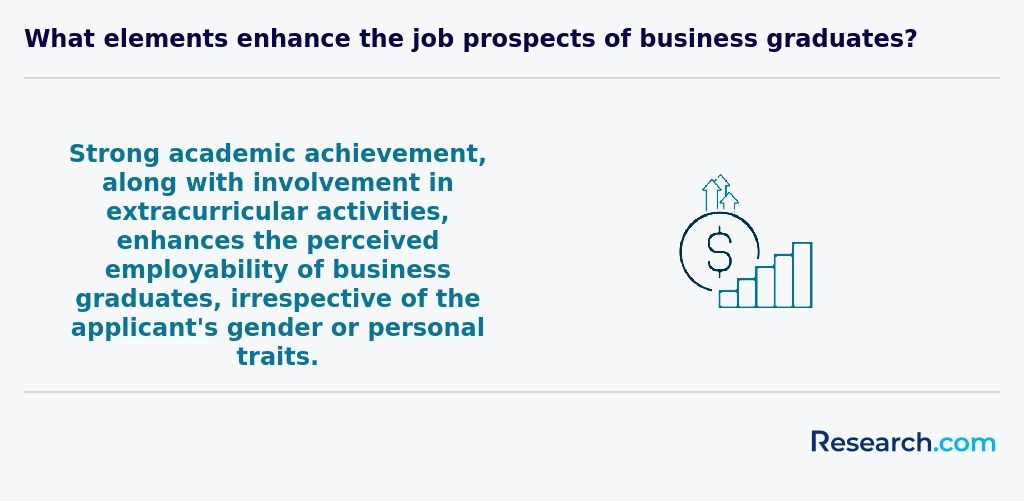
If you're thinking about starting a business degree in Spartanburg, you'll want to know what the basics are before you dive in. Most local schools, like the University of South Carolina Upstate or Spartanburg Community College, expect you to have finished high school or earned a GED. Graduates often mention how having decent grades in subjects like math and English really helped them hit the ground running.
Many programs look for at least a 2.5 to 3.0 GPA, which isn't too scary if you've kept up with your studies. Some students say their SAT scores around 1000-1200 gave their applications a boost, even though some schools are starting to be more chill about test scores. It feels good to know you're meeting those expectations, especially when your personal essay or recommendations highlight your drive for business.
A few other things come into play, too-like taking college prep courses in algebra and geometry or showing you can write well enough for business communication. Transfer students tell me how having college credits or AP classes made the whole process smoother.
What courses are typically in business degree programs in Spartanburg?
If you're looking into a business degree in Spartanburg, expect courses that really hit the essentials like finance, accounting, marketing, management, and economics. Graduates from well-known local colleges often share how their finance classes helped them get comfortable with real-life money moves-think analyzing investments or breaking down corporate budgets. Accounting courses dive into understanding financial statements, which some say was a game-changer when they landed internships in Spartanburg's growing manufacturing scene.
Marketing classes tend to focus a lot on digital stuff-social media strategies and consumer behavior-which is perfect since many local companies are stepping up their online presence. Management courses are all about leading teams and handling everyday challenges, and students often mention that those lessons made them feel more confident managing projects during their capstone experiences.
Plus, business law, ethics, and communication courses help students navigate the legal side and build strong teamwork skills, super useful whether you want to start a business or join a local company in Spartanburg. Electives like supply chain or entrepreneurship add cool options to tailor your degree too.
What types of specializations are available in business degree programs in Spartanburg?
If you're exploring business degree specializations in Spartanburg, you'll find plenty of choices that fit what you're passionate about. Graduates from popular colleges here often mention how specializations like Accounting, Marketing, and Finance really set them up for success, whether they're diving into auditing, digital campaigns, or corporate investment roles. The local vibe in Spartanburg, with its growing business climate, especially pumps up Finance and Supply Chain Management, since industries like automotive manufacturing are big around here.
Many students also love the hands-on feel of a Business Management Degree because it covers leadership skills used daily in real workplaces. Others find Entrepreneurship exciting, dreaming about launching startups with practical know-how they gained on campus. You'll even see niche areas like Business Analytics and International Business popping up in programs, giving you the skills to handle data and global markets confidently.
Spartanburg business degree program options really help you connect studies with local job scenes, so you're not just learning theory but building a future you're excited about.
How do you choose the best business degree in Spartanburg?
Choosing the right business degree in Spartanburg starts with looking at local schools like the University of South Carolina Upstate or Spartanburg Community College. Graduates often say that programs with real-world experiences-like internships or partnerships with local businesses-made learning exciting and helped them land jobs quickly in Spartanburg's thriving economy. Plus, cost matters here: many find that affordable business colleges in Spartanburg keep tuition manageable without sacrificing quality, making it easier to focus on studies and career goals.
Think about what you want to specialize in. With Spartanburg's strong industries, degrees focusing on supply chain, marketing, or management often open doors. Several grads appreciated flexible class schedules, especially if they worked part-time. Don't forget to check if the program is accredited because employers really notice that. Also, peek at graduate success stories for motivation and consider programs offering robust career services.
For those aiming high, knowing which degrees pay well is key, so it helps to explore the top paying master's degree in business to plan your path smartly.
What career paths are available for business degree students in Spartanburg?
If you're thinking about business degree career opportunities in Spartanburg, there's no shortage of exciting paths to explore. Many graduates from local schools like the University of South Carolina Upstate find themselves stepping into management roles at big names like BMW Manufacturing or local retail companies. It's the kind of work where you're running projects, managing operations, or coordinating supply chains-real, hands-on stuff that gets you involved in how businesses actually operate.
Jobs for business graduates Spartanburg also lean heavily into finance and accounting, especially with institutions like BB&T and First Citizens Bank nearby. Graduates often share how satisfying it is to analyze financial trends or help local clients with audits, using skills sharpened during their studies. And for those who are into marketing? The city's retail scene and its new tech startups are hungry for creative minds who can handle everything from digital campaigns to consumer insights.
Plus, if you've got an entrepreneurial spirit, Spartanburg's supportive environment makes launching your own startup feel much more doable. Many grads love the energy from the Chamber of Commerce and local incubators, which really boost small businesses. And if you want to check out options without breaking the bank, take a look at this Cheapest Online Business Degree Programs Ranking in Villanova, PA to explore affordable alternatives that complement Spartanburg's opportunities.
What is the job market for business degree in Spartanburg?
The job market for business degree graduates in Spartanburg is pretty promising, thanks to the city's diverse economy. Many local companies, from big manufacturing firms like BMW to healthcare giants and growing logistics businesses, actively look for grads to fill roles in management, finance, and marketing. For example, graduates from popular Spartanburg colleges often find themselves managing supply chains or helping healthcare systems run smoothly, which makes their skills super valuable around here. This strong mix of industries gives you plenty of options and keeps the demand steady.
What makes Spartanburg even more attractive is how affordable it is to study business locally, with in-state tuition generally lower than the national average. Students from nearby universities often share how this keeps their debt manageable while they prepare for their careers. For those looking to fast-track their education, there's also the top online associate degree in 6 months accredited, which can be a smart stepping stone.
Overall, if you want to explore business degree employment opportunities in Spartanburg, you're stepping into a market that's stable, growing, and full of real possibilities for newcomers ready to dive into roles ranging from finance to logistics.
Frequently Asked Questions About business
Business degree students in Spartanburg can maximize their learning by engaging actively with local industries. Spartanburg has a growing economy with notable sectors like automotive, manufacturing, and logistics, offering practical internship opportunities. Institutions such as the University of South Carolina Upstate and Spartanburg Community College often collaborate with companies like BMW and Michelin, providing students real-world experience.
Networking is crucial; students should participate in local business events and join student organizations focused on entrepreneurship and leadership. Utilizing campus resources, including career counseling and mentoring programs, helps align academic goals with industry demands.
Additionally, embracing internships and cooperative education can improve job prospects, as employers often seek candidates with hands-on experience.
The business field is evolving rapidly, with several emerging niches gaining significant attention. In Spartanburg and across the U.S., areas like data analytics, sustainability management, and digital marketing are becoming crucial for future business leaders.
Data analytics helps companies make informed decisions by interpreting complex datasets. According to the U.S. Bureau of Labor Statistics, jobs in analytics are expected to grow by 25% through 2031.
Sustainability management is also rising as businesses seek to align with environmental goals, reflecting growing demand in industries prominent in Spartanburg, such as manufacturing and logistics. Digital marketing, driven by e-commerce growth, offers vast opportunities for innovation and communication.
These niches represent promising paths for Spartanburg students seeking relevant business expertise.
After earning a business degree in Spartanburg, preparing for the job market involves targeted strategies. Begin by leveraging local resources such as the Spartanburg Area Chamber of Commerce, which connects graduates with internships and networking events. Internships are critical; data shows that 63% of employers in South Carolina prefer candidates with relevant experience (SC Department of Employment and Workforce, 2023).
Students should also develop skills in emerging fields like supply chain management and digital marketing, vital in Spartanburg's growing logistics sector. Utilizing campus career services helps with resume building and interview preparation, increasing job prospects in the competitive business market.
Employers in Spartanburg seek business degree graduates with a strong blend of technical and soft skills. According to the Spartanburg Chamber of Commerce, communication and teamwork rank among the top qualities desired in candidates.
Analytical abilities are crucial, as businesses increasingly rely on data-driven decisions. Proficiency in tools like Excel, financial modeling, and basic understanding of data analytics enhances a graduate's appeal.
Problem-solving skills are also vital, enabling graduates to address local industry challenges effectively. Given Spartanburg's growing manufacturing and logistics sectors, adaptability and project management experience further strengthen job prospects.
Leadership potential remains a key factor, even for entry-level roles, signaling readiness to contribute in dynamic business environments.
Finding internships in Spartanburg relevant to a business degree involves leveraging local resources and industry connections. Spartanburg's growing economy, driven by manufacturing, logistics, and healthcare sectors, provides diverse opportunities for business students. The Spartanburg Chamber of Commerce often posts internship openings and networking events valuable for students.
Nearby institutions, such as the University of South Carolina Upstate and Converse College, offer career centers that connect students with internships in business fields. National platforms like Handshake and LinkedIn, filtered by Spartanburg location, also list local internships. According to the U.S. Bureau of Labor Statistics, internships increase employment chances by 36% post-graduation, making this step crucial for career success.
Obtaining a business degree in Spartanburg significantly enhances career mobility and advancement opportunities. The city hosts diverse industries, including manufacturing, healthcare, and logistics, where employers increasingly seek candidates with formal business education.
According to the U.S. Bureau of Labor Statistics and local economic reports, professionals with a bachelor's degree in business have a 15-20% higher likelihood of promotion compared to those without such credentials. Spartanburg's growing economy, particularly in sectors like automotive and supply chain management, benefits from graduates equipped with skills in management, finance, and marketing.
This education often leads to higher salary prospects and access to leadership roles. Additionally, Spartanburg's educational institutions offer networking events and internship programs tailored to connect students with local employers, further accelerating career growth.
Studying for a business degree in Spartanburg equips students with versatile skills applicable across multiple fields. Local programs emphasize interdisciplinary learning by integrating courses in finance, marketing, management, and communication. This approach mirrors Spartanburg's diverse economy, ranging from manufacturing to healthcare, requiring professionals to adapt to varied roles. According to the Spartanburg Chamber of Commerce, nearly 40% of local businesses seek employees with cross-functional expertise. Additionally, internships and partnerships with regional companies provide practical experience in real-world problem-solving, enhancing collaboration skills. Consequently, students graduate prepared for roles that cross traditional departmental boundaries, essential in today's dynamic work environment.
Choosing between a thesis and a non-thesis business degree in Spartanburg depends largely on your career goals and learning preferences. A thesis program involves conducting original research, which is ideal if you aim to pursue further academic studies or roles requiring strong analytical skills. According to the U.S. Department of Education, thesis options may take longer but deepen research experience.
Non-thesis programs usually focus more on practical coursework and internships, appealing to students wanting to enter Spartanburg's diverse business sectors quickly. Local industries, including manufacturing and healthcare, often favor practical skills gained through applied learning.
Consider faculty expertise, available resources, and your future plans when deciding, as Spartanburg has several colleges offering both options.
Students in Spartanburg seeking to study business abroad have several valuable pathways tied to local institutions. For example, Wofford College and Converse University offer study-abroad programs that include business-focused courses in collaboration with international universities. These programs typically last one semester and allow students to earn credits applicable to their degree. Additionally, many Spartanburg students enrolled at the University of South Carolina Upstate have access to its global business initiatives, which include partnerships in Europe and Asia.
According to the Institute of International Education, U.S. business students participating in study abroad programs represent one of the fastest-growing groups, reflecting strong interest in gaining global business perspectives. Spartanburg's economic focus on manufacturing and logistics also encourages students to seek international experience relevant to these sectors.
Financial aid and scholarships specifically for study abroad vary by institution but often cover partial costs, making these options increasingly accessible. Overall, the availability of structured programs and local institutional support equips Spartanburg-based business students with practical opportunities to enhance their education through international study.
Spartanburg offers various part-time job opportunities that can complement a business degree education effectively. Local retail stores and financial institutions often seek student interns or part-time employees for roles in sales, customer service, and basic accounting. These positions provide practical experience in communication and financial management.
Additionally, Spartanburg's growing logistics sector, due to its proximity to major highways and distribution centers, offers roles in supply chain support and inventory management. Such jobs allow students to understand operational aspects critical to business.
According to the Spartanburg Chamber of Commerce, businesses here value interns who bring academic knowledge into real-world settings. Part-time roles in local marketing agencies or nonprofit organizations also help sharpen skills in project management and digital marketing.
Business students in Spartanburg benefit from various networking opportunities that connect them directly with the local business community. Institutions like the University of South Carolina Upstate and Spartanburg Methodist College often host career fairs, industry panels, and guest lectures featuring regional business leaders.
Spartanburg's growing economy, supported by manufacturing and logistics companies like BMW and Denny's, provides students with internship placements and mentoring programs. The Spartanburg Area Chamber of Commerce also organizes regular events and mixers, allowing students to build professional relationships early in their careers.
Additionally, local organizations such as the Spartanburg Business Leaders group enable students to engage with entrepreneurs and executives, fostering valuable connections in a city that has seen a steady rise in business employment over recent years, according to the U.S. Bureau of Labor Statistics.
Alumni networks play a crucial role for business degree students in Spartanburg by providing valuable connections within the local and regional business community. These networks offer mentorship opportunities, helping students gain insights from experienced professionals who understand the specific economic landscape of Spartanburg, which is known for manufacturing and distribution sectors.
Access to alumni events and job fairs often leads to internships and employment after graduation. According to the Spartanburg Chamber of Commerce, companies in the area prioritize candidates recommended through trusted networks, making alumni connections a significant advantage.
Moreover, alumni can share industry trends and advice tailored to Spartanburg's evolving market, enhancing students' practical knowledge and career readiness. This support helps bridge the gap between academic learning and real-world business challenges.
Customizing a business degree program in Spartanburg allows students to align their education with specific career objectives. Many local institutions offer concentrations such as marketing, finance, management, and entrepreneurship. By selecting relevant electives and minors, students can tailor their skills to in-demand industries within Spartanburg's growing economy. For example, manufacturing and logistics sectors are significant employers, influencing course offerings.
Internships and cooperative education opportunities available through Spartanburg-based businesses provide practical experience and networking advantages. These programs are designed to help students integrate academic learning with real-world applications, boosting employability after graduation.
Additionally, academic advisors play a crucial role in helping students map out a personalized curriculum that reflects their career ambitions and local market trends. Staying informed about Spartanburg's economic data from sources like the Spartanburg Chamber of Commerce can guide students in choosing relevant specializations.
Business students in Spartanburg often face challenges balancing rigorous coursework with practical experience. Many programs emphasize internships and real-world projects, which require time management skills alongside academic responsibilities. According to the U.S. Bureau of Labor Statistics, gaining relevant work experience is crucial for business graduates seeking employment, heightening pressure on students to excel both in class and in practice.
Additionally, some students struggle with navigating rapidly evolving business technologies and digital tools, which are essential in today's job market. Access to up-to-date resources can vary between institutions, affecting learning outcomes.
Financial constraints also pose challenges. Spartanburg's average student loan debt aligns with national figures, requiring careful planning to manage costs while pursuing education.
With a business degree in Spartanburg, graduates can pursue several professional certifications to enhance their career prospects. Popular options include the Certified Public Accountant (CPA) credential, especially for those focusing on accounting. The Project Management Professional (PMP) certification is also valuable for business graduates interested in managing projects across industries.
Other notable certifications include the Certified Management Accountant (CMA) and the Chartered Financial Analyst (CFA) for roles in finance. The Spartanburg business environment, with its growing manufacturing and distribution sectors, often values these credentials, as reported by the Spartanburg Chamber of Commerce. Earning these certifications typically requires passing rigorous exams and meeting experience requirements.
Writing a winning application for a business program in Spartanburg requires clarity, focus, and relevance. Start by researching the specific program's prerequisites and values, as schools like the University of South Carolina Upstate emphasize leadership and community engagement. Strong standardized test scores and a competitive GPA, typically around 3.0 or higher, improve admission chances.
Highlight your professional or volunteer experiences related to business and local markets, referencing Spartanburg's growing economy, which the Spartanburg Area Chamber of Commerce reports has expanded by 4.2% recently. Tailor your personal statement to demonstrate your understanding of regional business trends and your goals within this environment.
Secure strong letters of recommendation from educators or professionals familiar with your leadership and teamwork skills. Also, be mindful of deadlines and complete all application materials accurately to avoid delays.
In today's interconnected world, a business career demands a global perspective. Understanding international markets, cultural differences, and global economic trends is vital for success. For Spartanburg students, studying business locally offers opportunities to engage with global companies operating in the region, such as BMW, which exports vehicles worldwide.
Graduates with global business knowledge often find higher earning potential and broader career options. According to the U.S. Bureau of Labor Statistics, international business roles are expected to grow as companies expand overseas. Spartanburg's educational institutions emphasize global business strategies, preparing students to navigate complex international environments.
Moreover, many business programs incorporate study abroad or international internship options. This experience enhances cross-cultural skills, which employers highly value in the increasingly globalized job market.
Students pursuing a business degree in Spartanburg can gain practical experience through internships and cooperative education programs offered by local colleges. These programs connect students with businesses across Spartanburg's growing sectors, including manufacturing and finance, facilitating hands-on learning and networking opportunities. According to the Spartanburg Chamber of Commerce, over 300 businesses actively participate in internship initiatives supporting student development. Additionally, many institutions encourage involvement in student-run consulting projects that address real-world business challenges in the community. Participating in these activities enhances skills and employability, making practical experience an essential component alongside academic studies in Spartanburg.
Choosing the right concentration within a business degree program in Spartanburg involves considering local industry demands and your career goals. Spartanburg's economy is strong in manufacturing, logistics, and healthcare, suggesting concentrations like supply chain management, operations, and healthcare administration may offer practical advantages.
Research local job postings and labor market data from sources like the South Carolina Department of Employment and Workforce. For example, the area shows steady growth in logistics roles, reflecting Spartanburg's status as a transportation hub with companies like BMW Manufacturing.
Also assess your personal interests and strengths. Business programs often offer concentrations in marketing, finance, or management. Choosing a concentration aligned with job market trends and personal passion can improve job prospects after graduation.
Related Business Rankings for Nearby Cities
- 2027 Best Business Degree Programs Ranking in Macon
- 2027 Best Business Degree Programs Ranking in Savannah
- 2027 Best Business Degree Programs Ranking in Lynchburg
- 2027 Best Business Degree Programs Ranking in Birmingham
- 2027 Best Business Degree Programs Ranking in Montgomery
- 2027 Best Business Degree Programs Ranking in Louisville
- 2027 Best Business Degree Programs Ranking in Virginia Beach
- 2027 Best Business Degree Programs Ranking in Gainesville
- 2027 Best Business Degree Programs Ranking in Arlington
- 2027 Best Business Degree Programs Ranking in Washington
Top Trending Business Rankings
See What Experts Have To Say About Studying Business
Read our interview with Business experts

David Souder
Business Expert
Senior Associate Dean for Faculty and Research
Michigan State University

Ingrid S. Greene
Business Expert
Clinical Assistant Professor of Management
Loyola Marymount University


References
- Career Goals: 17 Inspirational Examples for you in 2026 https://www.imd.org/blog/learning-and-development/career-goals/
- Workforce | OneSpartanburg, Inc. https://www.onespartanburginc.com/workforce/
- Business Administration (B.A.S.) - USC Upstate https://uscupstate.edu/programs/business-administration-2/
- Online Associate In Arts Business - Spartanburg Methodist College https://www.smcsc.edu/academics/spartanburg-methodist-college-online-degree-programs/associate-business/
- Know more about thesis vs non- thesis: what is the difference? https://studyfans.com/en/blogs/816
- Online Bachelor of Applied Science Business Administration Degree - USC Upstate https://online.uscupstate.edu/degrees/undergraduate/bachelors-business-administration/
- The Biggest Challenges for Business School Students | EU Business School https://www.euruni.edu/blog/the-biggest-challenges-for-business-school-students/
- Online and Traditional Business Degrees Comparison | Free Essay Example https://studycorgi.com/online-and-traditional-business-degrees-comparison/
- Finding Networking Opportunities as a Student | National Society of High School Scholars https://www.nshss.org/resources/blog/blog-posts/how-to-find-networking-opportunities-as-a-student/
- Graduate careers advice: you and your business and management studies degree https://gradireland.com/careers-advice/business-consulting-and-management/graduate-careers-advice-you-and-your-business-and-management-studies-degree