2027 Best Business Degree Programs Ranking in New York

Co-Founder and Chief Data Scientist
Choosing the right business degree program in New York can be challenging. This article offers valuable insights with the 2027 Best Business Degree Programs Ranking in New York, created by the Research.com team of data scientists. Their expert analysis helps you identify the top programs that align with your goals.
Reading this guide empowers you to make an informed decision and invest in a degree that opens doors to exciting career opportunities. A business degree can be a rewarding step toward professional growth and personal fulfillment.
Key benefits of getting business degree in New York
- Salary for business degree graduates: Graduates can expect rewarding salaries, like Business Analysts earning a mean annual wage of $112,950 and Business Development Executives making about $83,190 yearly, reflecting strong earning potential in New York.
- Career paths: A business graduate from a well-known New York college often pursues diverse roles, from business analysis to executive positions, benefiting from the city's dynamic corporate environment and networking opportunities.
- Online degree benefits: Online business degrees offer flexible schedules and reduce commuting stress, allowing graduates from New York to balance work and studies easily while gaining the same valuable skills as traditional programs.
- Key benefits of getting business degree in New York
- What can I expect from business degree in New York?
- Where can I work with business degree in New York?
- How much can I make with business degree in New York?
- 2027 Best Business Degree Programs Ranking in New York
- Key Findings
- How long does it take to complete business degree in New York?
- Most Affordable Business Schools in New York
- What's the difference between online and on-campus business degree?
- Return on Investment (ROI) of Business Degrees in New York
- What is the average cost of business degree in New York?
- Accelerated MBA Programs: Fast-Track Your Business Career in New York
- What financial aid is available to business degree students in New York?
- Emerging Trends and Future Outlook in Business Education
- What are the prerequisites for enrolling in business degree program in New York?
- What courses are typically in business degree programs in New York?
- What types of specializations are available in business degree programs in New York?
- How do you choose the best business degree in New York?
- What career paths are available for business degree students in New York?
- What is the job market for business degree in New York?
- Related Business Rankings for Nearby States
- Top Trending Business Rankings
- See What Experts Have To Say About Studying Business
What can I expect from business degree in New York?
The average cost of pursuing a business degree in New York can feel like a significant investment, but it's far from a simple number. Graduates from schools like NYU's Stern School of Business often report tuition figures that reflect private university rates-typically tens of thousands per year-yet many also benefit from robust financial aid packages that dramatically alter the final cost. In contrast, students attending public institutions within the state might pay considerably less, especially if they qualify for in-state tuition, making the path more accessible without compromising quality.
Consider the experience of a recent graduate who managed to secure internships at leading financial firms in Manhattan while balancing tuition challenges. Their exposure to real-world opportunities, coupled with competitive tuition at a public school, made their investment worthwhile. For many, the decision to study business in New York isn't just about tuition numbers but about leveraging the city's vast economic ecosystem-a chance to transform cost into opportunity through networking and hands-on experience.
Where can I work with business degree in New York?
A business degree in New York is more than a ticket to Wall Street-though many graduates do find rewarding roles in finance, investment banking, or as financial analysts amid the city's iconic skyline. Graduates from institutions like NYU's Stern School of Business often share how their internships at major banks or boutique firms transformed abstract classroom theories into pulse-quickening real-world challenges.
Yet, the journey doesn't stop there. Business graduates from Columbia or Baruch College discover opportunities in bustling marketing teams at companies such as Macy's or NBCUniversal, where creative strategy meets tangible growth targets. The state's thriving tech hubs in Manhattan and Brooklyn provide fertile ground for emerging project managers and analysts shaping the next wave of innovation, often lauded for their ability to bridge business savvy with cutting-edge technology.
Health administration roles in New York's expansive medical networks and nonprofit sectors also invite capable managers to make impactful decisions that affect thousands. This diverse employment landscape offers business students a chance to align their passions with professions that excite and challenge beyond the usual corporate narratives.
How much can I make with business degree in New York?
Graduates from business programs at institutions like NYU Stern or Columbia Business School often see their efforts translate into substantial earnings. For example, business analysts in New York frequently earn a mean annual wage of around $112,950, reflecting the high value placed on analytical skills in this competitive market.
Even entry-level roles can defy expectations. While many anticipate modest salaries, data show that business development executives in New York make approximately $83,190 annually. This challenges the idea that early-career wages are simply a stepping stone without real financial weight. Instead, these roles provide a significant foundation for growth.
The New York business landscape, rich with opportunities in finance, tech, and marketing, motivates graduates to push beyond conventional salary ceilings. Earning potential here isn't just about numbers; it's about access to networks, mentorship, and the prestige of studying at top colleges that amplify your market value.
One graduate shared that landing a business analyst job after finishing their degree at a renowned NYC college felt validating-not just for the salary but for confirming their readiness to thrive in a demanding, fast-paced environment.
2027 Best Business Degree Programs Ranking in New York
How do we rank schools?
Investing in your education is a significant decision that can shape your professional future, and the Research.com team recognizes the importance of making informed choices. To support prospective students in New York, we have carefully developed the "2027 Best Business Degree Programs Ranking in New York." Our dedication to quality, credibility, and accuracy is demonstrated through thorough research and detailed analysis behind this ranking.
We utilized the following reputable data sources to ensure a comprehensive evaluation of business degree programs:
By consulting this ranking, readers will receive valuable insights into the best business degree programs available in New York, empowering them to make well-informed decisions about their educational and career paths. For more information about how this ranking was created, please visit our Research.com methodology page.


Key Findings
- Tuition for business bachelor's degrees in New York ranges from about $10,000 to $30,000 per year for in-state students, and can exceed $40,000 annually at private schools.
- Entry-level salaries for business graduates typically range from $50,000 to $65,000 annually, with those holding master's degrees or MBAs often starting above $80,000.
- Experienced business professionals in New York can earn $100,000 or more, with higher salaries commonly found in New York City compared to upstate areas.
- Key industries hiring business graduates include finance, banking, insurance, consulting, technology, and media.
- Growing demand exists for skills in data analytics, digital marketing, and financial services within New York's diverse economy.
How long does it take to complete business degree in New York?
Completing a business degree in New York isn't simply about clocking four years or two. At schools like Baruch College or NYU Stern, graduates often find that the timeline is deeply personal, shaped by whether they choose full-time studies or balance part-time programs alongside demanding careers. One graduate from a community college in Queens shared how completing an associate degree in two years allowed a quick entry into the workforce, fueling enthusiasm and practical experience.
Meanwhile, MBA candidates in Manhattan face different rhythms-some accelerated programs wrap up in a year, igniting a burst of motivation and opportunity, while others stretch over three or four years part-time, reflecting the realities of busy lives. Doctoral candidates at institutions like Columbia grapple with even longer journeys, where persistence and passion for research redefine the pace.
Deciding "how long" is less about averages and more about fitting the degree into your lifestyle, ambitions, and obligations in New York's high-energy environment.
Most Affordable Business Schools in New York
. When considering the cost of pursuing a business degree in New York, it's essential to weigh the financial investment against the potential return. For many students, affordability is a crucial factor in deciding which business school to attend. Fortunately, New York offers a range of options, from public universities to private colleges, each with its own pricing structure. To find the most affordable business schools, students can explore options like affordable business programs in New York, which provide a comprehensive overview of the costs associated with different institutions. By understanding the financial landscape, prospective students can make informed decisions that align with their budget and career aspirations, ultimately leading to a successful and fulfilling educational journey in the heart of New York's vibrant business scene.
What's the difference between online and on-campus business degree?
Choosing between an online and on-campus business degree in New York isn't just about convenience versus tradition; it's about how you envision your educational journey shaping your future. Graduates from institutions like Baruch College often rave about the energy of face-to-face collaboration-those spontaneous hallway chats with professors or peers spark ideas that textbooks alone can't ignite. Meanwhile, online learners at schools such as Pace University appreciate the freedom to study amidst their dynamic city lives, juggling internships in Manhattan or family commitments with coursework.
One graduate recalled how attending on-campus classes led to unexpected networking at campus events, which later opened doors in finance firms. Another described mastering self-discipline through an online format, thriving with digital group projects and flexible pacing. Often, the distinction lies in experience: in-person programs cultivate immediate connections and structured environment, while online courses foster independence and adaptability-both traits prized in New York's competitive business scene.
Cost differences add another layer. Public institutions in New York offer in-state tuition around $10,000 yearly, while private colleges average $35,000. Online programs often reduce extra expenses like commuting, making education more accessible without sacrificing quality. This evolving landscape challenges the notion that only on-campus education can deliver value in business training.
Return on Investment (ROI) of Business Degrees in New York
A detailed ROI analysis helps prospective students weigh tuition costs against long-term earning potential, ensuring an informed investment in their future. On average, a four-year bachelor’s degree in New York carries tuition between $50,000 and $200,000 at private institutions and $30,000 to $60,000 at public colleges. With entry-level salaries averaging $55,000 and median mid-career earnings around $90,000, graduates often recoup their tuition investment within 3 to 5 years. Key factors influencing ROI:
- Tuition vs. Earnings: Compare total program cost-including fees and living expenses-to post-graduation salaries. A Project Manager salary of $80,220 and a Business Analyst salary of $108,790 support a strong payback timeline.
- Payback Period: Calculated by dividing total educational investment by annual net income increase. For instance, a $100,000 total cost offset by a $30,000 annual salary boost suggests a 3.3-year payback.
- Opportunity Cost: Factor in forgone earnings if studying full-time versus working, and consider accelerated or part-time paths that blend work and study.
- Return Multiplier: A business degree yielding a 200%+ increase over a high school diploma salary underscores substantial lifetime gains. For students seeking lower-cost alternatives without compromising quality, explore the regional comparison in this Inexpensive Online Business Degree Programs Ranking in New Jersey, which highlights affordable online options that may further enhance ROI.
What is the average cost of business degree in New York?
Understanding the average cost of a business degree in New York reveals a more nuanced reality than simple sticker prices might suggest. While the median total cost hovers around $49,724, this figure varies significantly based on where and how you study. Graduates from public universities like SUNY often share how in-state tuition provides a more affordable path, with median in-state total costs closer to $34,360. For many, this makes a substantial difference in managing the total expenses for business degree New York students face.
Private institutions, including renowned business schools in New York City, can push costs much higher. Still, numerous graduates express that this investment often aligns with rich networking opportunities and prestige that boost future earnings. Conversely, students beginning at community colleges appreciate the chance to keep initial costs low, giving themselves flexibility before transferring to a four-year program.
Beyond tuition, real-life experiences highlight how living expenses, textbooks, and fees quickly add to the budget in New York. The journey of pursuing a business degree here carries unique financial challenges but also rewards, especially when financial aid and scholarships come into play. Exploring affordable business programs in New York can reveal unexpected savings and help students maximize value.

Accelerated MBA Programs: Fast-Track Your Business Career in New York
New York’s leading business schools now offer accelerated MBA pathways that condense rigorous graduate-level coursework into as little as 9–12 months, allowing driven professionals to enter leadership roles faster and with lower overall tuition costs. These intensive formats blend core subjects-such as strategic management, finance, and marketing analytics-with immersive, hands-on experiences like consulting projects, international study tours, and executive mentorship. By completing an MBA in under a year, candidates can realize a quicker return on investment through earlier salary boosts and promotion opportunities in New York’s competitive corporate landscape. Key advantages of accelerated MBA programs:
- Shorter time to graduation: Complete 30–45 credits in one academic year versus two years, translating to substantial savings on living expenses and fees.
- Immediate career impact: Focused capstone engagements and industry partnerships connect students directly with Fortune 500 recruiters, venture capital firms, and nonprofit boards.
- Flexible formats: Many institutions offer weekend-intensive or hybrid schedules, perfect for professionals balancing work, family, and studies. Top accelerated MBAs in New York distinguish themselves by high graduate employment rates-often exceeding 90% within three months-and exceptional salary growth, with average post-MBA earnings ranging from $120,000 to $150,000. Ideal candidates are those with 3–7 years of professional experience, clear leadership potential, and a desire for rapid advancement. Admissions criteria typically include a competitive GMAT/GRE score, demonstrated workplace achievements, and a concise career goal statement. For a curated list of New York’s most time-efficient graduate business programs, explore our overview of the fastest mba programs, complete with program lengths, tuition comparisons, and early-career outcome metrics.
What financial aid is available to business degree students in New York?
Many business students in New York discover that navigating financial aid is less daunting when they tap into the layered support available. Federal aid like Pell Grants can cover a significant chunk of expenses, offering up to $7,395 annually, which helped numerous graduates at CUNY manage their tuition without overwhelming debt. Outside the federal sphere, New York's Tuition Assistance Program (TAP) provides up to $5,665 yearly for residents attending local schools, giving students at SUNY Albany a crucial financial boost.
Some students share how merit scholarships at Baruch College's Zicklin School of Business became their game-changer, affirming the value of strong academic and leadership records. Work-study opportunities also are embraced by many, blending part-time jobs with real-world business experience that not only pay bills but build résumés.
Beyond campus, private scholarships from groups like the New York State Society of CPAs open doors to further aid, making the journey to a business degree feel more achievable and less isolating for those driven to succeed.
Emerging Trends and Future Outlook in Business Education
The landscape of business education in New York is rapidly evolving to keep pace with technological advancements and global market shifts. Institutions are increasingly integrating digital tools, data analytics, and sustainable business practices into their curricula to ensure graduates are equipped for the challenges of tomorrow. This forward-thinking approach not only enhances classroom learning but also prioritizes real-world skills that align with the demands of modern employers. In today's competitive environment, students are encouraged to explore innovative study paths that offer flexibility alongside a robust academic foundation. For example, programs are now emphasizing experiential learning through virtual internships, collaborative projects with industry leaders, and access to cutting-edge research labs. These initiatives reflect a commitment to preparing students for roles in digital transformation, fintech, and strategic management within diverse business sectors. Moreover, with global connectivity on the rise, many universities in New York are fostering international partnerships and exchange opportunities. This exposure gives students a broader perspective on multicultural business practices and emerging trends across borders. For additional insights on navigating the evolving educational terrain, consider exploring the easiest Business degrees as a starting point for flexible and innovative academic choices. Staying informed about these emerging trends not only helps prospective students make strategic decisions but also prepares them to thrive in an ever-changing business world. Embracing digital innovation, sustainability, and global perspectives will be key to unlocking new opportunities and achieving long-term career success.
What are the prerequisites for enrolling in business degree program in New York?
In New York, the path to enrolling in a business degree demands more than just ticking boxes-it asks you to prove readiness amid fierce competition. Graduates from renowned institutions like Baruch College or NYU often reflect on how their strong high school GPA, typically above 2.5, set the stage for acceptance. But it's not merely academics; many recall the challenge of demonstrating a well-rounded profile, blending SAT or ACT scores with compelling personal statements and recommendation letters that made their applications stand out.
For those aiming at graduate programs such as an MBA, the journey intensifies. Holding a bachelor's degree with a GPA close to 3.0 and navigating the GMAT or GRE testing landscape becomes critical, though some schools embrace flexible testing policies, easing the pressure.
What truly shapes success, many grads affirm, is the emphasis on practical experience-internships forged in New York's bustling financial districts provide invaluable insights and connections. This blend of academic achievement and real-world readiness captures the essence of what it means to qualify for a business degree in this dynamic city.

What courses are typically in business degree programs in New York?
Graduates from business programs at renowned New York institutions often recall the impact of courses like Principles of Management, where they first navigated complex theories of leadership and organizational behavior that directly apply to managing teams in the city's fast-paced firms. Financial and Managerial Accounting classes stand out as game-changers, teaching students to decipher real financial statements-an essential skill for anyone aiming to thrive in Manhattan's competitive financial sector.
Marketing Fundamentals courses invite students to analyze consumer behavior in diverse markets, reflecting the city's unique cultural and economic landscape. Business Law classes consistently surprise students with critical insights into regulations shaping New York's commercial environment, revealing the legal backbone behind business decisions.
Economics and Operations Management ground students in understanding market forces and efficient supply chains, skills that graduates frequently connect to real-world projects during their internships at local companies, preparing them for the city's challenging but rewarding business landscape.
What types of specializations are available in business degree programs in New York?
Business degree specializations in New York are far from one-size-fits-all; they are a reflection of the state's multifaceted economy. Students at universities like NYU or Baruch College find themselves immersed in programs where finance dominates, given New York City's global status as a financial hub. These graduates often recall internships on Wall Street, where theoretical principles meet high-stakes reality, sparking excitement and ambition. Yet, others pursue marketing, where New York's vibrant cultural tapestry provides rich ground for brand exploration and consumer insights, fueling creativity and strategic thinking.
The best business majors in New York programs don't just stop at traditional tracks. Entrepreneurship specializations empower students to transform innovative ideas into tangible ventures, reflecting the city's startup energy. Management and supply chain management prepare learners for leadership in varied industries from Manhattan boardrooms to logistics firms in Brooklyn. For those drawn to global connections, international business offers engagement with cross-border trade and multicultural team dynamics. This landscape challenges students to envision business beyond local borders, grounded in the city's pulse.
Many graduates recommend considering the easiest Business degrees as a stepping stone to tailor a unique path that fits individual goals and a competitive market. These diverse options illustrate why understanding business degree specializations in New York is crucial for making informed, future-ready decisions.
How do you choose the best business degree in New York?
Choosing the best business degree in New York goes beyond just brand names or tuition costs. Graduates from top programs like New York University or Columbia often highlight how aligning your degree with local industry strengths-finance, entrepreneurship, or technology management-shaped their career trajectory. Instead of following the crowd, ask yourself: does the curriculum provide hands-on experience in New York's vibrant business ecosystem? Several students recall internships secured through city-wide partnerships that felt like turning points, proving that networking in this urban hub is as crucial as academics.
Affordability matters too; comparing affordable business degrees New York offers can reveal surprising options that don't sacrifice quality. Consider how some undergraduates maximized in-state public universities' lower tuition rates while accessing AACSB-accredited programs. Also, if speed matters, exploring the fastest mba programs can offer both intensity and flexibility without prolonged financial strain.
Finally, listen to alumni stories about faculty engagement and small class sizes-they often describe these elements as the heart of their success. Choosing wisely means stepping off the beaten path and embracing what truly fits your ambitions in New York's dynamic business landscape.
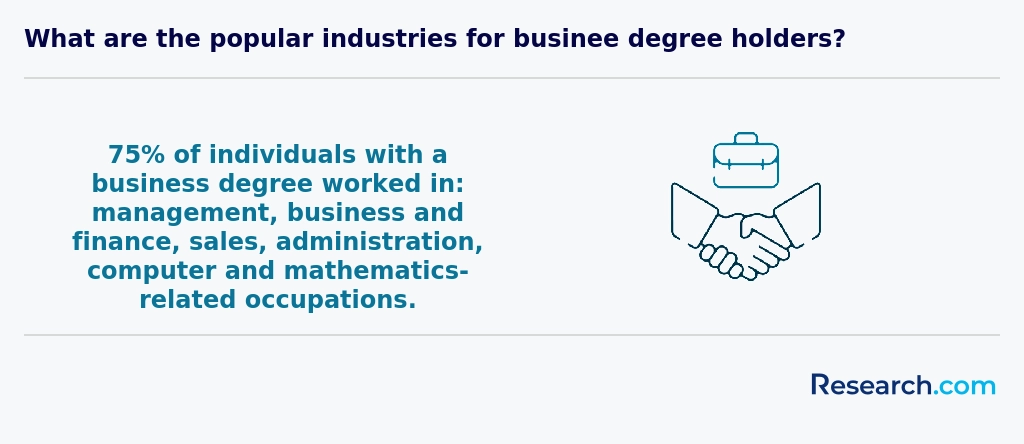
What career paths are available for business degree students in New York?
Graduates with a business degree in New York find themselves at the crossroads of opportunity and ambition, where the city's dynamic economic landscape molds distinct career paths. From finance to entrepreneurship, a degree from prestigious institutions like NYU Stern or Columbia Business School opens doors to roles such as investment analysts on Wall Street or brand strategists in Manhattan's media firms. These careers aren't just jobs-they reflect the real experiences of graduates thriving amid New York's energy and competitive spirit, embodying the promise embedded in business degree career opportunities in New York.
Many graduates discover that consulting roles provide a unique way to influence top firms, while others dive into data analytics, tapping into cutting-edge business intelligence that reshapes industries. The ever-evolving job market keeps students at schools like Baruch College challenged to adapt and innovate. For those mindful of investment, exploring options like the Inexpensive Online Business Degree Programs Ranking in New Jersey shows a strategic approach to affordability without sacrificing prospects. New York business degree job prospects extend beyond tradition, inviting students to envision futures they create.
What is the job market for business degree in New York?
The job market for business degree holders in New York offers not just opportunity but a unique challenge fueled by the city's dynamic economy and its status as a major financial hub. Graduates from well-known institutions like NYU Stern or Baruch College often find themselves navigating a competitive landscape where starting salaries in finance and consulting can range from $65,000 to $85,000, reflecting both the high expectations and rewards of this market. Many report that real-world internships and networking events are critical stepping stones to landing roles in prestigious firms headquartered here.
Employment opportunities for business graduates in New York span finance, tech startups, healthcare management, and media, underscoring the city's diverse economic fabric. Living costs are formidable, yet graduates often find that the premium wages and rich professional connections compensate for the expense. For students weighing options beyond traditional degrees, exploring top paying 6 month certificate programs can be a strategic move to quickly enter this vibrant market.
Frequently Asked Questions About business
Business degree students in New York can maximize their learning experience by engaging with the city's diverse economic environment. New York hosts over 200,000 business establishments according to the U.S. Census Bureau, providing numerous internship and networking opportunities. Students should actively seek internships with leading firms in finance, technology, and media to gain practical skills alongside academic knowledge.
Additionally, leveraging connections with alumni networks and attending local business events can enhance professional growth. Utilizing resources such as the New York State Department of Labor's reports can guide students on trending industries and in-demand skills.
Participating in experiential learning programs and seeking mentorship are also crucial for building real-world expertise.
The business field is evolving rapidly, with several emerging niches gaining traction in New York. One notable area is sustainability management. Businesses here increasingly seek professionals capable of integrating eco-friendly practices, driven by New York State's commitment to reducing carbon emissions by 85% by 2050, according to the New York State Energy Research and Development Authority. Another growing niche is fintech, fueled by New York City's position as a global financial hub. Expertise in blockchain, digital payment systems, and cybersecurity is highly sought after. Additionally, data analytics and artificial intelligence continue to reshape decision-making processes across industries, creating a strong demand for business professionals skilled in these technologies.
After completing a business degree in New York, preparing for the job market involves several strategic steps. New York is a hub for finance, marketing, and entrepreneurship, with a 6% projected employment growth in business and financial operations through 2030, according to the U.S. Bureau of Labor Statistics. Building a strong professional network is crucial; students should attend industry events and leverage university career centers, which often provide internships and job placement services.
Gaining relevant work experience through internships or part-time roles increases employability. New York's diverse business environment also rewards proficiency in digital skills, data analysis, and communication.
Employers in New York increasingly seek business degree graduates with strong analytical and communication skills. According to the New York State Department of Labor, proficiency in data analysis and financial literacy ranks high among the top skills needed in the city's competitive job market.
Critical thinking and problem-solving are also essential, as they help graduates navigate complex business environments. Additionally, teamwork and leadership capabilities are highly valued, reflecting the collaborative nature of New York's diverse industries.
Digital proficiency, particularly in software like Excel, CRM tools, and business intelligence platforms, is frequently requested. The Business Council of New York State emphasizes adaptability and cultural awareness as important traits for sustainable career growth in the region.
Finding internships in New York relevant to a business degree involves leveraging multiple resources. Many universities, such as New York University and Columbia University, offer career centers that connect students with local businesses in finance, marketing, and management. According to the New York State Department of Labor, sectors like finance and professional services represent over 30% of the city's employment, providing numerous internship opportunities.
Online platforms, including Handshake and LinkedIn, are vital for discovering internships tailored to business majors. Additionally, networking through events hosted by business associations like the New York Chamber of Commerce can increase access to unadvertised roles.
Applying early and tailoring resumes to specific industries popular in New York, such as banking, consulting, and startups, improves success rates. Companies often seek interns with strong analytical and communication skills, which are emphasized in most business programs.
In New York, a business degree significantly enhances career mobility and advancement opportunities. According to the U.S. Bureau of Labor Statistics (BLS), employment in business and financial occupations in New York is projected to grow by 7% from 2022 to 2032, faster than the average for all occupations. Holding a business degree equips graduates with essential skills in management, finance, and marketing, making them competitive for promotions and leadership roles.
Many top firms in New York, including those in finance and technology, prefer candidates with formal business education. Additionally, networking opportunities through New York's universities often lead to valuable industry connections, further improving career progression chances.
Studying for a business degree in New York provides strong preparation for interdisciplinary roles by integrating diverse fields such as finance, technology, marketing, and data analytics. Many New York institutions, including top-ranked universities, emphasize experiential learning and real-world projects that connect multiple disciplines.
New York's position as a global financial hub means students engage with industries like finance, media, and healthcare, fostering cross-sector collaboration skills. According to the New York State Department of Labor, business occupations in the region are expected to grow by 8% by 2030, highlighting demand for versatile professionals.
Programs often encourage partnerships with tech startups and nonprofits, enhancing adaptability and problem-solving across sectors. This approach equips students to navigate complex business challenges requiring knowledge beyond traditional business functions.
Choosing between a thesis and a non-thesis business degree program in New York depends on your career goals and learning preferences. Thesis programs often suit students interested in research, academia, or specialized roles, requiring a substantial research project. Non-thesis options focus more on practical skills and coursework, appealing to those aiming for immediate industry employment.
In New York, many top business schools offer both paths, allowing flexibility. According to the National Center for Education Statistics, about 40% of business master's graduates in New York prefer coursework-only formats for faster completion.
Consider factors like time commitment-thesis programs may take longer-and whether you want to develop research skills or practical management expertise.
Students based in New York interested in studying business abroad have several pathways supported by their home institutions and the U.S. higher education system. Many New York universities, such as NYU and Columbia, offer exchange programs with partner schools in Europe, Asia, and Latin America, allowing students to gain international experience without extending their degree length. According to the Institute of International Education (IIE), nearly 15% of New York business undergraduates participate in study abroad programs, notably in countries like the UK, Spain, and China.
These programs often include tuition reciprocity, helping students manage costs while accessing global business perspectives.
Additionally, internships abroad linked with study programs provide practical exposure to international markets, enhancing employability in New York's competitive business environment, which was ranked among the top five U.S. metro areas for business activity by the U.S. Bureau of Economic Analysis in 2023.
New York offers diverse part-time job opportunities that complement business degree education by providing practical experience and networking prospects. Students often find roles in retail management, customer service, and administrative assistance within New York's robust commerce sector. According to the New York State Department of Labor, jobs in finance and insurance represent a significant share of the city's economy, making internships or part-time positions in banks and financial institutions especially valuable.
Additionally, the city's thriving startup scene offers opportunities in marketing, sales, and project coordination. These roles enable students to develop skills directly applicable to business studies. According to the Manhattan Chamber of Commerce, over 240,000 small businesses operate in the city, creating numerous entry-level openings. Such positions help reinforce theoretical knowledge gained in coursework and improve career readiness without interfering with academic commitments.
New York offers abundant networking opportunities for business students due to its status as a global financial and commercial hub. Many universities, including NYU Stern and Columbia Business School, host regular events where students connect with industry leaders, alumni, and recruiters.
Students benefit from access to conferences, career fairs, and workshops often sponsored by the city's numerous financial institutions, startups, and multinational corporations. According to the New York State Department of Labor, the metropolitan area ranks in the top five for business-related internships, which are key for networking.
Additionally, professional organizations such as the New York Chapter of the American Marketing Association and the Financial Management Association provide members with exclusive networking events and mentorship programs, enhancing professional connections and career prospects.
Alumni networks play a crucial role in supporting business degree students in New York. They provide valuable connections to established professionals across industries such as finance, marketing, and entrepreneurship. According to the New York State Business Council, about 85% of job placements for recent graduates are influenced by networking opportunities. These networks often offer mentoring programs, internships, and exclusive job listings specifically tailored to business students.
Through events and online platforms, alumni can guide students on career paths and share insights about the competitive New York market. Additionally, strong alumni ties can enhance access to funding or partnerships for startups within the state's dynamic business ecosystem.
Customizing a business degree program in New York often begins by selecting a specialization aligned with your career goals, such as finance, marketing, or entrepreneurship. Many New York colleges offer flexible majors and minors, allowing students to tailor coursework to industry needs.
Internships play a crucial role in customization. New York's vast business ecosystem provides ample opportunities for real-world experience, which enhances learning and improves job prospects.
Additionally, students can choose elective courses focused on emerging areas like data analytics or sustainable business practices, reflecting current market trends highlighted by the New York Department of Labor.
Networking events and partnerships with local companies further support personalized career development within these programs.
Business students in New York often face high living and tuition costs, with the average annual expense for in-state tuition exceeding $10,000 and living expenses in New York City reaching over $20,000 per year, according to the College Board. This financial strain leads many students to balance rigorous coursework with part-time jobs, impacting their academic performance. Additionally, the competitive nature of business programs in New York, home to major financial hubs, creates pressure to secure internships and network effectively. Time management becomes challenging as students juggle demanding classes, work commitments, and professional development opportunities.
New York's diverse student population also means navigating cultural differences and adapting to varied learning styles can be demanding. Furthermore, the complexity of New York's business regulations and market dynamics adds an extra layer of difficulty for students seeking real-world application in their studies. These challenges require strong resilience and proactive support from academic institutions.
With a business degree in New York, graduates can pursue several respected professional certifications that enhance career opportunities. Popular options include the Certified Public Accountant (CPA), ideal for those interested in accounting and finance roles. New York State requires 150 credit hours and passing the Uniform CPA Exam.
The Certified Management Accountant (CMA) is another valuable certification, focusing on financial management and strategy. The Institute of Management Accountants reports that CMAs earn 38% more on average than non-certified peers.
Many business graduates also consider the Project Management Professional (PMP) credential, which is widely recognized across industries. This certification demonstrates expertise in managing projects efficiently.
Additionally, the Chartered Financial Analyst (CFA) designation appeals to those pursuing investment and portfolio management careers. The CFA Institute notes growing demand for CFA charterholders in New York's financial sector.
Writing a winning application for a business program in New York requires clear focus and preparation. Start by thoroughly researching each program's offerings and values, as top schools in New York, such as NYU Stern and Columbia Business School, emphasize leadership and innovation in their applicants. Highlight your academic achievements, relevant work experience, and concrete examples of leadership or teamwork.
Attention to your personal statement is crucial; it should reflect your career goals and why a New York business degree fits those plans. According to U.S. News, emphasizing understanding of the city's dynamic business environment can strengthen your application. Include strong letters of recommendation from professionals who know your skills well. Finally, ensure your resume is concise, up-to-date, and tailored to business roles common in New York's finance and tech sectors.
Global perspectives on a business career emphasize the importance of adaptability and cultural awareness, traits highly valued in New York's diverse economy. The U.S. Bureau of Labor Statistics notes that business-related occupations in New York are projected to grow by about 5% from 2022 to 2032, reflecting steady demand. Employers increasingly seek graduates familiar with international markets and digital innovation, aligning with New York's role as a global financial hub. According to the New York State Department of Labor, finance and management occupations are among the fastest-growing sectors, requiring skills suited for global competition. Understanding global business trends enhances career opportunities locally and abroad.
Gaining practical experience while studying for a business degree in New York is vital for career success. Many universities offer internships with local firms, giving students hands-on exposure to industries like finance, marketing, and consulting. According to the National Association of Colleges and Employers, nearly 65% of New York business students complete internships before graduating.
Students can also participate in cooperative education programs, blending classroom learning with paid work experience. Additionally, business competitions and consulting projects sponsored by schools provide opportunities to solve real-world problems.
Networking events and career fairs hosted by New York institutions help students connect with potential employers and industry leaders.
Choosing the right concentration within a business degree program in New York depends on your career goals and the local industry landscape. New York's economy is diverse, with strong sectors including finance, media, technology, and healthcare, according to the New York State Department of Labor. Specializing in finance or accounting can be advantageous due to the city's position as a global financial hub.
Alternatively, concentrations like marketing or supply chain management suit those interested in emerging tech startups or retail, both growing fields in the region. Reviewing course offerings and internship opportunities aligned with New York's market is essential.
Consider also your personal interests and strengths alongside salary trends; for example, finance roles in New York offer average salaries above $80,000 per year per the Bureau of Labor Statistics. Finally, talk to advisors and alumni to gain insight into program strengths and employment outcomes in your chosen concentration.
Related Business Rankings for Nearby States
- 2027 Best Online Business Degree Programs Ranking in New Jersey
- 2027 Best Online Business Degree Programs Ranking in Pennsylvania
- 2027 Best Online Business Degree Programs Ranking in Massachusetts
- 2027 Best Online Business Degree Programs Ranking in Vermont
- 2027 Best Online Business Degree Programs Ranking in Maryland
- 2027 Best Online Business Degree Programs Ranking in Ohio
- 2027 Best Online Business Degree Programs Ranking in Virginia
- 2027 Best Online Business Degree Programs Ranking in Maine
- 2027 Best Online Business Degree Programs Ranking in West Virginia
- 2027 Best Online Business Degree Programs Ranking in North Carolina
Top Trending Business Rankings
See What Experts Have To Say About Studying Business
Read our interview with Business experts


David Souder
Business Expert
Senior Associate Dean for Faculty and Research
Michigan State University

David W. Stewart
Business Expert
Emeritus President's Professor of Marketing
Loyola Marymount University

References
- 8 Best Places to Study Abroad for Business [+ How to Choose] https://www.semesteratsea.org/study-abroad-for-business/
- Undergraduate Business Major Prerequisites | OnlineMBA.com https://www.onlinemba.com/resources/undergraduate-business-major-prerequisites/
- How to Identify Profitable Business Niches: A Guide for ... https://www.invoiceonline.com/the-entrepreneur-s-handbook/entrepreneurship/business-strategy/how-to-identify-profitable-business-niches-97365
- Know more about thesis vs non- thesis: what is the difference? https://studyfans.com/en/blogs/816
- 1. Online registration https://moderna.edu.pl/majors/management/bachelor-of-management/business-management/
- facebook https://www.ienyc.edu/applying-to-ienyc/tuition-and-financial-aid/
- New York Financial Aid | College Fair Guide https://www.collegefairguide.com/state-financial-aid/new-york-financial-aid
- 5+1: Five challenges facing business schools and one solution https://charteredabs.org/insights/opinion/51-five-challenges-facing-business-schools-and-one-solution
- 6 best courses to study abroad for international students https://students.studygroup.com/blog/courses-to-study-abroad
- Compare 48 Undergrad + 39 Grad Business Schools in New York https://www.discoverbusiness.us/education/schools/us/new-york/