2027 Best Business Degree Programs Ranking in Abilene

Co-Founder and Chief Data Scientist
Choosing the right business degree program is an important step toward a successful future. This article presents the 2027 Best Business Degree Programs Ranking in Abilene, carefully developed by the Research.com team of data scientists. It aims to help you navigate the many options and make an informed decision.
By exploring this ranking, you'll discover programs that align with your goals and offer strong opportunities. Earning a business degree can open doors to exciting careers and personal growth. Let this guide inspire confidence and clarity on your educational journey.
Key benefits of getting business degree in Abilene
- Business degree graduates in Abilene can expect strong salary prospects, such as a Business Development Executive earning around $83,190 annually and a Business Analyst earning about $112,950 per year.
- Graduates from Abilene's popular universities often find diverse career paths in management, analysis, or development roles, giving them exciting opportunities to grow and succeed locally and beyond.
- Online business degrees offer flexibility and convenience, allowing students in Abilene to balance work and study while earning a respected degree that opens doors just like traditional programs.
- Key benefits of getting business degree in Abilene
- What can I expect from business degree in Abilene?
- Where can I work with business degree in Abilene?
- How much can I make with business degree in Abilene?
- 2027 Best Business Degree Programs Ranking in Abilene
- Key Findings
- How long does it take to complete business degree in Abilene?
- Affordability and Financial Considerations for Business Degree Programs
- What's the difference between online and on-campus business degree?
- Pursuing an Affordable AACSB-Accredited Online MBA Without the GMAT
- What is the average cost of business degree in Abilene?
- What financial aid is available to business degree students in Abilene?
- Affordable Online Business Degree Alternatives
- What are the prerequisites for enrolling in business degree program in Abilene?
- Campus Life and Student Experience in Abilene, TX
- What courses are typically in business degree programs in Abilene?
- What types of specializations are available in business degree programs in Abilene?
- How do you choose the best business degree in Abilene?
- What career paths are available for business degree students in Abilene?
- What is the job market for business degree in Abilene?
- Top Trending Business Rankings
- See What Experts Have To Say About Studying Business
What can I expect from business degree in Abilene?
The average cost of earning a business degree in Abilene is notably accessible compared to larger Texas cities, making it a practical choice for students balancing quality and affordability. Graduates from Abilene Christian University and McMurry University often reflect on the relief of manageable tuition fees that allowed them to focus more on learning than financial stress. This affordability doesn't mean compromising on value; instead, it empowers students to engage deeply with hands-on projects and internships without the looming pressure of exorbitant debt.
One graduate recalls how the competitive tuition made it possible to take advantage of multiple internships across healthcare and retail firms, transforming theoretical lessons into real-world savvy. Another emphasizes the intimate classroom settings that personalized mentoring, rarely hindered by financial distractions. This financial balance also encourages students to participate actively in community business ventures, building networks that spark future opportunities.
Ultimately, studying business in Abilene blends economic sustainability with rich educational experiences, proving that high-quality education need not come at an overwhelming cost.
Where can I work with business degree in Abilene?
With a business degree in Abilene, graduates quickly find themselves drawn into dynamic roles across multiple sectors, far beyond what many might expect. Those who studied at local institutions like Abilene Christian University or McMurry University often share how their education opened doors in unexpected yet rewarding areas such as healthcare administration. Imagine managing operations at Hendrick Health System, where business skills directly impact patient care efficiency and staff coordination.
Others discover thrilling challenges in retail management, stepping into leadership roles at regional chains or Walmart, where marketing strategies influence everyday community life. Manufacturing also calls, with firms like Freese and Nichols seeking business-savvy minds to drive supply chain innovations-roles that transform abstract numbers into tangible growth stories.
Graduates recall the excitement of applying classroom theories to real municipal projects, finding fulfillment in public administration jobs that shape Abilene's future. This diversity lets every graduate tailor their career, thriving in environments that resonate deeply with their personal ambitions and values.
How much can I make with business degree in Abilene?
Graduates from business programs at Abilene Christian University or Texas State Technical College often discover that their degree opens doors to promising salaries that defy local economic expectations. While typical median wages in Abilene hover around $62,000, those stepping into roles such as business development executives can anticipate a mean annual wage near $83,190, based on broader BLS data.
Aspiring business analysts, frequently found among recent graduates, are positioned even more lucratively with a mean annual wage of $112,950. This figure highlights how specialized skills and analytical expertise significantly elevate earning potential, even within a city where the cost of living is moderate.
These salary realities often surprise new graduates who, after gaining practical experience through internships in Abilene's diverse economy, realize the real-world value of their education. Imagine a business analyst crafting strategies for local healthcare companies or a business development executive driving growth for retail businesses-these roles provide not only competitive pay but also professional fulfillment.
2027 Best Business Degree Programs Ranking in Abilene
How do we rank schools?
Investing in your education is a significant decision that can shape your future, and the Research.com team understands the importance of making informed choices. To assist prospective students in Abilene, we have meticulously crafted the "2027 Best Business Degree Programs Ranking in Abilene." Our commitment to quality, credibility, and accuracy is reflected in the extensive research and analysis conducted to compile this ranking.
We utilized the following reputable data sources to ensure a comprehensive evaluation of business degree programs:
By exploring this ranking, readers will gain valuable insights into the top business degree programs available in Abilene, helping them make informed decisions about their educational paths. For more details on how this ranking was created, please visit our Research.com methodology page.


Key Findings
- Tuition for a business degree in Abilene ranges from $25,000 to $35,000 per year at private universities, with lower costs possible at public or community colleges.
- Additional expenses include fees, textbooks, and living costs, which should be considered in the total education budget.
- Entry-level salaries for business graduates in Abilene average around $45,000 annually, consistent with state-level averages.
- Experienced business professionals can earn between $65,000 and $90,000 per year depending on industry and role.
- The local economy offers diverse job opportunities in sectors like healthcare administration, retail management, and financial services.
- Networking, internships, and connections with local chambers of commerce and professional organizations can improve job prospects.
How long does it take to complete business degree in Abilene?
Completing a business degree in Abilene often takes four years for full-time undergraduates at universities like Abilene Christian University or Hardin-Simmons University. Graduates frequently recall juggling a demanding 120 to 130 credit hour load that challenges their time management but builds confidence through mastering courses in marketing, finance, and management.
For those opting for an associate degree at places like Cisco College, the journey is quicker-two years of foundational learning that feels rewarding as a stepping stone. Many graduates appreciate how this route offers immediate skills while keeping doors open for bachelor's study later.
Meanwhile, MBA students in Abilene often take two years full-time, though accelerated programs can squeeze this into as little as 12 to 18 months, a feat that excites many working professionals eager to advance swiftly. Part-time options extend this timeline but offer invaluable flexibility, a lifeline for busy adults balancing careers and families.
Personal stories from these schools reveal that transfer credits and evening classes create surprising pathways, proving that the "typical" timeline is more a guideline than a rule.
Affordability and Financial Considerations for Business Degree Programs
When evaluating business degree programs in Abilene, TX, one crucial aspect to consider is affordability. The cost of tuition, fees, and living expenses can vary significantly between institutions, making it essential for prospective students to understand the financial implications of their choices. For those seeking the cheapest business school in Texas, institutions like Abilene Christian University and Hardin-Simmons University offer competitive pricing without compromising on the quality of education. Additionally, students should explore available financial aid options, including grants, scholarships, and loans, to help offset the costs. By carefully considering these financial factors, students can make informed decisions about their educational investments and set themselves up for long-term success in their business careers.
What's the difference between online and on-campus business degree?
Business students at Abilene's universities often find the choice between online and on-campus business degrees is less about convenience and more about experience. Those attending on-campus programs cherish the energizing atmosphere of face-to-face interactions-joining business clubs, attending local internship fairs, and forming connections that extend into Abilene's healthcare and manufacturing sectors. One graduate recalls how a campus event directly led to an internship opportunity at a prominent retail company downtown, highlighting the tangible benefits of in-person networking.
Conversely, online learners appreciate the freedom to juggle work, family, and study without geographic constraints. A recent graduate from an online MBA program shares how flexible scheduling allowed completion of coursework after hours, fueling a steady career progression while studying. Yet, they note the challenge of self-motivation without the immediate campus buzz.
In Abilene, the differences boil down to this: on-campus programs immerse you in local economic ecosystems and hands-on experiences, while online degrees empower adaptability and personal discipline-both valid paths, shaped by your lifestyle and career goals.
Pursuing an Affordable AACSB-Accredited Online MBA Without the GMAT
As the next step in your business education journey, an MBA can significantly boost your leadership skills, salary potential, and professional network. However, traditional MBA programs often require high GMAT scores and carry hefty tuition fees. Fortunately, several AACSB-accredited online MBA options in 2024 eliminate the GMAT barrier and offer cost-effective pathways for working professionals. Key Advantages of No-GMAT AACSB-Accredited Online MBAs: • Flexibility: Fully online formats let you balance coursework with full-time employment and family commitments. • Accreditation: AACSB accreditation ensures globally recognized quality and rigorous standards, signaling your degree’s value to employers. • Time-to-Completion: Many programs offer accelerated tracks, allowing completion in 12–18 months. • ROI: Graduates report average salary increases of 20–30% within two years post-graduation. Top Tips for Selecting the Right Program: 1. Verify Accreditation and Reputation – Confirm AACSB status and review alumni outcomes. 2. Assess Total Cost of Attendance – Look beyond tuition to include technology fees and required materials. 3. Explore Financial Aid and Employer Tuition Reimbursement – Many institutions provide scholarships or deferment options for working professionals. 4. Review Specializations – Choose concentrations such as Finance, Marketing, or Entrepreneurship to align with your career goals. For a curated list of the most budget-friendly, GMAT-waived options, explore our ranking of the cheapest aacsb accredited online mba no gmat. This resource details tuition costs, program length, and admission criteria, empowering you to make an informed decision on advancing your business career without the GMAT hurdle.
What is the average cost of business degree in Abilene?
The average cost of a business degree in Abilene generally falls around $45,686 for total expenses, with in-state students often paying closer to $32,960. Graduates from Hardin-Simmons University and McMurry University often recall balancing tuition with these costs while still managing to enjoy a rewarding campus experience. This median total cost reflects tuition, fees, and living expenses, which can feel surprisingly feasible when students tap into available financial aid and scholarships. Such resources crucially reshape the financial landscape, making the investment in an Abilene business degree feel less daunting and more like a strategic step toward future success.
Many business students find that the thought of the total expenses for business degree programs Abilene might initially trigger anxiety, but practical budgeting and aid can turn that fear into confidence. Those who attended local institutions report that after accounting for scholarships and federal grants, their actual out-of-pocket costs dropped significantly. This reality challenges the common perception that a quality business education in Abilene is overwhelmingly expensive, revealing how careful planning transforms the sticker price into an achievable goal.
Exploring options like the cheapest business school in Texas can offer a fresh perspective on affordability within the region. Graduates often emphasize how making informed financial choices before enrollment softened the impact of tuition, allowing them to focus more on their studies and less on financial strain. Reflecting on these experiences invites aspiring business students to embrace a realistic view of costs-one that encourages them to see value beyond initial prices and to recognize the long-term benefits that a business degree in Abilene provides.
What financial aid is available to business degree students in Abilene?
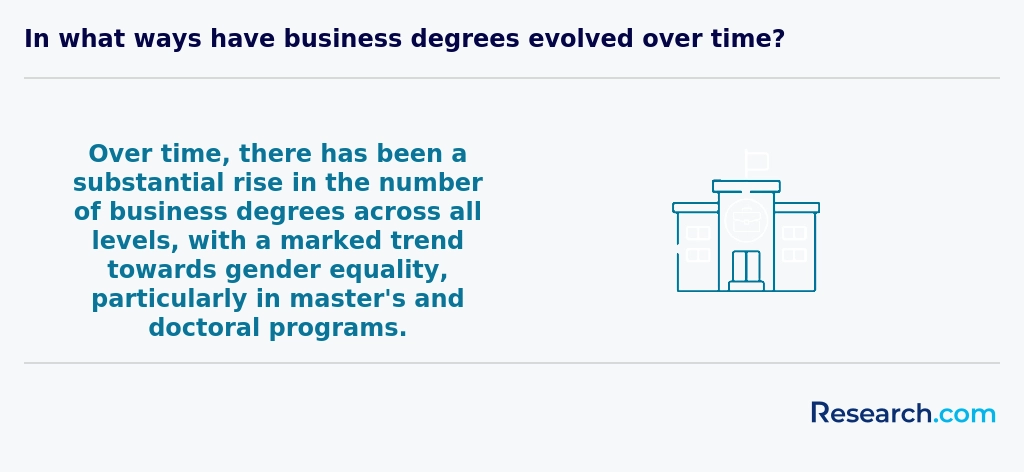
Students pursuing business degrees at institutions like Abilene Christian University often discover that financial aid is more accessible than they initially imagined. Federal aid, beginning with the FAFSA, opens doors to Pell Grants that can provide up to $7,395 annually-money that doesn't need to be repaid, offering a crucial financial cushion. Graduates frequently recall how this grant lifted the weight of tuition fees, making their educational journey feel achievable rather than daunting.
State aid in Texas adds another layer of support. For example, the Texas Educational Opportunity Grant targets financially needy students enrolled in qualified programs, which many business students in Abilene have leveraged to bridge funding gaps. Institutional scholarships at local universities reward academic merit and leadership, often transforming hopeful applicants into confident scholars.
Local scholarships, too, are a hidden gem. Businesses and civic groups in Abilene actively invest in future business leaders, awarding scholarships that celebrate community contribution and regional economic growth. Many students reflect on how these awards fueled both their education and motivation.
Work-study positions on campus or nearby provide more than just income-they create meaningful connections and real-world experience, integral to building a career in business. For those studying in Abilene, tapping into this mosaic of financial aid options turns the dream of earning a business degree into a lived, vibrant reality.
Affordable Online Business Degree Alternatives
For students prioritizing both quality and cost-effectiveness, exploring online business degrees can unlock significant savings without sacrificing academic rigor. Online programs often offer lower tuition rates, eliminate relocation expenses, and provide flexible pacing-advantages that are especially valuable for working professionals balancing education with existing commitments. Moreover, many accredited online pathways deliver the same faculty expertise and curriculum standards as their on-campus counterparts, ensuring transferable credits and recognized credentials. When evaluating online options, it’s essential to consider factors like accreditation, technology support, and student services. Accredited programs undergo rigorous review by bodies such as AACSB, ACBSP, or IACBE, guaranteeing that course content meets industry benchmarks. Prospective learners should also assess virtual career centers, mentorship opportunities, and interactive platforms for networking with peers and employers. These resources play a pivotal role in enhancing engagement and employability, mirroring the campus experience through virtual internships and live case studies. For those interested in broadening their search beyond Texas, the Low Cost Online Business Degree Programs Ranking in North Carolina offers a detailed comparison of budget-friendly, accredited online degrees. This ranking highlights institutions with competitive tuition, robust financial aid packages, and positive graduate outcomes-a useful benchmark for students seeking optimal ROI. By cross-referencing program features, cost breakdowns, and post-graduation employment rates, applicants can make data-driven decisions that align with both their career objectives and financial constraints. To maximize the benefits of an affordable online business degree, prospective students should request course syllabi, connect with alumni networks, and review graduation-to-employment timelines. Thorough research ensures that the chosen program not only fits within a budget but also equips graduates with in-demand skills in analytics, leadership, and strategic communication-key differentiators in today’s competitive job market.
What are the prerequisites for enrolling in business degree program in Abilene?
Enrolling in a business degree program in Abilene demands more than just a high school diploma; it requires a readiness that many graduates reflect on as a defining moment. At Hardin-Simmons University and McMurry University, students often share how meeting a competitive GPA-usually between 2.5 and 3.0-felt like a first real test of their commitment to a business career. This GPA isn't just a number; it's a signal of persistence and consistency that resonates in daily lectures and group projects.
Many students remember grappling with algebra and statistics in high school, realizing later that these courses laid the groundwork for understanding market trends and financial reports. Official transcripts and sometimes essays or recommendation letters create a narrative of dedication, making applicants more than just applicants-they become storytellers of their own potential.
- Transfer students often share relief at meeting credit hour requirements, feeling a renewed confidence starting fresh at Abilene's business programs.
- Graduate hopefuls frequently recall balancing years of work experience with GRE or GMAT prep, seeing these challenges as gateways rather than obstacles.
These prerequisites are not just boxes to tick; they represent stepping stones that prepare students for the dynamic and rewarding journey business studies in Abilene promise.

Campus Life and Student Experience in Abilene, TX
Attending a business degree program in Abilene, TX isn’t just about rigorous academics-it’s about cultivating lifelong connections and immersing yourself in a vibrant campus culture. Students relish the blend of modern classroom technology with a warm, supportive community, where engaging extracurricular activities, student organizations, and local networking events are just as pivotal to success as formal coursework. The campus environment fosters not only academic growth but also personal development, with many schools hosting guest speakers, industry panels, and career fairs that bring together students, alumni, and local business leaders. This dynamic community setting offers ample opportunities to build mentorship relationships and collaborate on real-world projects, ensuring that graduates are well-equipped for the competitive job market. Additionally, campus resources like career centers, leadership workshops, and internship placement services play a crucial role in enhancing student success. For prospective students who are evaluating how best to launch their careers, exploring top paying business degrees can provide further insights into programs that combine excellent academics with a thriving campus experience and strong career outcomes.
What courses are typically in business degree programs in Abilene?
Business degree programs in Abilene challenge students with a curriculum that goes beyond textbooks, deeply connecting theory to the local economic landscape. Graduates from Hardin-Simmons University or McMurry University often recall how courses like Principles of Management and Financial Accounting weren't just abstract concepts but practical tools they applied during internships with Abilene's healthcare and retail sectors. Experiencing Marketing Fundamentals meant crafting campaigns tailored to real, local consumer behavior, sparking pride and confidence.
Many students find Business Law and Business Ethics courses particularly eye-opening, as they wrestle with real ethical dilemmas mirroring challenges in Abilene's tightly-knit business community. Electives such as Operations Management and Human Resource Management often become a favorite for those excited about optimizing workflows in family-run businesses or the growing small business scene.
This localized, hands-on approach transforms academic study into a compelling, purpose-driven journey, equipping students to thrive where Abilene's economy is flourishing.
What types of specializations are available in business degree programs in Abilene?
Choosing a business degree specialization in Abilene means engaging with fields deeply intertwined with the city's economic fabric. Graduates from well-regarded institutions like Abilene Christian University and McMurry University often reflect on how specializations such as Accounting, Marketing, and Finance don't just prepare them for generic roles-they equip them for careers shaped by local industry demands. For example, students focusing on Supply Chain Management find real-world relevance given Abilene's strategic transport links, transforming abstract concepts into practical expertise.
It's worth pondering how entrepreneurship, as a specialization, resonates with Abilene's growing small business scene, offering graduates the satisfaction of contributing directly to the community's economic vitality. Those exploring management discover a blend of leadership theories and hands-on strategies designed for the unique challenges of regional organizations. Considering the business degree specializations in Abilene also means acknowledging how these programs adapt to evolving market needs, making your education not just a stepping stone but a foundation for meaningful impact.
For students aiming to align passion with financial success, exploring the top paying business degrees in these programs sharpens their perspective on long-term career goals.
How do you choose the best business degree in Abilene?
Choosing the best business degree programs in Abilene means looking beyond just surface details. Accreditation, especially from recognized bodies, is not merely a checkbox but a signal that employers respect the curriculum. Graduates from Hardin-Simmons University often share how AACSB accreditation influenced their hiring opportunities, giving them confidence in their investment. This real-world validation speaks volumes more than glossy brochures.
Consider also the local economy-Abilene's strong sectors like healthcare administration and energy create unique advantages for students who tailor their studies accordingly. Many students relate how focusing on these regional strengths offered clearer pathways to meaningful careers and networking connections. Affordability plays into this decision deeply; affordable business degrees Abilene Texas offers remain competitive, especially when paired with scholarships and flexible options that fit personal commitments.
Graduates frequently highlight the value of experiential learning-internships and business events-that turn theory into opportunity. Some also turn to options like the cheapest aacsb accredited online mba no gmat programs, which provide top credentials without sacrificing work-life balance. Reflect on what aligns best with your lifestyle and ambitions before deciding.
What career paths are available for business degree students in Abilene?
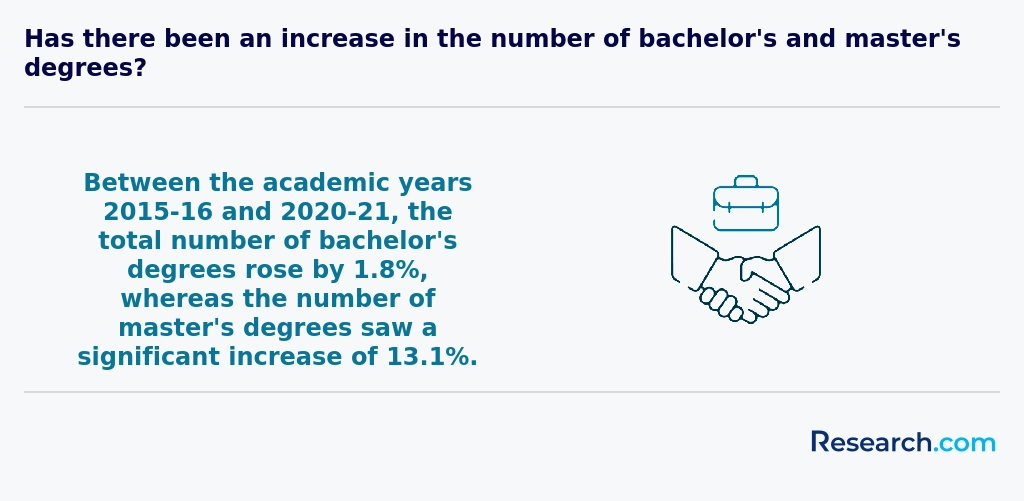
Graduates from popular business colleges in Abilene often find themselves navigating a landscape rich with diverse career paths. Job prospects for Abilene business graduates span management roles such as project or operations manager, where leadership and strategic thinking come alive daily in thriving local companies. Many share how their business degrees translated into real-world success by leveraging Abilene's unique industries, from healthcare to manufacturing.
Others pursue finance, with roles like financial analysts or auditors offering both challenge and reward. Graduates recall the excitement of balancing financial health for institutions while enjoying competitive salaries common in Texas. The rapidly growing field of marketing also attracts graduates who thrive on creativity, especially with digital platforms reshaping how businesses connect with audiences.
Entrepreneurship in Abilene thrives, fueled by strong local support and incubators encouraging graduates to launch startups. These experiences reflect a broader reality in business degree career opportunities in Abilene, where innovation meets opportunity in tangible ways. For those concerned about cost, exploring Low Cost Online Business Degree Programs Ranking in North Carolina can also offer practical alternatives.
What is the job market for business degree in Abilene?
The job market for business degree job prospects in Abilene may initially seem modest compared to larger metropolitan areas, yet it offers unique, tangible advantages for graduates. Many who have completed their studies at prominent institutions in Abilene find themselves embedded within a diverse economy-from healthcare to manufacturing-that actively seeks skilled business professionals. One graduate shared how their work in local retail management seamlessly connected theory and community impact, making their degree feel relevant every day.
Abilene's business graduate employment opportunities often involve roles in management, sales, and operations, where practical skills in financial planning and digital marketing prove invaluable. Rather than chasing sky-high salaries, many graduates appreciate the strong median wages combined with a reasonable cost of living in the area. The experience of connecting with local chambers and internships is frequently cited as indispensable for gaining real-world insights and advancing careers.
For potential students balancing costs and outcomes, comparing tuition to expected wages is essential. Those exploring easy certifications that pay well alongside their degree may discover an accelerated path to meaningful, stable employment in Abilene's evolving job market.
Frequently Asked Questions About business
Business degree students in Abilene can maximize their learning experience by engaging with local resources and opportunities. Abilene hosts several institutions offering business programs, such as Abilene Christian University and McMurry University, providing diverse academic environments. Students should take advantage of internships with local companies, as the city's economy includes sectors like healthcare, manufacturing, and retail, fostering practical business skills. According to the Abilene Foundation, internships increase employment chances by 60% within the region.
Joining local business organizations, such as the Abilene Chamber of Commerce, can help students build professional networks. Additionally, participating in business competitions and workshops can enhance critical thinking and leadership abilities. Utilizing campus career services to connect with alumni and employers is advisable for real-world experience and mentorship. These strategies collectively prepare students for success in Abilene's evolving business landscape.
Emerging niches within the business field reflect evolving market demands and technological advances, offering new opportunities for students pursuing degrees in Abilene. Areas like data analytics, supply chain management, and healthcare administration are rapidly growing. According to the Bureau of Labor Statistics, roles in data analysis are projected to grow by 25% nationally through 2031, indicating strong demand for these skills.
In Abilene, the local economy's growth in healthcare and logistics highlights the importance of specializing in these niches. Institutions around Abilene increasingly incorporate practical training in sustainable business practices and digital marketing, responding to evolving industry needs. This trend offers students a chance to develop expertise aligned with regional employment trends and technological innovation.
Preparing for the job market after earning a business degree in Abilene involves several strategic steps. Graduates should take advantage of career services offered by local institutions, such as Abilene Christian University, which often provide resume workshops, mock interviews, and job fairs. Networking is crucial; Abilene's growing sectors in healthcare, education, and oil and gas offer numerous opportunities. According to the latest Abilene Chamber of Commerce report, positions in management, sales, and business analysis show steady demand.
Internships and part-time roles completed during studies can provide valuable experience and connections. Additionally, obtaining relevant certifications, like Certified Business Analyst (CBA), may enhance employability in this competitive market. Staying informed about regional economic trends will help graduates target in-demand skills and industries effectively.
Employers in Abilene prioritize a blend of technical and interpersonal skills when hiring business degree graduates. According to recent labor market analyses, strong communication abilities top the list, as professionals must clearly convey ideas in diverse business settings.
Analytical thinking and proficiency with data-driven decision-making are also crucial. Employers expect graduates to interpret financial reports and market trends effectively, especially given Abilene's growing sectors like healthcare and manufacturing.
Leadership skills and teamwork are highly valued, reflecting the collaborative culture in many local businesses. Additionally, adaptability and problem-solving remain key due to the rapidly evolving regional economy, highlighted by the Abilene Economic Development Corporation.
Finding internships in Abilene related to a business degree involves leveraging local resources and networks. Abilene's economy, with a strong presence in healthcare, education, and manufacturing, offers diverse internship opportunities for business students. According to the Abilene Chamber of Commerce, many local companies seek interns in marketing, finance, and management roles.
Students should start by consulting career centers at Abilene-area colleges such as Hardin-Simmons University and McMurry University, which maintain internship listings and employer connections. Networking through local business groups like the Abilene Young Professionals also helps uncover internships not widely advertised.
Online job platforms specialized in internships can complement local efforts, but aligning applications with Abilene's business sectors improves success rates.
A business degree in Abilene significantly enhances career mobility and advancement opportunities within the local job market. Employers in Abilene value graduates equipped with skills in management, finance, and marketing, which are fundamental for roles in the region's growing sectors such as healthcare administration, oil and gas, and education.
According to the U.S. Bureau of Labor Statistics, occupations requiring business knowledge in Abilene have seen a steady growth rate of around 3% annually. This growth translates into increased demand for qualified professionals who can efficiently manage resources and lead teams.
Moreover, local employers often prefer candidates with a bachelor's degree or higher, as it demonstrates critical thinking and leadership skills. Earning a business degree also provides access to professional networks and internships, which are vital for career advancement in Abilene's competitive market.
Studying for a business degree in Abilene offers strong preparation for interdisciplinary roles by integrating foundational business skills with knowledge from other fields. Local institutions emphasize collaboration between business, technology, and communication programs, reflecting the diverse needs of Abilene's growing economy, which includes sectors like healthcare, manufacturing, and education.
Programs often include coursework in data analysis, project management, and marketing, alongside practical experiences such as internships and community partnerships. This approach helps students develop adaptable problem-solving abilities and effective communication skills vital for cross-sector leadership.
According to the Texas Workforce Commission, demand for employees who can bridge business and technical expertise is rising in the Abilene region, highlighting the value of interdisciplinary training in local business degrees.
Choosing between a thesis and a non-thesis business degree program in Abilene depends largely on your career goals and learning preferences. Thesis programs typically involve original research, suitable for students interested in advanced study or academic careers. These programs can deepen critical thinking and analytical skills.
Non-thesis options often focus on practical skills and coursework, appealing to professionals aiming to advance in business roles without the time commitment of a research project. Many Abilene employers value applied experience, making non-thesis programs a practical choice for local workforce demands.
Institutions like Abilene Christian University offer both formats, so consider your long-term plans and academic strengths carefully.
Students based in Abilene pursuing business degrees often seek opportunities to study abroad through exchange programs and partnerships offered by Texas Christian University (TCU) and other regional institutions. These programs enable students to gain international experience while earning credit toward their degree. According to the Institute of International Education, nearly 10% of U.S. business students participate in study abroad annually, reflecting growing interest in global business perspectives.
Abilene's schools typically offer semester-long programs in Europe, Asia, and Latin America, focusing on international business trends, markets, and cross-cultural management. Financial aid and scholarships may be available to help offset costs.
Students pursuing business degrees in Abilene can find part-time jobs that effectively complement their studies and enhance practical skills. Positions such as retail sales associates, administrative assistants, or customer service representatives allow students to develop communication, time management, and organizational abilities vital for business careers.
Abilene's economy includes sectors like healthcare, education, and retail, which frequently seek part-time help, offering valuable workplace exposure. According to the Texas Workforce Commission, retail and office support roles make up a significant portion of available part-time jobs in the region.
Internships with local businesses or non-profits also provide hands-on experience in marketing, finance, and management, directly supporting academic learning and improving job prospects after graduation.
Business students in Abilene benefit from numerous networking opportunities that connect them with local professionals and industries. Institutions like Hardin-Simmons University and Abilene Christian University offer access to business clubs, guest lectures, and career fairs aimed at fostering professional relationships.
Additionally, the Abilene Chamber of Commerce regularly hosts events where students can engage with entrepreneurs, executives, and community leaders. These gatherings often provide insight into the West Texas economy, which is supported by sectors such as healthcare, education, and manufacturing.
Students also have opportunities to participate in internships within Abilene's growing business environment, enhancing connections and practical experience before graduation.
Alumni networks play a crucial role for business degree students in Abilene by providing access to established professionals and local business leaders. These networks offer mentoring opportunities, which can guide students through career decisions and industry trends relevant to the Abilene market. According to the Texas Workforce Commission, Abilene's economy includes key sectors like healthcare, education, and manufacturing, where networking can help students tap into internships and job placements. Additionally, alumni connections often facilitate introductions to companies in Abilene's growing small business community, increasing the chances of employment after graduation. Strong alumni ties enhance both personal and professional growth for business students.
Customizing a business degree program in Abilene allows students to align their education with specific career ambitions. Many local institutions offer a range of concentrations such as finance, marketing, management, or entrepreneurship. By selecting tailored electives, students can deepen their expertise in areas that match industry demands in West Texas.
Internship opportunities with Abilene's growing sectors, including healthcare and manufacturing, provide valuable practical experience. According to the Abilene Chamber of Commerce, business-related roles in the region have grown by 4% annually, highlighting strong future job prospects.
Additionally, working closely with academic advisors helps craft a plan balanced between theory and practical skills. Online and evening classes can accommodate working professionals needing flexible schedules. This strategic approach ensures the degree supports both current roles and long-term career growth.
Business students in Abilene often face challenges related to balancing academic workload with part-time employment. Many students work to support their education, which can impact study time and stress levels. According to the U.S. Bureau of Labor Statistics, about 40% of college students nationwide hold part-time jobs, a trend visible in Abilene as well.
Additionally, students sometimes struggle with access to internships and practical experiences. While Abilene has a growing business sector, opportunities can be limited compared to larger cities, affecting skill development. Furthermore, navigating financial aid and tuition costs remains a hurdle for many, as tuition rates in Texas public universities have increased steadily over recent years.
Networking is another common challenge. Limited local business events compared to metropolitan areas may reduce exposure to industry connections essential for career advancement.
A business degree from an Abilene institution opens doors to several valued professional certifications. Many graduates pursue the Certified Management Accountant (CMA) credential, enhancing skills in financial management and strategic decision-making. Another popular certification is the Project Management Professional (PMP), which improves leadership in business projects and operations. For graduates interested in accounting, Certified Public Accountant (CPA) certification is often a goal, requiring specific coursework and exam completion. Additionally, the Certified Business Analysis Professional (CBAP) can be valuable in a growing Abilene business market focused on operational improvement. Local workforce data from the Abilene Chamber highlights demand for these credentials.
To write a winning application for a business program in Abilene, start by thoroughly researching the specific requirements of local institutions such as Abilene Christian University and McMurry University. Highlight your academic achievements, particularly in relevant subjects like economics, mathematics, and communication. Strong letters of recommendation from educators or employers familiar with your business acumen will enhance your profile.
Include a clear and concise personal statement explaining your career goals and why an Abilene-based program suits you. Mention any involvement in local internships or business organizations, supported by data from the Abilene Chamber of Commerce, which notes growth in sectors like logistics and healthcare. Demonstrating community awareness can strengthen your application.
Business careers today demand a global mindset, even for students studying in Abilene. According to the U.S. Bureau of Labor Statistics, global trade and international business activities contribute significantly to job growth in management and finance sectors. Employers increasingly value skills such as cultural awareness, foreign market analysis, and international supply chain management.
Abilene's local economy includes manufacturing and healthcare industries that often engage with international partners, highlighting opportunities for business graduates with global expertise. The rise of digital commerce means business graduates must understand varying legal and economic systems worldwide.
Universities in Texas, including those in Abilene, have expanded curricula to include global business perspectives, preparing students for interconnected markets. This approach aligns with broader U.S. trends emphasizing global competencies as essential for successful careers.
Gaining practical experience while studying for a business degree in Abilene is possible through internships, cooperative education programs, and local business partnerships. Many colleges in Abilene, including Abilene Christian University and McMurry University, offer internship placements with businesses in sectors like healthcare, manufacturing, and retail, reflecting the city's economic landscape reported by the Abilene Economic Development Corporation.
Students can also engage in business competitions and consulting projects sponsored by their schools, providing hands-on experience in real-world scenarios.
Networking events and career fairs held in Abilene give access to employers looking for emerging talent, which enhances practical learning and job readiness.
Choosing the right concentration within a business degree program in Abilene requires careful consideration of local industry demands and personal interests. Abilene's economy is diverse, with strong sectors in healthcare, education, manufacturing, and retail, which influences the relevance of certain business concentrations.
Concentrations such as management, marketing, and finance are popular due to their broad applicability. According to the Texas Workforce Commission, management and business occupations in Abilene have a higher than average demand, with projected growth in the next decade.
Prospective students should also reflect on their career goals. For example, a concentration in healthcare management may be advantageous given Abilene's notable healthcare sector presence, including institutions like Hendrick Health System.
Reviewing curriculum details, internship availability, and alumni outcomes at local institutions can also guide your choice. Prioritizing concentrations aligned with Abilene's job market can increase employment opportunities after graduation.
Related Business Rankings for Nearby Cities
- 2027 Best Business Degree Programs Ranking in Lubbock
- 2027 Best Business Degree Programs Ranking in Denton
- 2027 Best Business Degree Programs Ranking in Dallas
- 2027 Best Business Degree Programs Ranking in Austin
- 2027 Best Business Degree Programs Ranking in San Antonio
- 2027 Best Business Degree Programs Ranking in Houston
- 2027 Best Business Degree Programs Ranking in Wichita
- 2027 Best Business Degree Programs Ranking in El Paso
- 2027 Best Business Degree Programs Ranking in Conway
- 2027 Best Business Degree Programs Ranking in Little Rock
Top Trending Business Rankings
See What Experts Have To Say About Studying Business
Read our interview with Business experts

David W. Stewart
Business Expert
Emeritus President's Professor of Marketing
Loyola Marymount University


Ingrid S. Greene
Business Expert
Clinical Assistant Professor of Management
Loyola Marymount University

References
- Online Degree vs. Traditional: Choosing the Right Path https://beal.edu/online-degree-vs-traditional/
- Agricultural… at Abilene Christian University | Vaia https://www.vaia.com/s/degree/abilene-christian-university/agricultural-business-and-management-bs/
- How to Identify Profitable Business Niches: A Guide for ... https://www.invoiceonline.com/the-entrepreneur-s-handbook/entrepreneurship/business-strategy/how-to-identify-profitable-business-niches-97365
- Exploring Different Types of Business Majors https://www.ivywise.com/ivywise-knowledgebase/exploring-different-types-of-business-majors/
- Business Administration https://mcm.edu/admissions-overview/find-your-major/online-campus/business-administration/
- Why Alumni Networks Matter in Business School: 7 Reasons https://europe.ceibs.edu/article/why-alumni-networks-matter-business-school
- Top 10 Skills Employers Seek in Business Graduates in 2026 https://www.ibat.ie/blogs/top-10-skills-employers-seek-in-business-graduates-in-2026
- Bringing global perspectives to leadership in business https://www.eaie.org/resource/global-perspectives-leadership-business.html
- Online and Traditional Business Degrees Comparison | Free Essay Example https://studycorgi.com/online-and-traditional-business-degrees-comparison/
- Global careers, real impact: building your career with an international business degree | University of East London https://www.uel.ac.uk/blog/global-careers-real-impact-building-your-career-international-business-degree