2027 Most Popular Accounting Degree Programs Ranking in Oklahoma

Co-Founder and Chief Data Scientist
Choosing the right accounting degree program in Oklahoma is an important step toward a successful career. This article introduces the 2027 Most Popular Accounting Degree Programs Ranking in Oklahoma, developed by the Research.com team of data scientists to guide you in making an informed decision.
By exploring this ranking, you'll discover programs that align with your goals and interests. Earning an accounting degree can open doors to rewarding job opportunities and personal growth.
Whether you're just starting or considering a change, this guide will support your journey with trusted insights.
Key benefits of getting accounting degree in Oklahoma
- Graduates with an accounting degree in Oklahoma can earn competitive salaries, such as a Staff Accountant making a mean annual wage of $90,780 and a Bookkeeper earning about $49,580 annually.
- Career paths include roles like Staff Accountant, Tax Preparer, and Associate Auditor, offering diverse opportunities for growth in finance and auditing sectors based on examples from popular Oklahoma universities.
- Completing an online accounting degree from reputable Oklahoma institutions offers flexibility, allowing students to balance work and study while gaining skills that meet local employer expectations.
- Key benefits of getting accounting degree in Oklahoma
- What can I expect from accounting degree in Oklahoma?
- Where can I work with accounting degree in Oklahoma?
- How much can I make with accounting degree in Oklahoma?
- 2027 Most Popular Accounting Degree Programs Ranking in Oklahoma
- Key Findings
- How long does it take to complete accounting degree in Oklahoma?
- What's the difference between online and on-campus accounting degree?
- Certification and Licensure: Professional Accounting Credentials in Oklahoma
- What is the average cost of accounting degree in Oklahoma?
- Cost Considerations and Financial Planning for Accounting Students in Oklahoma
- What financial aid is available to accounting degree students in Oklahoma?
- CPA Certification and Licensure in Oklahoma
- What are the prerequisites for enrolling in accounting degree program in Oklahoma?
- Professional Certifications and Career Development Opportunities
- What courses are typically in accounting degree programs in Oklahoma?
- What types of specializations are available in accounting degree programs in Oklahoma?
- How do you choose the best accounting degree in Oklahoma?
- What career paths are available for accounting degree students in Oklahoma?
- What is the job market for accounting degree in Oklahoma?
- Related Accounting Rankings for Nearby States
- Top Trending Accounting Rankings
- See What Experts Have To Say About Studying Accounting
What can I expect from accounting degree in Oklahoma?
The average cost of earning an accounting degree in Oklahoma varies depending on the institution and program length, but many students attending public universities like the University of Oklahoma or Oklahoma State University often find tuition ranges from $10,000 to $25,000 per year for in-state students. Graduates commonly describe managing these expenses as challenging but rewarding, especially when balancing part-time jobs or internships integrated into their coursework. Private schools may charge higher tuition, yet students frequently emphasize the value of personalized support and networking opportunities, which often lead to promising job placements in cities like Tulsa or Oklahoma City.
Many students also appreciate Oklahoma's pathway to meet the 150-credit hour CPA requirement without incurring excessive additional costs, thanks to combined bachelor's and master's programs offered at institutions such as the University of Central Oklahoma. This flexibility helps reduce overall expenses while preparing students to enter the workforce confidently, making the financial investment feel worthwhile as they build careers in accounting fields aligned with the state's key industries.
Where can I work with accounting degree in Oklahoma?
Graduates with accounting degrees from universities like the University of Oklahoma and Oklahoma State University often find themselves stepping into dynamic roles across diverse sectors statewide. Many start at CPA firms in Tulsa or Oklahoma City, gaining hands-on experience in auditing or tax preparation, which fuels their confidence as they advance. These real-world engagements help them envision a future where regulatory knowledge and technology merge, especially as firms increasingly use AI-driven tools for advisory services.
Corporate employers in the oil, gas, and manufacturing sectors actively recruit local graduates, offering opportunities to manage complex financial reporting and budgeting tasks. For instance, working for a company like Devon Energy can feel like being at the heart of Oklahoma's economic engine, inspiring pride and purpose in daily responsibilities.
Government roles appeal to graduates eager to contribute to transparency and fiscal accountability. Positions within state agencies provide practical insights into public finance, fostering a strong sense of community impact.
Nonprofit organizations also welcome accounting graduates to support mission-driven financial management, often leading to fulfilling careers centered on social good while honing expertise in compliance and grant accounting.
How much can I make with accounting degree in Oklahoma?
Graduates with an accounting degree in Oklahoma can look forward to promising salary prospects right out of college. For instance, students graduating from the University of Oklahoma or Oklahoma State University often step into roles such as staff accountants, where the mean annual wage reaches about $90,780 according to recent data. This figure signals strong earning potential compared to many other states.
Early career positions like bookkeepers, tax preparers, or accounts payable clerks typically start near $49,580 per year, offering a solid foundation for those starting their professional journey. Graduates have shared stories of landing these roles while gaining valuable experience, which helps them advance quickly.
With time and additional certifications, the increase in income can be significant. Imagine progressing from a bookkeeper in Tulsa to a staff accountant managing multiple client portfolios, boosting your hourly wage to $43.65. The vibrant Oklahoma job market in cities such as Oklahoma City offers exciting opportunities to grow, making accounting a rewarding and dynamic career path within the state's steady economy.
2027 Most Popular Accounting Degree Programs Ranking in Oklahoma
How do we rank schools?
Investing in your education is a significant decision that can shape your future, and the Research.com team understands the importance of making informed choices. To assist prospective students in Oklahoma, we have meticulously crafted the "2027 Most Popular Accounting Degree Programs Ranking in Oklahoma." Our commitment to quality, credibility, and accuracy is reflected in the extensive research and analysis conducted to compile this ranking.
We utilized the following reputable data sources to ensure a comprehensive evaluation of accounting programs:
By exploring this ranking, readers will gain valuable insights into the most popular accounting degree programs available in Oklahoma, helping them make informed decisions about their educational paths. For more details on our methodology, please visit our Research.com methodology page.


Key Findings
- Oklahoma offers accounting programs at public universities, such as the University of Oklahoma and Oklahoma State University, as well as community colleges.
- Annual tuition for in-state students at public universities ranges from $8,000 to $10,000, while private schools charge between $15,000 and $25,000.
- Community colleges provide more affordable tuition rates of about $3,000 to $4,500 for associate degrees that can lead to a bachelor's degree.
- Entry-level accounting graduates in Oklahoma earn around $50,000 to $55,000 per year, increasing to $65,000 to $75,000 with experience.
- The job market for accountants in Oklahoma is expected to grow by 5% to 7% over the next decade, matching national trends.
How long does it take to complete accounting degree in Oklahoma?
Completing an accounting degree in Oklahoma typically takes around four years for full-time students, especially at well-known institutions like the University of Oklahoma and Oklahoma State University. Graduates often share how this timeframe feels balanced-not too rushed, allowing deep engagement, yet focused enough to maintain motivation and momentum.
Many find that part-time options or flexible scheduling, common in Oklahoma's community colleges and technical schools, stretch this timeline but provide the invaluable advantage of working while studying. Imagine a student juggling a part-time job and family commitments, slowly building their credits over several years, yet feeling strong progress and growing confidence each semester.
Innovations like accelerated courses and summer classes are becoming more accessible, enabling eager learners to shorten their journey. Graduates reflect positively on how these options helped them adapt their studies to life's demands, turning challenges into a rewarding experience. With evolving programs in Oklahoma, future students might soon complete accounting degrees even faster without compromising quality or readiness for the CPA exam.
What's the difference between online and on-campus accounting degree?
Choosing between online and on-campus accounting degrees in Oklahoma presents distinct experiences. Graduates from the University of Oklahoma often recall the energizing atmosphere of face-to-face classes, where real-time discussions and group projects sparked deeper understanding and camaraderie. Meanwhile, alumni of fully online programs highlight the freedom to juggle coursework around work and family, appreciating how flexible schedules at institutions like Oklahoma State University made education accessible without sacrificing income.
Imagine a student tackling tax principles late at night after a full workday, benefiting from online lectures and digital forums. Contrast this with peers attending study sessions on campus, forming lasting networks with professors and local firms through events hosted by Oklahoma public universities. Both paths meet licensure criteria, yet the on-campus route often facilitates spontaneous mentorships and internship connections vital for local job leads.
Looking forward, hybrid formats blending online flexibility with occasional in-person collaboration could reshape Oklahoma's accounting education, offering personalized routes tailored to diverse lifestyles and goals.
Certification and Licensure: Professional Accounting Credentials in Oklahoma
In Oklahoma, earning an accounting degree is just the first step toward becoming a licensed professional. To practice as a Certified Public Accountant (CPA), graduates must satisfy the Oklahoma Accountancy Board’s requirement of 150 semester hours, including 24 hours of accounting and 24 hours of business-related coursework. Candidates then sit for the Uniform CPA Exam, which comprises four sections-Auditing and Attestation, Business Environment and Concepts, Financial Accounting and Reporting, and Regulation-and must pass within an 18-month window. Beyond the CPA, many graduates pursue additional credentials to stand out in a competitive market. The Certified Management Accountant (CMA) designation, offered by the Institute of Management Accountants, focuses on financial planning and analysis, while the Certified Internal Auditor (CIA) credential, granted by the Institute of Internal Auditors, emphasizes audit processes and risk management. Aspiring fraud examiners can opt for the Certified Fraud Examiner (CFE) credential through the Association of Certified Fraud Examiners, deepening investigative and forensic accounting skills. Before tackling these exams, students often benefit from targeted preparatory training. For example, enrolling in a certified bookkeeping course can sharpen foundational skills in recording transactions, reconciling accounts, and mastering accounting software-crucial competencies that underpin advanced professional certifications. Once credentialed, CPAs in Oklahoma must complete 40 hours of continuing professional education (CPE) annually, ensuring they stay current with evolving standards, tax laws, and technological advancements. By integrating licensure requirements and certification pathways into your academic plan, you’ll not only meet state regulations but also demonstrate the expertise employers seek across public accounting firms, corporate finance departments, and governmental agencies.
What is the average cost of accounting degree in Oklahoma?
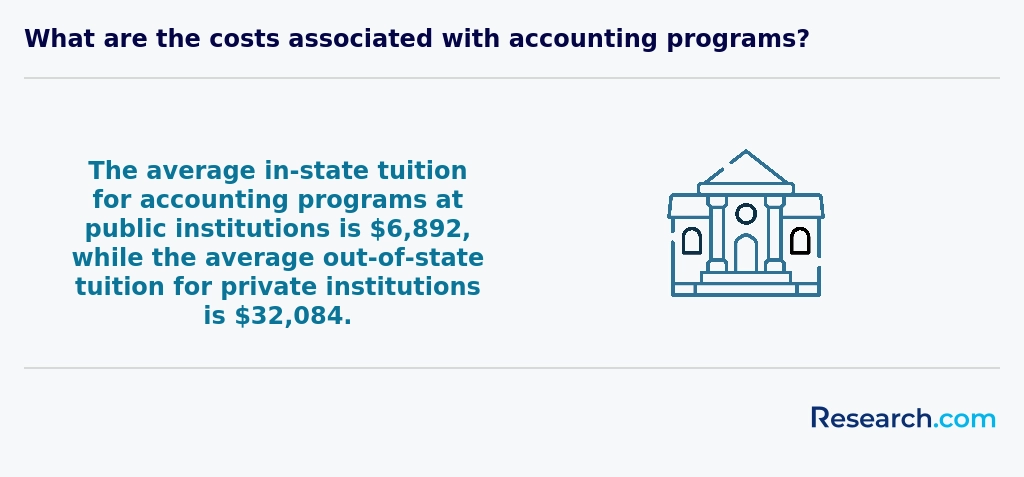
The average cost of an accounting degree in Oklahoma is approximately $39,614, with in-state students often paying around $10,234 in total tuition and fees. This figure represents a balance between affordability and quality, allowing many students to pursue their ambitions without overwhelming financial strain. Graduates from popular universities in the state often recall their experiences managing these costs through scholarships, part-time work, and financial aid, making their educational journey both rewarding and feasible.
For a typical Oklahoma accounting student, tuition fees are just one part of the overall expenditure. Additional expenses like textbooks, supplies, and living costs shape a fuller picture. Many students attending well-known institutions appreciate how the state's universities keep tuition competitive, especially compared to out-of-state prices or private colleges that can be significantly higher. The Oklahoma accounting degree tuition and fees make it easier for local students to envision themselves thriving academically and socially, without the heavy burden of debt.
Future students looking to minimize their expenses often explore the most affordable accounting schools in Oklahoma, aiming to balance cost and high-quality education. Oklahoma's accounting programs continue to evolve, with increasing options for financial aid boosting accessibility. This optimism is reflected in the growing number of students who complete their degrees and move into careers with confidence, knowing they invested wisely.
Cost Considerations and Financial Planning for Accounting Students in Oklahoma
When considering an accounting degree in Oklahoma, it's essential to think about the cost implications and how to manage your finances effectively. One of the key factors to consider is the affordability of the program, and researching options like the most affordable accounting schools in Oklahoma can be a great starting point. Understanding the total cost of attendance, including tuition, fees, and living expenses, is crucial for making informed decisions. Additionally, exploring financial aid options, such as scholarships, grants, and loans, can help make your accounting education more accessible. By carefully planning your finances and considering all the costs involved, you can set yourself up for success and make the most of your investment in an accounting degree in Oklahoma.
What financial aid is available to accounting degree students in Oklahoma?
Accounting students at universities like the University of Oklahoma or Oklahoma State often share how pivotal financial aid is in making their education feasible. Many rely on federal Pell Grants that can cover thousands of dollars annually without requiring repayment, creating a sense of relief and empowerment. Completing the FAFSA unlocks access not only to grants but also to federal Direct Loans with manageable repayment plans, allowing students to focus more on mastering accounting concepts than worrying about immediate costs.
State-specific programs such as the Oklahoma Tuition Aid Grant and Oklahoma's Promise provide additional layers of support, often renewing annually based on need and academic progress. Graduates recall how these grants lightened their financial burden, enabling them to engage fully in their coursework.
Moreover, promising accounting students frequently benefit from school-based scholarships at institutions like the University of Tulsa, often awarded for leadership or academic achievement. Some tap into professional organizations' scholarships, such as those from the Oklahoma Society of CPAs, which not only reduce expenses but inspire confidence in their career paths.
Finally, many students juggle part-time roles or paid internships, gaining valuable experience while easing their financial stresses, perfectly blending education and practical growth in Oklahoma's vibrant accounting landscape.
CPA Certification and Licensure in Oklahoma
Becoming a Certified Public Accountant (CPA) in Oklahoma requires meeting specific education, examination, and experience criteria mandated by the Oklahoma Accountancy Board. Understanding these steps early can streamline your path from graduation to professional practice. Education Requirements To sit for the Uniform CPA Examination, you must complete at least 150 semester hours of college credit, including a bachelor’s degree with 24 accounting credit hours and 24 business credit hours. Many candidates choose to earn the extra 30 credits through a master’s program-if affordability is a priority, explore our Inexpensive Online Master's in Accounting Degree Programs Ranking in Pennsylvania for cost-effective options. Uniform CPA Examination The CPA Exam consists of four sections: • Auditing and Attestation (AUD) • Business Environment and Concepts (BEC) • Financial Accounting and Reporting (FAR) • Regulation (REG) You must pass all sections within an 18-month rolling period. Each section tests both technical knowledge and practical application, so allocate study time based on your strengths and coursework background. Experience Requirements After passing the exam, aspirants must accrue at least one year (2,000 hours) of supervised accounting experience under a licensed Oklahoma CPA. Acceptable experience includes auditing, tax preparation, financial reporting, and consulting. Your supervisor must verify and endorse your work in the official experience form submitted to the board. Application Process 1. Apply online via the Oklahoma State Board of Accountancy portal. 2. Submit official transcripts and exam application fees. 3. Once eligible, schedule your CPA Exam through the National Association of State Boards of Accountancy (NASBA). 4. After exam completion and experience verification, submit your licensure application for final review. By planning ahead-balancing coursework, exam prep, and practical experience-you’ll be well-positioned to earn your CPA license in Oklahoma and unlock advanced career opportunities in public accounting, corporate finance, or government auditing.
What are the prerequisites for enrolling in accounting degree program in Oklahoma?
To enroll in an accounting degree program in Oklahoma, prospective students typically need a high school diploma or GED with solid transcripts in core subjects like math, English, and social studies. Graduates from popular institutions such as Oklahoma State University and the University of Oklahoma often recall how their strong foundation in algebra and basic statistics eased their transition into college-level accounting coursework.
Standardized test scores like the SAT or ACT remain relevant for many programs, although some schools have adopted test-optional policies. Achieving a combined SAT score near 1050 or an ACT composite around 20 can boost confidence and open doors to competitive programs, inspiring hopeful students to see their goals within reach.
Beyond academics, letters of recommendation and personal statements help applicants express genuine passion for accounting. Many students remember how sharing their story and dedication positively influenced admissions committees, making a personal connection beyond numbers.
Looking ahead, Oklahoma's accounting programs may increasingly emphasize interdisciplinary skills and digital literacy, rewarding applicants who demonstrate adaptability and eagerness to embrace evolving business landscapes.

Professional Certifications and Career Development Opportunities
The future of accounting is not solely determined by academic achievements; it also hinges on continuous professional growth and industry-recognized certifications. Pursuing certifications-such as CPA, CMA, or even an accounting certificate-can provide you with specialized skills and set you apart from the competition. These programs not only deepen your expertise in areas like forensic accounting, digital auditing, and tax strategy but also offer networking opportunities with established professionals in the field. With rapid changes driven by technology and global financial trends, staying current with industry standards through ongoing education is essential. Embracing these professional development opportunities can enhance your career prospects, boost earning potential, and provide the tools necessary to navigate a dynamic job market in accounting.
What courses are typically in accounting degree programs in Oklahoma?
Students pursuing accounting degrees in Oklahoma, such as those at the University of Oklahoma or Oklahoma State University, typically engage with courses designed to build solid foundational knowledge and practical skills. Graduates often recall mastering Principles of Financial Accounting early on, which helped them confidently interpret financial statements during internships. Managerial Accounting courses provide a real-world edge by teaching how to analyze internal business costs, which many alumni found valuable when collaborating with local Oklahoma businesses.
Intermediate Accounting I & II and Cost Accounting dive deeper into standards and cost control, preparing students for complex career challenges. Hands-on Auditing classes often simulate actual financial record examinations, creating meaningful learning experiences that future accountants cherish. Federal Income Taxation courses clarify the complex tax codes that are essential for both individuals and companies within Oklahoma's diverse economy.
Graduates frequently highlight Accounting Information Systems as a gateway to understanding the tech-driven future of accounting. This evolving course reflects emerging trends and readies students to adapt in an increasingly digital workplace, making their education here feel especially relevant and forward-thinking.
What types of specializations are available in accounting degree programs in Oklahoma?
Accounting degree specializations in Oklahoma typically include areas such as financial accounting, managerial accounting, taxation, auditing, forensic accounting, and accounting information systems. Graduates from popular universities like the University of Oklahoma and Oklahoma State University often describe how focusing on taxation or auditing helped them align their skills with local market demands, especially given Oklahoma's unique economic landscape.
Many students appreciate how hands-on experiences in these specializations create vivid, real-life scenarios - for instance, analyzing corporate financial statements or navigating state tax codes during internships with regional firms. These opportunities foster a strong sense of readiness and confidence for the evolving job market. Some graduates note that integrating technology with accounting through the accounting information systems specialization feels especially forward-looking as Oklahoma companies adopt digital financial tools rapidly.
For those looking to start with foundational knowledge before selecting a focus, Oklahoma also offers valuable pathways like the accounting certificate. This flexibility helps students strategically build expertise while keeping costs manageable within the state's typical $7,000 to $12,000 annual tuition range.
How do you choose the best accounting degree in Oklahoma?
Choosing the best accounting degree in Oklahoma means looking beyond just tuition fees and accreditation. Graduates from popular universities often share how programs that incorporate real-world internships in Tulsa or Oklahoma City gave them confidence to tackle CPA exam challenges and transition smoothly into local accounting careers. Affordable accounting colleges in Oklahoma frequently offer hybrid course options, allowing working students to balance jobs and study with less stress, enhancing their learning experience. Forward-thinking students consider schools providing deep partnerships with Oklahoma businesses, which opens doors to networking and job referrals long after graduation.
Many students also find value in exploring degree paths that blend traditional accounting coursework with emerging fields like data analytics or blockchain finance, reflecting a future-facing approach to accounting careers. Some graduates speak highly of programs where they could also enroll in a certified bookkeeping course alongside their degree, adding practical skills that employers appreciate. Spatial convenience and strong alumni networks around well-connected campuses often make the difference in securing rewarding positions within Oklahoma's growing accounting sector.

What career paths are available for accounting degree students in Oklahoma?
Graduates from popular Oklahoma colleges often find themselves drawn to public accounting and CPA roles, where they apply skills gained in rigorous programs to auditing and tax preparation. Many are energized by the challenge of passing the rigorous CPA exam required by Oklahoma licensing boards, opening doors in respected public accounting firms. The job prospects for accounting graduates Oklahoma wide also extend to corporate financial and managerial accounting positions, particularly in hubs like Tulsa and Oklahoma City, where companies seek budget analysts and internal auditors who can navigate complex regulatory landscapes and provide strategic financial insights.
Beyond traditional paths, the growing demand for professionals in forensic accounting and information systems auditing offers exciting possibilities. Oklahoma's tech-forward universities prepare graduates to engage with fraud detection and cybersecurity in finance, areas expected to expand as the state's economy embraces digital transformation. Those interested in public service often secure stable roles in government auditing and tax positions, benefiting from competitive wages and pensions.
For students looking to pursue advanced studies affordably while expanding their expertise, Oklahoma offers strong options. Those exploring further education may find valuable resources by checking the Inexpensive Online Master's in Accounting Degree Programs Ranking in Pennsylvania to compare accessible graduate programs beyond state lines, enhancing career opportunities.
What is the job market for accounting degree in Oklahoma?
The job market for graduates with an accounting degree in Oklahoma looks promising, with steady growth expected over the next decade. Many graduates from universities like the University of Oklahoma and Oklahoma State University find expanding opportunities due to the state's diverse economy, which spans energy, agriculture, and finance sectors. Several recent alumni report entering roles such as financial analyst or management accountant in local firms and government agencies, benefiting from Oklahoma's business-friendly environment.
Employment opportunities for accounting graduates Oklahoma-wide are influenced by increasing demand for specialized financial expertise in industries like oil and gas, where accountants play critical roles in managing complex budgets. The relatively affordable tuition at state universities makes pursuing these careers appealing, with graduates feeling confident about recouping educational costs thanks to competitive regional wages. Those aiming for advancement often pursue certifications that bolster earning potential and open doors to managerial roles, especially with a certification that pay well.
Frequently Asked Questions About accounting
Accounting degree students in Oklahoma can maximize their learning by engaging in a mix of classroom study and practical experience. Oklahoma has several accredited programs, including those recognized by the Association to Advance Collegiate Schools of Business (AACSB), which indicates high-quality education standards. Joining accounting clubs and attending networking events held by organizations like the Oklahoma Society of CPAs can provide valuable industry insights and internship opportunities.
Students should also take advantage of internships in Oklahoma's growing finance sector, which includes firms in Tulsa and Oklahoma City. According to the Bureau of Labor Statistics, Oklahoma's demand for accountants is rising, making practical experience crucial.
Leveraging resources such as tutoring centers and attending review sessions for the CPA exam can further enhance learning outcomes.
The accounting field is evolving with several emerging niches gaining importance, especially in Oklahoma. One rapidly growing area is forensic accounting. Professionals in this niche investigate financial fraud and support legal proceedings. According to the Bureau of Labor Statistics, forensic accounting jobs are expected to grow faster than average nationwide, and Oklahoma's legal market increasingly demands these experts.
Another key niche is environmental accounting, which focuses on tracking and reporting environmental costs for businesses. This area aligns with Oklahoma's expanding energy sector striving for sustainability compliance. Additionally, technology-driven roles such as data analytics and blockchain accounting are gaining traction as Oklahoma companies adopt advanced financial software.
After earning an accounting degree in Oklahoma, preparing for the job market involves several strategic steps. Begin by pursuing internships or part-time roles during your studies to gain practical skills and build a professional network. Oklahoma's accounting sector is growing, with the U.S. Bureau of Labor Statistics projecting a 6% increase in accountant jobs statewide through 2031.
Obtaining professional certifications such as the CPA (Certified Public Accountant) enhances employability. Oklahoma requires 150 semester hours of education to sit for the CPA exam, often necessitating additional coursework beyond a bachelor's degree.
Engaging with local chapters of professional organizations, like the Oklahoma Society of CPAs, provides networking and continuing education opportunities. Lastly, developing strong communication and analytical skills can set candidates apart in a competitive job market.
Employers in Oklahoma seek accounting graduates with strong analytical and technical skills. Proficiency in accounting software like QuickBooks and Excel is highly valued due to the increasing reliance on digital tools. According to the Oklahoma Department of Commerce, graduates with expertise in data analysis and financial reporting are in higher demand. Additionally, communication skills stand out as essential, as accountants must clearly present financial information to clients and management. Knowledge of Oklahoma tax laws and regulations also gives candidates an advantage in the local job market. These skills combined help graduates succeed in diverse roles across public accounting, corporate finance, and government sectors.
Finding accounting internships in Oklahoma involves leveraging multiple resources to connect with local employers. Universities such as the University of Oklahoma and Oklahoma State University typically offer career services that help students access internship listings specifically in accounting. These offices often collaborate with regional firms to provide practical opportunities.
Additionally, the Oklahoma Society of Certified Public Accountants (OSCPA) is a valuable resource. It regularly posts internship openings and networking events tailored to accounting students. The state's diverse economy supports numerous accounting roles within industries like energy, agriculture, and finance.
Online job platforms that focus on Oklahoma, including state government and company career pages, also list unpaid and paid internships. Applying early and maintaining a strong academic record increases chances of acceptance.
Obtaining an accounting degree in Oklahoma significantly enhances career mobility and advancement opportunities. The state's growing economy and diverse industries demand skilled accountants, making degree holders highly employable. According to the U.S. Bureau of Labor Statistics, Oklahoma has seen an increase in accounting jobs, with a projected 7% growth through 2031, higher than the national average.
Graduates with accounting degrees can advance from entry-level roles to management positions, such as financial managers or auditors, more quickly. Additionally, the degree is essential for CPA licensure, which is highly valued in Oklahoma's competitive market. Employers often prefer candidates with formal education due to the technical skills and ethical training that accounting programs provide.
Furthermore, Oklahoma's local universities often connect students with internships and networking opportunities, fostering professional growth within the state. This local emphasis helps accounting graduates establish important industry connections, which can further boost career progression and salary potential.
Studying for an accounting degree in Oklahoma equips students with strong analytical and financial skills essential across various industries. Programs often include coursework in business law, information systems, and management, fostering an interdisciplinary approach. This equips graduates to work effectively in roles that require collaboration between finance, technology, and administration.
Many Oklahoma institutions incorporate real-world projects and internships, giving students exposure to multiple fields such as marketing, operations, and data analytics. According to the Oklahoma State Regents for Higher Education, nearly 70% of accounting graduates find employment in interdisciplinary roles within two years of graduation.
Such preparation is vital as employers increasingly seek professionals who understand more than just accounting numbers but also can integrate insights from several business functions.
When choosing between a thesis and a non-thesis accounting degree program in Oklahoma, students should consider their career goals and learning preferences. A thesis program typically involves conducting original research and writing a comprehensive paper. This option suits those interested in academic or research careers, or planning to pursue a PhD.
Non-thesis programs focus more on coursework and practical skills, which may appeal to students aiming for professional roles such as CPA or financial analyst. According to the Oklahoma State Regents for Higher Education, nearly 60% of accounting graduates enter public accounting or corporate sectors, where applied skills are highly valued.
Faculty availability, time commitment, and the desire for hands-on experience also influence this decision. Thesis tracks often require more time for research, while non-thesis programs can be completed faster, fitting well with working professionals' schedules.
Students in Oklahoma seeking to study accounting abroad have several pathways through U.S. universities' exchange programs and international partnerships. Many Oklahoma-based institutions, such as the University of Oklahoma and Oklahoma State University, offer study abroad programs that include courses in accounting and business. These programs allow students to earn credits that count toward their degree while gaining global exposure.
Additionally, some students choose to enroll in international universities that offer accounting degrees aligned with U.S. accreditation standards. However, careful evaluation of transferability and certification, such as the CPA license requirements in Oklahoma, is essential. According to the Oklahoma Accountancy Board, coursework must meet specific criteria for licensure.
Resources like NAFSA and university international offices provide guidance on suitable programs, scholarships, and eligibility requirements.
Students pursuing accounting degrees in Oklahoma often seek part-time jobs that provide relevant experience and enhance their resumes. Common opportunities include bookkeeping assistant roles, tax preparation aides, and payroll clerks. These positions allow students to develop practical skills in financial reporting, tax laws, and accounting software.
Oklahoma's diverse economy, particularly in sectors like energy, agriculture, and finance, offers various accounting-related roles. According to the Oklahoma Employment Security Commission, demand for accounting clerks is projected to grow by 5% through 2028, creating steady part-time openings for students.
Internships with local CPA firms or university programs also provide valuable exposure to auditing and consulting practices. These roles typically offer flexible hours, aligning well with academic schedules while strengthening knowledge of generally accepted accounting principles (GAAP).
Accounting students in Oklahoma have access to various networking opportunities that can enhance their career prospects. Many universities, including the University of Oklahoma and Oklahoma State University, host accounting clubs and organizations where students can connect with peers and industry professionals.
Local chapters of professional bodies like the Oklahoma Society of CPAs (OSCPA) offer students access to events, mentorship programs, and workshops. These gatherings provide valuable face-to-face interaction with seasoned accountants and potential employers.
Additionally, Oklahoma's accounting industry benefits from strong ties to regional businesses, creating internship opportunities that further networking and practical experience. According to OSCPA, about 70% of members are active in mentoring students, which helps bridge education and employment.
Alumni networks offer significant advantages to accounting degree students in Oklahoma by providing valuable connections within the local professional community. Many Oklahoma universities with accounting programs, such as the University of Oklahoma and Oklahoma State University, have active alumni involved in various industries including public accounting firms and corporate finance.
These networks facilitate mentorship opportunities, internships, and job placements by linking students with experienced professionals. According to the Oklahoma Society of CPAs, over 70% of accounting graduates find employment through networking or alumni referrals within the state.
Additionally, alumni often share insights on industry trends and continuing education, helping students stay informed and competitive. This support system is crucial in Oklahoma's competitive accounting job market, fostering career growth and professional development.
In Oklahoma, customizing an accounting degree program to match your career goals involves selecting electives and concentrations that align with your interests. Many state universities offer options such as forensic accounting, taxation, or auditing. Choosing courses in these areas can prepare you for specific roles within the accounting field.
Internships and cooperative education programs are also valuable for tailoring your experience. Oklahoma's growing business sector, especially in Tulsa and Oklahoma City, provides ample opportunities for practical training, enhancing your resume.
Additionally, some schools allow you to incorporate business law or information systems classes, broadening your skill set for diverse accounting careers.
Accounting students in Oklahoma often face several challenges throughout their academic journey. One common difficulty is managing the demanding coursework, which includes complex subjects like taxation, auditing, and financial reporting. These topics require strong analytical and critical thinking skills.
Another challenge is preparing for the Certified Public Accountant (CPA) exam. Oklahoma requires 150 credit hours to sit for the CPA exam, which often means students must pursue additional coursework beyond a traditional four-year degree. This can increase time and financial commitments.
Students also report the pressure of balancing studies with part-time work or internships, especially as gaining practical experience is critical in this field. According to the Oklahoma Board of Public Accountancy, about 60% of accounting students seek internships to enhance job readiness, adding to time management demands.
Graduates with an accounting degree in Oklahoma have several professional certification options to advance their careers. The most recognized certification is the Certified Public Accountant (CPA), which requires passing a rigorous exam and meeting education and experience requirements established by the Oklahoma Accountancy Board. Earning the CPA credential can open doors in public accounting, corporate finance, and government roles.
Another valuable certification is the Certified Management Accountant (CMA), focusing on management accounting and financial strategy. The Institute of Management Accountants awards this certification, and it is respected nationwide, including Oklahoma employers.
Additionally, accountants may pursue the Certified Internal Auditor (CIA) credential, which is ideal for those interested in internal auditing and risk management.
Professional designations like these typically require continuing education to maintain, ensuring accountants stay updated with industry standards.
Writing a winning application for an accounting program in Oklahoma begins with showcasing strong academic performance, especially in math and business courses. Admissions committees typically expect a minimum GPA around 3.0, though competitive programs may require higher. Highlight any relevant experience, such as internships or part-time work in finance or accounting, to demonstrate practical skills.
Include a well-crafted personal statement that explains your interest in accounting and career goals. Oklahoma universities, such as the University of Oklahoma and Oklahoma State University, value clarity and professionalism in essays.
Strong letters of recommendation from teachers or employers can also strengthen your application. Finally, ensure all materials meet the application deadlines set by each institution.
Accounting careers in Oklahoma benefit from strong connections to global business standards and practices. U.S. accounting certifications like the CPA are widely recognized internationally, which enhances job mobility for graduates. Oklahoma's proximity to major trade hubs allows accounting professionals to engage with multinational corporations and cross-border financial regulations.
According to the U.S. Bureau of Labor Statistics, employment of accountants and auditors is projected to grow 7% nationally from 2022 to 2032, reflecting steady global demand. Oklahoma's diverse economy, including energy, manufacturing, and agriculture, positions accountants to support industries with international trade components.
Many Oklahoma accounting programs incorporate training on global financial reporting standards (IFRS) alongside U.S. GAAP, preparing students for both domestic and international roles. This prepares graduates to address global compliance issues and adapt to evolving financial regulations worldwide.
Gaining practical experience while studying for an accounting degree in Oklahoma is essential for building skills and improving employability. Many universities in the state offer internships with local accounting firms or businesses. These internships provide real-world exposure to tax preparation, auditing, and financial reporting.
Another opportunity is participating in cooperative education programs, often coordinated through the college's career services. Students alternate between classroom learning and full-time work, applying accounting principles in professional settings.
Additionally, joining student organizations like the Oklahoma Society of CPAs (OSCPA) can provide networking events, mentoring, and workshops. As of 2023, OSCPA reported that over 70% of their student members secured internships through these connections.
Volunteering for nonprofits needing financial assistance also allows students to practice bookkeeping and budgeting firsthand. This experience enhances resumes while contributing to the community.
Choosing the right concentration within an accounting degree program in Oklahoma requires understanding your career goals and the local job market. Common concentrations include auditing, forensic accounting, tax, and managerial accounting. According to the Oklahoma Employment Security Commission, the state expects a 6% growth in accountant jobs between 2020 and 2030, with demand particularly high in tax and auditing.
Students should also consider certification paths, such as CPA licensure, which is highly respected in Oklahoma's business community. Programs aligned with CPA requirements may offer specialized courses to prepare students better.
Exploring internship opportunities in Oklahoma-based firms or government agencies can provide valuable insight into which concentration fits your skills and interests best.
Related Accounting Rankings for Nearby States
- 2027 Most Popular Accounting Degree Programs Ranking in Missouri
- 2027 Most Popular Accounting Degree Programs Ranking in Colorado
- 2027 Most Popular Accounting Degree Programs Ranking in New Mexico
- 2027 Most Popular Accounting Degree Programs Ranking in Nebraska
- 2027 Most Popular Accounting Degree Programs Ranking in Louisiana
- 2027 Most Popular Accounting Degree Programs Ranking in Iowa
- 2027 Most Popular Accounting Degree Programs Ranking in Mississippi
- 2027 Most Popular Accounting Degree Programs Ranking in Illinois
- 2027 Most Popular Accounting Degree Programs Ranking in Kentucky
- 2027 Most Popular Accounting Degree Programs Ranking in Georgia
Top Trending Accounting Rankings
See What Experts Have To Say About Studying Accounting
Read our interview with Accounting experts

John Wermert, Ph.D., CPA
Accounting Expert
Associate Professor of Accounting
Middle Tennessee State University

Yaw M. Mensah
Accounting Expert
Professor and Interim Vice Dean for Strategic Partnerships
Rutgers Business School

References
- How to get into accounting as a graduate https://targetjobs.co.uk/careers-advice/accountancy-banking-and-finance/how-get-accounting-graduate
- The Diverse Skills you Gain with an Accounting Degree https://www.accounting-education.org/blog/accounting-degree-diverse-skills/
- How to Choose an Accounting Specialization https://freemannews.tulane.edu/2025/11/03/how-to-choose-an-accounting-specialization
- Accounting (B.B.A.) https://www.oc.edu/academics/college-of-business/business/accounting-b-b-a
- Guide to Transition into an Accounting Career https://teach.com/online-ed/business-degrees/online-masters-accounting/how-to-transition-to-an-accounting-career/
- 5 accounting certifications without a degree | Becker https://www.becker.com/blog/career/5-accounting-certifications-you-can-earn-without-a-degree
- Accounting https://www.okwu.edu/academics/undergraduate/bachelor-accounting/
- Applying for Accounting Graduate School | Accounting.com https://www.accounting.com/resources/graduate-application-guide/
- ACCOUNTING AND AUDITING (THESIS / NON-THESIS) - Lisansüstü Eğitim Enstitüsü https://lee.nisantasi.edu.tr/en/accounting-and-auditing/
- Networking events for accountants in 2026 | Eagle Education https://www.eagle-education.co.uk/eagle/networking-events-for-accountants-in-2026/