2027 Highest Paying Careers With a Speech Pathology Bachelor's Degree

Co-Founder and Chief Data Scientist

Reviewed by Rhea Paul, PhD
SLP Education & Research Expert
A bachelor's degree in speech pathology can lead to paid roles in communication support, rehabilitation, education, care coordination, and related health services. The key decision for many students is not whether the field has purpose; it clearly does. The harder question is which jobs are realistic with only a bachelor's degree, which roles pay more, and when a master's degree becomes necessary.
That distinction matters because speech-language pathologist roles commonly require graduate education, supervised clinical training, and state licensure. Bachelor's degree holders can still build strong early-career options, especially as speech-language pathology assistants, rehabilitation specialists, early intervention staff, and program coordinators. Demand also remains favorable, with the U.S. Bureau of Labor Statistics projecting a 17% job growth for speech-language pathologists through 2035.
This guide explains average pay, higher-paying job paths, entry-level options, remote roles, salary drivers, valuable skills, certifications, and graduate-level careers connected to a speech pathology bachelor's degree. Use it to compare opportunities realistically and decide whether to enter the workforce, specialize, or continue into a master's program.
Key Benefits of the Highest Paying Careers With a Speech Pathology Bachelor's Degree
- Graduates with a speech pathology bachelor's degree often command salaries above the national average, reflecting the high demand for skilled communicative disorder specialists.
- These careers offer clear pathways for advancement into leadership roles such as clinical supervisors or program directors, enhancing professional responsibility and influence.
- Long-term financial stability is supported by consistent job growth projections of 25% through 2031 and opportunities for continued education and specialization.
How Much Do Speech Pathology Bachelor's Degree Jobs Pay on Average?
Jobs available to speech pathology bachelor's degree holders commonly pay between $40,000 and $60,000 per year. That range is most useful as a broad planning benchmark, not a guaranteed outcome. Actual compensation depends on job title, employer type, state requirements, clinical supervision rules, and whether the role is in healthcare, education, social services, or private practice support.
A median annual wage of around $50,000 for bachelor's-level roles in related communication and therapy support fields is a practical midpoint for salary expectations. New graduates often enter closer to the lower end of the range, while professionals with several years of experience, specialized populations, or leadership duties may move toward the higher end.
Salary also varies by location. Urban areas and regions with higher demand for speech, language, developmental, or rehabilitation services may offer stronger wages than rural markets. However, higher wages may come with higher living costs, heavier caseloads, or more competitive hiring standards.
Students comparing speech pathology with adjacent credentials should also consider how additional training affects earnings. For example, those interested in behavioral intervention roles may review the cheapest BCBA online program options, though BCBA preparation follows a different credentialing path from speech-language pathology.
What Are the Highest-Paying Jobs With a Speech Pathology Bachelor's Degree?
The highest-paying jobs for speech pathology bachelor's graduates are usually roles that combine communication-sciences knowledge with clinical support, rehabilitation services, program operations, or sales. A bachelor's degree alone usually does not qualify someone to work independently as a licensed speech-language pathologist, but it can prepare graduates for well-paid assistant and related roles.
- Speech-Language Pathology Assistant (SLPA): SLPAs work under licensed speech-language pathologists, helping carry out therapy activities, prepare materials, document progress, and support clients. This is one of the most direct career paths after graduation, with average pay often between $45,000 and $55,000 annually.
- Rehabilitation Specialist: Rehabilitation specialists support clients recovering from injuries, illnesses, disabilities, or neurological conditions. They may help with communication, cognitive routines, and daily functioning goals. Typical pay ranges from $48,000 to $58,000.
- Early Intervention Specialist: These professionals work with infants, toddlers, and families when developmental delays affect communication, language, or social interaction. Salaries often range between $40,000 and $53,000, depending on employer funding and state early-intervention systems.
- Medical or Health Services Manager: Some graduates move into administrative roles supporting speech therapy programs, rehabilitation departments, or patient services. Experience is usually essential, but salaries can exceed $60,000 per year when the role includes supervision, scheduling, compliance, or program management.
- Sales Representative for Medical or Speech Therapy Equipment: Graduates who understand communication disorders and can explain clinical products may work in medical-device, assistive-technology, or therapy-equipment sales. Total earnings can reach six-figure incomes when commissions and bonuses are strong, but income may be less predictable than in salaried roles.
The best fit depends on whether you prefer direct client support, administrative responsibility, or a business-oriented path. Students comparing communication-sciences careers with unrelated high-earning fields may also look at an online engineering degree, but the training, work environment, and long-term career ladder are very different.
What Are the Highest-Paying Entry-Level Jobs With a Speech Pathology Degree?
Entry-level jobs for speech pathology bachelor's graduates are strongest when they provide supervised client contact, documentation experience, and exposure to therapy or intervention planning. These roles can help graduates earn income while deciding whether to pursue a master's degree, licensure, or a related healthcare or education path.
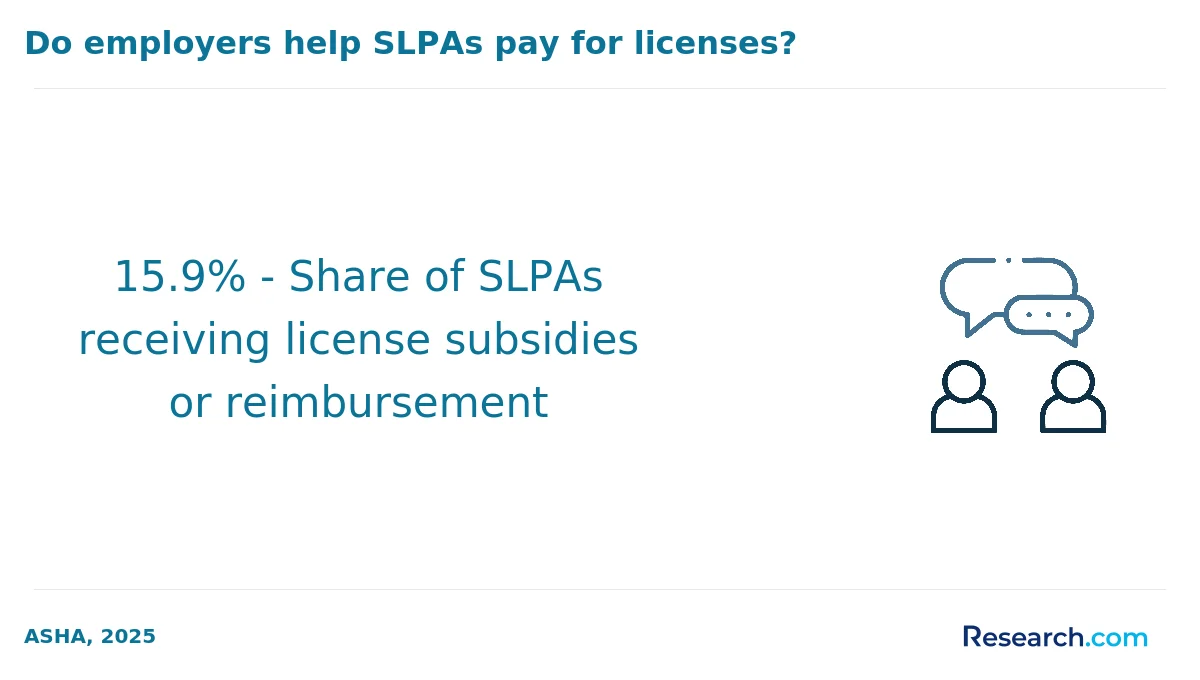
- Speech-Language Pathology Assistant (SLPA): SLPAs assist licensed clinicians by implementing prepared therapy activities, recording progress, organizing materials, and supporting service delivery. Entry-level salaries typically fall between $45,000 and $55,000, though state rules can affect eligibility and duties.
- Developmental Therapist: Developmental therapists support children with communication, social, motor, or cognitive delays through structured activities and family-centered plans. Entry-level pay commonly ranges from $40,000 to $52,000.
- Rehabilitation Specialist: In rehabilitation settings, new graduates may help clients practice communication routines, cognitive exercises, and functional skills after illness or injury. Starting salaries generally fall between $43,000 and $50,000.
- Early Childhood Interventionist: Early childhood interventionists work with young children who show speech, language, or developmental delays. This role typically pays between $42,000 and $53,000 at entry level.
- Communication Aide in Special Education: Communication aides support students with speech and language impairments in classroom settings. Starting salaries usually range from $38,000 to $48,000, and the role can be valuable for graduates considering school-based speech-language pathology later.
The best entry-level job is not always the one with the highest starting pay. Graduates should also evaluate supervision quality, caseload size, benefits, state credential requirements, and whether the role provides experience that graduate programs or future employers will value.
One speech pathology bachelor's graduate described starting as a communication aide before moving into a developmental therapist role. The first job provided classroom experience and stability, but the later role offered more responsibility and a closer connection to intervention planning. That pattern is common: early jobs often function as stepping stones toward higher pay, clearer specialization, or graduate study.
Industry choice has a major effect on earnings. The same bachelor's degree can lead to different pay depending on whether the employer is a hospital system, school district, private clinic, government agency, technology company, or sales organization.
- Healthcare: Hospitals, rehabilitation centers, outpatient clinics, and specialty practices often offer stronger pay because services may involve medically complex patients, interdisciplinary teams, and higher documentation demands.
- Education: Schools, early childhood programs, and special education settings hire communication support staff and assistants. Pay can be competitive in private schools, specialized programs, or districts with high service demand, though salaries often depend on public funding structures.
- Government and Military: Public health programs, veteran services, and military-related care systems may need communication and rehabilitation support. Structured pay scales, benefits, and job stability can make total compensation attractive even when base salary varies.
- Corporate and Technology: Companies developing speech recognition tools, assistive communication devices, accessibility products, and therapy platforms may hire speech pathology majors for product support, training, user research, or content development. These roles can pay well when they combine clinical knowledge with technical fluency.
- Private Practice and Consulting: Private clinics, therapy businesses, and consulting services can offer higher earning potential, particularly for professionals who support specialized populations or help with operations. Income may depend heavily on referrals, client volume, reimbursement, and business management.
For bachelor's-level graduates, the highest-paying industry is often the one that values both communication-sciences knowledge and an additional strength, such as technology, data tracking, bilingual communication, case coordination, or sales.
Remote work is possible for speech pathology bachelor's graduates, but job titles require careful reading. Some remote roles involve support, coordination, content, research, or technology. Roles that involve diagnosing or treating clients independently as a speech-language pathologist generally require graduate education, clinical training, and licensure.
- Telepractice Speech-Language Pathologist: This role involves remote assessment and therapy through video platforms. It can pay between $60,000 and $90,000 annually, but a bachelor's degree alone is typically not enough for independent SLP practice. Graduates interested in this path should plan for a master's degree and licensure.
- Speech Therapy Content Developer: Content developers create therapy materials, digital learning resources, caregiver guides, or training modules. This role is well suited to remote work and typically pays from $55,000 to $85,000 per year, especially when the candidate understands evidence-based communication supports.
- Remote Patient Care Coordinator: Care coordinators manage scheduling, intake communication, follow-ups, records, and provider communication for therapy or rehabilitation services. Pay often falls between $50,000 and $75,000 annually.
- Speech-Language Consultant for Educational Programs: Consultants may advise schools, curriculum teams, or education technology companies on communication supports. Remote consulting work can earn around $65,000 to $95,000 yearly, though stronger opportunities usually require substantial experience or advanced credentials.
- Clinical Research Assistant in Speech Pathology: Research assistants may support participant communication, data collection, literature reviews, transcription, coding, or project coordination. Salaries typically range from $55,000 to $80,000.
Remote jobs are most realistic when graduates can show strong documentation skills, comfort with telehealth platforms, clear written communication, and the discipline to manage confidential information appropriately. For readers considering broader behavioral health doctorate pathways, PsyD online programs may be relevant, though they lead to a different professional track.
Salary after a speech pathology bachelor's degree is shaped by more than the degree title. Employers pay for the role's responsibilities, the setting's budget, the difficulty of the population served, and the candidate's ability to operate with accuracy, professionalism, and supervision.
- Experience Level: Pay usually rises as graduates gain practical experience with documentation, client support, intervention routines, scheduling, and interdisciplinary teamwork. Employers may pay more for candidates who require less training and can handle complex workflows.
- Industry Demand: Healthcare, rehabilitation, special education, and early intervention settings may pay differently based on local shortages and funding. High demand can improve bargaining power, but only when the candidate meets state and employer requirements.
- Job Role Complexity: Roles involving medically fragile clients, assistive technology, program coordination, compliance, or family coaching may pay more than general support positions because errors carry higher consequences.
- Company Size and Resources: Larger healthcare systems, school networks, and established clinics may offer stronger salaries or benefits. Smaller employers may provide closer mentoring or flexibility but may have less room in the salary budget.
- Geographic Location: Wages often rise in areas with higher living costs or stronger service demand. Graduates should compare pay with housing, transportation, licensure costs, and benefits before assuming a higher salary is the better offer.
When comparing offers, look beyond base pay. Health insurance, paid time off, supervision quality, travel requirements, caseload expectations, tuition support, and promotion paths can change the real value of a job.
Targeted skills can help speech pathology bachelor's graduates qualify for better-paying support, coordination, technology, and specialized service roles. Research shows that professionals with specialized abilities may earn up to 15% more than those without these competencies.
- Advanced Communication Techniques: Employers value graduates who can adapt communication for children, older adults, families, teachers, clinicians, and clients with different needs. Clear communication also reduces errors and improves client engagement.
- Data Analysis and Interpretation: Many roles require tracking progress, identifying patterns, documenting outcomes, and supporting treatment decisions. Candidates who can organize and explain data are more useful in clinical, school, and research settings.
- Technology Proficiency: Familiarity with telehealth platforms, documentation systems, therapy apps, augmentative communication tools, and digital learning resources can make graduates more competitive for remote and hybrid roles.
- Problem-Solving Skills: Higher-value employees can adjust activities, troubleshoot barriers, and support clients without exceeding their scope of practice. This balance of initiative and professional boundaries is especially important in supervised roles.
- Interpersonal and Counseling Abilities: Graduates who build trust with clients and families can improve participation and consistency. These skills are valuable in early intervention, rehabilitation, special education, and patient coordination.
One professional described technology as the skill that most visibly changed his career options. Learning teletherapy platforms was difficult at first, but it helped him serve clients more efficiently and take on responsibilities his supervisors noticed. He also emphasized interpersonal skill development, noting that stronger trust with clients often led to better outcomes and more leadership opportunities.
Certifications can improve credibility and earning potential, but students must verify eligibility before investing time and money. Some credentials in speech-language pathology require a master's degree, clinical hours, licensure, or professional experience. Industry data shows that certified professionals often earn between 15-20% more than those without certifications, but the value depends on whether the credential matches the job.
- Certificate of Clinical Competence in Speech-Language Pathology (CCC-SLP): This credential is widely associated with professional speech-language pathologists and is commonly linked to graduate-level preparation. Bachelor's degree holders should confirm current eligibility requirements before planning around it.
- Assistive Technology Professional (ATP): ATP certification can be valuable for professionals working with communication devices, accessibility tools, and adaptive equipment. It may support higher pay in rehabilitation, schools, technology companies, and consulting roles.
- Board Certified Specialist in Fluency Disorders (BCS-F): This specialization focuses on fluency-related communication disorders. It is most relevant for advanced clinicians and may strengthen earning potential in specialized practice areas.
- Certified Swallowing Specialist (CSS): Dysphagia-related credentials are tied to swallowing assessment and treatment, a specialized clinical area. Graduates should understand that swallowing work often requires advanced clinical authority and appropriate licensure.
- Rehabilitation Engineering and Assistive Technology Society of North America (RESNA) Certification: RESNA-related certification can broaden opportunities at the intersection of rehabilitation, assistive technology, and communication access.
Before choosing a certification, check three things: eligibility, employer recognition, and whether the credential expands your legal scope of work or simply strengthens your resume. Graduates considering compressed graduate options should review claims carefully; a program marketed as a master's degree in 6 months online may not align with the clinical preparation required for speech-language pathology licensure.
The highest-paying clinical careers in speech-language pathology usually require a master's degree after the bachelor's. This is because diagnosis, treatment planning, clinical decision-making, and independent practice typically involve graduate coursework, supervised clinical experience, and state licensure. Over 85% of clinicians hold a master's degree, which reflects how central graduate training is to the field.
Students comparing online masters speech pathology programs should verify accreditation, clinical placement support, state licensure alignment, total cost, and whether the program meets requirements in the state where they plan to work.
- Speech-Language Pathologist: Speech-language pathologists evaluate and treat communication, speech, language, voice, cognitive-communication, and swallowing disorders. This role generally requires graduate preparation and licensure because it involves independent clinical judgment.
- Clinical Supervisor: Clinical supervisors mentor students, assistants, or early-career clinicians. They need strong clinical experience, ethical judgment, documentation expertise, and leadership skills.
- Voice Therapist: Voice therapists work with clients experiencing voice disorders related to strain, injury, neurological conditions, or professional voice demands. Advanced study helps clinicians understand vocal anatomy, physiology, and specialized treatment methods.
- Swallowing Specialist: Swallowing specialists manage dysphagia assessment and treatment. This work requires deep knowledge of swallowing physiology, medical risk, and interdisciplinary care.
- Assistive Technology Consultant: These professionals recommend and support communication devices, adaptive tools, and individualized access systems. Advanced education can strengthen clinical reasoning and technology integration skills.
Prospective graduate students should be cautious when comparing online options. Flexibility is useful, but licensure preparation, supervised clinical placements, accreditation status, and faculty support matter more than convenience alone. Some students begin by researching non-profit online colleges to compare institutional models and program credibility.
Future-proof speech pathology fields tend to share three traits: persistent need, specialized expertise, and difficulty replacing human clinical judgment. Technology may change service delivery, but it also increases demand for professionals who can apply communication-sciences knowledge responsibly.
- Medical Speech Pathology: This field focuses on communication and swallowing disorders connected to illness, injury, surgery, neurological disease, and aging. Demand is supported by healthcare needs and the complexity of medical rehabilitation.
- Early Intervention Services: Early intervention remains important because families, healthcare providers, and education systems increasingly recognize the value of identifying developmental delays early. Public systems and specialized programs help sustain demand.
- Telepractice in Speech Pathology: Telepractice expands access for clients who cannot easily attend in-person sessions. It can be financially attractive, but clinicians must meet licensure, privacy, and service-quality requirements.
- Voice and Accent Therapy: Voice, accent, and professional communication services can be strong niche areas, especially for clients whose careers depend on clear, effective speech. Demand may come from performers, executives, educators, and multilingual professionals.
- Neurological Rehabilitation: Stroke, brain injury, and neurological conditions create long-term needs for communication and cognitive-communication support. This specialty often requires advanced training and interdisciplinary collaboration.
- Augmentative and Alternative Communication (AAC): AAC specialists help people communicate through devices, symbols, software, and individualized access systems. Growth in assistive technology makes this one of the most durable and innovation-driven areas.
Bachelor's degree holders interested in these future-proof areas can begin by seeking assistant roles, research roles, technology support positions, or graduate preparation that builds toward advanced clinical practice.
What Graduates Say About the Highest Paying Careers With a Speech Pathology Bachelor's Degree
- : "My bachelor's degree in speech pathology helped me enter a field with stable demand and clear routes for growth. I learned quickly that the highest-paying options often require experience, additional credentials, or graduate school, but the degree gave me a strong foundation for healthcare and communication-focused roles. — Esteban"
- : "The biggest advantage of the degree was flexibility. I could work in support roles, explore early intervention, and decide whether a master's degree made sense for my goals. Having options made the financial side of career planning less stressful. — Alexis"
- : "Speech pathology appealed to me because it combines meaningful work with practical career potential. The bachelor's degree opened the door, but building specialized skills and understanding licensure requirements were essential for choosing the right path forward. — Eli"
Other Things You Should Know About Speech Pathology Degrees
Yes, many individuals with a bachelor's degree in speech pathology find work as speech pathology assistants. These roles typically involve supporting licensed speech-language pathologists by helping to implement therapy plans and documenting patient progress. However, certification or state licensure may be required depending on the location.
Yes, to become a licensed speech-language pathologist capable of diagnosing and treating speech disorders independently, a master's degree is generally required. The bachelor's degree serves as a foundation, but advanced clinical training and certification at the graduate level are typically necessary for full professional licensure.
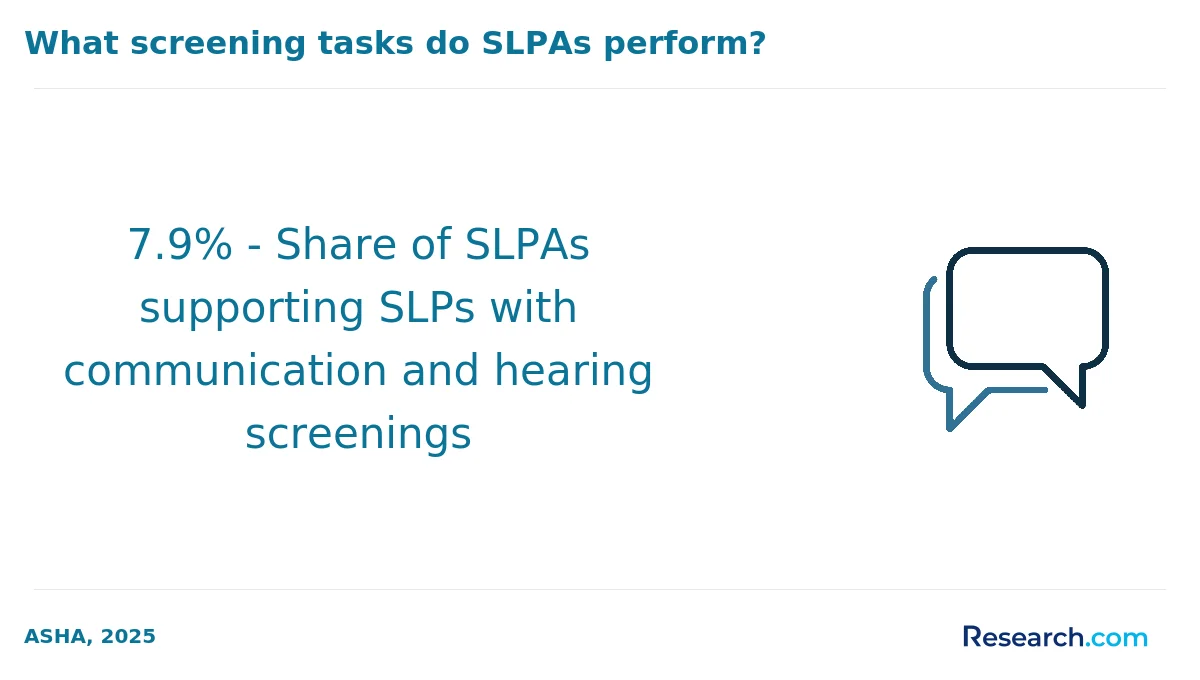
In 2027, settings that employ speech pathology graduates with a bachelor's degree include schools, rehabilitation centers, and private practices. These roles often involve supporting licensed speech-language pathologists, conducting screenings, and assisting in the administration and documentation necessary for patient care services.
- U.S. Bureau of Labor Statistics - Speech-Language Pathologists https://www.bls.gov/ooh/healthcare/speech-language-pathologists.htm
- ASHA EdFind - Accredited Speech-Language Pathology Programs https://find.asha.org/ed/
- O*NET OnLine - Speech-Language Pathologists https://www.onetonline.org/link/summary/29-1127.00
- Emerson College - Master of Science (M.S.) in Communication Disorders (Speech@Emerson, online) https://speech.emerson.edu/
- New England Institute of Technology - Master of Science in Speech Language Pathology https://www.neit.edu/academics/graduate-degrees/speech-language-pathology-ms
- Ithaca College - Online Master of Science in Speech-Language Pathology https://slponline.ithaca.edu/programs/masters-speech-language-pathology-online
- Pennsylvania Western University - Master of Science in Speech-Language Pathology https://online.pennwest.edu/programs/speech-language-pathology-grad/index.php
- Abilene Christian University - Master of Science in Speech-Language Pathology (Online) https://acu.edu/academics/graduate/master-of-science-in-speech-language-pathology/