2027 Are Too Many Students Choosing Digital Media? Oversaturation, Competition, and Hiring Reality

Co-Founder and Chief Data Scientist
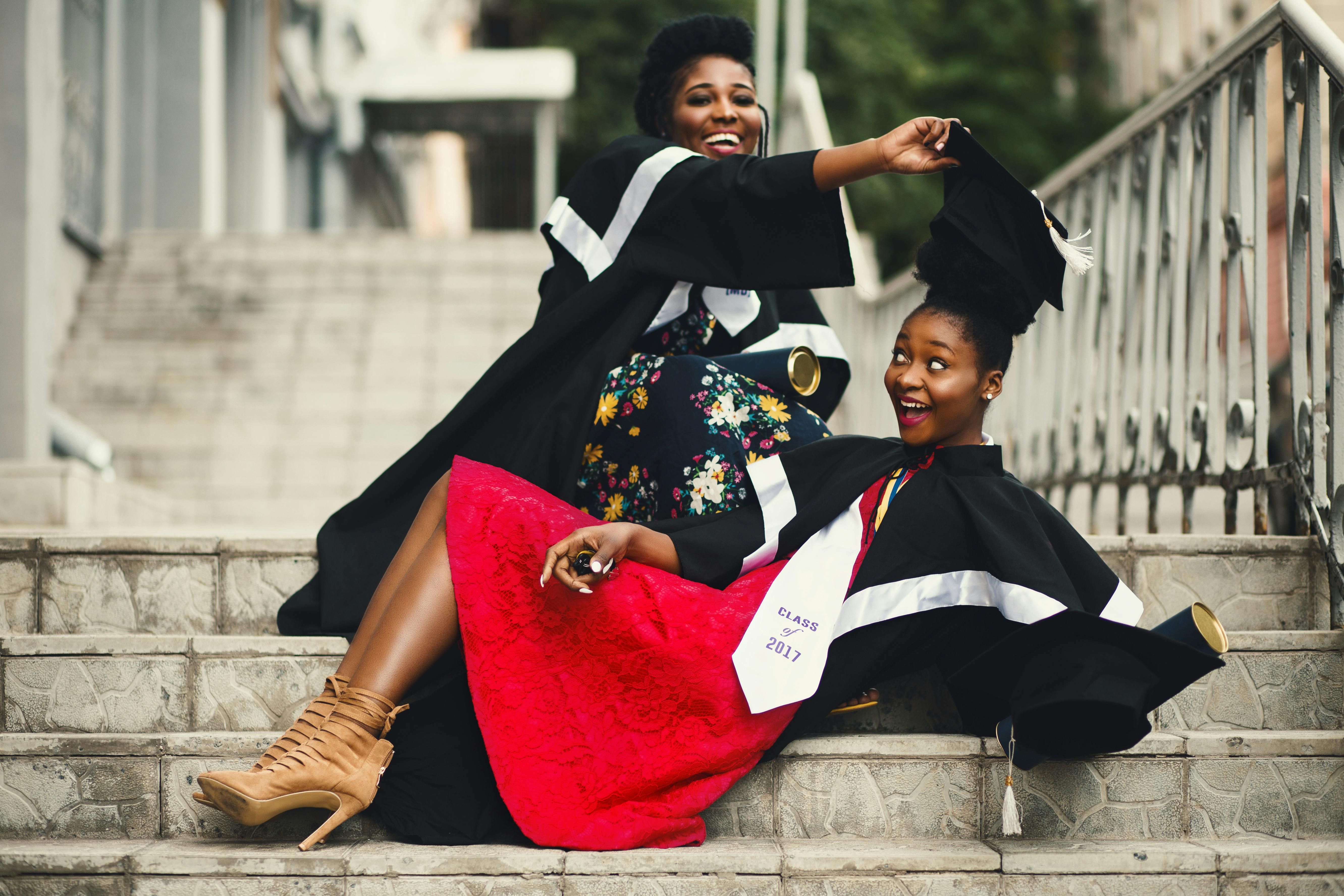
A recent graduate with a digital media degree struggles to differentiate themselves amidst a flood of candidates applying for limited roles in social media management and content creation.
The growth in digital media programs has surged by over 25% in the last five years, intensifying the already fierce competition for entry-level positions. Many aspiring professionals find their resumes lost in an oversaturated job market where employers increasingly seek specialized skills or extensive portfolios.
This article explores the extent of digital media oversaturation, competitive hiring patterns, and realities faced by job seekers, aiming to provide clarity for those navigating this challenging landscape.
Key Things to Know About the Oversaturation, Competition, and Hiring Reality in the Digital Media Field
- The rise in digital media graduates outpaces job openings, causing oversaturation and reduced employment rates in related entry-level positions.
- Heightened competition forces employers to increase hiring expectations, demanding unique portfolios and specialized skills for candidate differentiation.
- Understanding market trends, including a 12% growth projection offset by candidate surplus, helps set realistic career goals and salary expectations.
Is the Digital Media Field Oversaturated With Graduates?
Oversaturation in the digital media field occurs when the number of graduates surpasses the available job opportunities, creating an imbalance in supply and demand. Over recent years, educational institutions have expanded digital media programs to meet rising student interest, yet job growth in the sector hasn't kept pace.
For example, studies reveal that tens of thousands of digital media students graduate annually, while related job openings increase by only a few thousand. This disparity results in more candidates competing for a limited number of positions.
The implications of oversaturation extend beyond just numbers, impacting how hiring processes are conducted. Employers increasingly raise their expectations, seeking candidates with distinctive portfolios, specialized skills, or unique experience.
This trend leads to more rigorous screening and interview stages, with candidates evaluated on a wider range of competencies. Consequently, the criteria for suitable candidates evolve, often requiring greater adaptability and flexibility to meet the demands of the field.
What Makes Digital Media an Attractive Degree Choice?
Interest in digital media programs has grown steadily, with enrollment rising by 15% in bachelor's degree applicants over the last five years. This trend highlights how digital platforms increasingly influence both everyday experiences and professional sectors.
The following points outline key reasons why students find digital media an attractive degree choice:
- Versatility: The field offers exposure to numerous areas like graphic design, video production, and web development. This flexibility supports personalization in coursework and specialization, which is valuable given today's diverse job market demands.
- Comprehensive Curriculum: Combining creative, technical, and theoretical knowledge provides students with a strong foundation. This approach ensures that graduates understand how digital content is created, managed, and distributed across platforms.
- Alignment With Student Interests: Many students already engage frequently with social media, digital storytelling, and multimedia, making digital media a natural extension of their passions. This connection boosts motivation and engagement in learning.
- Creativity and Innovation: Digital media programs encourage experimentation and original thinking, appealing to those who want to merge artistic expression with emerging digital technologies.
Students exploring the benefits of a digital media degree may also consider advanced studies, such as an online masters degree, to enhance their expertise and adaptability in this evolving field.

What Are the Job Prospects for Digital Media Graduates?
Job opportunities for digital media graduates vary considerably across different specialties, reflecting both steady demand and significant competition. About 65% of graduates find work related to their field within six months, showing a reasonable rate of employment despite a crowded market.
Below are some common job paths for digital media graduates and their outlooks:
- Social Media Manager: This position remains popular as businesses increasingly prioritize their digital footprint. Entry-level openings are often available in smaller firms or marketing agencies where hands-on experience is valued.
- Graphic Designer: Jobs are abundant but highly contested due to the skill's versatility across industries like advertising, publishing, and online content creation. Demand tends to remain steady, though competition can be intense.
- Video Producer/Editor: With video content growing in prominence, roles in production and editing have expanded. Freelance work supplements traditional jobs, making the field more accessible for new graduates.
- UX/UI Designer: Tech companies increasingly seek specialists with this skill set. Entry often requires a robust portfolio combined with formal training, and demand generally surpasses average job market levels.
- Content Strategist: As organizations push for unified digital narratives, roles involving content planning have grown. Competition is moderate, with experience in content management systems viewed as an advantage.
When asked about job prospects, a digital media degree graduate shared how navigating the job market was a mix of persistence and uncertainty. "It wasn't easy to stand out with many applicants aiming for similar roles," he said, noting that applying for numerous positions was a drain on energy and optimism.
Despite moments of doubt, gaining freelance experience and steadily building a portfolio eventually led to part-time contracts, confirming that perseverance and adaptability play critical roles in securing employment.
What Is the Employment Outlook for Digital Media Majors?
The job market for digital media majors in the United States presents varied opportunities depending on the sector and role, with demand generally positive but competitive.
Employment in digital media-related fields is projected to increase by approximately 8% from 2022 to 2032, matching the average for all occupations. However, as more students pursue digital media degrees, competition for certain positions intensifies.
Here are key roles with differing outlooks in digital media employment:
- Multimedia Artists and Animators: These professionals enjoy steady demand fueled by growth in video games, film, and online advertising sectors. Creative storytelling remains essential, supporting consistent hiring despite economic fluctuations.
- Web Developers: Increased reliance on digital infrastructure ensures ongoing opportunities in web development, as businesses prioritize strong online presences.
- Digital Marketing Specialists: Rising investments in social media and marketing automation drive hiring, making these roles central in many organizations' customer outreach.
- Content Creators: Demand is more variable due to the gig economy and evolving platform algorithms, though sectors like e-commerce provide some stability.
- User Experience Designers: This role is expanding as companies emphasize user-friendly digital interfaces, especially within the tech industry.
Students interested in accelerated pathways may also explore options such as 1 year MSW programs online no BSW to complement their digital media skill set.
How Competitive Is the Digital Media Job Market?
The digital media job market is marked by significant competition, largely driven by a growing influx of graduates each year. As more educational programs emerge, the number of applicants vying for available positions has surged, with some roles attracting up to 10 candidates per job opening.
Entry-level positions typically face the highest applicant volume, while specialized jobs demanding advanced skills and experience see fewer contenders. This disparity creates a varied landscape where hiring selectivity depends heavily on the specific role and its requirements.
Competition levels also fluctuate across different sectors and geographic regions. Metropolitan areas tend to offer more opportunities in video production and social media marketing, attracting larger applicant pools, whereas smaller markets might experience less demand but also fewer available roles.
Hiring preferences diverge as some employers emphasize formal education, while others prioritize portfolios and practical skills, adding complexity to the job search. Overall, regional industry concentration and educational expectations shape the competitive dynamics within digital media fields.
When asked about her experience, a professional with a digital media degree shared how challenging it was to navigate the crowded job market after graduating. She described submitting dozens of applications and often facing long response times, which tested her patience and resolve.
"It felt like competing in a marathon where the finish line kept moving," she reflected, emphasizing how her portfolio and networking became crucial in standing out. Despite the hurdles, she views the experience as a valuable learning process that sharpened her skills and perseverance in a tough industry.

Are Some Digital Media Careers Less Competitive?
Certain digital media careers face less competition due to ongoing industry demand, skill shortages, or more accessible qualification paths. For example, up to 25% of companies report difficulty filling roles like user experience designers and digital accessibility specialists.
Below are examples of specific digital media roles that typically experience less competition:
- UX Designer: This role requires expertise in user-centered design, a specialized area with steady demand. Due to the technical proficiency needed, fewer graduates qualify, reducing competition for available positions.
- Digital Accessibility Specialist: Many organizations seek professionals who ensure digital content meets accessibility standards, but the talent pool remains limited. The growing emphasis on inclusive design drives demand in this niche.
- Data Analyst: Media platforms increasingly rely on data insights, but analytical skills combined with digital media knowledge are less common. This creates more openings with fewer qualified applicants.
- Virtual Reality Content Creator: As virtual reality continues to expand, content creators with technical experience are hard to find. The emerging nature of this field means fewer candidates are prepared to enter.
- Technical Video Editor: Broader entry requirements compared to general video editing roles allow more candidates without advanced degrees, yet technical skill shortages still limit competition.
How Does Salary Affect Job Market Saturation?
Salary levels significantly influence job market saturation within digital media fields. Higher-paying roles, such as those in UX design, data-driven marketing, or multimedia production, often attract a larger pool of candidates due to annual salaries ranging from $60,000 to $90,000 depending on experience and location.
This influx of applicants intensifies competition, resulting in oversaturation where many vie for limited vacancies. In contrast, lower-paying positions like entry-level content creation or social media assistant roles frequently experience persistent vacancies because their compensation does not meet candidates' financial expectations or living costs.
Salary disparities across digital media careers shape where oversaturation occurs, concentrating competition primarily in the more lucrative roles. These higher-paying positions become hotspots for intense hiring contests, while less financially appealing jobs often remain understaffed despite ongoing demand.
This highlights that oversaturation in digital media is uneven, influenced strongly by compensation levels that guide candidates' job focus and employers' recruitment challenges across the sector.
What Skills Help Digital Media Graduates Get Hired Faster?
Graduates entering the competitive field of digital media can improve their job prospects by developing key foundational and applied skills. Research shows that digital media graduates with strong technical and analytical abilities are hired 25% faster than those without.
Here are several important skills that contribute to faster hiring outcomes for digital media professionals:
- Technical Proficiency: Mastery of multimedia editing software such as Adobe Creative Suite or Final Cut Pro allows graduates to produce high-quality content efficiently, which is a critical factor employers assess when considering candidates' readiness.
- Effective Communication: Strong verbal and written communication skills enhance collaboration with teams and clarity in presenting ideas, streamlining workflows and minimizing misunderstandings.
- Adaptability: The ability to quickly learn new tools and stay updated with fast-changing digital platforms makes candidates more attractive to employers who value continuous learning.
- Creative Problem-Solving: Navigating unexpected challenges in production or campaigns requires innovative thinking, demonstrating resourcefulness that can speed up hiring decisions.
- Data Literacy: Understanding audience metrics and using analytics tools helps digital media workers optimize content and meet organizations' demand for measurable results.
For those considering educational paths that prepare for these digital media graduate job readiness skills, it can be helpful to explore the best associate degrees in this field, which focus on essential technical and soft skills for faster employment.
What Alternative Career Paths Exist for Digital Media Graduates?
Graduates with a degree in digital media often leverage the versatility of their training to explore career paths beyond traditional digital media-specific roles. Their skills encompass graphic design, video editing, content creation, and digital storytelling, which are valuable across varied industries.
Here are some alternative career opportunities for digital media graduates:
- User Experience (UX) Design: UX designers enhance how people interact with websites, apps, and digital platforms. Digital media graduates contribute a strong sense of visual communication and multimedia proficiency to create user-friendly and engaging interfaces.
- Content Strategy and Management: This field involves planning and overseeing digital content to meet organizational goals. Graduates apply their storytelling and production skills to develop compelling narratives and effectively organize content across multiple channels.
- Marketing and Advertising: Digital marketing roles benefit from graduates' multimedia production abilities, enabling them to manage social media campaigns, produce promotional videos, and design branded visuals that attract and engage target audiences.
- E-Learning and Instructional Design: Graduates utilize their content creation talents and insight into audience engagement to develop interactive educational materials that foster effective digital learning experiences.
- Multimedia Journalism: Storytelling using video, audio, and graphics defines this field. Digital media skills support producing impactful news and feature content across various media formats.
For those considering further education that complements their creative background, pursuing an online MBA entrepreneurship may open additional professional doors in business and management within creative industries.
Is a Digital Media Degree Still Worth It Today?
The relevance of a digital media degree today hinges on career direction, specialization, and shifting industry demand. Approximately 68% of digital media graduates find relevant employment within six months, reflecting both opportunity and competitive challenges in the job market outlook for digital media professionals.
Targeting niches like user experience design or digital marketing analytics often leads to stronger long-term career prospects for digital media graduates. Success in this field depends on how well graduates adapt their skills to emerging trends and specific roles.
Flexibility and continuous skill development greatly influence the degree's value in the modern workforce. Digital media equips students with interdisciplinary capabilities, blending technology, creativity, and communication that appeal across various industries.
However, meeting evolving employer expectations requires more than general training; strategic upskilling and adaptability are essential.
Many explore options such as 6 week courses with certificates to supplement their education and stay competitive.
What Graduates Say About the Oversaturation, Competition, and Hiring Reality in the Digital Media Field
- Alfredo: "Graduating with a digital media degree opened my eyes to the harsh reality of the job market-there are more candidates than positions available, making the field incredibly saturated. I learned quickly that standing out is essential, whether that means honing a niche skill or building a unique portfolio. Despite the competition, the degree gave me a solid base that has helped me adapt and find meaningful work in an evolving industry."
- Erik: "My digital media program taught me the importance of being realistic about hiring trends; it's not always about landing the perfect job right out of school. I chose to explore less crowded areas where I could apply my skills more effectively instead of endlessly competing in oversaturated roles. This approach has made a big difference in how I view my career growth and long-term opportunities."
- Landon: "With a digital media degree, I gained a professional perspective on the complexities of the job market. The competition is fierce, which pushed me to consider alternative paths beyond the typical routes. Ultimately, the degree was invaluable-not just for employment but for understanding how to navigate and thrive within a field that's constantly changing."
Other Things You Should Know About Digital Media Degrees
Networking plays a critical role in digital media careers due to the industry's highly personalized and project-based nature. Building relationships with industry professionals can lead to job referrals, freelance opportunities, and insider knowledge about upcoming vacancies. Graduates who actively engage in networking events, online communities, and internships tend to have a distinct advantage over those who rely solely on online applications.
The demand for specialized skills, such as animation, UX design, or data analytics, narrows the competition pool within the broader digital media job market. Employers often seek candidates with expertise aligned to specific roles, which means possessing niche skills can improve hiring chances. Candidates with broader or generic skills may face stiffer competition due to the large number of applicants with similar educational backgrounds.
Internships and hands-on experience are vital for demonstrating practical capabilities beyond academic credentials in digital media. Candidates with strong portfolios, built through internships or freelance projects, often stand out during hiring. Many employers prioritize applied experience because it reflects an ability to produce work under real-world conditions and meet deadlines.
In 2027, geographic location remains relevant due to remote work flexibility. However, markets like New York and San Francisco offer more opportunities and networking prospects. Digital media companies value both skill proficiency and market connectivity when making hiring decisions.
References
- Preparing for a Career in Digital Media https://www.studyusa.com/en/a/81/preparing-for-a-career-in-digital-media
- Swift Tech Co. | Digital Solutions Across 35+ Industries https://swifttechco.com/blog/media/digital-media-major-5-reasons-it-s-a-smart-career-choice
- 10 Digital Skills That Can Make Students Instantly Employable in 2025 https://digitalmarketinginstitute.com/blog/10-digital-skills-that-can-make-students-instantly-employable
- Marketing salaries: The trends you need to know about - EMR | Marketing, Digital & Communications Recruitment Agency https://www.emrrecruitment.co.uk/marketing-salaries-the-trends-you-need-to-know-about/
- Finding the Right Digital Marketing Jobs for Your Promising Care https://www.uniccm.com/blog/finding-the-right-digital-marketing-jobs-for-your-promising-career
- The Impact of Digital Transformation on Employee... https://www.paylab.com/newsroom/the-impact-of-digital-transformation-on-employee-satisfaction-and-compensation/50972
- Digital Marketing hiring trends, hot jobs & top salaries 2025 - Addison Group https://addisongroup.com/insights/digital-marketing-hiring-trends-hot-jobs-top-salaries-2025/
- 20+ Winning Digital Marketing Niches (Low Competition and High Demand) https://partners.livechat.com/blog/digital-marketing-niches/
- Unemployment is rising for Media, Journalism, and Communications graduates, here’s how to prepare for a tougher job market. https://www.hybridmag.co.uk/p/unemployment-is-rising-for-media
- 3 Content Saturation Challenges and How to Overcome Them | Parse.ly https://www.parse.ly/content-saturation-challenges/